




On Sunday, November 1, clocks across most of the United States will fall back one hour, and daylight saving time officially ends for the year. It sounds like a gift, since you get an extra hour in bed. But if you have ever felt foggy, cranky, or strangely wide awake before sunrise during the week after the change, you already know your body does not treat that hour like a freebie.
This guide is your one-week plan for daylight savings time sleep. We will walk through why the clock change throws off your internal rhythm, how much sleep to aim for, and a day-by-day reset you can start on Thursday, October 29. We will also show where functional mushrooms can fit into a steady, calming routine. Troomy makes triple-extracted, made-in-the-USA, vegetarian functional mushroom gummies and capsules in flavors people look forward to, and they work best as a supporting player to the habits that do the heavy lifting.
Why Does Daylight Saving Time Ending Affect Your Sleep?
Your body runs on an internal clock known as the circadian rhythm, which helps regulate when you feel alert and when you feel sleepy. According to the American Academy of Sleep Medicine (AASM), sunlight, especially in the morning, plays an important role in keeping that clock lined up with the day and night cycle, and even a one-hour shift can take time for your body to adjust to.
What Happens to Your Body Clock When the Clocks Change?
Think of your circadian rhythm like a train that runs on a precise timetable. When the clocks fall back, the outside world moves an hour while your body keeps following its old schedule. Many people notice they feel sleepy earlier in the evening, wake up before the alarm, or feel a little off when darkness arrives an hour sooner on the clock. None of this means something is wrong with you. It means your internal timetable needs a few days to catch up with the new one.
Is Gaining an Hour Really a Win for Your Sleep?
It can be, if you use it well. The AASM points out that most people adjust to the new schedule within a few days, which is encouraging. The risk is treating the bonus hour as permission to stay up later, which can leave you short on rest once Monday morning arrives. The goal of a reset is to protect your sleep window while your body recalibrates, so the extra hour works for you instead of against you.
How Much Sleep Do You Need During the Time Change?
The AASM and the Sleep Research Society recommend that adults ages 18 to 60 sleep at least seven hours each night to promote optimal health and well-being, as noted by the Centers for Disease Control and Prevention (CDC). That same CDC report, based on 2014 survey data, found that more than a third of American adults are not getting enough sleep on a regular basis. Plenty of us head into the time change already running a little low, which is why a calm, planned week matters.
The AASM's own advice for the fall change is to get at least seven hours of sleep per night before and after the clocks change. If you want a refresher on the basics first, our guide to four key tips on how to sleep better covers the fundamentals in a quick read.
How Can You Reset Your Sleep in One Week After Daylight Saving Time Ends?
Here is a simple seven-day plan built around guidance from the AASM. Each step is small on purpose, because a gentle nudge is easier to stick with than a dramatic overhaul. The plan starts on Thursday, October 29 and wraps up on Thursday, November 5.
Thursday and Friday: Nudge Your Schedule Later
The AASM suggests that in the days before the clock change, you shift your bedtime slightly later along with other daily time cues, such as meals and exercise. Because the clocks are about to move back, a slightly later routine lets you meet the new schedule halfway. Keep the shift small, even 15 minutes at a time, so you are not cutting your sleep short. Move dinner and your workout a touch later too, since those habits tell your body what time it is just as much as the clock does.
Saturday: Set Your Clocks and Keep Your Normal Bedtime
On Saturday evening, set your clocks to the new time and go to bed at your normal bedtime, which is exactly what the AASM recommends. You do not need to stay up until 2 a.m. to watch the change happen. Build a wind-down ritual that signals the day is ending: dim the lights, put screens away, and do something quiet that you enjoy. If you are wondering how to make that ritual consistent, our post on when to take mushroom supplements walks through a morning-to-night routine that is easy to follow.
Sunday: Chase Morning Light and Hold Your Wake Time
Resist the urge to sleep in all day. Wake up at about your usual time and head outside soon after, because the AASM recommends getting early morning sunlight in the days following the time change to help reset your internal clock. A 10 to 15 minute walk with your coffee or tea is a great start. If you like building a full-day rhythm, our guide to a 24-hour wellness routine with mushroom gummies shows how morning and evening habits can support each other.
Monday Through Wednesday: Protect the Routine
The first workweek after the change is where good intentions get tested. Keep your wake time steady, including on weekends, and be mindful of caffeine in the afternoon, since the AASM advises avoiding extra caffeine late in the day while your body is adjusting. If you lean on a late-day pick-me-up, you may want to explore options that support energy in other ways. Our deep dive on how cordyceps works for energy without caffeine and our guide to mushroom gummies for focus without caffeine are good places to start.
Thursday and Beyond: Lock In Your New Rhythm
By the end of the week, most people feel settled. The secret is consistency, and it is the same secret behind every good habit. We explore that idea in our look at habit building with sleep aids over 90 days. If you still struggle to sleep or feel tired during the day well after the change, the AASM suggests talking with your doctor or visiting an AASM-accredited sleep center, and that is good advice to follow.
Can Functional Mushrooms Support Your Sleep Reset?
Functional mushrooms will not replace a consistent bedtime or a morning walk, but they can be a friendly part of the routine. These mushrooms have been used for generations and are valued for their roles in supporting calm, focus, and energy. At Troomy, every mushroom is triple-extracted, and you can learn more about the basics on our Mushrooms 101 page.
How Does Reishi Support Restful Nights?
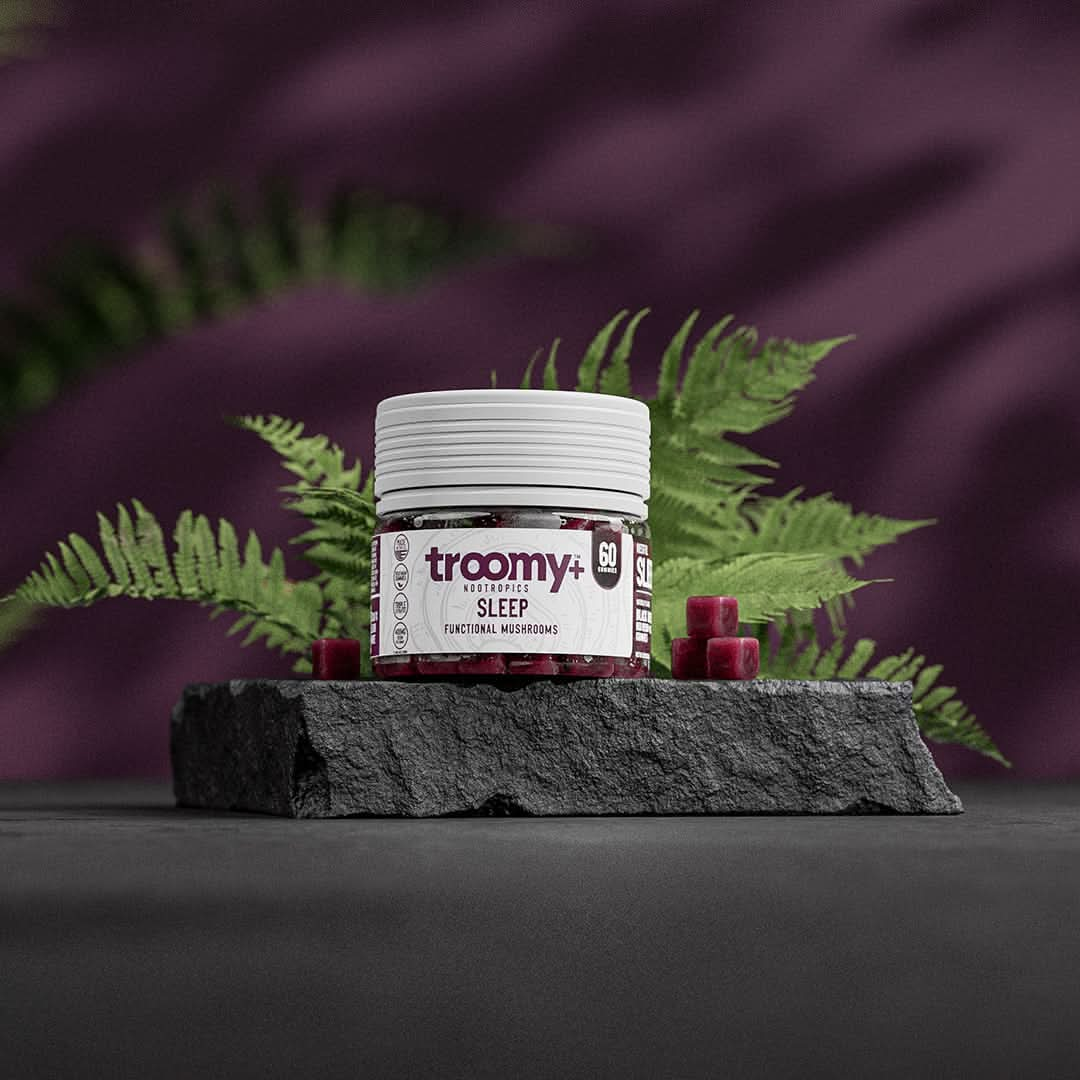
Reishi is one of the best-known functional mushrooms for relaxation and rest, which is why it anchors our Troomy Sleep reishi gummies. Each black raspberry gummy pairs reishi with melatonin, which helps signal your body that it is time to wind down, along with passionflower, lemon balm, and chamomile for a calming evening ritual. If you want the full story on how these ingredients work together, read our guide to how reishi and melatonin work together for sleep support, or explore reishi and sleep: the science, benefits, and daily routine. You can browse every option in our bedtime collection.
As with any supplement that contains melatonin, follow the directions on the package and check with your healthcare provider first if you take medication or have a medical condition. Our comparison of reishi for sleep versus melatonin is a helpful read if you are weighing your options.
What About Daytime Energy and Focus While You Adjust?
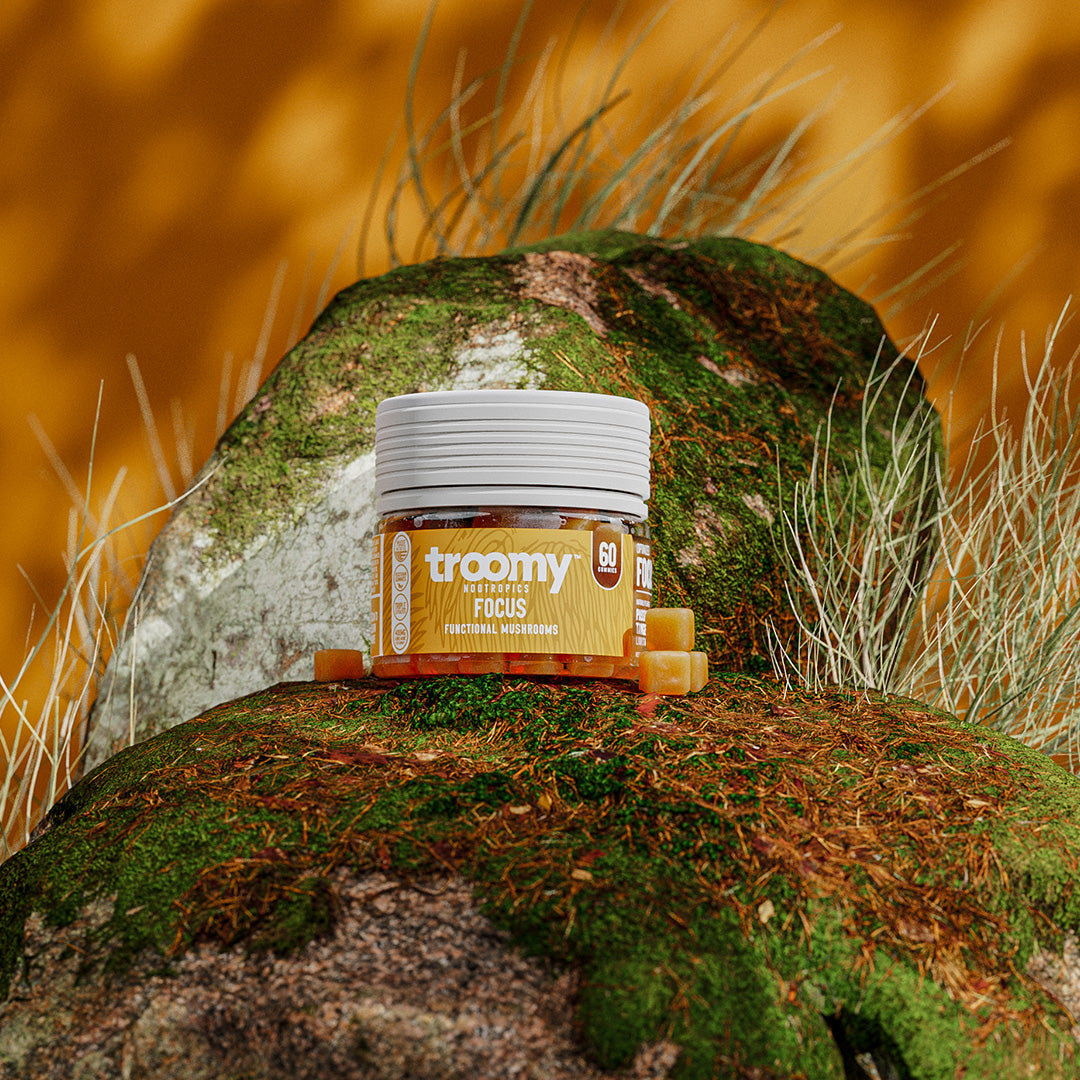
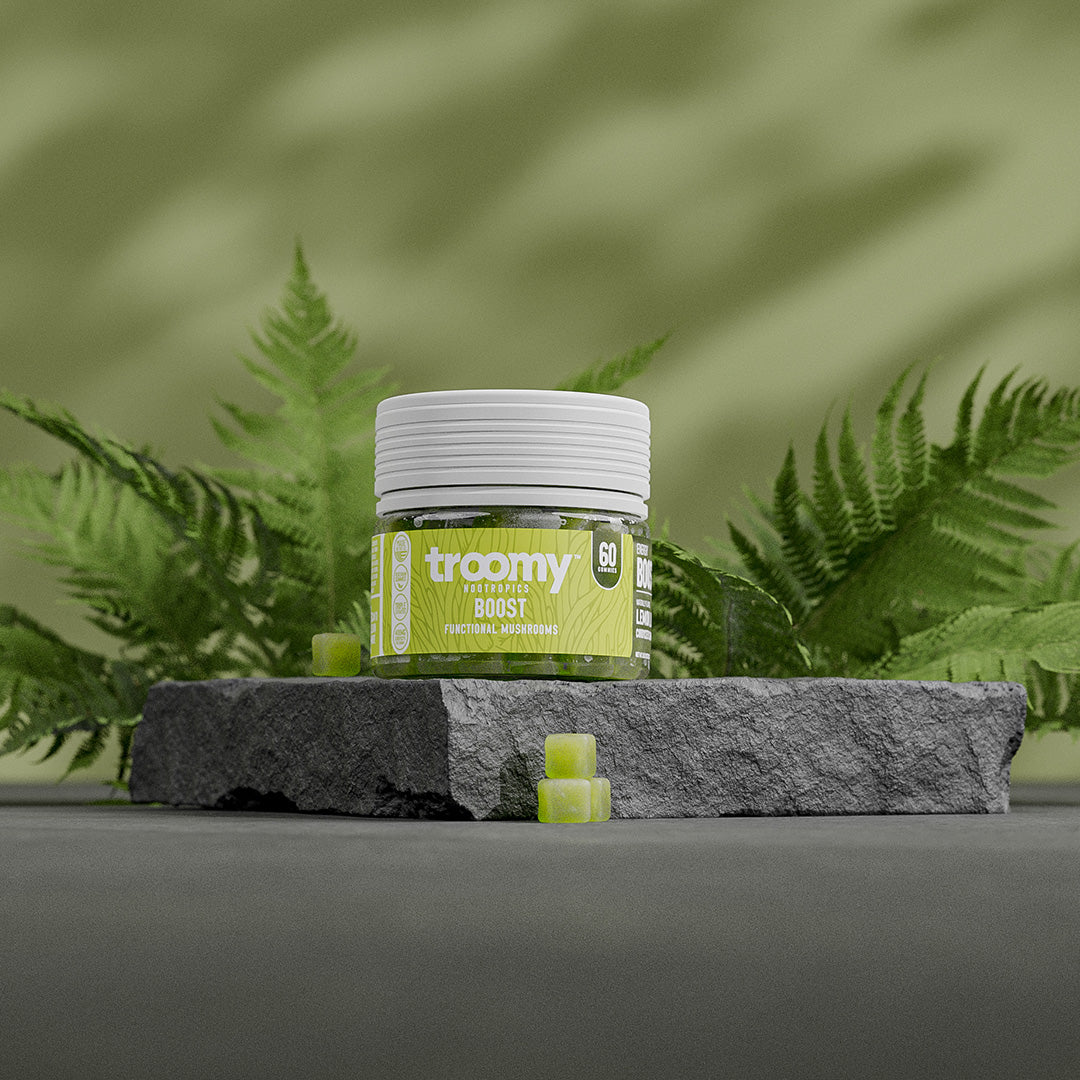
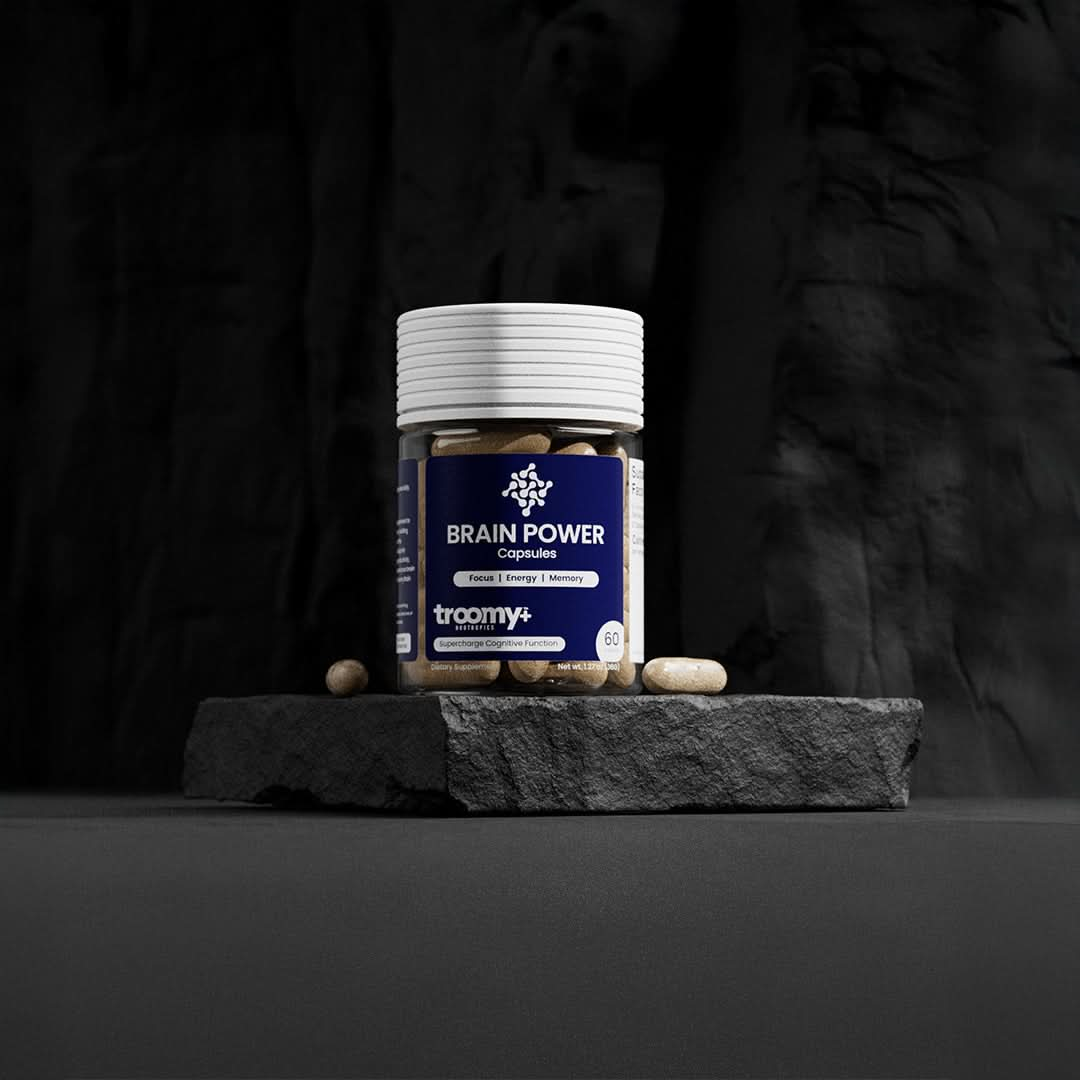
The first days of standard time can leave you feeling a step behind in the afternoon. Cordyceps is a functional mushroom known for supporting natural energy and stamina, and it is the star of Troomy Boost cordyceps gummies. Lion's Mane is known for supporting mental clarity and focus, and it powers Troomy Focus Lion's Mane gummies. You can see more daytime options in our energy collection and our brain health collection. Prefer capsules? Brain Power functional mushroom capsules give you a gummy-free way to keep your mornings sharp, and our primer on what Lion's Mane does explains the research behind this popular mushroom.
Where Does Calm Fit In During Darker Evenings?
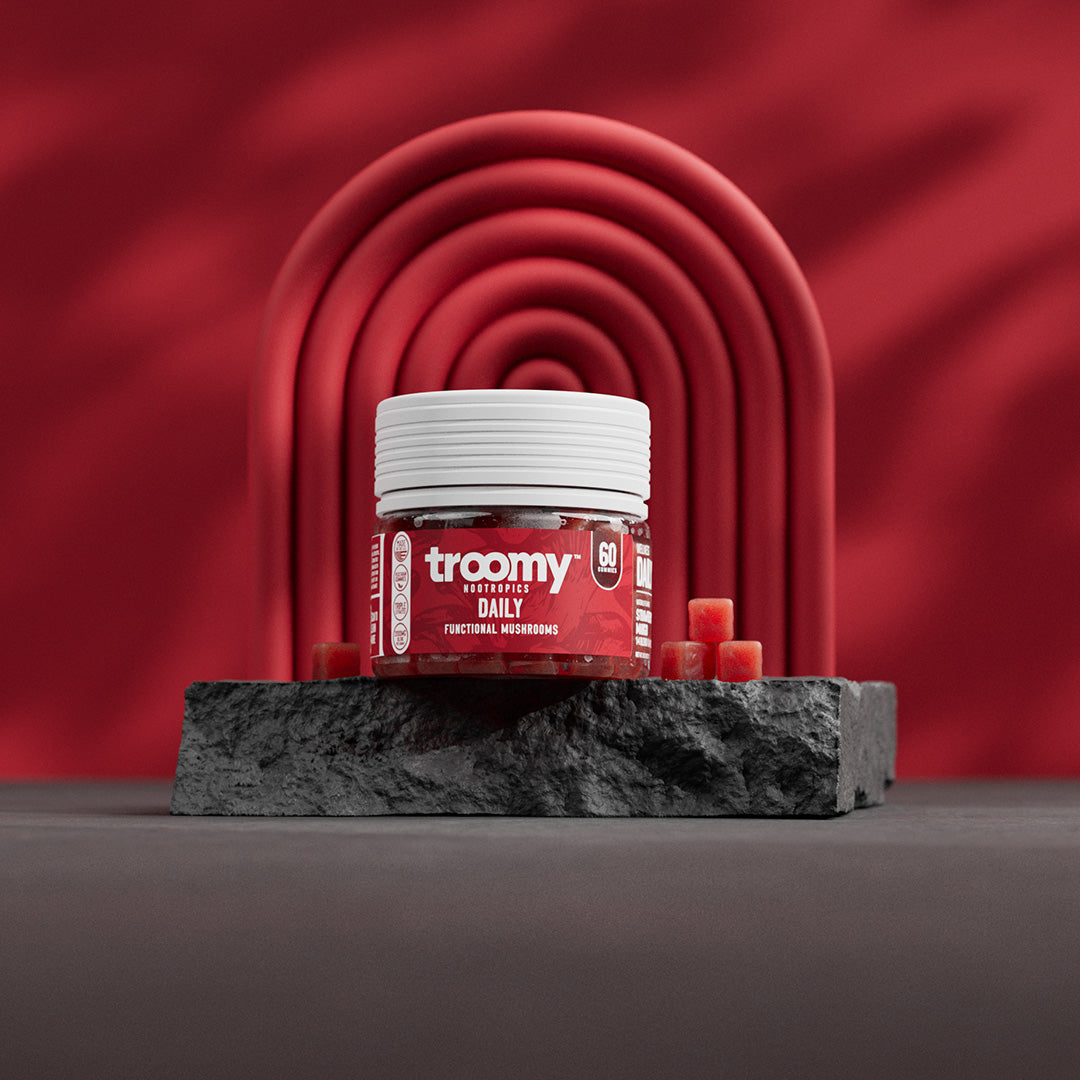
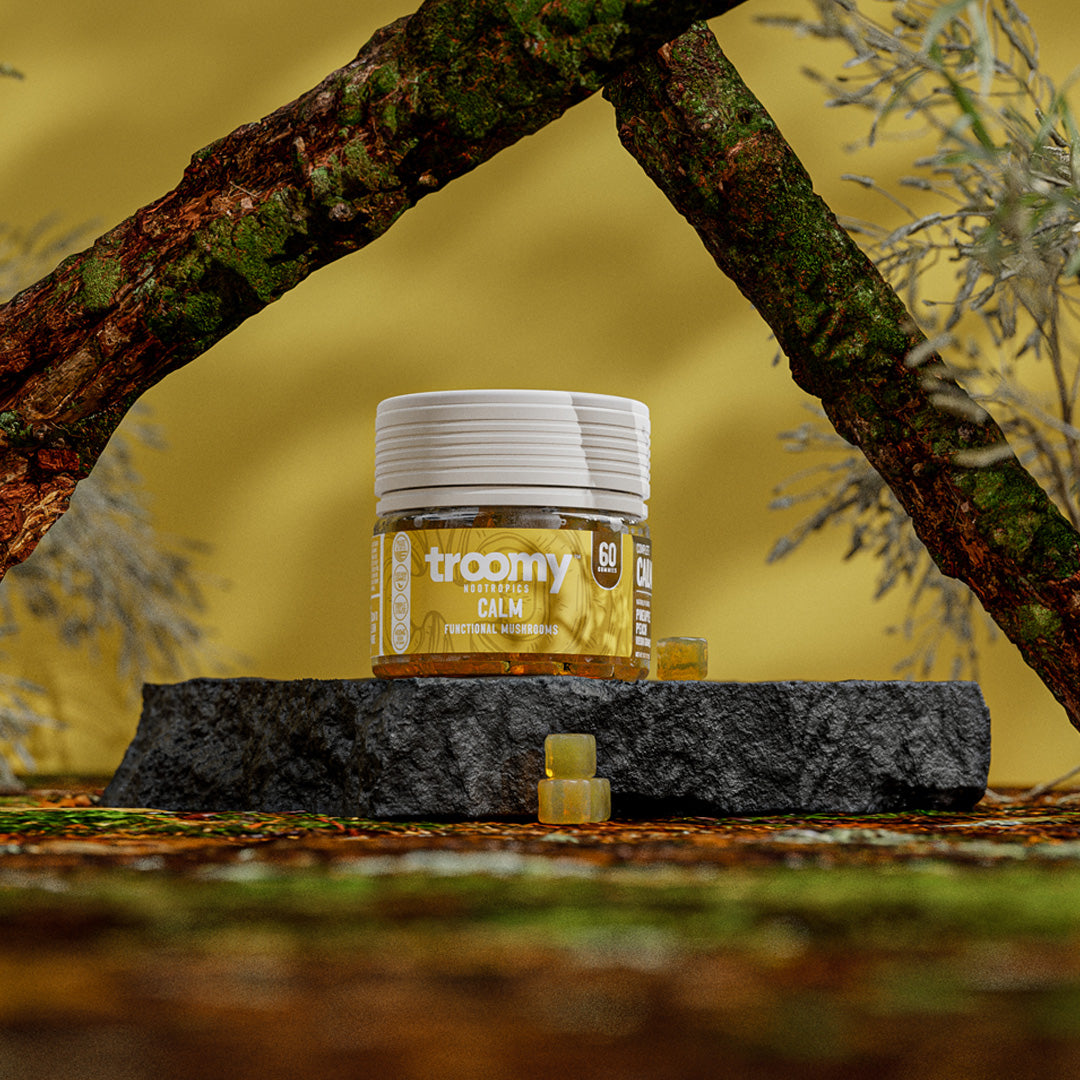
Earlier sunsets can change the mood of your evenings, and a little extra calm goes a long way. Troomy Calm reishi gummies bring reishi's calming reputation into an easy daily gummy, and if you want a simple everyday base, Troomy Daily 14 mushroom blend gummies bring a variety of mushrooms into one easy step. Browse our mood collection for more ways to keep the season feeling steady, or read how functional mushrooms can support a seasonal reset.
What Should You Look for in a Mushroom Gummy or Capsule?
Not every mushroom supplement is made the same way, so here is what we believe matters most. Look for a brand that uses triple extraction, a process we explain in our guide to what triple extraction is and why most brands skip it. Look for transparency about where a product is made, which is why we wrote about why made in the USA matters for mushroom supplements. If you eat a plant-forward diet, confirm that your gummies are vegetarian, and you can read whether Troomy gummies are vegetarian-friendly for the details.
Flavor counts too. A supplement only works if you remember to take it, and gummies with natural flavors that people genuinely enjoy make the habit easy to keep. That is the idea behind everything we make: add one easy step to your routine without replacing the things you already do.
Will the U.S. Ever Stop Changing the Clocks?
Sleep experts have a clear opinion. The AASM's position is that the United States should eliminate seasonal time changes in favor of permanent standard time, which it says aligns best with human circadian biology. Congress is weighing two different approaches, one that would make daylight saving time permanent and one that would make standard time permanent, as outlined in the AASM's guide to adjusting when daylight saving time ends. Until lawmakers decide, the twice-a-year change is part of life, and a good reset plan is the best tool you have.
Ready to Fall Back Without Falling Apart?
A week of small, steady habits goes a long way: a slightly later routine on Thursday and Friday, clocks set on Saturday evening, morning light on Sunday, and a protected schedule through the workweek. Add a supportive mushroom routine, and you give your body a clear message that it is safe to settle into the new time. Ready to build yours? Shop our bundles collection to find a routine that covers your mornings and your nights, or start tonight with Troomy Sleep reishi gummies.
Frequently Asked Questions
When does daylight saving time end in 2026?
Daylight saving time ends on Sunday, November 1, 2026, when clocks in most of the United States fall back one hour. Hawaii and most of Arizona do not observe daylight saving time, so their clocks stay the same. The AASM shares its guidance on the change in its fall time change guide.
Why is it hard to sleep after daylight saving time ends?
Your internal clock is tied to light and your daily schedule, so when the clock moves an hour, your body needs time to catch up. The AASM explains that morning light helps keep your circadian rhythm aligned, and shifting your schedule even by an hour can disrupt how alert or sleepy you feel at different times of day.
How long does it take to adjust after the clocks fall back?
Most people adjust within a few days, according to the AASM. Keeping a consistent wake time, getting morning light, and watching afternoon caffeine can help the process along. If you still feel unrested well after the change, talk with your doctor.
How can I fix my sleep schedule after daylight saving time?
Start by setting your clocks on Saturday evening and keeping your normal bedtime. Wake at the same time each day, spend time outdoors in the morning, limit caffeine in the afternoon, and aim for at least seven hours of sleep per night, as the AASM recommends. Our one-week plan above breaks these steps down day by day.
Can mushroom gummies help with sleep during the time change?
Reishi is a functional mushroom known for supporting relaxation and rest, and it is the foundation of Troomy Sleep reishi gummies, which also include melatonin, passionflower, lemon balm, and chamomile. Gummies work best alongside steady habits like a regular bedtime and morning light. Talk with your healthcare provider before starting a supplement that contains melatonin, especially if you take medication or have a medical condition.
When should I take Troomy Sleep gummies?
Follow the serving directions on the package, and make the gummy part of your evening wind-down so it becomes a signal that the day is ending. Our guide on when to take mushroom supplements offers a helpful morning-to-night framework.
Is permanent standard time better for sleep?
The AASM says yes. Its position statement supports replacing seasonal time changes with permanent standard time, which it says aligns best with human circadian biology. Legislation to end the clock change has been proposed in Congress, but nothing has changed yet, so the fall back is still on the calendar for November 1.
These statements have not been evaluated by the Food and Drug Administration. This product is not intended to diagnose, treat, cure, or prevent any disease.


