




How Reishi Mushroom and Melatonin Work Together for Sleep Support
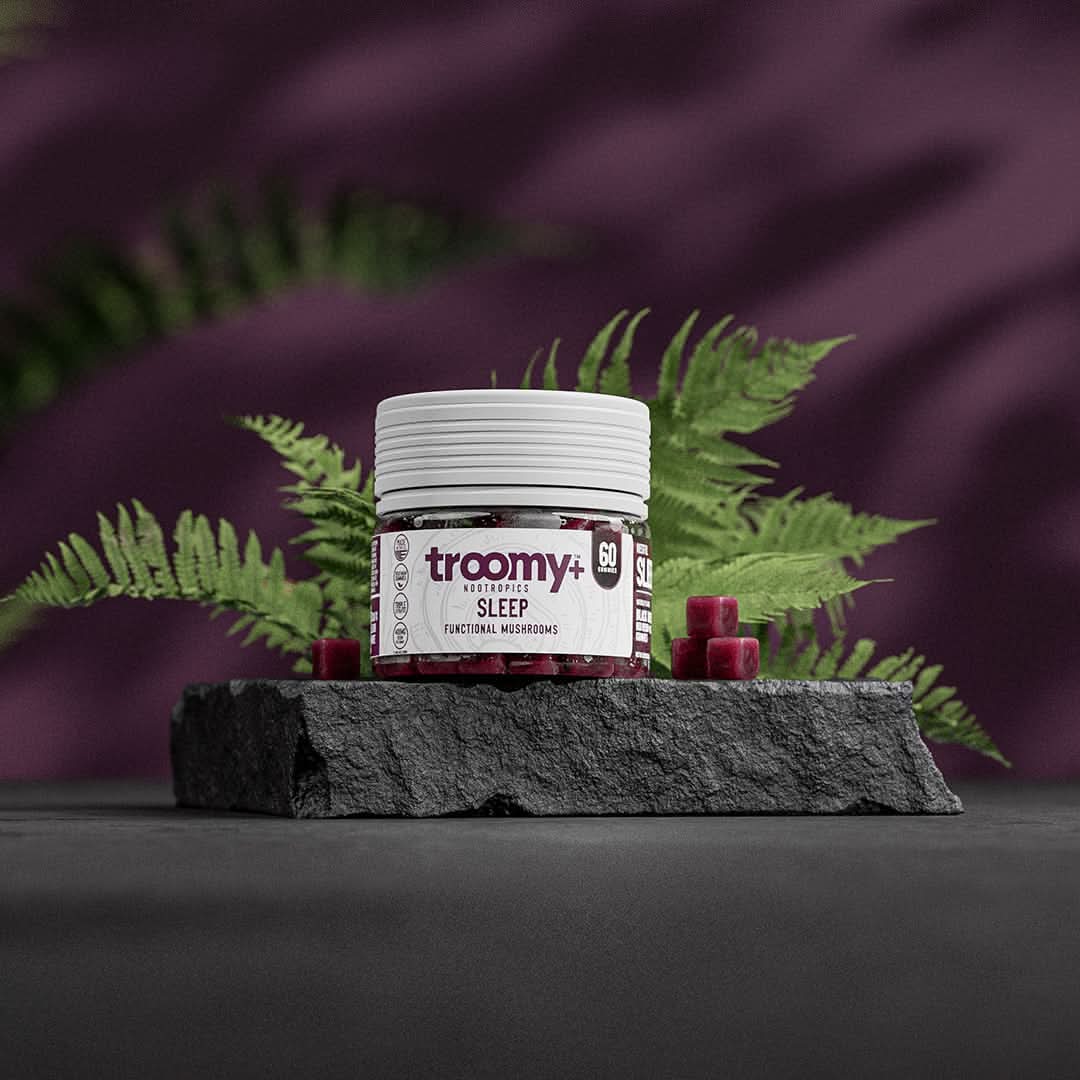
Sleep is shaped by circadian timing, nervous system activity, and the body’s stress response. Reishi mushroom and melatonin are often paired because they support different parts of that system. This page explains what each ingredient is understood to do, what research suggests so far, and how the combination may support a smoother transition into sleep.
Melatonin and the Sleep Wake Cycle
Melatonin is a hormone the body produces in response to darkness. Its primary role is signaling that it is time to prepare for sleep. Melatonin is best known for supporting sleep timing and sleep onset, especially when circadian rhythm is disrupted by late light exposure, travel, or schedule shifts.
Melatonin is not generally described as a traditional sedative. Instead, it functions as a timing cue that helps reinforce the body’s natural sleep schedule.
Reishi and the Stress Arousal System
Reishi (Ganoderma lucidum) has a long history of use in traditional wellness systems. Modern research has explored reishi in the context of stress resilience and nervous system balance. Rather than “knocking you out,” reishi is often discussed as supporting conditions that make sleep more likely, such as reducing stress-driven arousal.
Human research on reishi and sleep outcomes is still developing. The most responsible way to describe reishi in a sleep context is as a potential support for relaxation and recovery that may indirectly influence sleep quality for some people.
Why This Combination Is Common
Melatonin and reishi are paired because they can address different barriers to sleep.
- Melatonin supports sleep timing and helps signal the start of the sleep window.
- Reishi may support a calmer internal state by helping reduce stress-related activation.
- Together they are often used to support both sleep initiation and the ability to settle into sleep.
This is sometimes described as a “supportive” approach. The goal is to create better conditions for sleep rather than forcing sedation.
What This Is and What It Is Not
This combination is not intended to function like a prescription sleep medication. It is not designed to override brain chemistry or induce unconsciousness. It is best understood as support for natural sleep processes, and individual responses can vary.
Who This May Be Most Relevant For
- People who have trouble winding down due to stress or mental “busy-ness.”
- People whose sleep schedule is inconsistent and want stronger nighttime cues.
- People who want a non-stimulant, nighttime-focused routine.
Safety Notes
If you are pregnant or nursing, have a medical condition, or take medications, talk with a licensed healthcare professional before using melatonin or reishi. Melatonin can affect sleep timing and next-day alertness for some individuals. Reishi may not be appropriate for everyone, especially depending on health status and medication use.
Summary
Melatonin supports circadian signaling and sleep onset. Reishi is commonly discussed in relation to stress and nervous system balance, which may indirectly support sleep quality for some people. Their combined use reflects a two-pathway approach: reinforcing the sleep window while also supporting a calmer transition into it.


