



The energy supplement market has one setting: more. More caffeine, more stimulants, more of the same borrow-from-tomorrow formula dressed up with new branding every few months. If you have ever reached for a third coffee and still crashed by 3 p.m., you already know the limitations of that approach. Cordyceps for energy works on an entirely different principle, and it is one of the reasons interest in mushrooms for energy has grown steadily among people who want natural energy without caffeine dependence.
Cordyceps mushroom works at a more fundamental level: supporting the body's own energy production machinery rather than overriding your fatigue signals. No crash on the other side. No jitters. No tolerance building up over time until the same dose stops doing anything. Here is exactly how it works, what the science says, and why a growing number of people are making it a daily habit.
The Science Behind Cordyceps and Energy
To understand why cordyceps supports energy, you need a quick look at how your body actually makes it. Every cell in your body runs on ATP, short for adenosine triphosphate, which is the body's primary energy currency. Your mitochondria produce it continuously, and when that process runs efficiently, you feel it. When it is compromised, you get the kind of fatigue that no extra coffee seems to fix.
A 2020 study published in Mycobiology found that Cordyceps militaris supports cellular energy production through the ATP generation pathway, with researchers concluding that performance improvements are linked to increased ATP production rather than reductions in muscle fatigue markers alone (DOI: 10.1080/12298093.2020.1831135). That is the mechanistic explanation for cordyceps energy support in plain terms: it supports the engine that makes energy in the first place, rather than borrowing from your stress hormones or suppressing your brain's fatigue signals.
This is not a subtle distinction. It is the reason the effect of cordyceps feels fundamentally different from caffeine, and why people who use it consistently tend to notice steady, sustained output rather than a sharp spike followed by a slump.
Why Cordyceps and Caffeine Work Completely Differently
Understanding cordyceps vs caffeine starts with understanding what caffeine actually does. Caffeine works by blocking adenosine receptors in the brain. Adenosine is a signaling molecule that accumulates throughout the day and tells your brain it is time to slow down and rest. Caffeine intercepts that signal, which produces the familiar feeling of alertness for as long as it stays active, typically four to six hours depending on your metabolism.
The tradeoff is well known. When the caffeine clears, all the adenosine that has been building up floods the now-unblocked receptors at once. That is the crash. The mild adrenal stimulation caffeine also triggers is the mechanism behind jitteriness, elevated heart rate, and that wired-but-anxious feeling that sensitive people know well. Over time, the brain adapts to the receptor blockade, which is why the same dose eventually delivers less and you need more to feel the same effect.
Cordyceps does not touch adenosine receptors. It does not stimulate the adrenal glands. There is no crash because there is no borrowed energy to repay, and tolerance does not build the way it does with stimulants because the mechanism is supportive rather than suppressive. The practical tradeoff is that the effect is more gradual and less immediate than an espresso shot. But for people who want consistent energy throughout the day rather than a spike followed by a slump, that gradual quality tends to be exactly what they were looking for.
What the Research Actually Shows
The most rigorous human evidence comes from a 2016 randomized, double-blind, placebo-controlled trial published in the Journal of Dietary Supplements. Researchers found that three weeks of Cordyceps militaris extract supplementation was associated with improved VO2max and extended time to exhaustion in healthy adults (DOI: 10.1080/19390211.2016.1203386). VO2max is the gold-standard measure of aerobic capacity, reflecting how efficiently your body takes in and uses oxygen during sustained effort. Meaningful improvements in healthy adults after just three weeks is a significant result, and it reflects the same ATP and oxygen utilization mechanisms that explain the everyday energy support users report.
A 2021 review published in Foods synthesized findings across multiple studies and documented that cordyceps supports oxygen utilization, demonstrates adaptogenic properties that help the body manage physical stress, and supports reductions in exercise-induced fatigue (DOI: 10.3390/foods10112634). The oxygen utilization component matters particularly for energy: better oxygen delivery to working muscles means more efficient ATP production and less fatigue over time.
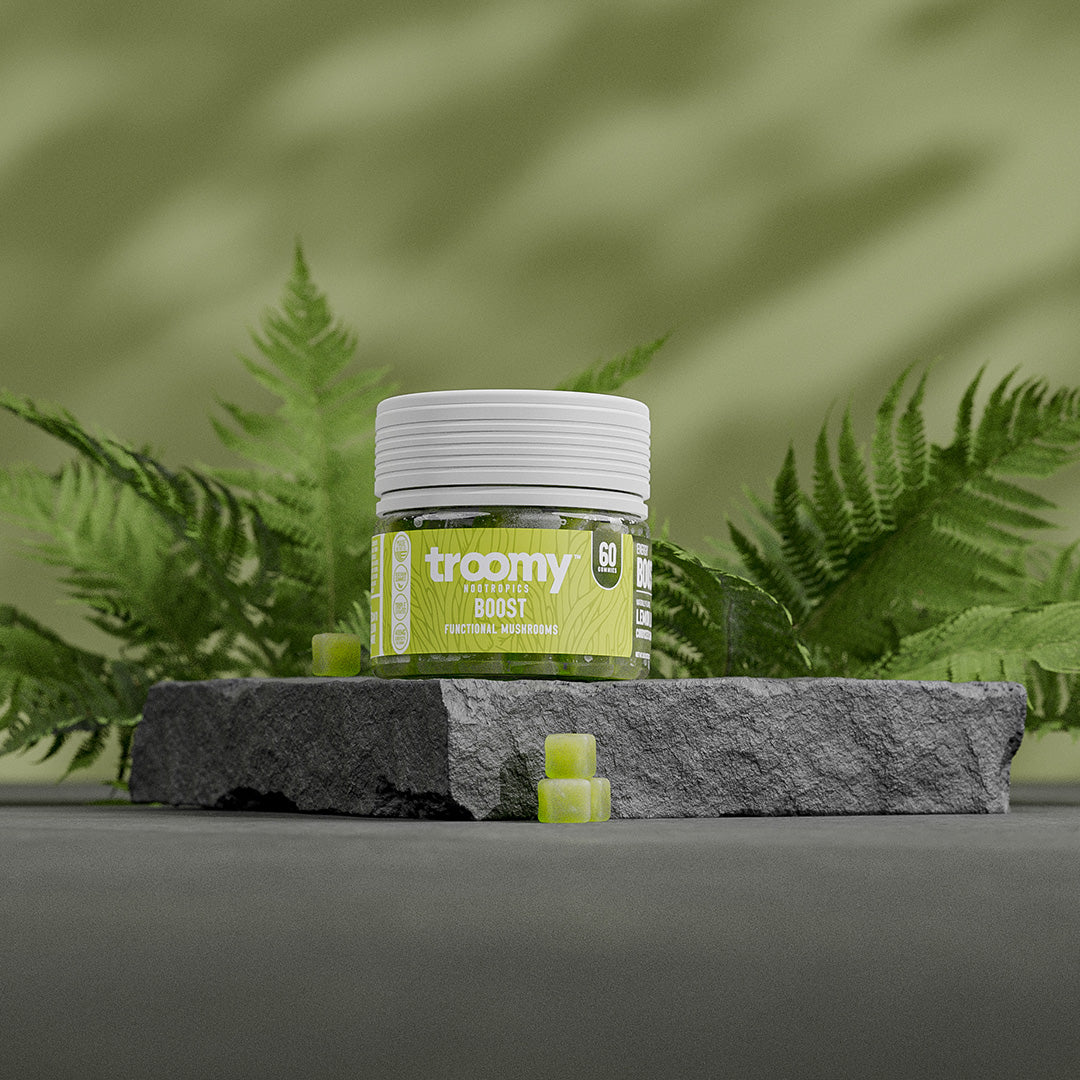
Troomy's Boost Cordyceps Gummies are formulated with triple-extracted Cordyceps militaris, which concentrates the cordycepin and polysaccharides the research consistently identifies as the primary drivers of these effects, and are made in the USA for consistent quality and potency.
Does Cordyceps Work Like Coffee for Your Morning?
Not in the same way, and being upfront about that matters for how you use it. Caffeine delivers a noticeable effect within 30 to 60 minutes and creates a distinct, immediate sense of alertness most people recognize right away. Cordyceps does not replicate that feeling. The cellular and adaptogenic mechanisms through which it supports energy develop over consistent daily use, not in a single dose.
What most people who make the switch notice is not a like-for-like replacement for their morning coffee. It is a gradual reduction in afternoon fatigue, more consistent energy levels throughout the day, and an improved ability to sustain effort without reaching for another caffeinated drink by 2 p.m. For people who rely on coffee primarily to manage fatigue rather than for genuine performance, cordyceps tends to work on the root of the problem rather than temporarily masking it.
Many people land on a middle approach: a single morning coffee for the acute alertness effect, combined with daily cordyceps for the underlying energy support. There is no known interaction between cordyceps and caffeine that would make this problematic, and for people who love their morning coffee but want a better afternoon, it often works well.
The Best Time to Take Cordyceps for Energy
Morning or before physical activity are the two most practical choices. Taking cordyceps in the morning as part of a daily routine builds the consistent cellular energy support that the research reflects, and it sets up the day without any concern about stimulant timing or sleep disruption. Unlike caffeine, there is no window where taking cordyceps is too late in the day.
Taking it 30 to 60 minutes before exercise or demanding physical activity aligns with the oxygen utilization and endurance benefits documented in the 2016 trial. For anyone using cordyceps with athletic performance in mind, pre-workout timing makes sense. For everyday energy support, morning is the simplest habit to maintain.
How Long Does Cordyceps Take to Work?
This is the most common question from people coming off stimulant-based supplements, and the honest answer is that cordyceps is not designed for immediate effect. The research protocols that produced measurable VO2max and endurance improvements ran three to four weeks, and that timeline reflects how the mechanism actually works.
In practice, many people begin noticing more sustained energy and reduced afternoon fatigue within two to three weeks of daily use. The full benefits, particularly around physical endurance and recovery, tend to be more apparent after four to six weeks. That is a different relationship with an energy supplement than most people are used to, but it is also why cordyceps does not come with the dependency and tolerance buildup that chronic caffeine use creates over time.
Those who want to build a complete stimulant-free energy stack will find Troomy's Energy Collection brings together the full range of energy-focused products, including options that pair well with cordyceps for broader daily support.
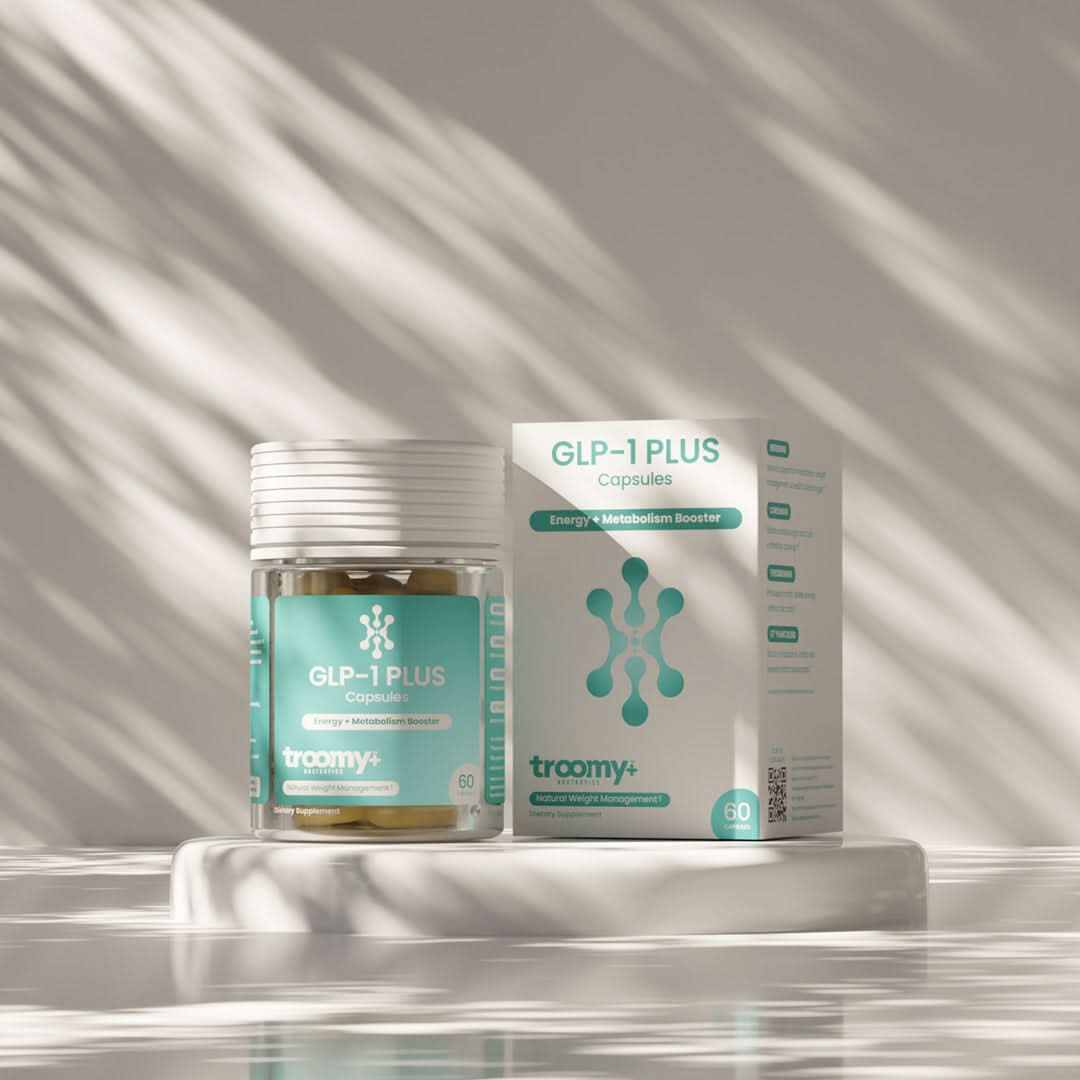
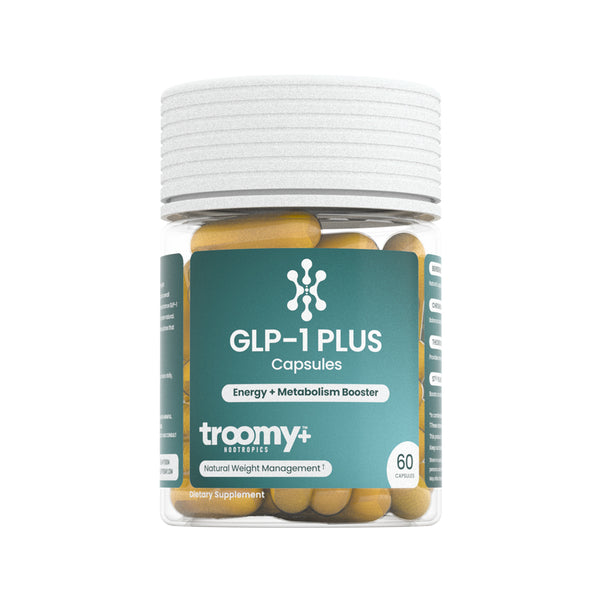
For those whose energy concerns intersect with metabolic health and weight management, Troomy's GLP-1 Plus Energy and Metabolism Booster Capsules address the metabolic side of sustained energy alongside the mitochondrial support cordyceps provides.
Cordyceps is one of the most studied functional mushrooms across the full cordyceps mushroom benefits and uses profile, which extends well beyond energy into immune support, adaptogenic stress response, and endurance — all of which feed back into how energized you feel day to day.
Frequently Asked Questions
Does cordyceps work like caffeine?
No. Cordyceps and caffeine use entirely different mechanisms. Caffeine blocks adenosine receptors to suppress fatigue signals and triggers adrenal activity, which is the source of the jitters and eventual crash. Cordyceps supports ATP production at the cellular level via the ATP generation pathway. The effect is more gradual and sustained, and it does not come with the crash or tolerance buildup associated with caffeine use.
How long does cordyceps take to give energy?
Most research on cordyceps and energy or endurance used supplementation periods of three to four weeks before measuring outcomes. Many people notice improvements in sustained energy and reduced afternoon fatigue within two to three weeks of daily use. Cordyceps is not a stimulant and does not produce an immediate acute effect the way caffeine does.
Can you take cordyceps instead of coffee?
Some people make this switch successfully, particularly those who use coffee mainly to manage fatigue rather than for the immediate alertness effect. Cordyceps does not replicate the jolt of caffeine, but daily use supports more consistent energy levels and reduced afternoon fatigue over time. Many people combine a reduced coffee intake with daily cordyceps for a balanced approach that keeps the morning ritual without the afternoon crash.
Does cordyceps cause jitters?
No. Cordyceps does not stimulate the adrenal glands or the central nervous system the way caffeine does. Jitteriness, elevated heart rate, and anxiety are not associated with cordyceps supplementation in the research literature. This is one of the primary reasons people interested in natural, stimulant-free energy support turn to cordyceps.
These statements have not been evaluated by the Food and Drug Administration. This product is not intended to diagnose, treat, cure, or prevent any disease.


