



No. Cordyceps are not psychedelic. They contain no psilocybin, produce no hallucinations, and are federally legal dietary supplement ingredients in all 50 states. Whether you are asking are cordyceps psychedelic, is cordyceps psychedelic, or simply whether a functional mushroom supplement can get you high, the answer is the same: no, categorically and biochemically. But because this question reflects a genuine and understandable confusion that deserves a clear explanation, this article walks through exactly why the question comes up, what cordyceps actually does in the body, and why it bears no resemblance to psilocybin mushrooms. Cordyceps is a well-researched functional mushroom with a documented profile covering cordyceps mushroom benefits, uses, and how to take it — and none of those documented properties include any psychoactive effect.
The Confusion Starts With One Word: Mushrooms
The word "mushroom" is doing a lot of heavy lifting in popular wellness culture right now, and not always accurately. In common usage, the term has become loosely associated with two very different categories of fungi that have almost nothing in common beyond that general label. The first is the functional mushroom category, which includes species like Cordyceps, Lion's Mane, Reishi, Chaga, and Turkey Tail. These species are used for their documented health-supporting properties and are entirely non-psychoactive. The second is the psychedelic mushroom category, which refers to species containing psilocybin, a controlled substance that produces profound alterations in perception and consciousness.
These two categories have no biochemical overlap. They are different species, different genera, and different chemical profiles entirely. The only thing they genuinely share is the word "mushroom." Conflating them is roughly equivalent to worrying that a glass of grape juice might get you drunk because wine also comes from grapes. The raw materials share a name; the contents and effects are entirely different.
Cordyceps specifically belongs to the genus Cordyceps within the family Cordycipitaceae. It is an entomopathogenic fungus, meaning it naturally parasitizes insects, and has been used in traditional Tibetan and Chinese medicine for over a thousand years. It has never had any documented psychoactive properties across its entire history of use, and modern research has found no mechanism by which it could produce such effects.
What Is Cordyceps Actually Made Of?
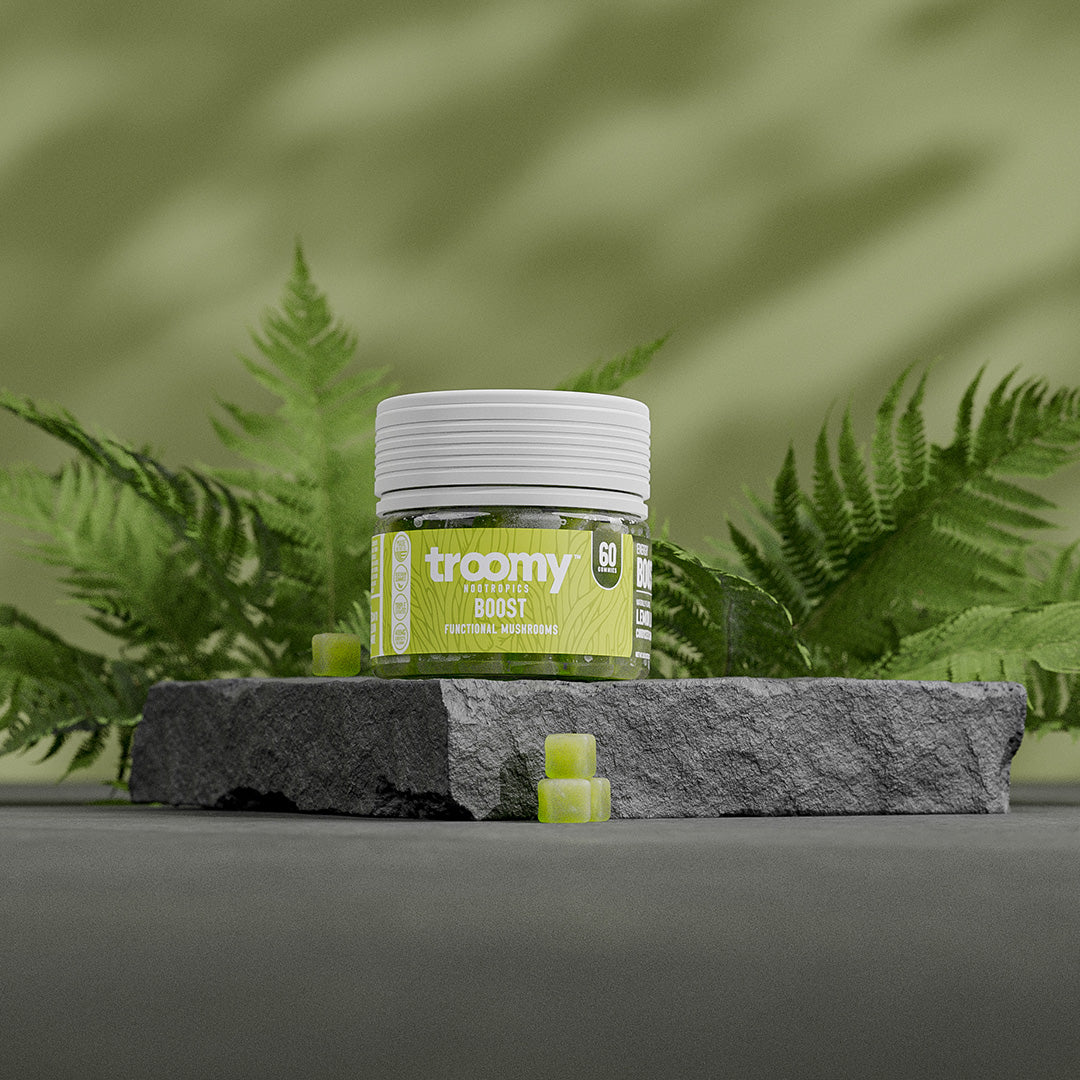
Cordyceps militaris, the cultivated species used in modern supplements including Troomy's Boost Cordyceps Gummies, contains two primary bioactive compounds: cordycepin (3-deoxyadenosine) and polysaccharides including beta-glucans. Cordycepin is an adenosine analog, meaning it shares a structural resemblance with adenosine, one of the building blocks involved in cellular energy transfer. Polysaccharides are immunomodulatory compounds found across virtually all functional mushrooms that support immune function and overall cellular health.
A 2020 study published in Mycobiology found that Cordyceps militaris extract affected biomarkers related to the ATP generation pathway, providing mechanistic support for how cordyceps supports cellular energy production (DOI: 10.1080/12298093.2020.1831135). ATP, or adenosine triphosphate, is the primary energy currency of every cell in the body.
Neither cordycepin nor polysaccharides interact with serotonin receptors, dopamine pathways, or any of the neurochemical mechanisms involved in psychedelic experiences. Psilocybin, by contrast, is a tryptamine that converts to psilocin in the body and acts primarily as an agonist at serotonin 5-HT2A receptors. That serotonergic mechanism is responsible for its psychedelic effects, and it has no equivalent in the chemistry of cordyceps. These are entirely different molecules operating through entirely different biological pathways.
Cordyceps Produces No Psychoactive Effects
Cordyceps does not produce any psychoactive effects. It does not alter perception, induce hallucinations, create euphoria, or change mental state in any way that could be described as getting high. The primary documented effects of cordyceps are physiological: improved aerobic endurance, support for cellular energy production, adaptogenic stress response, and immune modulation. These outcomes are measurable in clinical markers like VO2max, time to exhaustion, and fatigue biomarkers, not in subjective altered states.
It is worth noting what the word "psychedelic" actually means. It specifically describes substances that produce altered states of consciousness through serotonergic or related neurochemical pathways. No peer-reviewed research has ever described cordyceps producing any such effect. The question of whether cordyceps is psychedelic does not make biochemical sense once you understand what it actually does.
A 2021 review published in Foods (DOI: 10.3390/foods10112634) summarized the chemical constituents and biological activities of Cordyceps militaris across its documented history of research. The review confirmed cordyceps' adaptogenic and anti-fatigue properties, its immune-supporting polysaccharide content, and the mechanisms behind its energy-related effects. Psychoactivity was not among the properties discussed, because it has never been observed.
What the Clinical Research Actually Shows
Now that we have established what cordyceps does not do, it is worth understanding what it actually delivers. Cordyceps is one of the most researched functional mushrooms specifically for energy and physical performance, and that research is grounded in real human trials.
A 2016 randomized, double-blind, placebo-controlled trial published in the Journal of Dietary Supplements found that three weeks of Cordyceps militaris supplementation was associated with statistically significant improvements in VO2max and extended time to exhaustion in healthy adults (DOI: 10.1080/19390211.2016.1203386). VO2max, or maximal oxygen consumption, is the gold-standard measure of aerobic capacity and endurance performance. The trial participants were not experiencing altered states of consciousness. They were running longer and breathing more efficiently.
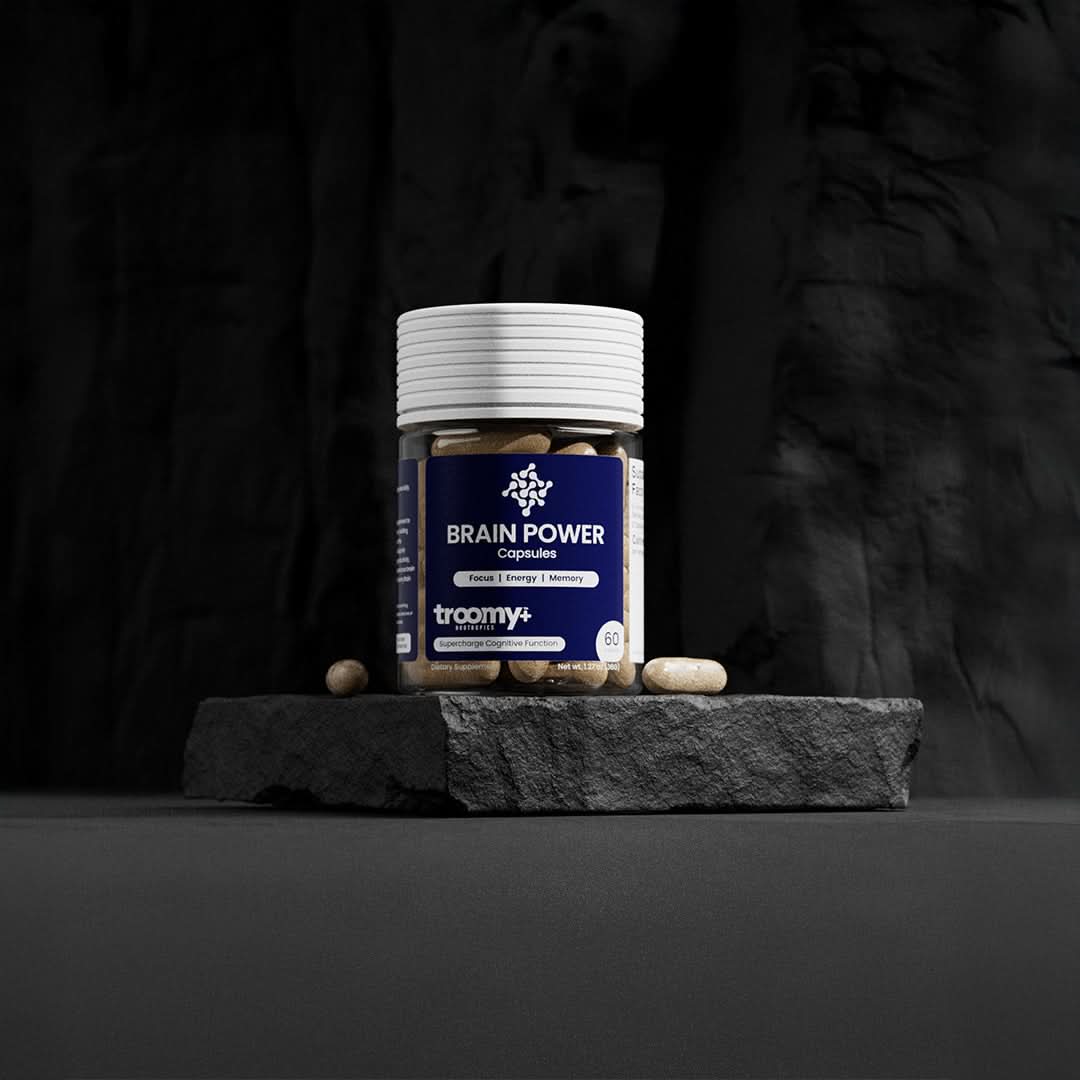
These are measurable, physiological outcomes with a clear mechanistic explanation. Cordycepin's structural similarity to adenosine means it can interact with the same cellular energy pathways, potentially supporting the body's own ATP production machinery rather than stimulating the nervous system artificially. The result is an energy effect that does not carry the hallmarks of stimulants: no spike and crash, no jitteriness, no dependence. Those looking for complementary cognitive support alongside the energy benefits of cordyceps will find Troomy's Brain Health Collection pairs Lion's Mane-based focus support with the cordyceps energy range.
Are Functional Mushrooms Legal?
Yes, universally. Functional mushrooms including Cordyceps, Lion's Mane, Reishi, Chaga, and Turkey Tail are legal dietary supplement ingredients federally and in all 50 states. They are not scheduled substances, not controlled in any way, and are widely available in health food stores, online retailers, and supplement shops across the country. Troomy's products are compliant dietary supplements manufactured in the USA under standard supplement industry regulations.
Psilocybin mushrooms, by contrast, remain a federally controlled substance classified as Schedule I, though some states and municipalities have moved toward decriminalization or limited therapeutic regulation. These are entirely separate legal and botanical categories that happen to share a general common name.
Are Functional Mushroom Gummies Safe?
Functional mushroom gummies, including cordyceps gummies, have a well-established safety profile built on over a thousand years of traditional use and a growing body of modern clinical research. Cordyceps has not demonstrated significant adverse effects in human supplementation research at standard dosages. There is no addiction potential, no tolerance buildup, and no psychoactive risk.
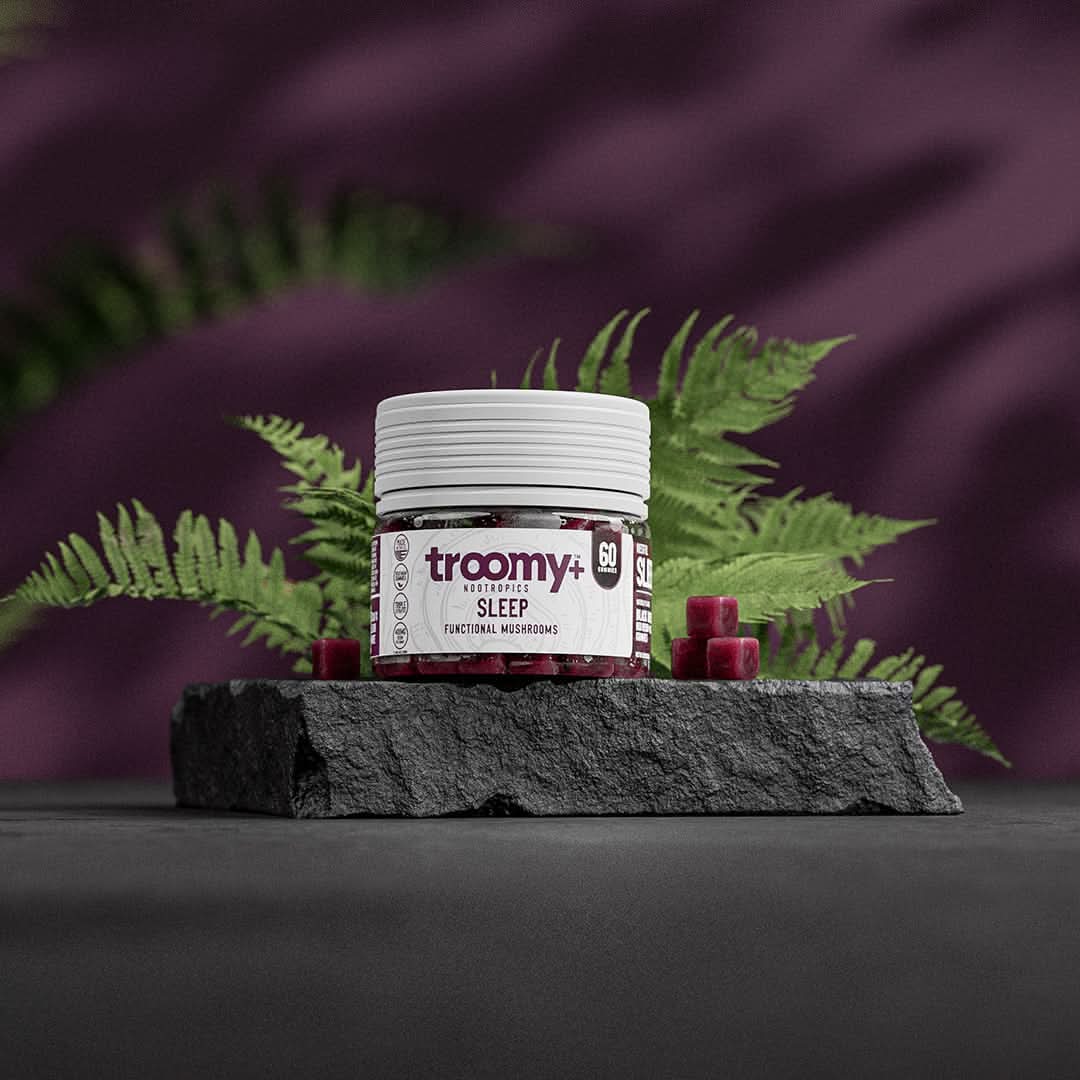
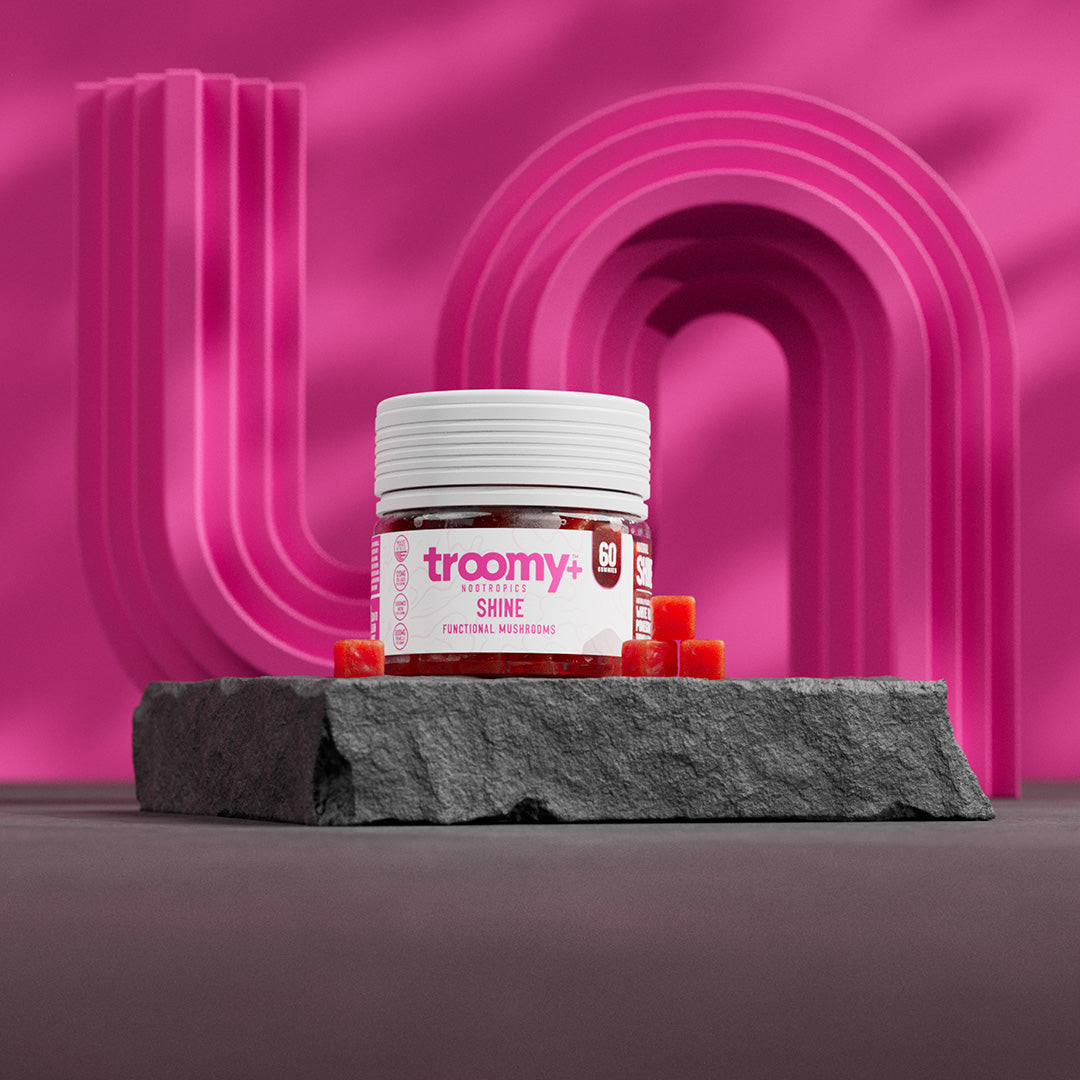
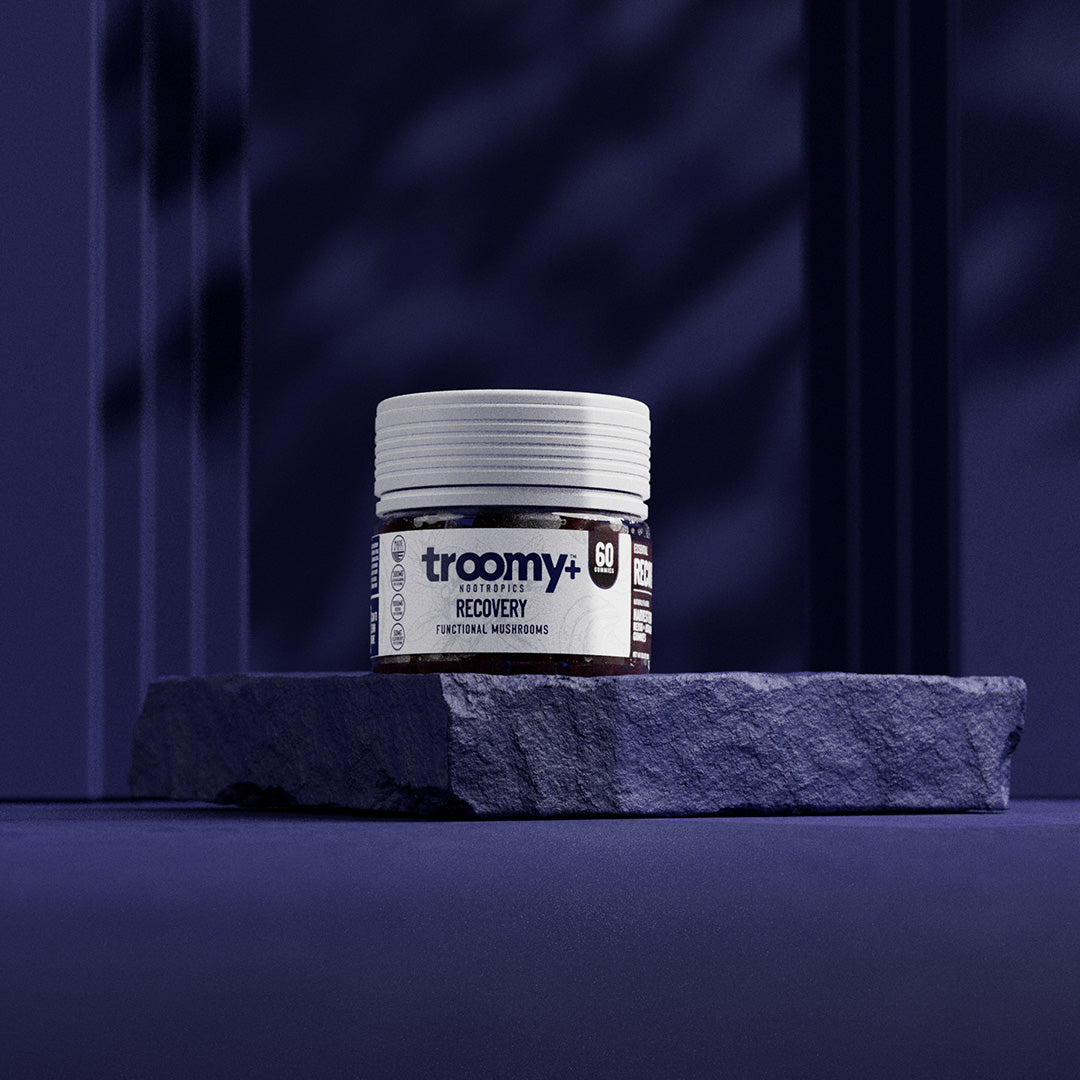
Troomy's products are vegetarian, triple-extracted, made in the USA, and formulated with natural flavors. If you have been curious about trying cordyceps but were uncertain about the safety profile, the Boost Cordyceps Gummies are a reliable and well-formulated starting point that delivers what the research supports: natural energy and endurance support without any of the effects that gave you pause.
Frequently Asked Questions
Are cordyceps psychedelic?
No. Cordyceps contain no psilocybin and produce no psychoactive effects. They are functional mushrooms used for energy and endurance support, not psilocybin mushrooms. They are federally legal dietary supplement ingredients in all 50 states.
Do cordyceps get you high?
No. Cordyceps produce no psychoactive effects. They do not alter perception, induce hallucinations, or create any psychoactive experience. Their documented effects are physiological: supporting cellular energy production, improving aerobic endurance, and providing adaptogenic stress response.
Are mushroom gummies safe?
Yes. Functional mushroom gummies including cordyceps gummies have a well-established safety profile from over a thousand years of traditional use and modern clinical research. They are non-psychoactive, non-habit-forming, and appropriate for most healthy adults as a daily supplement.
Are functional mushrooms legal?
Yes. Functional mushrooms including Cordyceps, Lion's Mane, Reishi, Chaga, and Turkey Tail are federally legal dietary supplement ingredients in all 50 states. They are not controlled substances in any jurisdiction in the United States.
Do cordyceps cause hallucinations?
No. Cordyceps contain no hallucinogenic compounds. The confusion arises from the general association of the word "mushroom" with psilocybin species, but cordyceps and psilocybin mushrooms are entirely different organisms with no biochemical overlap.
These statements have not been evaluated by the Food and Drug Administration. This product is not intended to diagnose, treat, cure, or prevent any disease.


