
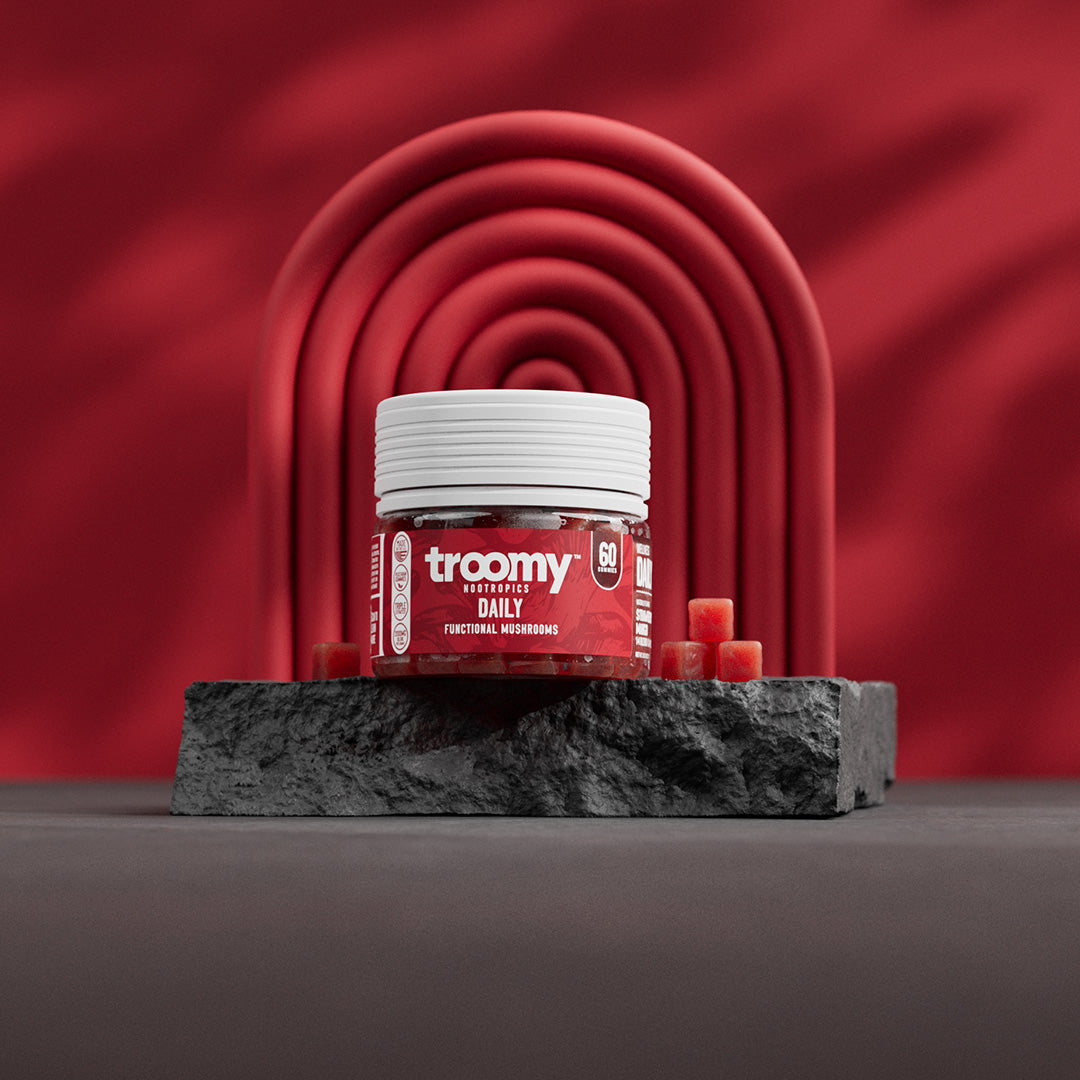
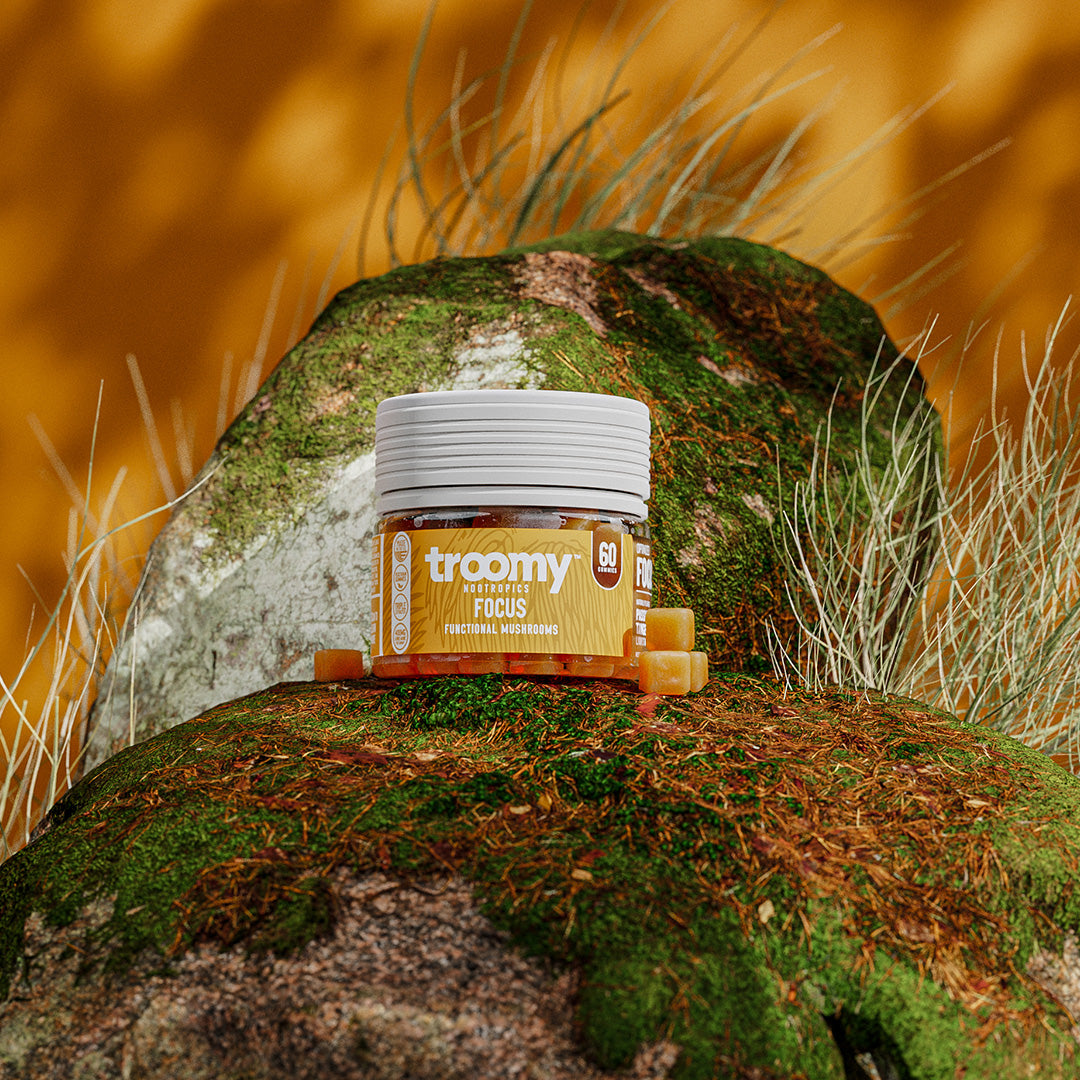
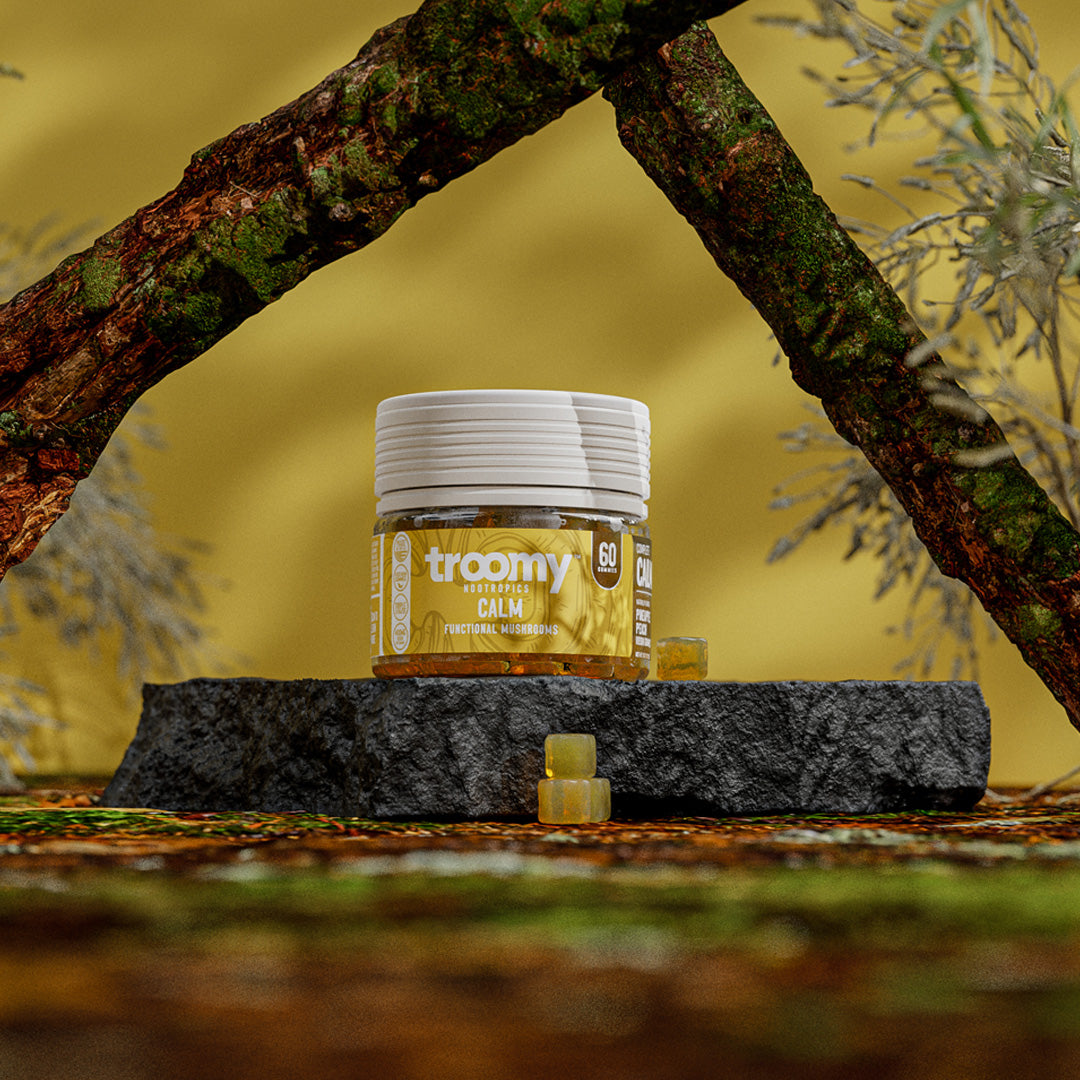
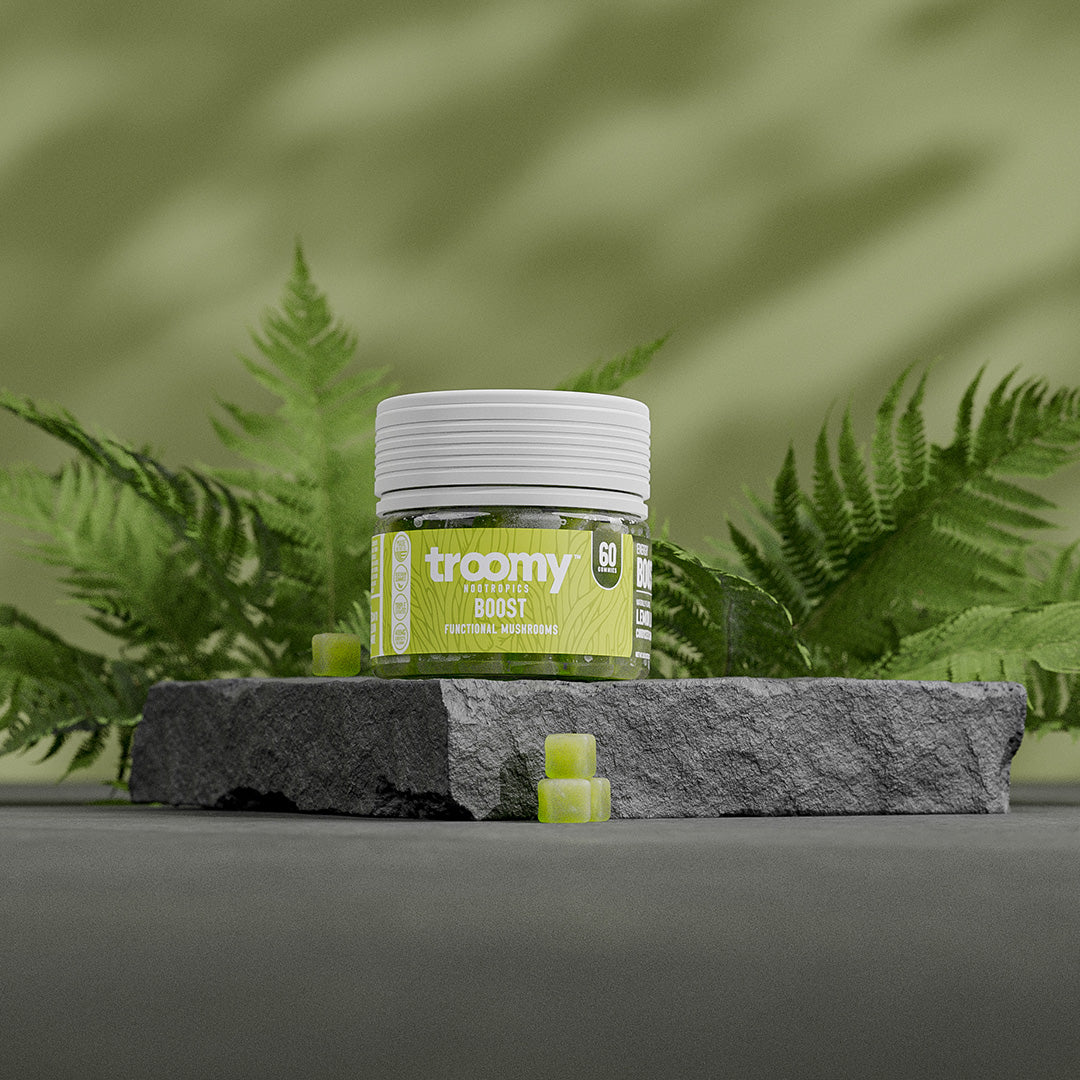



If you've been scrolling through wellness feeds lately, chances are lion's mane has come up more than once. Maybe it showed up in a morning routine, a nootropics deep-dive, or a friend's supplement haul. And you're probably here because you want to know: does it actually do anything?
Short answer: the early research is genuinely exciting. But let's get into the "what," the "why," and the "how much," because lion's mane mushroom is one of the most researched functional mushrooms out there, and it deserves a proper explanation.
What Is Lion's Mane Mushroom?
Lion's mane (Hericium erinaceus) is a white, shaggy-looking mushroom that literally resembles a lion's mane as it grows. It's been used in traditional Eastern medicine for thousands of years, long before we had the clinical research to back up what practitioners already knew intuitively.
What makes it stand out from other functional mushrooms is its unique set of bioactive compounds: hericenones and erinacines. These are the compounds that have drawn the attention of neuroscientists and researchers worldwide because of how they may interact with the brain.
Today, lion's mane is widely available as a supplement in powders, capsules, and gummies, and is one of the most popular functional mushrooms in the wellness world, especially among people looking to support focus, memory, and long-term cognitive health.

What Does Lion's Mane Actually Do?
Lion's mane works differently than most supplements you've probably tried. It's not a stimulant, not a sedative, and not a quick fix for anything. Instead, it works at a more foundational level, supporting the brain's natural ability to function, repair, and grow over time.
Here's a breakdown of the main areas where lion's mane has shown meaningful promise in early research:
Cognitive Function & Mental Clarity
One of the most talked-about lion's mane benefits is its potential to support cognitive function and mental clarity. Early research suggests lion's mane may help stimulate the production of Nerve Growth Factor (NGF), a protein that plays a critical role in the growth, maintenance, and survival of neurons in the brain.
In simpler terms: NGF may help keep your brain cells healthy and communicating effectively. When NGF levels are supported, things like focus, mental sharpness, and cognitive processing may feel more "on." That's why so many people reach for lion's mane as part of their daily focus supplements routine.
An exploratory study published in Biomedical Research suggested that older adults who consumed lion's mane daily showed potentially improved cognitive function scores compared to a placebo group over a 16-week period, though researchers noted the gains appeared to decline when supplementation stopped. Larger studies are needed to confirm these findings.
Memory Support
Does lion's mane help with memory? It's one of the most common questions people have before trying it, and the early research is encouraging.
Because lion's mane may support NGF production and could potentially promote neurogenesis (the growth of new neurons), it has been explored in preliminary research for its possible role in supporting short-term and long-term memory formation. Some animal studies have pointed to improvements in spatial memory and recognition, while limited human research suggests possible positive effects on verbal memory and recall — though more robust trials are needed.
This makes it a popular choice among students, professionals in high-demand roles, and anyone who finds themselves forgetting why they walked into a room more often than they'd like.
Brain Fog Relief
If you've ever spent a whole afternoon staring at a screen without actually absorbing anything, you know how debilitating brain fog can be. Figuring out how to stop brain fog is one of the top reasons people explore nootropics in the first place.
Lion's mane has shown early potential to help with this, with preliminary research exploring how it may support brain health and mental clarity. Some studies have begun examining whether lion's mane may help protect against oxidative stress in the brain, which is thought to contribute to that foggy, sluggish feeling — though findings remain exploratory at this stage.
Most people who use lion's mane for brain fog report that any effects build gradually over a few weeks rather than hitting immediately, which is consistent with compounds that may work at the neurological level.
Mood & Anxiety Support
The lion's mane mushroom benefits may extend beyond focus. A growing body of early research has explored its potential effects on mood and anxiety. One preliminary study published in the Journal of Medicinal Food found that women who consumed lion's mane reported reduced feelings of anxiety and irritability compared to those taking a placebo, though the sample size was small and further research is warranted.
The proposed mechanism is connected to both NGF and the gut-brain axis — lion's mane may support the health of the enteric nervous system (essentially, your gut's nervous system), which has a direct influence on mood regulation. It's not a replacement for mental health treatment, but as a daily support tool, it's an area of ongoing research worth watching.
Nerve & Immune System Support
Lion's mane is also being studied for its potential role in supporting brain health and mental clarity, and some early research explores whether it may help support the nervous system and recovery. Preliminary investigations have begun examining its possible role in protecting against neurodegeneration, though this is still a very active and early area of scientific study with no definitive conclusions yet.
On the immune side, lion's mane contains beta-glucans, polysaccharides that have been explored for their potential to modulate immune function and support the body's natural defenses. This makes it a compelling addition to a daily wellness routine for those interested in well-rounded functional support.

Does Lion's Mane Give You Energy?
This one gets asked a lot: does lion's mane give you energy? The honest answer is: not in the way caffeine does.
Lion's mane is caffeine-free and doesn't stimulate the nervous system directly. What it may do is help reduce cognitive fatigue — the mental exhaustion that comes from heavy thinking, stress, or sustained focus. When your brain is firing more efficiently and experiencing less fog, you may tend to feel more alert and "on" without the jitteriness or crash that comes with stimulants.
So think of it less as an energy booster and more as a potential energy sustainer — one that may help keep your mental output more consistent throughout the day rather than spiking and crashing. For people sensitive to caffeine or just trying to cut back on energy drinks, this makes lion's mane a compelling area to explore.
How to Take Lion's Mane: Dosage & Tips
One of the most common questions is: how much lion's mane per day? And the follow-up: how much lion's mane is too much?
Here's what the early research and general supplement guidance suggest:
Lion's Mane Dosage: What's Typical?
Most lion's mane studies have used doses ranging from 500mg to 3,000mg per day, with many landing in the 1,000–1,500mg range as an exploratory daily target for cognitive support. The right lion's mane dosage for you can depend on the form you're taking (extract vs. whole powder), the concentration, and your individual body chemistry.
For gummies specifically, pay attention to whether the product uses a full-spectrum extract or a whole mushroom powder — extract tends to be more bioavailable and concentrated, so the per-gummy dose may look lower but deliver comparable results.
How Much Lion's Mane Is Too Much?
Lion's mane is generally considered very safe with a strong tolerability profile in early research studies. There's no established toxic upper limit, and adverse effects in studies have been minimal. That said, as with any supplement, it's always smart to start within the recommended serving size and check with your healthcare provider, especially if you're pregnant, nursing, or on medication.
A small number of people have reported digestive sensitivity at high doses. If you're new to functional mushrooms, starting with a standard serving and working up gradually is always a solid approach.
When to Take It
Because lion's mane may work primarily by supporting cognitive function and neurological health over time, consistency is key. Most people take it in the morning to potentially support focus and mental clarity throughout the day, though there's no hard rule — it doesn't contain stimulants, so it's unlikely to disrupt sleep.
The most important thing is making it a daily habit. Any benefits of lion's mane are thought to be cumulative, not immediate. Most people report noticing meaningful differences after 2–4 weeks of consistent use.
What Form Should I Take It In?
Lion's mane supplement options have exploded in recent years. You'll find it in:
-
Powders (great for mixing into coffee or smoothies, but requires prep)
-
Capsules (convenient, portable, easy to dose consistently)
-
Gummies (easy to take, often triple-extracted for bioavailability, and truly enjoyable)
-
Tinctures and liquid extracts (fast absorption, but stronger taste)
The best lion's mane supplement is ultimately the one you'll take every day. If a capsule feels like a chore or a powder requires too much effort on busy mornings, a gummy format is a genuinely great solution for building the habit. Troomy's Focus gummies are triple-extracted, fruit-forward, and made with 400mg of lion's mane extract per gummy — an easy way to make this powerhouse mushroom a daily non-negotiable.

Who Is Lion's Mane Best For?
Lion's mane is one of those rare supplements that may have something to offer a wide range of people. Here's where it tends to show early promise:
-
Students and heavy learners: Potentially supporting memory formation and mental clarity during high-study periods.
-
Professionals in demanding roles: Maintaining cognitive endurance across long workdays without relying on stimulants.
-
Anyone dealing with brain fog: Whether it's from stress, poor sleep, or just the general noise of daily life.
-
Wellness beginners exploring nootropics: It's a clean, approachable starting point with a strong early safety profile and interesting proposed mechanisms.
-
People interested in long-term brain health: Early research explores its potential role in supporting brain health and mental clarity, making it a compelling option not just for today's focus, but as a long-game investment in cognitive wellness.
What Does the Research Actually Say?
Lion's mane is one of the most studied functional mushrooms, but it's also important to be real about where the science currently stands.
The most compelling evidence comes from animal studies and a handful of small, exploratory human trials. Here's a quick snapshot of what's been studied so far:
-
Cognitive function in older adults: An exploratory 2009 double-blind trial found potentially improved cognitive scores in adults aged 50–80 who took lion's mane supplements daily for 16 weeks, though the study was small and larger trials are needed to replicate the findings.
-
Anxiety and mood: A preliminary study in the Journal of Medicinal Food suggested that women who consumed lion's mane cookies for four weeks reported reduced anxiety and irritability, though the sample was small and results should be interpreted cautiously.
-
NGF stimulation: Multiple in vitro and animal studies have begun exploring whether lion's mane compounds (specifically hericenones and erinacines) may stimulate NGF synthesis, with results that researchers consider promising.
-
Neurodegeneration research: Some early, preliminary research has explored lion's mane in the context of Alzheimer's disease and peripheral nerve injury, showing possible but very early-stage results that require much more investigation.
The honest caveat: most human studies are small and short-term. Lion's mane research is growing quickly, but we're still in early days for large-scale clinical evidence. What exists is genuinely encouraging and the safety profile looks strong — which makes it a reasonable daily add for most healthy adults interested in exploring functional mushrooms.
What to Look for in a Lion's Mane Supplement
The functional mushroom supplement market has grown fast, which means quality varies a lot. Here's what to keep in mind when evaluating your options:
-
Fruiting body vs. mycelium: Look for products that use the mushroom's fruiting body or a blend of fruiting body and mycelium. Fruiting bodies tend to contain higher concentrations of the active compounds.
-
Extraction method: Triple extraction (or dual hot water/alcohol extraction) is the gold standard for maximizing bioavailability of active compounds like beta-glucans and hericenones.
-
Transparency: Clean labels with no unnecessary fillers, artificial colors, or undisclosed "proprietary blends" where you can't see actual dosages.
-
USA manufacturing: Domestic manufacturing standards tend to be stricter. Look for brands that are transparent about where their products are made.
-
Form factor that works for your life: The best supplement is the one you'll actually take consistently.

Frequently Asked Questions
Is lion's mane safe to take every day?
Based on early research, lion's mane appears to have a well-established safety profile with minimal reported side effects in studies conducted so far. Like any supplement, it's smart to consult your healthcare provider if you have underlying health conditions or take medications.
Will lion's mane make me feel high or trippy?
Not at all. Lion's mane is a functional (adaptogenic) mushroom, not a psychedelic. It has zero hallucinogenic properties. The only "effect" you might notice over time is feeling sharper, more focused, and less foggy — and even those effects vary by individual.
How long until I notice a difference?
In early research and anecdotal reports, people often note cognitive changes after 2–4 weeks of consistent daily use. Some notice subtle improvements in focus earlier. Because lion's mane is thought to support neurological health over time, patience and consistency are key.
Can I stack lion's mane with other supplements?
Lion's mane is often paired with other adaptogens and nootropics. Common stacks include cordyceps (for energy support), reishi (for calm), and nootropic blends that include L-Theanine or B vitamins for cognitive support. Always check with a healthcare provider before stacking supplements.
Does lion's mane have caffeine?
No. Lion's mane is naturally caffeine-free. It may support mental clarity and help reduce cognitive fatigue without any stimulant effect.
The Bottom Line on Lion's Mane Mushroom
Lion's mane is a supplement with a compelling body of early research behind it. It's not a shortcut to a sharper brain overnight — it's a long-term investment in cognitive wellness that may work better the more consistently you use it. From memory support to brain fog relief to mood regulation, the lion's mane mushroom benefits cover a lot of promising ground in a clean, caffeine-free, plant-based package.
If you're ready to explore lion's mane as part of your daily routine, the key is finding a form you'll actually stick with. For a convenient, great-tasting option that doesn't feel like homework to take every morning, lion's mane gummies are hard to beat. Look for triple-extracted, organically made options with transparent ingredient sourcing. Your future, sharper self will thank you.
Find your True Me. Start with lion's mane.
These statements have not been evaluated by the Food and Drug Administration. This product is not intended to diagnose, treat, cure, or prevent any disease.


