



Sleep is the single most overlooked lever in wellness. We spend money on protein powders, fitness trackers, and skincare routines, but when it comes to the thing our body does for roughly a third of every day, most of us just hope for the best. And the data backs up the struggle. According to the Centers for Disease Control and Prevention, about one-third of U.S. adults do not get enough sleep on a regular basis, which is a pattern that has stayed stubbornly flat from 2013 to 2022.
If that sounds like you, there is a good chance you have already tried a sleep aid or two. Melatonin. Tea. A phone-free hour before bed. And maybe, like a lot of people, you gave it a week, did not feel a dramatic shift, and moved on. That is the pattern we are here to break.
This article is a 90-day guide to what actually happens when you commit to a functional mushroom sleep routine, specifically with Troomy Sleep gummies, and treat it the way the research says real habits form. We are going to walk through the science of habit building, the ingredients doing the heavy lifting inside Troomy Sleep, and a realistic timeline of what to notice at each stage. No hype, no quick-fix promises. Just a clear picture of the process so you can show up for it.

Why Does Consistency Matter More Than Any Single Sleep Aid?
Here is the part most supplement brands gloss over. Your body does not respond to a one-off dose of anything the way it responds to repetition. That is true for training, nutrition, hydration, and supplementation, and it is especially true for sleep support. Sleep is a pattern. The body learns what to expect based on what you do consistently around bedtime. Cues matter. Timing matters. Repetition matters.
A landmark 2010 study by Phillippa Lally and colleagues at University College London, published in the European Journal of Social Psychology, found that it takes an average of 66 days for a new behavior to become automatic, with a range from 18 to 254 days depending on the person and the behavior. That is why the Troomy Sleep System is built around a 60 to 90 day window. It is not a marketing choice. It is roughly where habit research says automaticity kicks in.
The other important finding from that research: missing a single day does not reset your progress. Automaticity dips only slightly and picks back up with the next repetition. So if life gets in the way once in a while, you are not starting over. You are just getting back to it.
That reframe is the whole philosophy behind the Troomy Sleep System. Wellness does not work when it is casual. It works when you show up for it, day after day, and give your body the chance to respond. Reishi mushroom and melatonin, the two stars of Troomy Sleep, are exactly the kind of ingredients that reward that kind of consistency.
What Is Actually Inside Troomy Sleep Gummies?
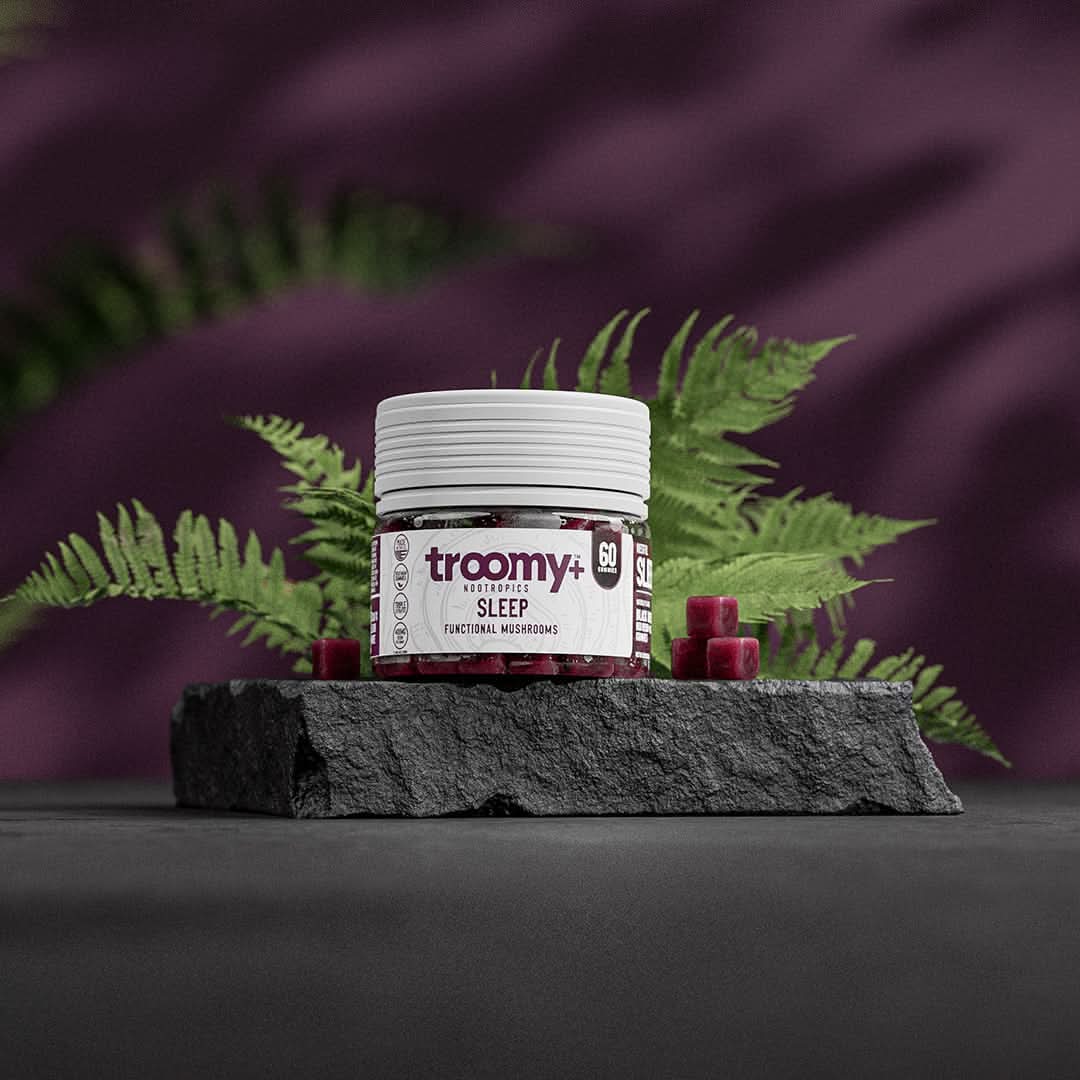
Before we get into the 90-day timeline, it helps to understand what you are taking. Troomy Sleep is a black raspberry flavored gummy built around a blend of reishi mushroom extract, melatonin, passionflower, lemon balm, and chamomile. Each one plays a specific role, and together they are designed to support the full arc of falling asleep, staying asleep, and waking up without that groggy hangover.
What Does Reishi Mushroom Do for Sleep?
Reishi, also called Ganoderma lucidum, has been used in Eastern wellness traditions for thousands of years and is often called the mushroom of immortality. In modern terms, it is an adaptogenic mushroom, meaning it helps the body adapt to stress and regulate internal balance. In a sleep context, reishi is associated with supporting a natural sense of calm, helping the nervous system wind down, and promoting the kind of relaxation that lets sleep happen on its own. For a deeper dive into the science, Troomy has a full guide on how reishi mushroom and melatonin work together for sleep support that breaks it down in more detail.
Why Pair Reishi With Melatonin?
Melatonin is the hormone your body naturally produces as evening approaches to signal that it is time to sleep. A small supplemental dose can help reinforce that signal, especially for people whose schedules, screen habits, or stress levels push their natural rhythm out of sync. Reishi and melatonin together give you two angles on the same problem. Melatonin nudges the timing. Reishi supports the body-wide calm that lets sleep actually land. This is the core logic behind why sleep gummies are the easiest way to fall asleep faster for a lot of people who have tried melatonin alone and found it underwhelming.
What About Passionflower, Lemon Balm, and Chamomile?
These three botanicals are classic calming herbs used in teas, tinctures, and traditional formulas all over the world. In Troomy Sleep, they round out the blend by supporting the relaxed, low-arousal state the body needs to drift off. You can think of melatonin as the timer, reishi as the foundation, and the herbal trio as the gentle finish.
Every Troomy gummy, including Sleep, is triple extracted, made in the United States, vegetarian, and blended in small, portable 30 and 60 count jars. If you want to explore the full lineup of bedtime support products, the collection page walks through each option.

What Happens in 90 Days of Consistent Troomy Sleep Use?
This is the core of the guide. We are going to walk through the 90-day timeline stage by stage, grounded in what we know about how the body adapts to sleep support and how habits get built. Think of it as what to watch for, not what to expect on a specific day. Every body is different, and the Lally research is very clear that the window for habit automaticity is wide.
Days 1 to 7: The Settling-In Phase
The first week is mostly about ritual. You are taking two gummies about 30 minutes before bed, same time each night, and starting to attach the habit to an existing anchor like brushing your teeth or turning off the main lights. In these early days, most people notice two things: a quicker wind-down and the feeling of being genuinely ready for bed when they lie down.
What you are probably not noticing yet: dramatic, measurable changes in total sleep duration or deep sleep percentages. That is normal and completely fine. Week one is foundational. It is the part where your brain starts to associate the evening gummy with slowing down, and that association itself is powerful.
A few things that help this phase stick: take your gummies at roughly the same time every night, keep the bottle somewhere visible, and avoid treating a skipped day as a failure. One missed day, per the UCL habit research, does not meaningfully reset the process.
Days 8 to 21: The Rhythm Phase
Weeks two and three are where the routine starts to feel less like a task and more like something you just do. This is the stage where taking your Troomy Sleep gummies becomes part of the evening landscape rather than a separate decision you have to make every night.
Most people in this window report that falling asleep feels easier, middle-of-the-night wakeups start to feel shorter, and mornings feel less rough. Reishi is a slow and steady worker. Unlike stimulants that hit hard and fade fast, adaptogens like reishi tend to show their value the longer they are in your routine. If you want the deeper science on this, our guide on supporting better sleep habits with reishi mushrooms is a good next read.
Pay attention to how you feel during the day, not just at night. Better sleep tends to show up as steadier energy, calmer mood, and fewer afternoon crashes. Those are the earliest daytime signals that the nighttime routine is doing its job.
Days 22 to 45: The Automaticity Phase
Somewhere in this window is where habit research says most people cross the threshold from conscious effort to automatic behavior. You will know it when you notice you have been taking your gummies for a week straight without having to remind yourself. At this point, the routine has its own momentum.
From a physiological standpoint, this is also the phase where the cumulative effect of daily reishi and the nightly reinforcement of a consistent sleep schedule really start to compound. A lot of users describe this as the phase where sleep stops being something they think about and becomes something their body just does reliably. Fall-asleep time shortens. Sleep feels deeper. Mornings are noticeably easier.
This is a good checkpoint to ask yourself what else you could tighten up. Are you still scrolling in bed? Eating late? Having caffeine after 2 p.m.? The gummies are doing their part. Stacking them with the obvious sleep hygiene basics multiplies the effect. If you are curious about layering other functional mushrooms, our explainer on building a 24-hour wellness routine with mushroom gummies lays out how to connect morning and evening rituals.
Days 46 to 66: The Compounding Phase
This is the window where the UCL habit research puts the average person at full automaticity, around day 66. By this point, your evening gummy is not a discipline problem anymore. It is just what you do. And your body knows it.
What tends to show up in this phase is subtle but meaningful. Less variation night to night. Fewer outlier evenings where you toss and turn for an hour. A more predictable pattern of when you get tired and when you wake up. Adaptogens like reishi are known for supporting that kind of regulation, which is part of why they have been used in traditional wellness systems for centuries as daily tonics rather than acute remedies.
The other thing a lot of people notice in this phase is a clearer sense of what their actual baseline feels like. Sleep-deprivation has a way of masking the real you. Once your body has been getting consistently better rest for a couple months, that baseline starts to come back into focus. More patience. More creativity. Calmer reactions to stress. Better recovery from workouts. None of that is marketing. It is just what happens when you stop underselling your own recovery.
Days 67 to 90: The Integration Phase
The final third of the 90-day window is less about building the habit and more about letting it become part of who you are. This is the phase where taking your Troomy Sleep gummies is no different from brushing your teeth. You do not think about it. You just do it.
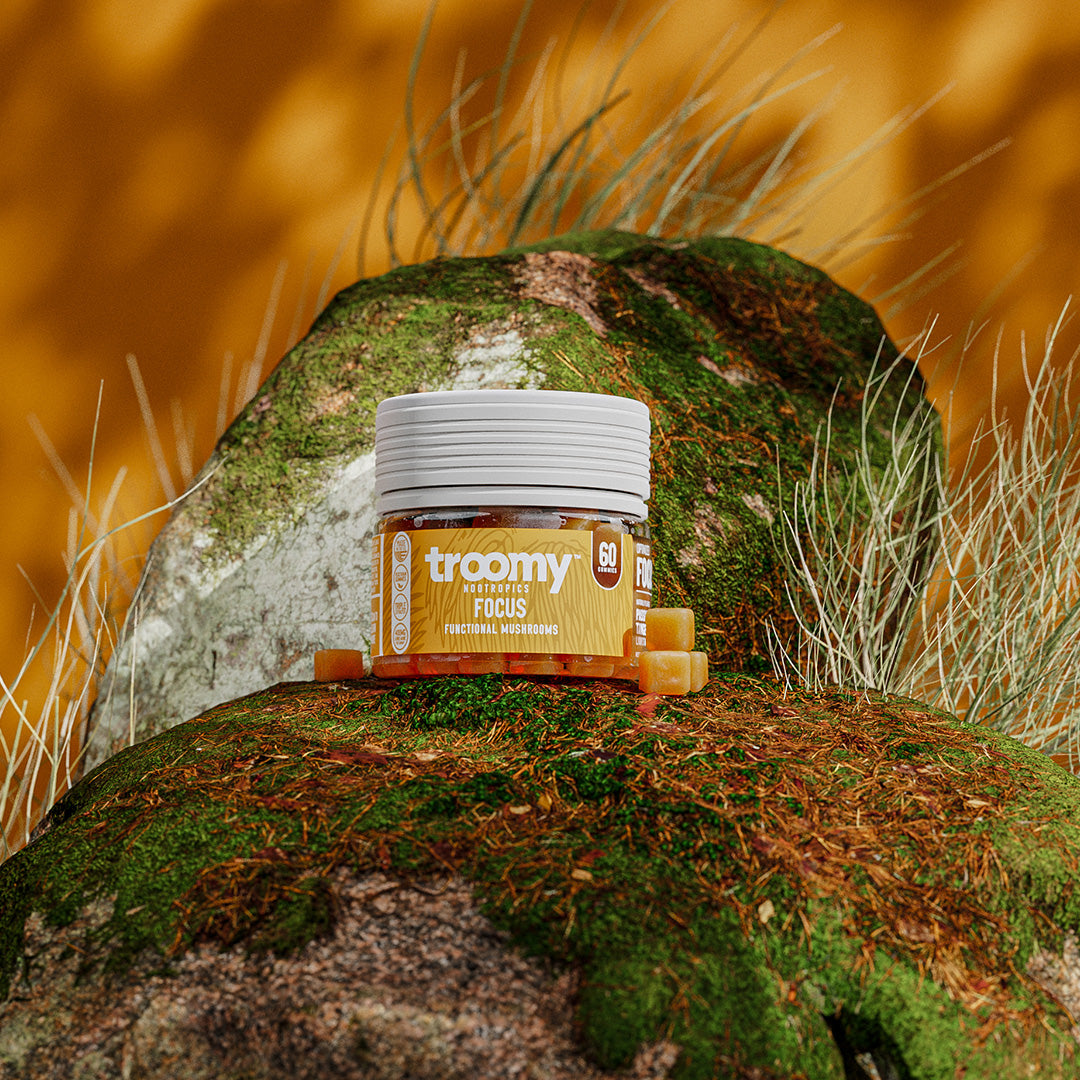
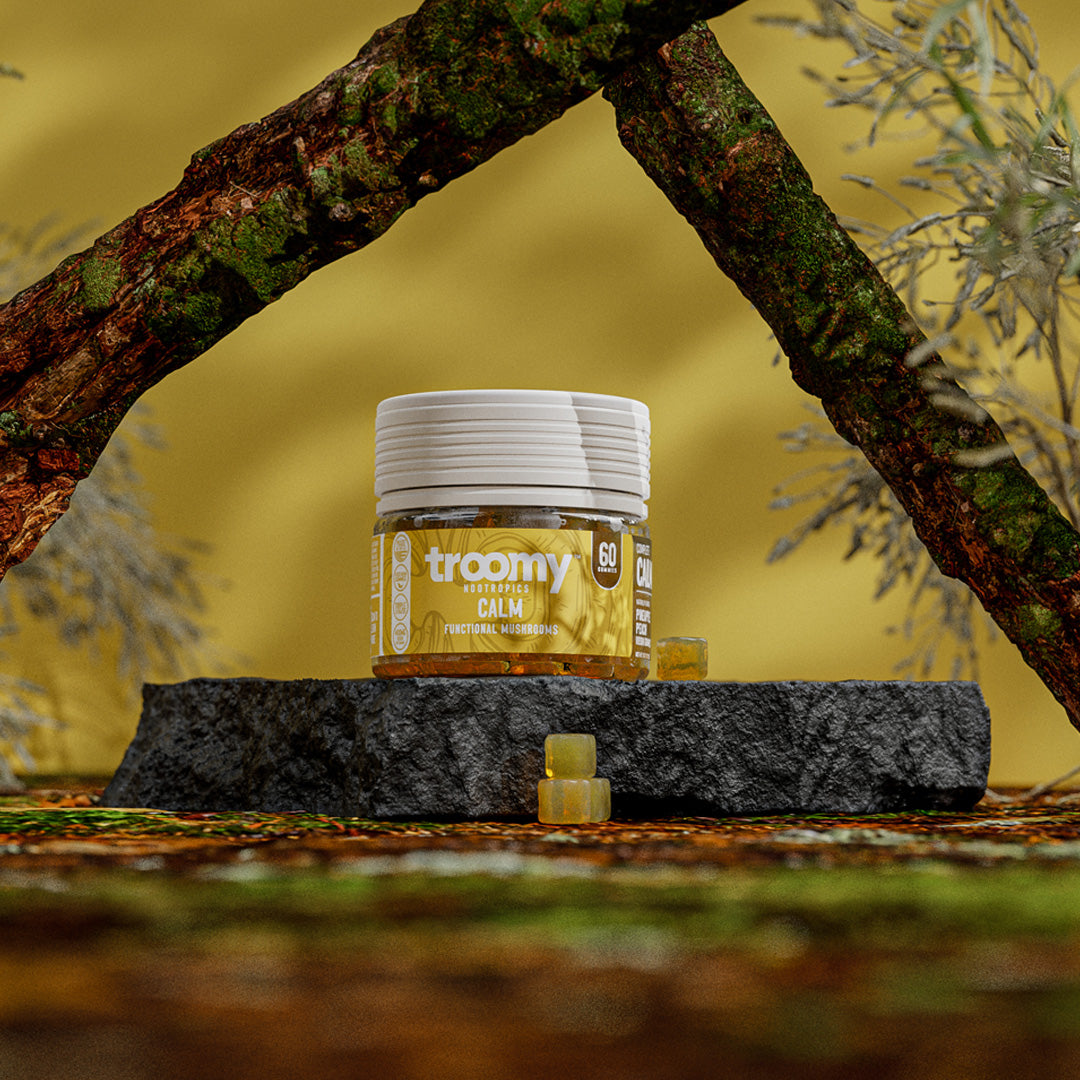
It is also where you start to see how sleep ripples outward. Skin tends to look better when you are consistently rested. Workouts feel stronger. Decision-making gets sharper. Mood is steadier. If you have been taking Troomy Sleep alongside other routines, this is a good time to reassess the whole picture. Some people layer in Calm reishi gummies during the day for stress support, or Focus lion's mane gummies in the morning for cognitive clarity. For a curated combination, the Troomy bundles collection includes multi-product options built around specific daily routines.
The goal at this point is not to keep hunting for the next thing. It is to protect the habit you just built. Ninety days of consistent sleep support is genuinely transformative, and the easiest way to keep that momentum is to keep showing up.

Why Does the Troomy Sleep System Work Better Than Trial-and-Error?
Most sleep aid experiences fail for the same reason. You buy a bottle, take it for a week, do not feel a dramatic shift, and stop. The body never gets a fair shot at the ingredients, and the habit never has a chance to form. The Troomy Sleep System is designed around the opposite assumption: that results show up over 60 to 90 days of daily use, that habits need structure, and that consistency is the real active ingredient.
A few things make the system work in practice. The gummies actually taste good, which sounds small but matters a lot. People do not stick with things they hate. Troomy Sleep is a natural black raspberry flavor that people enjoy taking. The product is dosed once per day at the same time, which reduces cognitive load. The ingredients, led by reishi, are the kind that reward repetition rather than demanding bigger and bigger doses. And the whole system is built on the idea that wellness is a practice, not a phase.
If you want the broader context on why daily functional mushroom use is so different from the pattern of starting and stopping supplements, our guide on what mushroom gummies teach you about patience in wellness is a great complement to this one.
How Do You Actually Build This Routine Without Overthinking It?
Here is the stripped-down version. You do not need a complicated system. You need two gummies, a time of night, and an anchor.
Pick a time roughly 30 minutes before you want to be asleep. That gives the ingredients a window to start working. Attach the act of taking your gummies to something you already do every night without thinking, like shutting down your laptop, locking the front door, or starting your skincare routine. That anchor is doing a lot of the heavy lifting when it comes to forming the habit.
Keep the bottle where you will see it. Bathroom counter, nightstand, wherever your eyes land during your wind-down. And if you miss a night, take them the next night and keep going. The research is clear that a single missed day does not reset the process. Do not let one off day become a week.
That is the whole routine. Two gummies, same time, anchored to something you already do. Ninety days of that is what the Troomy Sleep System is built around, and it is what lets the reishi, melatonin, and herbal blend actually deliver on their potential.

Frequently Asked Questions
How long should I take Troomy Sleep before I see results?
Most people notice some shift in the first week, but the Troomy Sleep System is built around a 60 to 90 day window because that is roughly where habit research says consistent behaviors become automatic. Reishi in particular is an adaptogen that rewards repetition, so the best results show up after several weeks of daily use rather than a single dose.
Can I take Troomy Sleep every night, long term?
Troomy Sleep is formulated for daily use. Reishi mushroom has a long history of being used as a daily tonic in Eastern wellness traditions, and the melatonin dose is designed to be supportive without being excessive. As with any supplement, if you are pregnant, breastfeeding, taking medications, or managing a medical condition, check with your healthcare provider before adding it to your routine.
What is the difference between Troomy Sleep and regular melatonin?
Plain melatonin only addresses the timing signal for sleep. Troomy Sleep pairs melatonin with reishi mushroom, passionflower, lemon balm, and chamomile, which support the broader calm and relaxation your body needs to actually let sleep happen. Many people who find melatonin alone underwhelming notice a meaningful difference with the combination approach.
Will Troomy Sleep make me feel groggy in the morning?
Most users report the opposite, which is one of the main reasons people switch to a reishi-based sleep aid. The blend is designed to support natural sleep patterns rather than knocking you out, so mornings tend to feel clearer rather than heavier. If you find any sleep aid leaves you groggy, lowering the dose or taking it slightly earlier in the evening usually helps.
How many gummies should I take?
The suggested serving is two gummies taken about 30 minutes before bed. The 60-count jar gives you a full 30-day supply, which aligns well with the Troomy Sleep System's 60 to 90 day consistency window.
Are Troomy gummies vegetarian?
Yes. All Troomy gummies are vegetarian and made in the United States with triple-extracted mushroom ingredients. Troomy Sleep specifically is made with organic tapioca syrup, pectin, and natural flavors and colors.
Can I combine Troomy Sleep with other Troomy products?
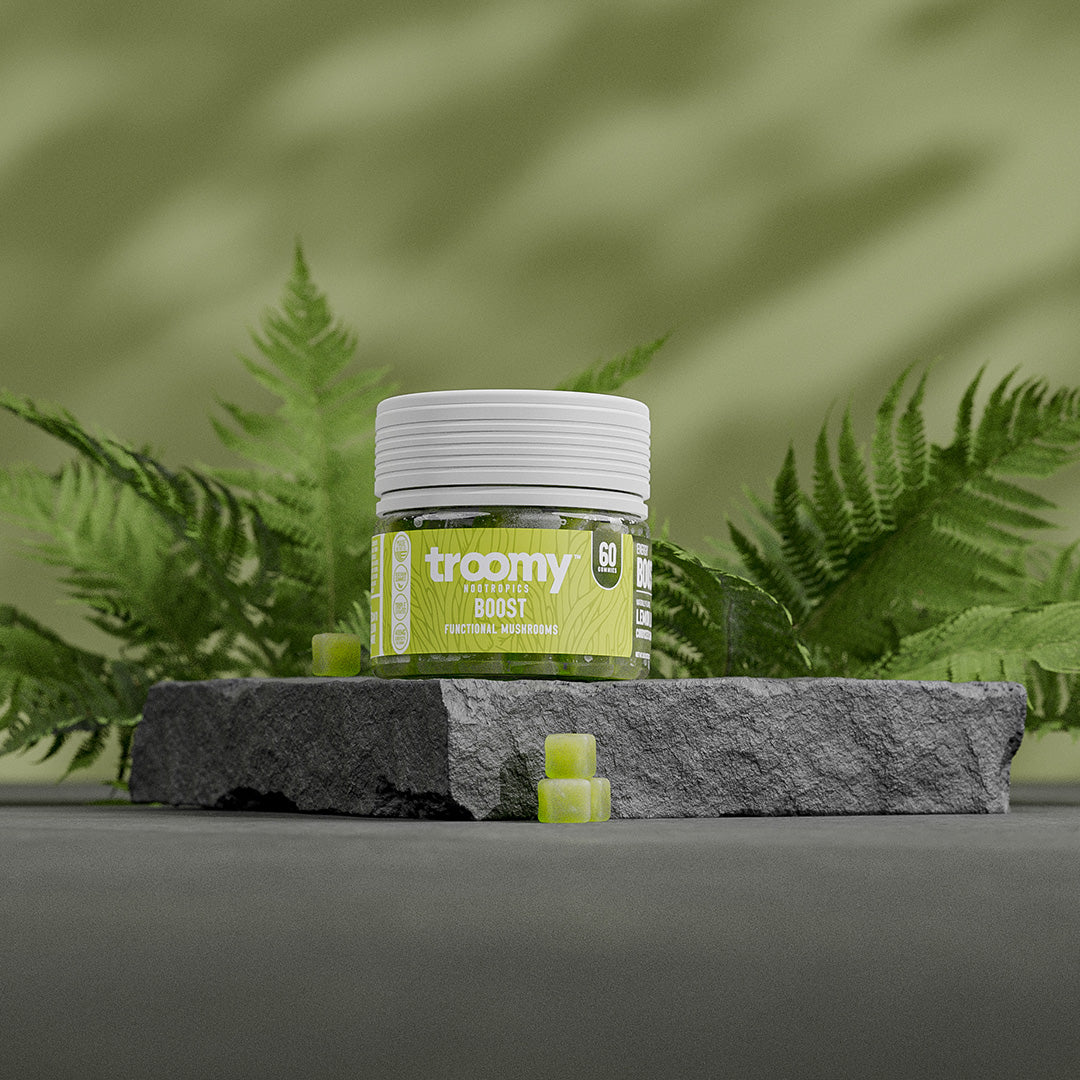
Yes. Many people build a full-day routine with Focus or Boost in the morning, Calm during stressful afternoons, and Sleep at night. The Troomy bundles collection offers curated combinations for this kind of 24-hour approach. If you want a step-by-step overview, our guide on how to build a 24-hour wellness routine with mushroom gummies walks through how to layer products without overdoing it.
Will I become dependent on Troomy Sleep?
Troomy Sleep is formulated with ingredients that support your body's natural sleep processes rather than forcing a sedative effect. Reishi, passionflower, lemon balm, and chamomile have long histories of traditional use as gentle, non-habit-forming botanicals. Most people use Troomy Sleep as a long-term support alongside good sleep hygiene rather than as a crutch.
These statements have not been evaluated by the Food and Drug Administration. This product is not intended to diagnose, treat, cure, or prevent any disease.


