




You have tried deep breathing. You have tried journaling. You have tried leaving your phone in another room. But by 7pm you are still carrying the weight of the day and you cannot figure out how to put it down. Here is what actually helps.
Work stress is one of the most searched wellness topics for a reason. It is not abstract or occasional for most people, it is a daily, cumulative weight that builds across the week and rarely gets a clean reset. This guide covers the full, honest landscape: what actually has evidence behind it, what is overhyped, and where natural options like functional mushrooms genuinely fit into a broader approach.
Why Is Work Stress Different From Acute Stress?
Acute stress, like a near miss in traffic or a sudden deadline, spikes and then resolves relatively quickly once the moment passes. Work stress is often not like that. It is repetitive, low-grade, and rarely gets a true off switch, especially with phones and email keeping work reachable well past the workday. This kind of chronic, background stress is harder to shake precisely because there is no single moment it resolves. It just keeps accumulating.
The Physiological Pattern Behind Not Being Able To Wind Down
What is happening in your body during that 7pm feeling is largely driven by cortisol, the hormone your adrenal glands release in response to stress. Under normal conditions, cortisol should decline through the evening, helping your body wind down. Chronic work stress can interfere with that natural decline, leaving cortisol elevated well past the workday, which produces exactly that tired but wired sensation, exhausted, but unable to actually relax.
This is regulated by the HPA axis, the feedback loop between your brain and adrenal glands that governs cortisol release. When that system is under sustained pressure from ongoing work stress, it can struggle to bring cortisol back down efficiently, even once the actual workday has ended.
What Actually Helps: The Evidence-Based Short List
Sleep hygiene is foundational, and it is often the first thing that gets sacrificed during stressful periods, which creates a compounding problem since poor sleep itself raises next-day stress reactivity. Regular physical activity has consistent research behind it for reducing perceived stress and supporting healthier cortisol patterns, even in modest amounts like a daily walk. Magnesium is one of the more evidence-supported minerals for stress and sleep support, since many people do not get enough through diet alone. Breathwork and simple mindfulness practices have real, if modest, evidence for reducing acute stress reactivity in the moment. And adaptogens, particularly reishi and ashwagandha, have a growing research base specifically around supporting the body's stress regulation system over time.
Where Adaptogens And Functional Mushrooms Fit Into A Broader Approach
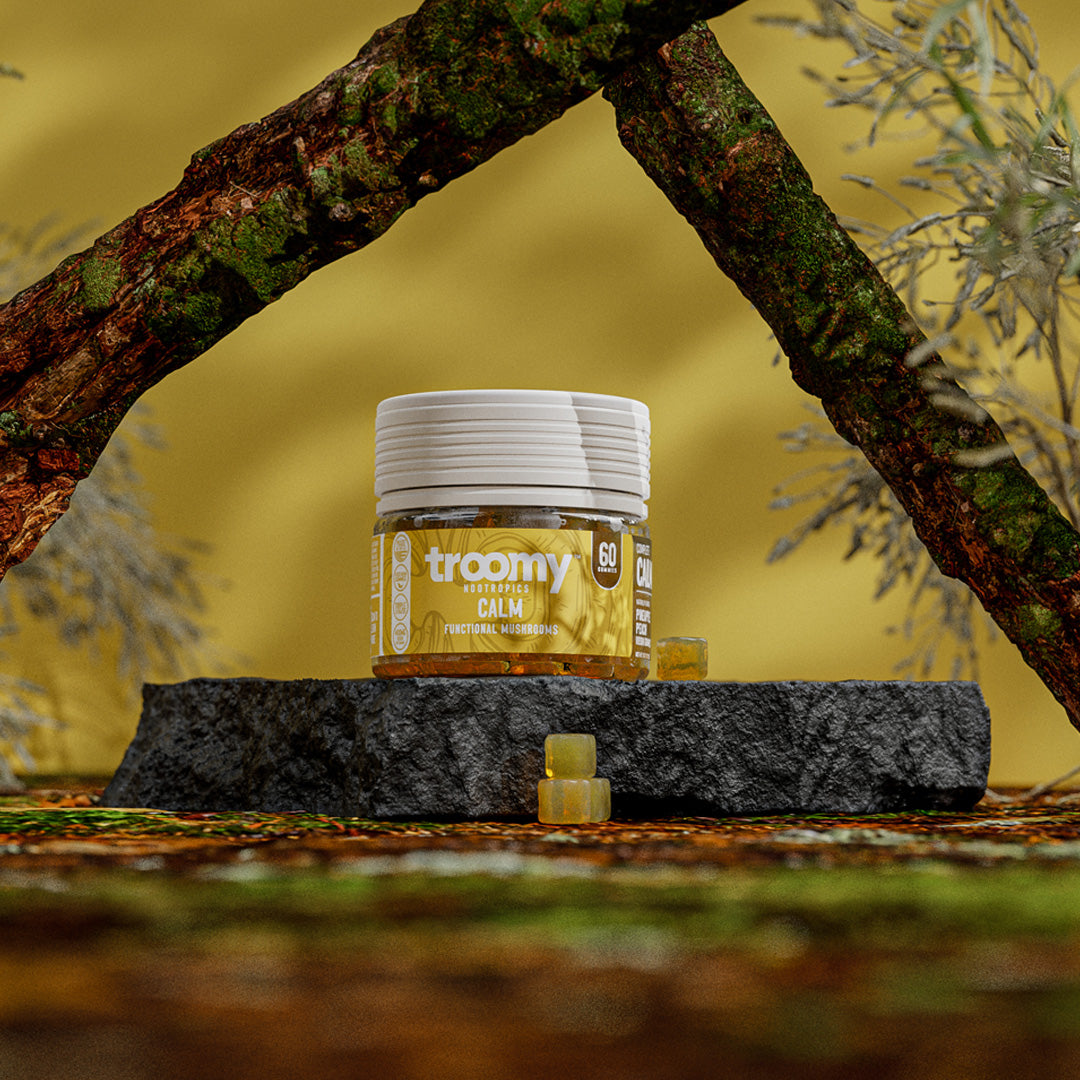
Adaptogens are not a replacement for the fundamentals above. They are a support layer on top of them. If your sleep is chronically disrupted and you are not moving your body at all during the week, no supplement is going to fully offset that. But for people who already have reasonable habits in place and are still carrying stress they cannot seem to put down, adaptogens like reishi address a piece of the picture that breathing exercises and journaling alone do not: the underlying cortisol pattern that keeps the nervous system running hot. That gap is exactly what Troomy's Calm Reishi Gummies were built to close, one gummy a day, at a fraction of the cost of most stress-management routines.
Building A Routine You Can Actually Stick With
The biggest reason most stress-management advice fails is not that it does not work. It is that it asks for more than most people can realistically sustain during an already demanding week. A plan that requires an hour of meditation, a strict sleep schedule, and a complete diet overhaul all at once tends to collapse within the first two weeks, which then adds a layer of guilt on top of the original stress.
A more sustainable approach starts small and stacks gradually. Pick one sleep habit, going to bed at a consistent time, for instance, and hold it for two weeks before adding anything else. Layer in a daily adaptogen alongside that single habit rather than overhauling everything simultaneously, since the two work on different timelines and do not compete for your limited willpower. Movement can be as minimal as a ten-minute walk after dinner rather than a structured workout plan you will likely abandon by week three.
The goal is not perfection. It is consistency over a long enough stretch that your body's stress regulation system actually has a chance to recalibrate, which, as with most adaptogens, tends to take several weeks rather than several days. Tracking progress loosely, a quick mental note at the end of each week rather than a detailed journal, tends to work better than trying to measure daily, since day-to-day stress fluctuates enough that a single bad day can make an otherwise improving pattern feel like it is not working.
Reishi For The Cortisol And Calm Angle
Reishi mushroom for stress is the adaptogen most directly connected to research on cortisol and the HPA axis, the system responsible for that inability to switch off after work. Rather than sedating you into calm, reishi is believed to work by supporting the body's own regulatory feedback loop, which is why it tends to be the starting point for people whose stress shows up specifically as an inability to unwind in the evening. If the hardest part of your day is switching off after work, Troomy's Calm Reishi Gummies are designed for exactly that, with triple-extracted reishi in a habit that costs less than a dollar a day.
Ashwagandha For The Acute Stress And Anxiety Angle
If your work stress shows up more as sharper, in-the-moment reactivity, snapping at small things, feeling your chest tighten during a stressful meeting, ashwagandha has the stronger research base for acute stress and measurable cortisol reduction over relatively short study periods. Many people find that pairing ashwagandha's faster response with reishi's steadier regulation covers both the sharp spikes and the slow-burning background tension better than either manages alone.
What Does Not Help
It is worth naming what is often overhyped. Sleep aids that simply sedate you can mask the symptom without addressing the underlying stress pattern, and can leave you groggy the next day. Extreme caffeine restriction alone rarely solves chronic stress if the underlying workload and cortisol pattern go unaddressed. And expensive wellness gadgets marketed as instant stress cures are, in most cases, not a substitute for the basics of sleep, movement, and a genuinely supportive daily habit. If what you actually need is something that calms you down rather than just masks the tension, the calming mushrooms with real research behind them are a shorter list than the supplement aisle would suggest.
Frequently Asked Questions
What natural remedies actually help with work stress?
Sleep hygiene, regular physical activity, magnesium, breathwork, and adaptogens like reishi and ashwagandha all have some level of evidence behind them. Adaptogens work best as a support layer alongside these foundational habits, not as a standalone fix.
Does reishi help with work stress?
Reishi is believed to support a healthier HPA axis response, the system responsible for regulating cortisol, which is closely tied to the inability to switch off after a stressful workday. It works gradually with consistent daily use rather than providing immediate relief.
What supplements help you unwind after a stressful day?
Reishi has the strongest connection to research on evening cortisol and the ability to wind down. Magnesium is also commonly used to support relaxation and sleep quality after a stressful day.
How do I stop thinking about work when I get home?
There is no single fix, but a combination of consistent sleep habits, physical activity, and supporting your body's stress regulation system through adaptogens like reishi can make it meaningfully easier to disengage over time, even if no single tool solves it instantly.
Are there natural alternatives to anti-anxiety medication for everyday stress?
Adaptogens like reishi and ashwagandha are not a substitute for prescribed anti-anxiety medication, and anyone with a diagnosed anxiety disorder should work with a healthcare provider. For everyday, non-clinical work stress, adaptogens are a reasonable natural option alongside good sleep and activity habits.
These statements have not been evaluated by the Food and Drug Administration. This product is not intended to diagnose, treat, cure, or prevent any disease.


