



You push back from the table, the plates are cleared, and suddenly the waistband on your favorite pants has opinions. Feeling swollen and heavy after a big meal is one of the most relatable experiences in wellness, and it is the reason so many people search for debloating tips the moment a holiday dinner, a long restaurant night, or a weekend brunch wraps up.
The internet is full of quick fixes for debloating, and a surprising number of them can leave you feeling worse. This guide walks through what happens in your digestive system after a large meal, which habits have real research behind them, which popular fixes can backfire, and where functional mushrooms fit into a calm, realistic routine. If you are hosting a feast this season, our guide to celebrating Thanksgiving with functional mushrooms makes a fun companion read.
We will be upfront about one thing from the start. Mushrooms are not a debloating pill, and nothing in this article says otherwise. What we can offer is a set of evidence-informed habits, plus a few ways Troomy supports the everyday routines that surround how you eat, unwind, and feel.
Why Do You Feel Bloated After a Big Meal?
Bloating is the sensation of fullness or swelling in your belly, and it is far more common than most people assume. A study of 51,425 adults across 26 countries found that nearly 18 percent of people experience bloating at least once a week, and that it was most common in women. Occasional bloating after eating is a normal part of being human, and the National Institute of Diabetes and Digestive and Kidney Diseases (NIDDK) notes that having some gas symptoms is normal, especially during or after meals.
What Causes Bloating After Eating?
Three main things tend to be at play. The first is swallowed air. Everyone swallows a little air while eating and drinking, and according to NIDDK, you swallow more when you eat or drink too fast, chew gum, or sip fizzy drinks. The second is fermentation. Bacteria in your large intestine break down carbohydrates that your stomach and small intestine did not fully digest, and gas is a byproduct of that process. The third is water retention, since the American Heart Association says excess sodium may cause increased water retention that leads to puffiness, bloating, and weight gain.
Fat plays a role as well. NIDDK reports that some people notice more bloating when they eat high-fat foods, which helps explain why a rich, salty, fizzy, fast-paced meal can feel so heavy.
It also helps to know that bloating and visible swelling are two different things. NIDDK explains that bloating is a feeling of fullness, while distention means your abdomen becomes larger than usual, and only about half of people with bloating also have distention. In other words, you can feel very bloated without any visible change at all.
Why Do Holiday Meals Make Bloating Worse?
Holiday plates tend to combine nearly every trigger at once. Gravy, stuffing, and cured meats bring sodium. Cream-based sides and desserts bring dairy, which can be a gas trigger for people who have trouble digesting lactose. Sparkling drinks add swallowed air, and conversation around the table means you are talking and chewing at the same time. NIDDK suggests smaller, more frequent meals instead of larger ones for people troubled by gas symptoms, which says a lot about how a very large meal can feel.
Salt deserves a special mention. The American Heart Association reports that Americans consume an average of 3,400 milligrams of sodium per day, compared with the 1,500 milligrams recommended for ideal heart health, so a salty feast starts from a high baseline.
What Helps With Debloating After a Big Meal?
The good news is that the habits with the best support are simple, free, and easy to repeat. None of them is a miracle, and results vary from person to person, but they are a sensible place to start.
Does Walking After a Meal Help With Bloating?
Gentle movement has some of the most encouraging research behind it. In a randomized clinical trial of 94 adults with functional abdominal bloating, people who took a 10 to 15 minute walk after each meal for four weeks showed significant improvements in symptoms such as belching, gas, fullness, and abdominal discomfort. A comparison group took prokinetic medication and improved as well, and for post-meal fullness and bloating specifically, the walking group came out ahead.
A smaller experiment in patients with bloating looked at what happens inside the gut. When gas was infused into the intestine, participants retained about 45 percent of it at rest, compared with about 24 percent during mild exercise, and their symptoms improved with activity. That study included only eight participants and used a laboratory setup, so we treat it as a clue instead of a promise. The takeaway is consistent, though: mild activity appears to help gas move along. Think easy stroll rather than hard workout, since mild activity is what these studies tested.
Do Ginger and Peppermint Help With Bloating?
Ginger and peppermint are the two most popular kitchen-cabinet debloaters, and the research on them is more mixed than their reputations suggest. In a double-blind trial of 24 healthy volunteers, ginger capsules sped up gastric emptying, with the stomach half-emptying time dropping from about 27 minutes on placebo to about 13 minutes. The same study found a lack of significant difference in digestive symptoms, so faster emptying did not automatically translate into feeling better.
Peppermint oil has been studied mostly in people with irritable bowel syndrome. A 2022 meta-analysis found it outperformed placebo for IBS, but it also reported more adverse events and rated the overall quality of the evidence as very low. An earlier systematic review found that heartburn was the most commonly reported side effect. If you enjoy a cup of ginger or peppermint tea after dinner, it is a pleasant ritual worth keeping, and people who are prone to heartburn may want to go easy on the peppermint. Think of both as comfort habits rather than proven fixes.
Does Eating More Slowly Make a Difference?
For many people it does, and it is the habit most directly tied to what we know about gas. Because swallowed air is one of the two main ways gas enters your digestive tract, NIDDK suggests that you eat more slowly, sit down to eat instead of eating on the run, and avoid talking while eating or drinking. Putting your fork down while you chat, pausing between bites, and saving seconds or dessert for later in the evening all work in your favor.
How Do You Debloat After a Salty Meal?
Water retention from sodium calls for a patient approach rather than a dramatic one. The American Heart Association links excess sodium to puffiness, bloating, and weight gain, and it notes that more than 75 percent of the sodium Americans eat comes from processed and restaurant foods. Easing up on packaged and restaurant foods in the days around a big meal is a practical way to give your body a more balanced baseline, and it does more for you over time than any single detox drink.
What Does Not Help With Bloating?
A few popular debloating moves can make things worse, and knowing which ones can save you an uncomfortable evening.
Can Fizzy Drinks Make Bloating Worse?
Reaching for sparkling water, soda, or a probiotic soda to settle your stomach is understandable, but carbonation points you in the wrong direction. NIDDK lists fizzy drinks, chewing gum, hard candy, and drinking with a straw among the habits that increase swallowed air. If you are curious about bubbly gut-health drinks in particular, we dug into the pros and cons in Peaks and Pitfalls of Probiotic Sodas in Your Everyday Diet.
Do High-Fiber Foods and Sugar-Free Products Cause More Gas?
Wellness habits that sound healthy can backfire at the wrong moment. According to NIDDK, some people have more gas symptoms after eating cruciferous vegetables such as broccoli and cauliflower, legumes, or foods that are very high in fiber. Sugar-free gums, candies, and snacks sweetened with ingredients that end in “ol,” such as sorbitol, xylitol, and erythritol, are on the list too. A giant raw kale salad or a sugar-free mint straight after a feast may not be the relief you expect. That does not make these foods bad for you, since they are valuable parts of a balanced diet. The point is timing and personal tolerance.
A broader caution applies here as well. If a product promises to flush, detox, or melt away bloating overnight, read the claim with a healthy dose of skepticism. The habits above are modest, and that is exactly why they are believable.
Can Stress Make Bloating Worse?
Your gut and brain are in constant conversation, which is why a stressful dinner can feel different in your stomach than a relaxed one. Harvard Health explains that stress can affect movement and contractions of the GI tract, and NIDDK notes that functional GI disorders are related to problems with how your brain and gut work together. Anyone who has hosted a holiday meal, juggled family logistics, or eaten lunch at a desk between meetings can probably feel this connection.
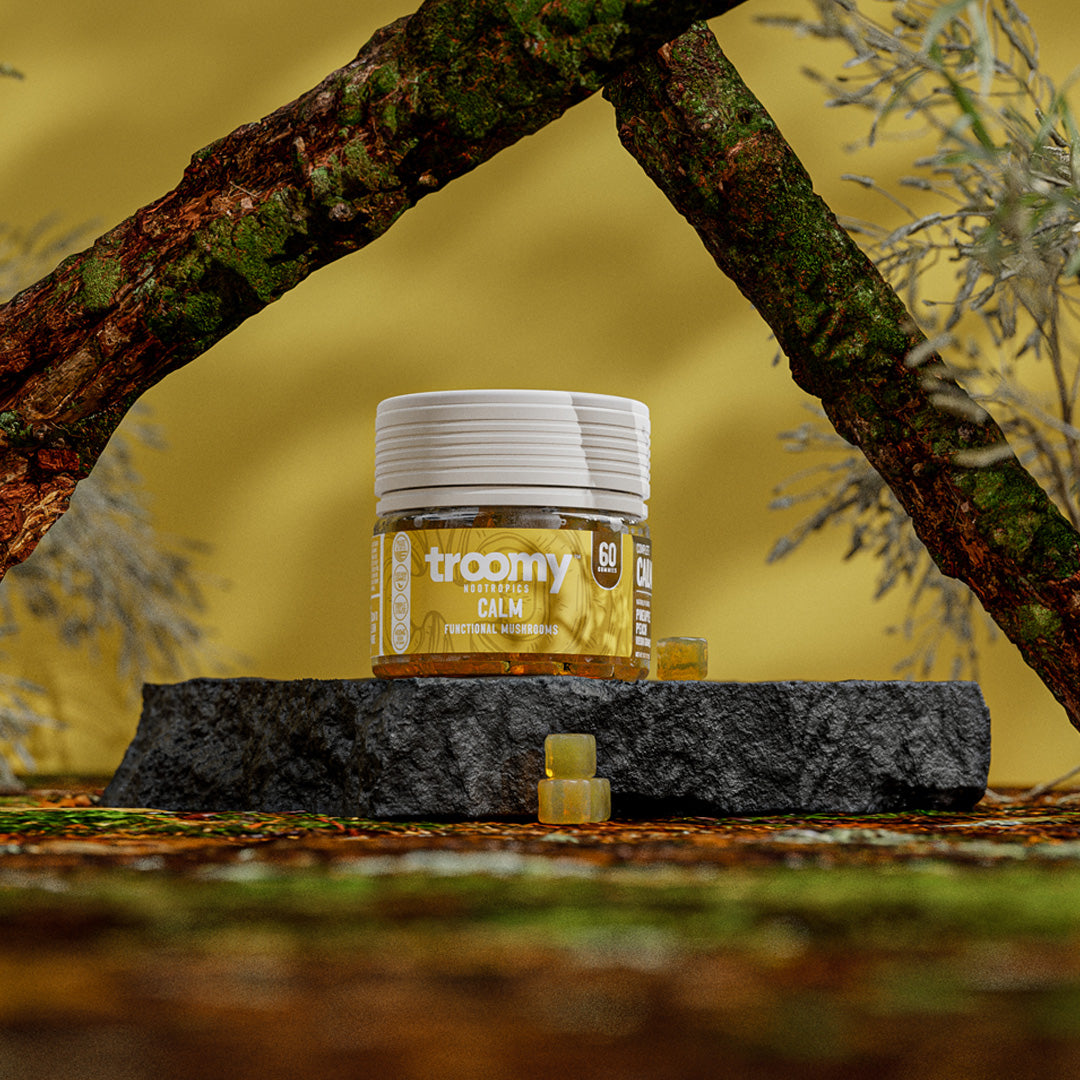
This is where a calming evening routine earns its place. Reishi is one of the best-known adaptogenic mushrooms, traditionally valued for supporting a sense of calm and relaxation, and our Calm: Reishi mushroom gummies come in a Pineapple Peach flavor that makes winding down something to look forward to. Reishi is not a debloating ingredient, and we would never claim it is. The idea is simpler: when stress is part of the picture, supporting your body’s natural calm is one more thoughtful piece of a healthy post-meal routine. You can learn more in our guides to Reishi for stress and anxiety and easing anxiety around the holidays.
Where Do Functional Mushrooms Fit Into a Debloating Routine?
Honesty comes first here. Functional mushrooms such as Lion’s Mane, Reishi, Cordyceps, and Turkey Tail are not debloating treatments, and the research above does not suggest they are. What they can do is support the broader wellness routine that helps you feel your best, including how you handle stress, energy, and everyday wellness.
Turkey Tail is the mushroom with the most interesting gut research. In a randomized clinical trial of 24 healthy volunteers, polysaccharopeptide from Turkey Tail acted as a prebiotic, leading to consistent changes in the composition of the intestinal microbiome. The study measured microbiome changes rather than bloating, and it used a specific extract, so it does not prove that any gummy will change how you feel after dinner. It does explain why Turkey Tail has earned a place in conversations about everyday gut wellness. To go deeper, start with Turkey Tail Mushroom: Everything You Need to Know and Functional Mushrooms and Gut Health.
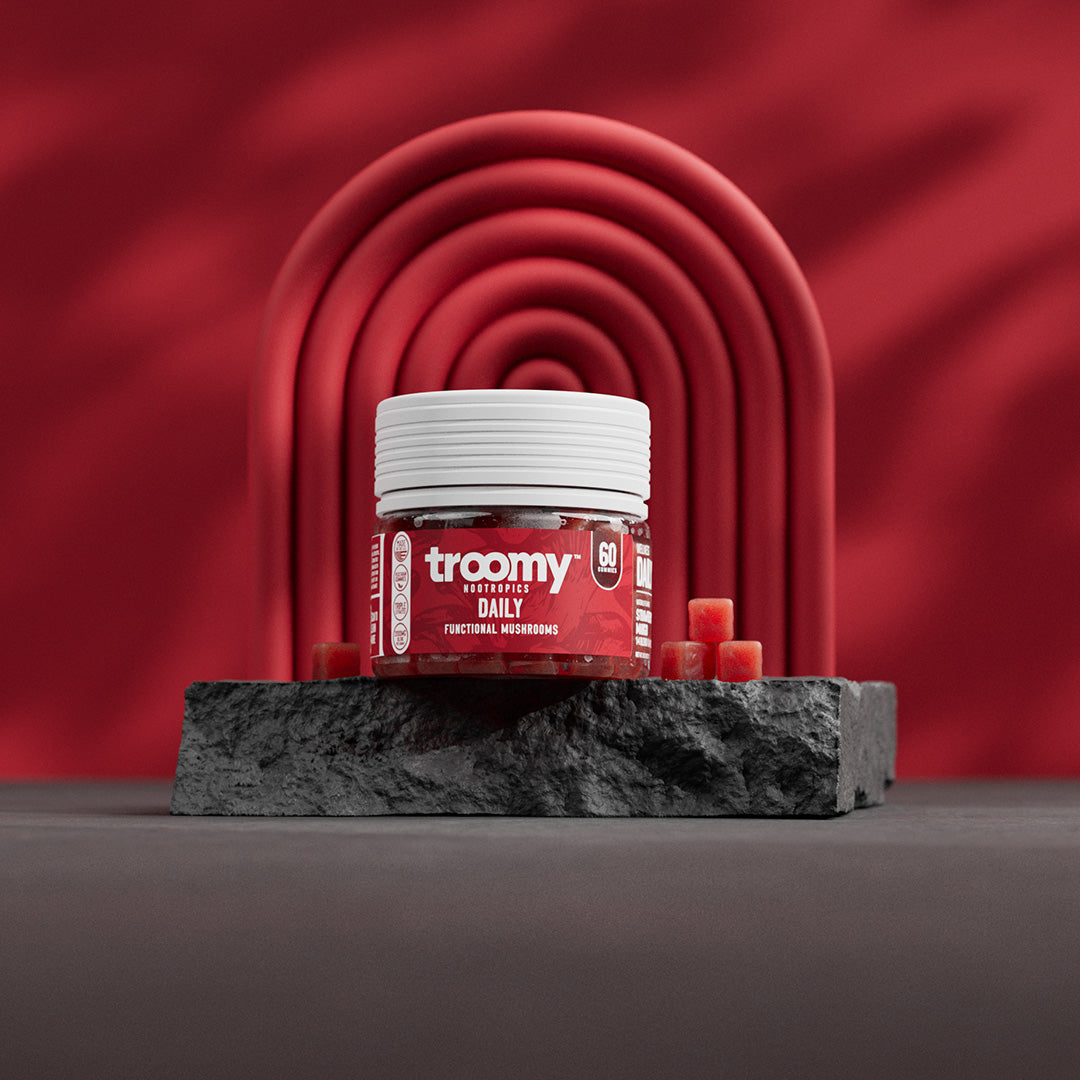
That is one reason we love our Daily: 14 Mushroom Blend gummies. Each Strawberry Mango gummy brings together 14 functional mushrooms, including Lion’s Mane, Reishi, Cordyceps, Chaga, Turkey Tail, and Maitake, in one easy daily step. It is designed for consistency, and consistency tends to matter more than any single post-meal hack.
A quick note on safety: NIDDK recommends that you talk with your doctor before using supplements or probiotics, and that applies here too, especially if you take medications or have a digestive condition.
What Makes Troomy Gummies Different?
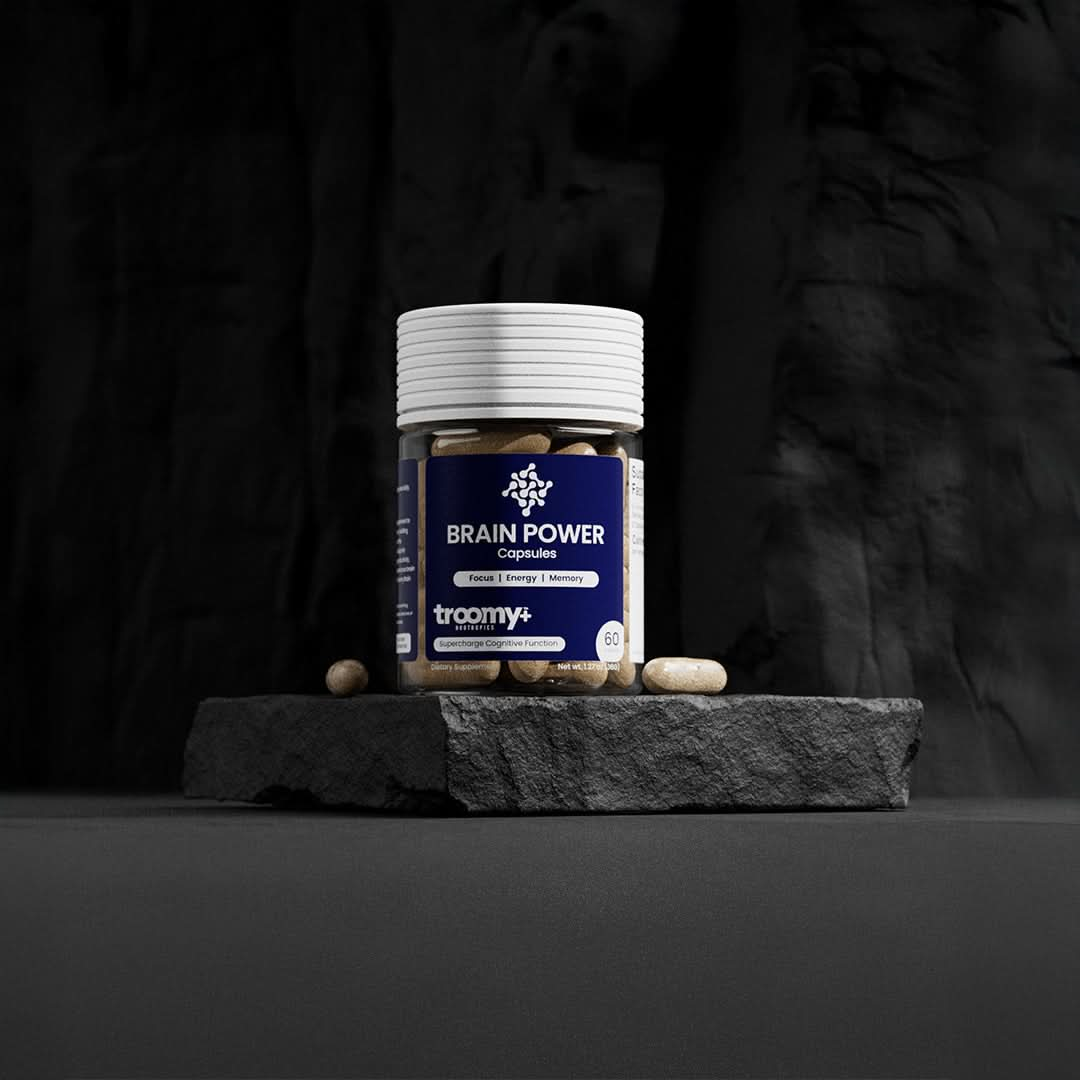
Quality varies widely across the mushroom supplement aisle, so here is what we stand behind. Troomy gummies are triple-extracted, a process designed to make the active compounds in each mushroom more available. They are made in the USA, and they are vegetarian-friendly. We also flavor them naturally, with options like Pineapple Peach and Strawberry Mango, because a routine only works when you enjoy it, and you can read about what mushroom gummies taste like if you are curious. The same standards guide the rest of the lineup, from gummies to capsules such as Brain Power, and you can explore routine-building combinations in our bundles collection.
What Does a Simple Post-Meal Reset Look Like?
Putting the research together, a realistic routine looks something like this:
-
Slow down while you eat, sit down at the table, and skip the gum, the hard candy, and the straw.
-
Serve smaller portions and save seconds or dessert for later in the evening.
-
Take an easy 10 to 15 minute walk after the meal.
-
Sip ginger or peppermint tea if you enjoy it, keeping the mixed evidence in mind.
-
Wind down with an evening routine that supports calm, and ease back toward your usual meals and lower-sodium choices the next day.
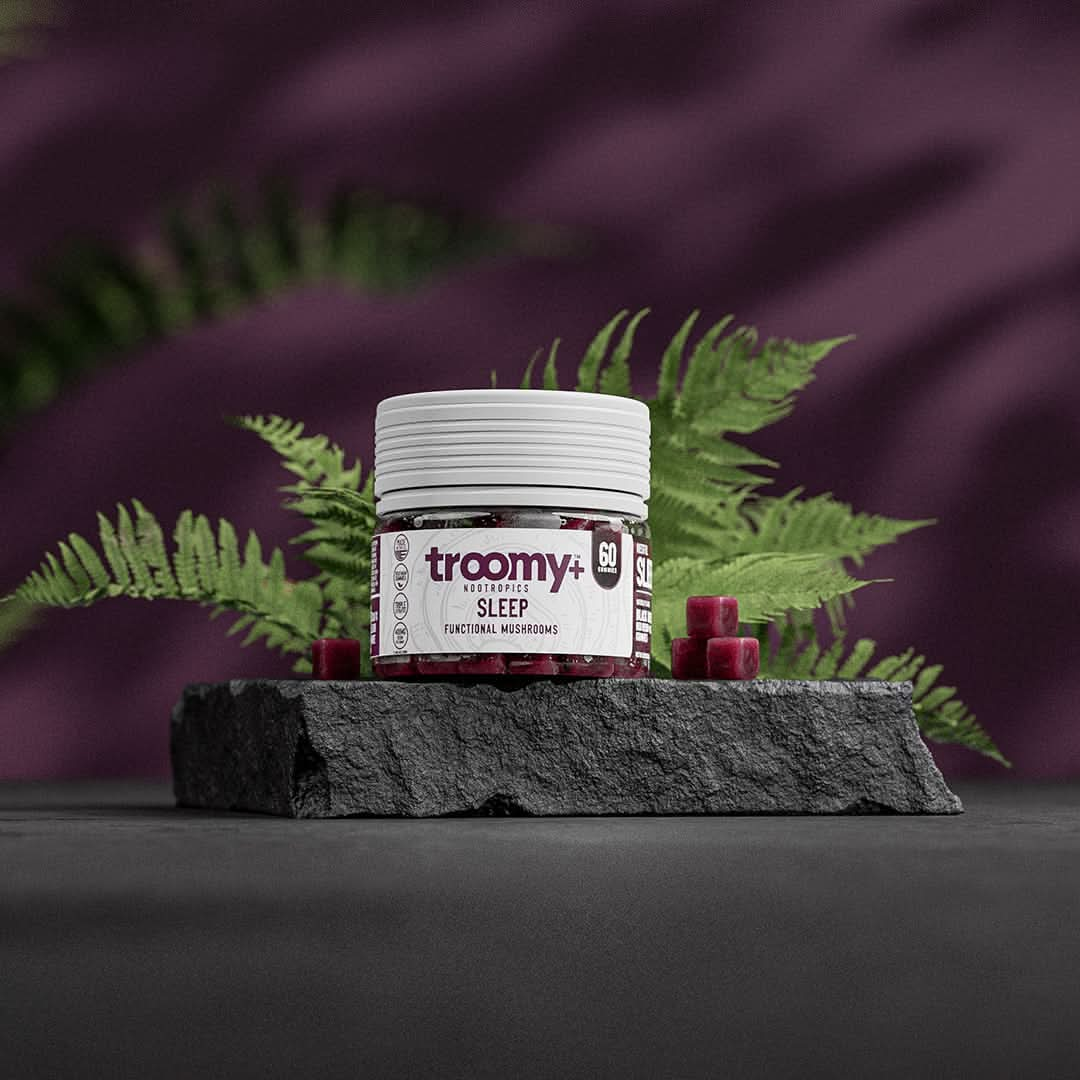
From there, add the supportive layer that fits your life, whether that is a Calm gummy in the evening, Sleep: Reishi mushroom gummies with melatonin at bedtime, or a Daily gummy as part of your morning. For help with timing, see When to Take Mushroom Supplements: Your Morning to Night Routine Guide.
When Should You See a Doctor About Bloating?
Occasional bloating after a big meal is common, but a change in your pattern deserves attention. NIDDK recommends that you talk with your doctor if gas symptoms bother you, if your symptoms change suddenly, or if you have other symptoms such as abdominal pain, constipation, diarrhea, or weight loss. The same page notes that conditions such as lactose intolerance, irritable bowel syndrome, and celiac disease can contribute to gas symptoms, which is one more reason to get persistent bloating checked instead of guessing.
The Bottom Line on Debloating After a Big Meal
The most reliable approach to debloating is also the least glamorous: eat a little more slowly, go easy on the fizz, take a gentle walk, and give your body a calm evening. Functional mushrooms do not replace any of that, but they can be a thoughtful part of the routine around it. If you are ready to build yours, start with Daily: 14 Mushroom Blend gummies for everyday wellness or Calm: Reishi mushroom gummies for winding down, and make it your own.
Frequently Asked Questions About Debloating
Is it normal to feel bloated after eating a big meal?
Yes, it is very common. Research on more than 51,000 adults found that nearly 18 percent of people experience bloating at least once a week, and NIDDK notes that some gas symptoms are normal, especially during or after meals. It becomes worth discussing with a doctor when it bothers you, changes suddenly, or comes with other symptoms.
How do you debloat after a big meal?
Start with the basics that have research behind them: eat more slowly, skip fizzy drinks and chewing gum, and take a gentle 10 to 15 minute walk after eating. A randomized clinical trial in adults with functional abdominal bloating found that walking after meals was associated with improved symptoms. Easing up on salty, processed foods over the following days can also help with the water retention linked to sodium.
How long does bloating last after a big meal?
There is not a single timeline that fits everyone. For many people, occasional bloating after a large meal fades as the meal moves through digestion, and the timing depends on what you ate, how quickly you ate it, and your own digestive health. If bloating lasts, keeps returning, or comes with abdominal pain, constipation, diarrhea, or weight loss, it is a good idea to talk with your doctor.
Does walking after eating help with bloating?
Research suggests it can. In one randomized clinical trial, a 10 to 15 minute walk after each meal was associated with significant symptom improvements over four weeks, and a smaller laboratory study found that mild exercise helped the gut clear gas. Keep the pace easy, since mild activity is what these studies tested.
Does sparkling water make bloating worse?
It can for some people. NIDDK lists fizzy drinks among the habits that increase swallowed air, and swallowed air is one of the main ways gas enters the digestive tract. If you notice bloating after bubbly drinks, try still water, or sip more slowly and skip the straw.
Can stress cause bloating?
It can contribute. Harvard Health explains that stress can affect movement and contractions of the GI tract, which is part of the gut-brain connection. Calming habits such as unhurried meals, gentle walks, and an evening wind-down routine can support a more relaxed approach to eating.
Do mushroom gummies help with bloating?
Troomy gummies are not designed to treat bloating, and functional mushrooms are not debloating products. Some research is interesting, such as a clinical trial in which Turkey Tail extract acted as a prebiotic in healthy volunteers, and Turkey Tail is one of the 14 mushrooms in our Daily blend. Mushroom gummies are best thought of as part of a consistent everyday wellness routine, and it is wise to talk with your doctor before starting any supplement.
When should I see a doctor about bloating?
NIDDK recommends talking with your doctor if gas symptoms bother you, if your symptoms change suddenly, or if you have other symptoms such as abdominal pain, constipation, diarrhea, or weight loss. Persistent bloating can be linked to conditions that are worth checking, so it is better to ask than to guess.
These statements have not been evaluated by the Food and Drug Administration. This product is not intended to diagnose, treat, cure, or prevent any disease.


