







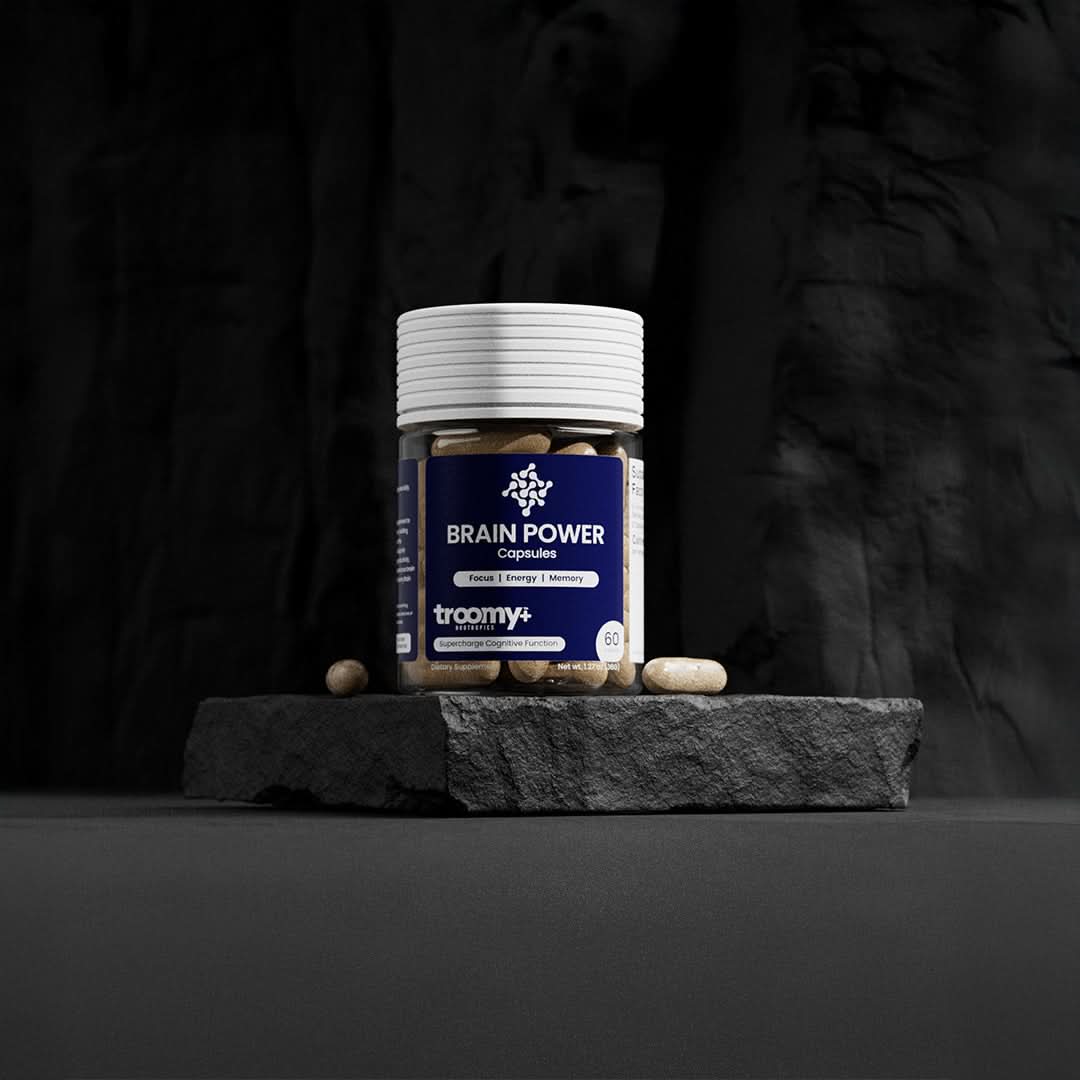





You are not forgetful. You are not losing your mind. You are just carrying too much at once and your brain is telling you so. Here is the science behind why stress causes brain fog, and what actually helps clear it.
Brain fog is one of the most common, and most dismissed, symptoms of chronic stress. It rarely gets talked about with the same seriousness as anxiety or poor sleep, but the connection between the two is well documented and rooted in a specific, understandable mechanism.
What Is Brain Fog And Why Does Stress Cause It?
Brain fog is not a medical diagnosis on its own. It is a catch-all term for a cluster of symptoms including difficulty concentrating, forgetfulness, mental fatigue, and a general sense that your thinking is slower or less clear than usual. It can have several causes, including poor sleep, nutrient deficiencies, and certain medical conditions, but chronic stress is one of the most common and most overlooked contributors, particularly for people juggling demanding jobs. Unlike sleep deprivation, which tends to produce an obvious, felt exhaustion, stress-related brain fog can creep in gradually enough that people attribute it to simply having too much on their plate rather than recognizing it as a distinct, addressable pattern.
The connection comes back to cortisol, the hormone released by your adrenal glands in response to stress. In short bursts, cortisol can actually sharpen focus. The problem is chronic elevation, the kind that comes from ongoing work stress or a demanding stretch of life that never seems to let up, and the reason most adaptogens for natural stress support target that hormonal pattern rather than the symptoms it produces.
The Cortisol Prefrontal Cortex Connection
Your prefrontal cortex is the part of the brain responsible for focus, decision-making, and working memory, essentially the mental functions you rely on to think clearly and get things done. Research has consistently linked chronic cortisol elevation to impaired prefrontal cortex function. When cortisol stays elevated for extended periods rather than following its natural daily rise and fall, it can interfere with how efficiently this part of the brain operates.
This is the mechanism behind why someone who is stressed often feels cognitively impaired even when they are getting a reasonable amount of sleep. The problem is not necessarily rest. It is that the stress response itself is actively interfering with the brain systems responsible for clear thinking.
Why Do You Feel Forgetful When You Are Overwhelmed?
This pattern is not permanent, and understanding that distinction matters. The forgetfulness and mental fog that show up during a stressful period are generally a functional response to an overloaded system, not a sign of a deeper cognitive problem. As the underlying stress and cortisol pattern improve, prefrontal cortex function typically improves along with it. That said, if brain fog is severe, sudden, or persistent regardless of stress levels, it is worth ruling out other causes with a doctor rather than assuming stress is the only explanation.
Addressing Both Sides: The Stress Response And The Cognitive Support
Because brain fog during stressful periods has two connected but distinct components, the underlying cortisol elevation and the resulting cognitive symptoms, addressing it effectively often means covering both sides rather than picking just one. Treating only the cortisol pattern without supporting cognitive function directly can leave someone feeling calmer but still struggling to concentrate, while treating only the cognitive symptoms without addressing the stress driving them tends to be a short-lived fix, since the underlying pattern keeps regenerating the fog it is meant to clear.
Reishi And Ashwagandha For The Stress Cortisol Root Cause
Reishi and ashwagandha are the two adaptogens with the strongest connection to cortisol and stress regulation research. Reishi is believed to support a healthier HPA axis response over time, while ashwagandha has a stronger research base around more acute cortisol reduction. Addressing that root pattern is the first half of tackling stress-related brain fog, since the cognitive symptoms are downstream of it.
Lion’s Mane For The Cognitive Support Angle
Lion’s mane mushroom is the functional mushroom most associated with cognitive support, and its relevance here is specific. While reishi and ashwagandha work on the stress side of the equation, lion’s mane addresses the cognitive symptoms directly, making it a natural complement rather than a competing option. It is also one of the most researched natural nootropics available, which is a separate but closely related conversation from adaptogens.
The Daily 14 Blend: Covering Both In One Product
This is exactly the gap Troomy’s Daily 14 Mushroom Blend was built to close. Rather than asking someone to choose between a stress-focused adaptogen and a cognitive-focused mushroom, the Daily 14 Blend combines adaptogenic mushrooms for stress regulation with lion’s mane for cognitive support in a single daily gummy, addressing both the root cause and the resulting symptom instead of just one piece of a connected problem.
If stress and brain fog are hitting you at the same time, Troomy’s Daily 14 Blend covers both, adaptogenic mushrooms for stress regulation and lion’s mane for cognitive support, in one daily gummy, alongside the rest of the formulas built for that overlap in the brain health collection.
Struggling to focus because your brain will not stop cycling through the day’s stress? Troomy’s Daily 14 Blend was built specifically for that overlap, so you are not choosing between calming your mind and clearing your thinking.
Frequently Asked Questions
Does stress cause brain fog?
Yes. Chronic stress elevates cortisol, and sustained cortisol elevation has been linked to impaired prefrontal cortex function, the brain region responsible for focus and clear thinking, which produces the symptoms commonly described as brain fog.
How do I get rid of stress brain fog?
Addressing the underlying stress and cortisol pattern with consistent sleep, activity, and adaptogens like reishi or ashwagandha is the first step. Pairing that with cognitive-support ingredients like lion’s mane addresses the resulting cognitive symptoms directly.
Why can’t I think clearly when I’m stressed?
Chronic stress keeps cortisol elevated beyond its normal, short-term purpose, and elevated cortisol has been linked to reduced efficiency in the prefrontal cortex, the part of the brain responsible for focus, decision-making, and working memory.
What supplements help with stress and brain fog?
Reishi and ashwagandha address the stress and cortisol side of the equation, while lion’s mane addresses cognitive support directly. Products that combine adaptogens with lion’s mane, like Troomy’s Daily 14 Blend, are designed to cover both at once.
How long does stress brain fog last?
Stress-related brain fog generally improves as the underlying stress and cortisol pattern improve, often over a period of several weeks with consistent changes to sleep, activity, and stress support. If brain fog is severe or persistent regardless of stress levels, it is worth discussing with a doctor.
These statements have not been evaluated by the Food and Drug Administration. This product is not intended to diagnose, treat, cure, or prevent any disease.


