



Poor sleep is one of the most widespread health challenges of modern life. According to the CDC, more than one in three American adults do not get the recommended amount of sleep on a regular basis. The supplement market has responded with a flood of sleep products, but not all of them work the way their marketing suggests. Some rely on doses that can interfere with your body's own hormone production. Others are sedatives disguised as wellness products. This guide is different. It focuses on the most promising natural approaches to sleep support, particularly functional mushroom-based solutions, and gives you a straight look at how they compare to the more familiar options on the shelf.
If you have spent any time looking into natural sleep aids, you have probably come across reishi mushroom. This is not a trend ingredient. Reishi has been used in traditional wellness practices for centuries, and it now has a growing body of modern research behind it. When you pair that with the convenience and consistency of a daily gummy, you get a sleep support habit that is easy to stick with, and consistency is where most supplements succeed or fail.
Why Are So Many People Turning to Mushroom Gummies for Sleep?
The interest in functional mushroom gummies for sleep comes from a specific place. People are exhausted, but they are also skeptical. They have tried melatonin and felt groggy in the morning. They have tried prescription options and worried about dependency. What they are looking for is something that supports sleep without taking over their body's natural processes. That is exactly where reishi mushroom enters the picture.
Gummies make the habit easy. There is no powder to mix, no capsule to choke down, and no unpleasant aftertaste. When a supplement is this easy to take, people actually take it every night, and that regularity is the single most important variable in whether any supplement delivers real results. Troomy's Bedtime Collection is built around this idea: combining high-quality reishi extracts with formats that fit naturally into a real person's evening routine.
How Does Reishi Mushroom Support Sleep?
Reishi's sleep-supporting effects appear to come from multiple mechanisms working together. The mushroom's triterpenes have been studied for their potential interaction with GABA receptors, the same receptors targeted by many prescription sleep medications. GABA is the brain's primary inhibitory neurotransmitter. When GABAergic activity increases, neural excitation decreases, anxiety subsides, and the conditions that make falling asleep easier are created. Unlike a pharmaceutical, reishi does not force this effect. It supports the conditions that allow it to happen naturally.
Research published in the Journal of Ethnopharmacology demonstrated that reishi polysaccharides increased total sleep time and non-REM sleep in animal models. The mechanism involved modulation of gut microbiota and influence on serotonin levels. That connection matters because serotonin is the direct precursor to melatonin, meaning reishi supports your body's own internal melatonin cycle rather than bypassing it. It is the difference between teaching your body to sleep better and lending it a crutch for the night.
For a deeper look at what makes reishi such a standout for nighttime use, Troomy's guide to reishi mushroom and sleep covers the mechanism in plain language.
Reishi vs Melatonin: Which Is Better for Sleep?
Melatonin is the most popular sleep supplement in the United States, and it is worth understanding exactly what it does and does not do. Melatonin is a hormone that signals to the body that nighttime has arrived and it is time to wind down. It is genuinely effective for circadian rhythm disruptions such as jet lag, shift work, or delayed sleep phase syndrome. For those specific situations, it is a useful tool.
The problems arise when melatonin is used as a nightly sleep aid for general insomnia or poor sleep quality. Over-the-counter melatonin is typically sold at doses five to ten times higher than what the body naturally produces. Used regularly at those doses, melatonin can suppress the body's own production over time, creating a dependency cycle where more supplement is needed to achieve the same effect. Many people who take melatonin nightly report next-day grogginess, vivid dreams, or a gradual sense that it has stopped working as well as it once did.
Reishi takes a fundamentally different approach. Rather than introducing an external hormone into the system, it supports the nervous system conditions and gut-brain signaling that allow natural sleep to unfold more easily. For people who want to improve their baseline sleep quality over time without disrupting their own hormonal systems, reishi is often the better long-term choice. To understand how both can work together strategically, Troomy's article on how reishi mushroom and melatonin work together for sleep support is worth reading.
Which Troomy Reishi Product Is Right for You: Sleep or Calm?
Troomy makes two reishi-based gummy products, and understanding the difference between them matters if you want to use them effectively.
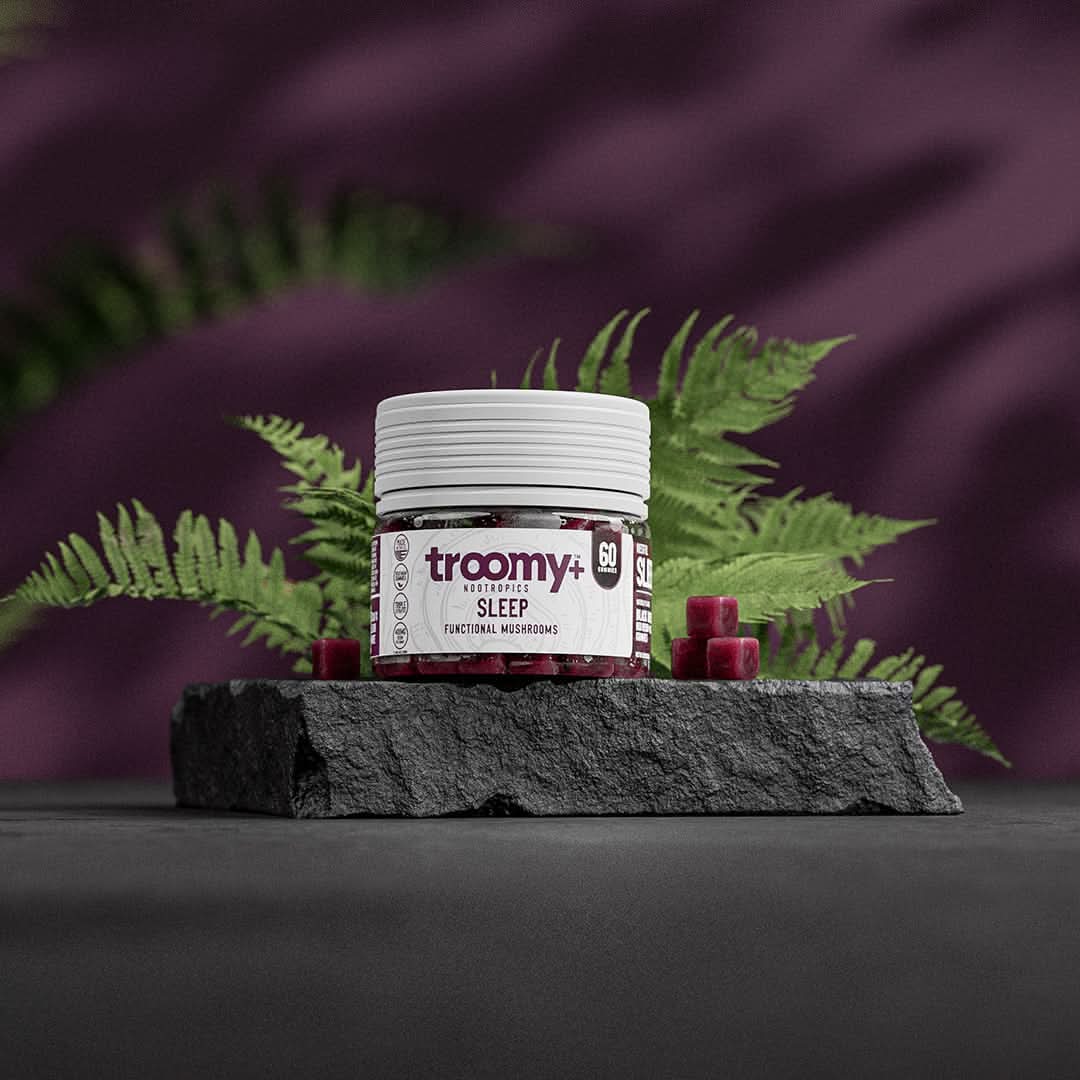
Troomy's Sleep Reishi Gummies are designed for consistent nightly use as part of a bedtime ritual. They are formulated to support sleep onset and overall sleep quality over time, making them the right choice if your primary goal is falling asleep more easily and waking up genuinely rested.
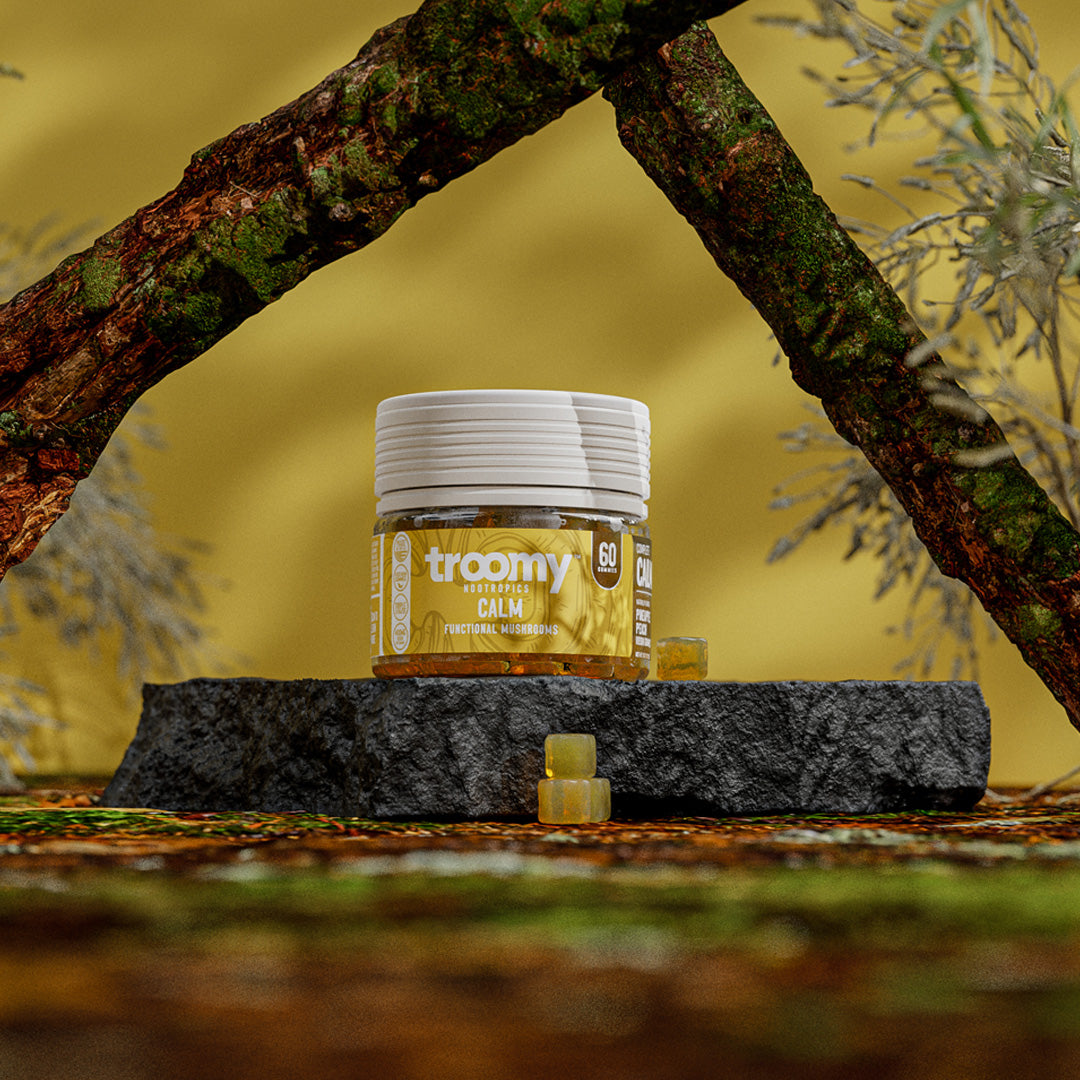
Troomy's Calm Reishi Gummies are formulated with a different application in mind. If your sleep challenges are rooted in daytime stress and an overactive nervous system that never fully unwinds by bedtime, Calm supports the anxiety-reduction and nervous system balance that is foundational to good sleep. Many people find that taking Calm during the day reduces the residual mental activation that makes it hard to fall asleep at night. Used together strategically, Sleep and Calm address the full cycle: managing stress during the day so that the body is genuinely ready to sleep when night arrives.
Both products are triple-extracted from reishi fruiting bodies, made in the USA, and vegetarian. They are available individually or as part of Troomy's Bedtime Collection for those who want to build out a complete sleep-support routine.
What Other Functional Mushrooms Can Support Better Sleep?
Reishi is the mushroom most directly associated with sleep support, but it does not work in isolation for most people. A well-rounded functional mushroom routine addresses sleep from multiple angles, including the factors that disrupt it during the day.
Lion's mane supports neurological health and may help reduce neuroinflammation that can disrupt sleep architecture. Cordyceps, when taken in the morning, supports adrenal health and healthy energy regulation throughout the day, which makes it easier for the body to shift into recovery mode at night. The connection between daytime energy regulation and nighttime sleep quality is stronger than most people realize. Troomy's guide to what are the best mushrooms for sleep expands on how each mushroom contributes to the overall sleep picture.
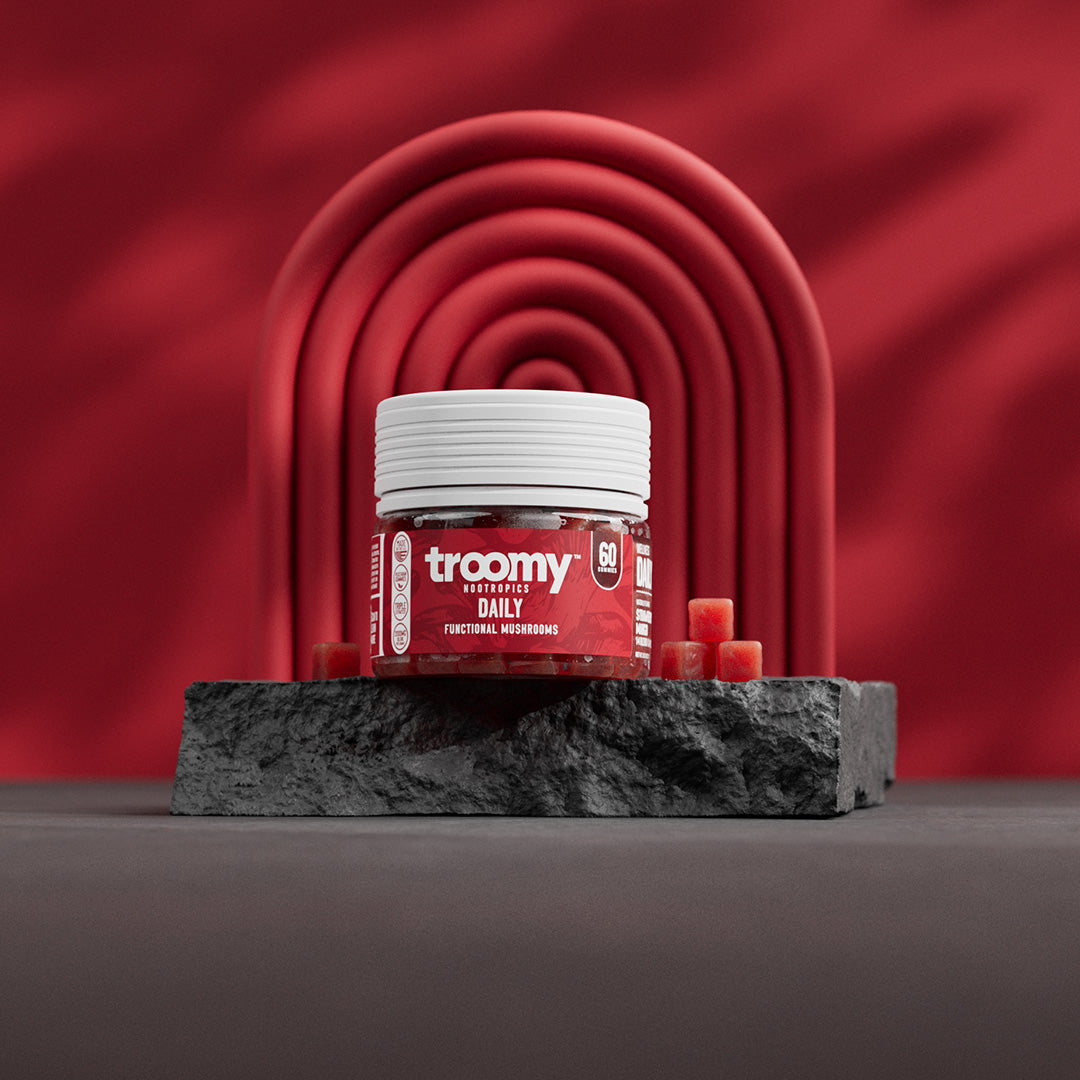
For those who want the full spectrum of functional mushroom support in a single daily serving, Troomy's Daily 14 Mushroom Blend Gummies deliver fourteen mushroom species, including reishi, lion's mane, cordyceps, and more, in one convenient format.
How to Build a Natural Sleep Routine That Works
Mushroom gummies for sleep are most effective when they are part of a consistent evening practice. The supplements do the biological work, but your habits set the stage for them.
The most impactful sleep hygiene changes are also the most straightforward. Consistent sleep and wake times train your circadian rhythm so your body begins preparing for sleep on schedule rather than waiting for a chemical signal. Reducing blue light exposure in the 90 minutes before bed prevents melatonin suppression from artificial light sources. Keeping your sleep environment cool, dark, and quiet reduces the number of external inputs your nervous system has to process during the night. Avoiding caffeine after early afternoon prevents stimulant interference with the adenosine buildup that drives natural sleepiness.
Adding reishi gummies to your evening routine, ideally 30 to 60 minutes before your target sleep time, creates a consistent biological cue while actively supporting the nervous system conditions that make sleep easier. The habit of taking them at the same time each night also works as a psychological anchor that signals the shift from day mode to wind-down mode. For practical guidance on making this stick, Troomy's article on improving sleep habits with mushroom gummies is a strong starting point, and the habit-building guide for sleep aids covers how to make supplementation a durable part of your routine rather than something you remember some nights and forget others.
What Should You Look for in a Mushroom Sleep Supplement?
The functional mushroom supplement market is crowded, and not every product is built the same way. Fruiting body extract matters. The fruiting body is the part of the mushroom that contains the highest concentrations of active compounds, including beta-glucans and triterpenes. Many cheaper products use mycelium grown on grain substrate, which delivers far lower potency. Look for products that specify fruiting body extract and disclose their extraction method.
Extraction matters as much as the source. Triple extraction, which combines water, alcohol, and fermentation processes, is the most thorough method for making a full spectrum of bioactive compounds bioavailable. Troomy uses triple extraction across its reishi product line, which is why the active compounds are present in meaningful concentrations rather than trace amounts.
For a sleep supplement specifically, reishi should be the primary active ingredient, not a supporting player buried behind high-dose melatonin. Products that lead with melatonin and add a small amount of mushroom extract as a marketing claim are not delivering the same kind of support as a properly formulated reishi gummy. The melatonin dose will dominate the effect, and the nuanced work of reishi will be largely overshadowed.
Also look for supplements that are made in the USA under third-party quality standards, vegetarian-friendly, and available in natural flavors that make nightly use something you actually look forward to rather than something you endure. Troomy's complete range of best mushrooms for sleep health meets all of these criteria, with transparent ingredient sourcing and no unnecessary additives.
Frequently Asked Questions
Do mushroom gummies help you sleep?
Reishi mushroom gummies in particular have meaningful research support for improving sleep quality. Reishi's active compounds appear to support GABA receptor activity, serotonin signaling, and gut microbiota health, all of which contribute to easier sleep onset and improved sleep architecture over time. Results build with consistent nightly use, typically becoming noticeable within two to four weeks.
What is better for sleep: reishi or melatonin?
They work differently and suit different situations. Melatonin is most effective for circadian disruptions like jet lag or shift work, where the issue is the body's internal clock being out of sync with the environment. Reishi is better suited to improving baseline sleep quality over time through nervous system support and gut-brain modulation. Many people find the most benefit from using reishi consistently every night and reserving melatonin for travel or schedule disruptions.
Does reishi make you sleepy?
Reishi does not cause immediate drowsiness. It is not a sedative. Instead, it supports sleep quality over time by modulating the nervous system, supporting serotonin production, and creating the internal conditions that allow natural sleep to occur more easily. Most people notice that after two to four weeks of consistent nightly use, they fall asleep more easily and wake up feeling more genuinely rested rather than just having slept longer.
What is the difference between Troomy Sleep and Troomy Calm for sleep?
Troomy Sleep Reishi Gummies are formulated specifically for nightly use as a direct sleep support supplement. Troomy Calm Reishi Gummies are designed to manage daytime stress and nervous system activation, which indirectly supports better sleep by reducing the residual anxiety and mental stimulation that can make falling asleep difficult. Using Calm during the day and Sleep at night addresses the full cycle of stress and rest.
When should I take mushroom gummies for sleep?
For sleep support, take reishi gummies 30 to 60 minutes before your target bedtime. This window provides enough time for the active compounds to begin their work while also establishing a consistent evening routine that functions as a psychological cue for winding down. Taking them at the same time each night reinforces the habit and amplifies the benefit over time.
How long does reishi take to work for sleep?
Most people report first noticing improved sleep onset or sleep depth after 10 to 14 days of consistent nightly use. The full benefit, including more consistent sleep quality and better mornings, tends to become apparent at the two to four week mark. Reishi is a long-game supplement that rewards consistency rather than delivering an immediate pharmaceutical-style effect.
These statements have not been evaluated by the Food and Drug Administration. This product is not intended to diagnose, treat, cure, or prevent any disease.


