



You've heard about functional mushrooms. You've seen the ads. Now you're trying to figure out which gummy is actually worth buying, and whether any of them really work. Here's the honest guide.
There are hundreds of mushroom gummies on shelves and in Instagram ads right now, and most of them look nearly identical: a jar, a mushroom illustration, and a promise of better focus, better sleep, or more energy. What is not obvious from the label is whether the gummy actually contains enough of the right material to do anything at all. This guide walks through what mushroom gummies actually are, the three quality standards that separate a gummy that works from one that doesn't, which mushroom matches your specific problem, and how to think about format, timing, and realistic expectations before you buy.
What Are Mushroom Gummies and How Do They Work?
A mushroom gummy is a chewable supplement made by combining a mushroom extract, or in lower quality products, raw mushroom powder, with a gummy base. The goal is to deliver the naturally occurring compounds in functional mushrooms, primarily beta-glucans and triterpenes, in a format that is easier to take consistently than a capsule or a scoop of powder.
The most commonly used species each target a different everyday problem. Lion's mane is best known for supporting focus and mental clarity. Reishi is associated with calm and better sleep. Cordyceps is used for natural energy and stamina. Chaga and turkey tail are generally used for immune support. Tremella has become popular for skin hydration and beauty. Some products, like Troomy's Daily 14 Mushroom Blend, combine a wide range of species into a single daily gummy so you get broad coverage instead of picking just one.
This guide focuses specifically on gummies, so if you want the fuller picture of adaptogens and functional mushrooms as a category, including how gummies stack up against capsules, powders, coffee, and tea across all six major species, Troomy's complete guide to adaptogenic mushrooms is the foundational resource everything else on this site builds from.
It is worth saying plainly that functional mushrooms are not stimulants and they are not a quick fix. They work cumulatively, with most people noticing subtle changes in the first one to two weeks and a more noticeable difference by week three or four of consistent daily use. That is normal, and it is covered in more detail later in this guide.
The Three Quality Standards Every Mushroom Gummy Should Meet
Before you buy any mushroom gummy, there are three questions worth asking. Most products on the market fail at least one of them, which is the real reason so many people try a mushroom gummy and feel nothing. Knowing how to choose mushroom gummies really comes down to running any label past these three checks before it goes in the cart, rather than trusting the front-of-bottle marketing.
Is It Extracted?
Extraction is the process of pulling the active compounds out of the mushroom using hot water, alcohol, or both, and concentrating them. Raw mushroom powder, by contrast, is just the whole dried mushroom ground up, with the active compounds still locked inside a chitin cell wall that the human body cannot fully break down. A gummy made from unextracted powder can list an impressive milligram count on the label and still deliver very little usable material. Troomy's gummies use a triple extraction process specifically to avoid this problem.
Is It Fruiting Body, Not Mycelium?
The fruiting body is the part of the mushroom you would recognize if you saw it growing, and it carries the highest concentration of the beneficial compounds. Mycelium, on the other hand, is the root-like structure that is often grown on grain, and mycelium-on-grain products can end up mostly starch rather than mushroom. Look for the words fruiting body on the supplement facts panel.
Is It Third-Party Tested?
A certificate of analysis, or COA, is an independent lab's confirmation that a product actually contains what the label claims, and that it is free of contaminants like heavy metals. Reputable brands publish this or provide it on request. If a brand will not share a COA, that alone is worth treating as a red flag.
A ninety-second label check, the same one laid out in the mushroom gummy quality checklist, is usually enough to catch the products that fail all three of these outright, long before you get to the ingredients you actually care about.
Which Mushroom Is Right for Your Problem?
The easiest way to choose among the mushroom supplement gummies crowding a wellness aisle is to start with your problem, not the ingredient list. Here is how the main species line up with the most common reasons people go looking for a functional mushroom in the first place.
Can't Sleep?
If you're tired but wired, and melatonin alone either doesn't work or leaves you groggy the next morning, reishi is the mushroom worth starting with. Reishi works differently than a sedative. It supports the body's ability to wind down rather than forcing sleep onset, which is part of why it can be combined with a small dose of melatonin without the grogginess that comes with a large melatonin dose alone.
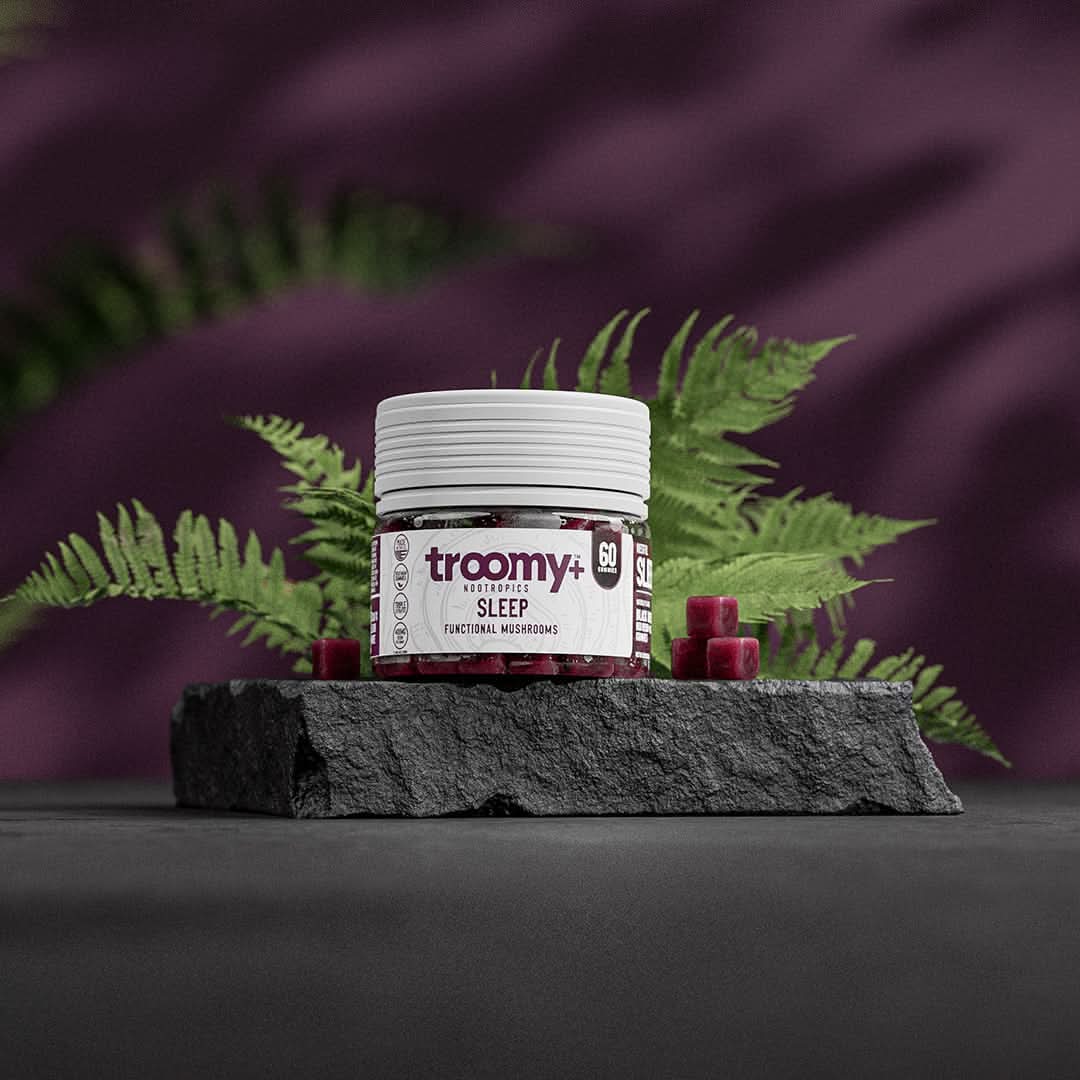
Troomy's Sleep Reishi Gummies combine triple-extracted reishi with melatonin, passionflower, and lemon balm at under a dollar a night, and the reason that particular combination tends to outperform a bigger melatonin dose on its own is really the whole subject of Best Mushroom Gummies for Sleep, worth reading if grogginess the next morning has been the dealbreaker so far.
Struggling to Focus?
If afternoons feel foggy no matter how much coffee you drink, lion's mane is the mushroom most closely associated with mental clarity and cognitive support. It is caffeine-free, so there is no crash to plan around.
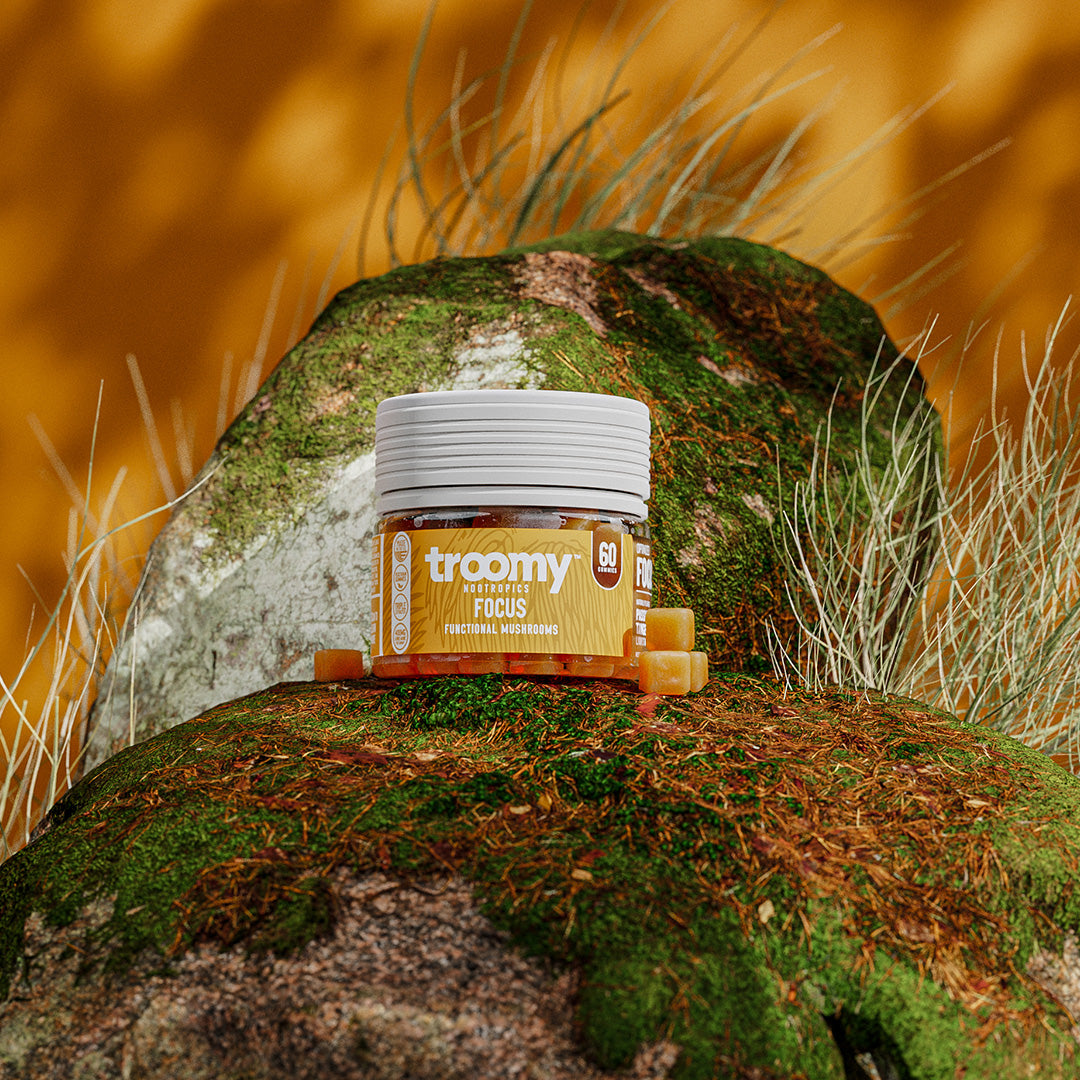
Troomy's Focus Lion's Mane Gummies are triple-extracted and made in the USA. Mushroom gummies vs mushroom coffee is worth a read if you first discovered lion's mane through a morning mushroom latte, since the caffeine in that cup can end up working against the exact benefit you were chasing.
Need More Energy?
Cordyceps is the mushroom most associated with natural energy and stamina, without the jittery crash that comes with a fourth cup of coffee.
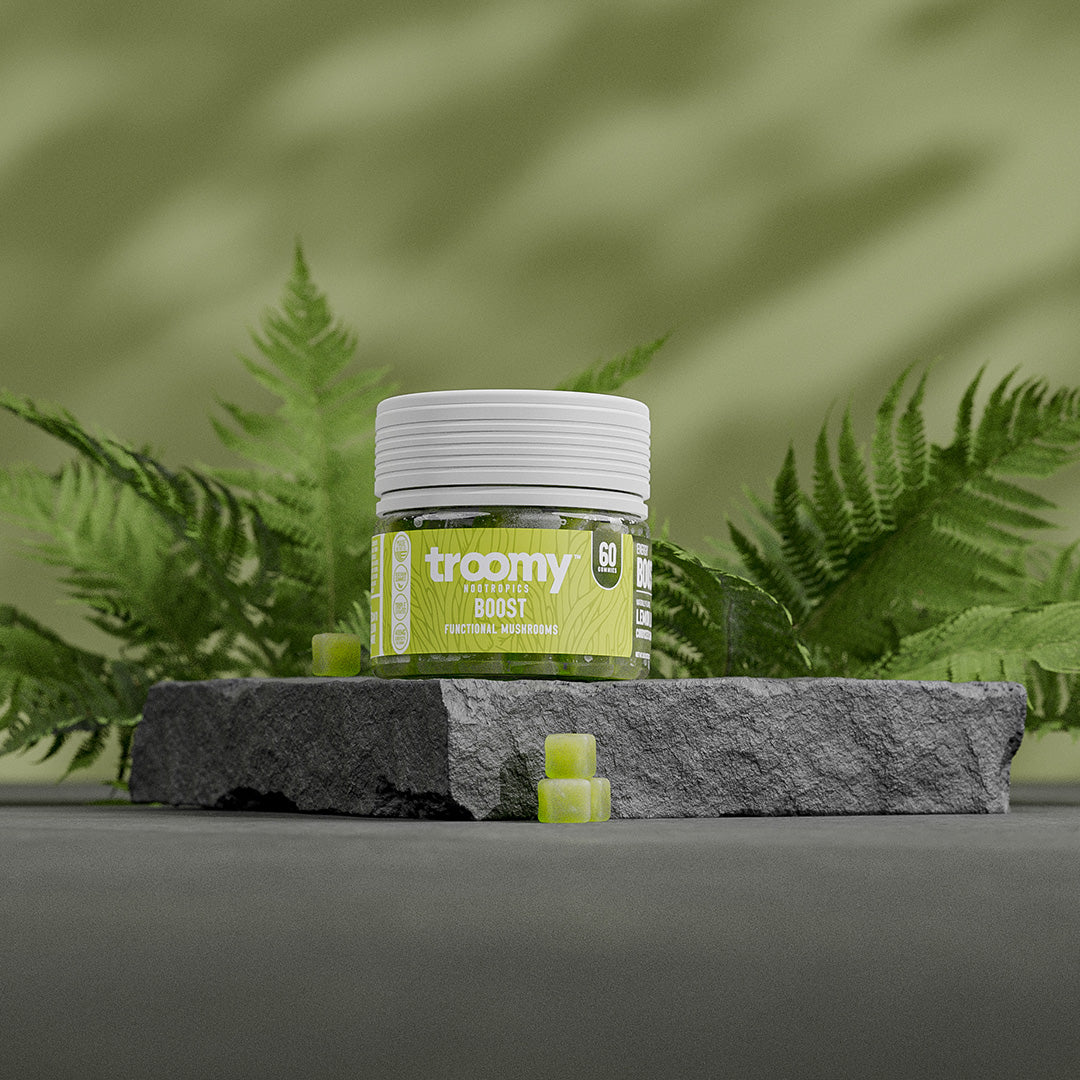
Troomy's Boost Cordyceps Gummies are caffeine-free and made to work with your body instead of against it.
Feeling Wired or Anxious?
For everyday stress rather than sleep specifically, reishi paired with ashwagandha is a common calming stack. The combination is meant to take the edge off a stressful afternoon or a racing mind at 9pm, not to sedate you.
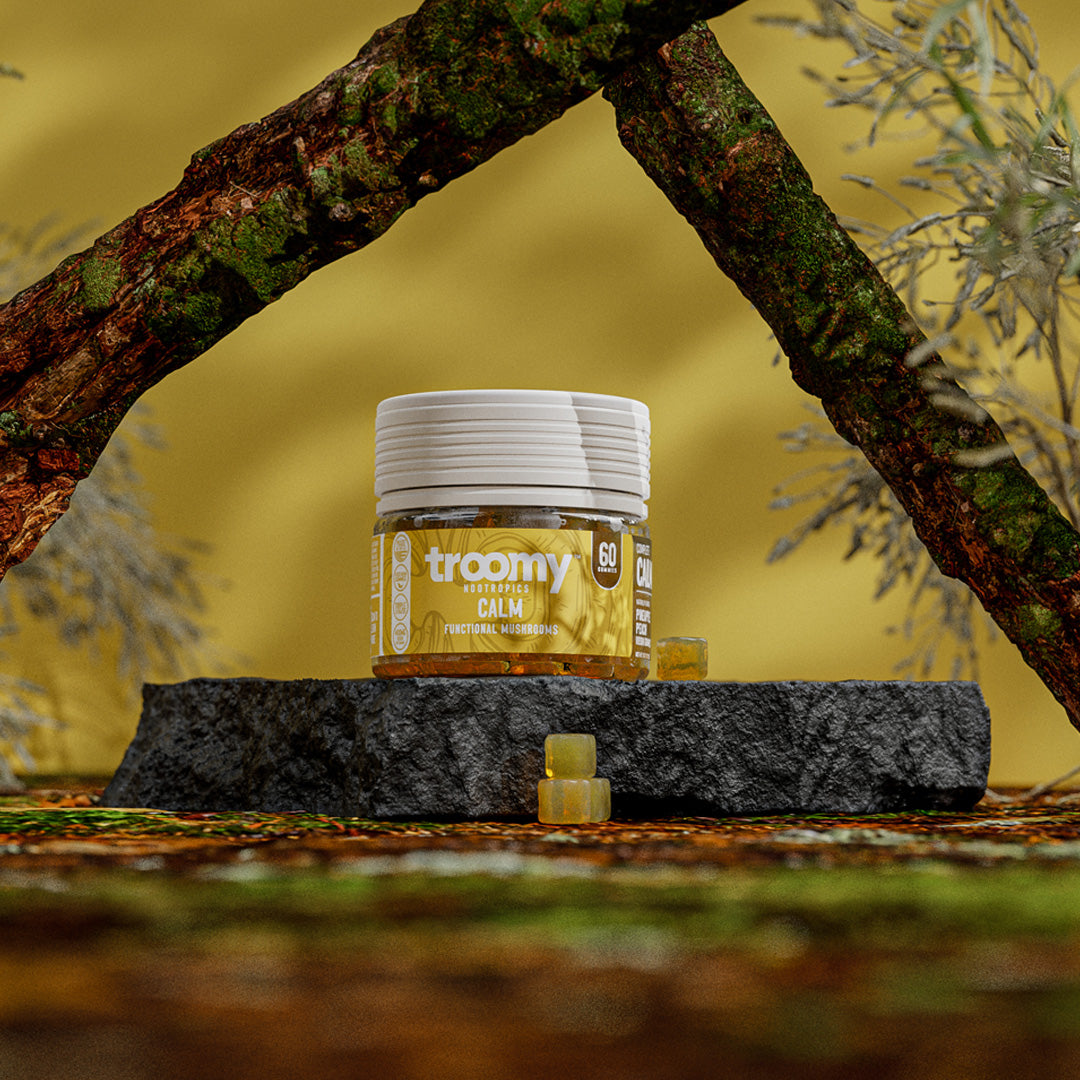
Troomy's Calm Reishi Gummies are built around this stack.
Looking to Support Immunity?
Chaga and turkey tail are the two species most commonly used for everyday immune support, and they are typically taken as a preventive daily habit rather than something you reach for only when you already feel sick.
See Troomy's full immunity collection for options built around these two species.
Want a Beauty and Skin Boost?
Tremella has become popular in beauty-focused supplements because of its association with skin hydration, and it is often paired with biotin and collagen for a more complete daily beauty stack.
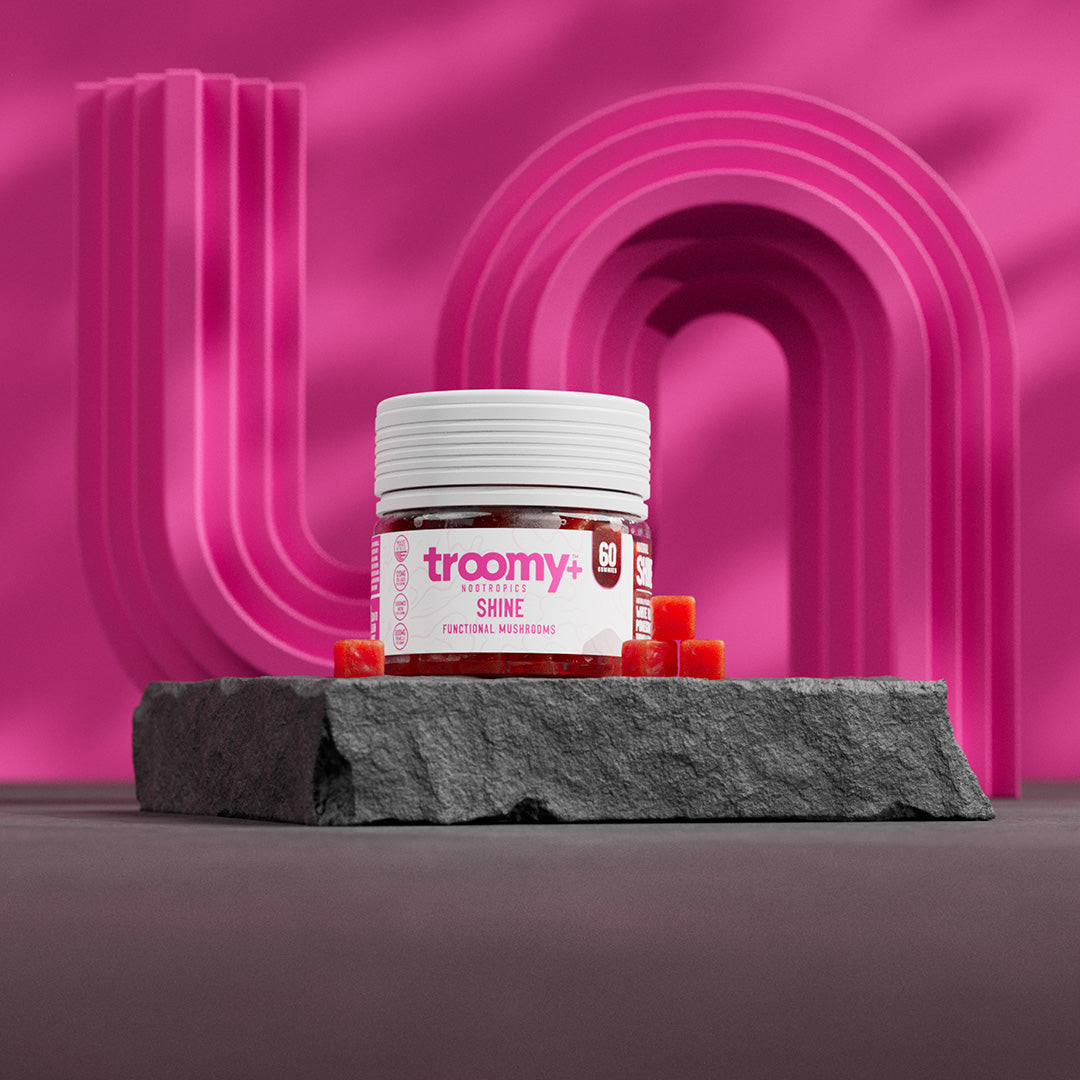
Troomy's Shine Biotin Collagen Tremella Gummies combine all three in one daily gummy.
Not Sure Where to Start?
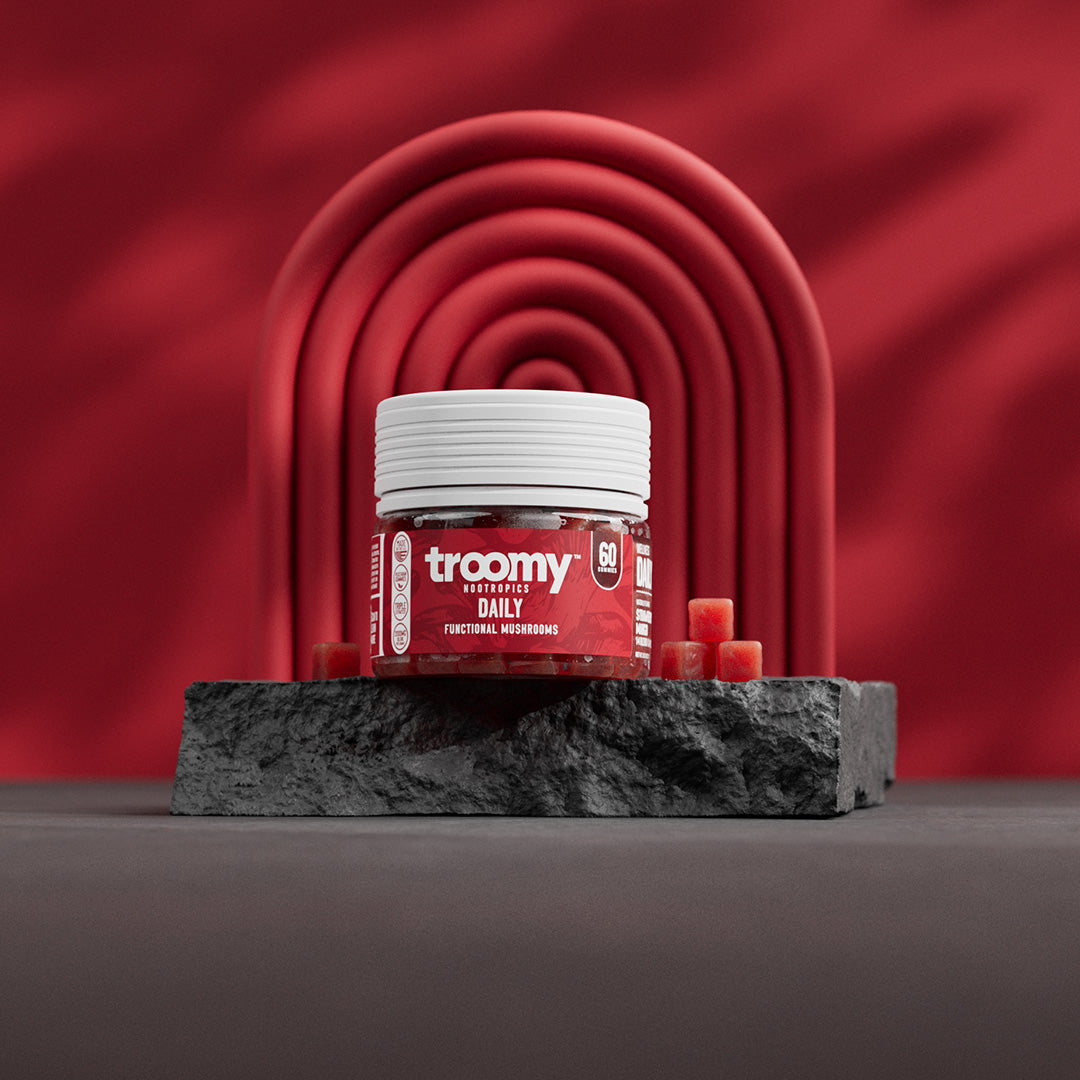
If your problem doesn't map neatly onto one category, or you want broad daily coverage, Troomy's Daily 14 Mushroom Blend combines fourteen species into a single triple-extracted, fruiting body, third-party tested gummy.
Best mushroom gummies for beginners almost always comes down to one of two answers if this is your first functional mushroom purchase of any kind: the Daily 14 Mushroom Blend for broad coverage, or one single-species gummy matched to whichever problem feels most urgent right now.
Picking the right mushroom only solves half the equation. When you take it during the day matters almost as much, which is why lion's mane gummies tend to get taken with breakfast while reishi gummies get saved for thirty to sixty minutes before bed, a pattern spelled out in detail in Best Time to Take Mushroom Gummies.
Mushroom Gummies vs Capsules vs Powder: Which Format Wins for Daily Consistency?
Gummies, capsules, and powder each have real tradeoffs. Capsules are familiar and easy to dose, but many on the market are filled with whole mushroom powder rather than extract. Powder is flexible and can be added to coffee or a smoothie, but taste and inconsistent dosing are common complaints. Gummies tend to win on the one factor that matters most for a daily supplement: whether you actually keep taking it. A gummy that tastes good and delivers a consistent dose every time is easier to build into a daily habit than a capsule you have to remember, or a powder you have to measure.
The bigger factor, though, is not the format at all. It is extraction. A triple-extracted gummy will outperform an unextracted capsule regardless of what the milligram count on either label says.
That tradeoff between convenience and what actually gets absorbed is exactly what gets weighed, line by line, in Mushroom Gummies vs Capsules vs Powder, and more often than not it is the cost-per-serving math, not the taste, that ends up changing people's minds.
How Long Do Mushroom Gummies Take to Work?
This is one of the most common questions from new buyers, and the honest answer is that functional mushrooms are not instant. In the first one to two weeks, most people notice subtle, foundational changes rather than a dramatic shift. By weeks three and four of consistent daily use, most people report a real, noticeable difference. Results vary somewhat by mushroom. Reishi for sleep and cordyceps for energy tend to show up a bit faster than lion's mane for cognitive support, which tends to build more gradually.
This is exactly why Troomy backs its products with a 30-day guarantee. Try it for a month. If you can't feel the difference, it's on us.
How long mushroom gummies take to workmaps out exactly what is normal at each stage of that four-week window, day by day, which is a useful check-in for anyone three days into a bottle and already wondering whether it is doing anything at all.
Why Troomy?
Every Troomy mushroom gummy is triple-extracted, made from fruiting body material, third-party tested, made in the USA, vegetarian, and flavored with natural flavors people actually enjoy taking every day. Instead of a single generic blend, Troomy builds each product around one specific everyday problem, sleep, focus, energy, calm, immunity, or beauty, so you can match the product to what you actually need rather than guessing at a label full of ingredients.
If you're still not convinced any of this actually makes a difference, that skepticism is fair, and Are Mushroom Gummies Worth It? takes the question seriously instead of brushing it aside, walking through what the research actually supports and where it's still catching up.
Which Mushroom Gummy Should You Actually Buy?
If you take only one thing from this guide, take this. Match the mushroom to the problem, not the label: reishi for sleep, lion's mane for focus, cordyceps for energy, reishi paired with ashwagandha for everyday calm, chaga and turkey tail for immunity, and tremella for skin and beauty. Whichever one you land on, confirm it clears the three checks from earlier in this guide, extracted, fruiting body, third-party tested, and then give it a genuine 30 days before deciding whether it has earned a permanent spot in your routine. That is the entire framework, and it is the same one used to build every product in Troomy's lineup.
If you're not sure where to start, Troomy's mushroom gummy bundles let you try the blends that match your biggest problem, sleep, focus, or energy, without committing to a single product.
Frequently Asked Questions
What are the best mushroom gummies?
The best mushroom gummy for you depends on your goal. Reishi is generally best for sleep, lion's mane for focus, and cordyceps for energy. Across all goals, the best products share three traits: they are extracted rather than raw powder, made from fruiting body material, and third-party tested. A gummy that meets all three, like Troomy's core lineup or the Daily 14 Mushroom Blend, is a safer starting point than a generic blend with an unclear label.
Do mushroom gummies actually work?
Quality mushroom gummies taken consistently can work, but a large share of products on the market are made from whole, unextracted mushroom powder, which is a common reason people try a gummy and feel nothing. Extraction method matters more than the milligram count on the label. Given a properly extracted product and thirty days of consistent daily use, most people report a real difference.
How do I know if a mushroom gummy is good quality?
Check the label for three things: the word extract or a stated extraction ratio, the words fruiting body rather than mycelium, and a certificate of analysis from a third-party lab. If a brand does not mention extraction or fruiting body, and does not offer a COA, treat that as a sign to look elsewhere.
How long does it take for mushroom gummies to work?
Most people notice subtle, foundational changes in the first one to two weeks of daily use, with a more noticeable difference typically showing up by week three or four. Functional mushrooms work cumulatively rather than instantly, which is why consistency matters more than any single dose.
What is the best mushroom gummy for sleep?
Reishi is the mushroom most associated with better sleep, particularly when combined with a modest dose of melatonin, passionflower, and lemon balm. Troomy's Sleep Reishi Gummies are built around this combination and are formulated to help you wind down without the grogginess that a larger melatonin-only dose can cause.
Are mushroom gummies safe?
Functional mushroom gummies made from culinary and medicinal species like reishi, lion's mane, and cordyceps are generally well tolerated by most healthy adults when taken as directed. As with any supplement, anyone who is pregnant, nursing, taking medication, or managing a medical condition should talk to a doctor before starting a new supplement.
These statements have not been evaluated by the Food and Drug Administration. This product is not intended to diagnose, treat, cure, or prevent any disease.


