



Mushroom coffee is everywhere. You have seen it in every wellness influencer's morning routine video, usually somewhere between the cold plunge and the gratitude journal. But is it actually better than a mushroom gummy? Or is it just a more expensive way to get your caffeine fix?
It is a fair question, because both products promise the same thing: the benefits of functional mushrooms like lion's mane, cordyceps, and reishi, delivered in a format you will actually stick with. The real differences come down to what else is in the cup, how much mushroom you are actually getting, and what kind of daily routine you are trying to build.
This guide walks through the honest comparison. And if you are still weighing your options more broadly, our complete mushroom gummies buyer's guide covers everything to look for before you buy any mushroom supplement.
What Is Mushroom Coffee, Exactly?
Mushroom coffee is regular coffee, usually instant or ground, blended with powdered functional mushrooms. The most common species are lion's mane, chaga, cordyceps, and reishi. Brands typically position it as an upgrade to your normal cup: the same morning ritual with less jitter and a functional bonus.
The important thing to understand is that mushroom coffee is still coffee. It contains caffeine, often somewhat less than a standard cup depending on the brand, but caffeine all the same. The mushroom portion is usually a powdered blend split across several species, which raises three questions worth asking of any product: Is the mushroom extracted or just ground-up whole powder? Is it made from fruiting body or mycelium grown on grain? And how many milligrams of each species are actually in one cup? Many mushroom coffee labels do not answer these questions clearly, and that vagueness matters more than the marketing does.
Can Caffeine Work Against the Mushrooms?
Functional mushrooms and caffeine work in fundamentally different ways. Caffeine is a stimulant. It blocks adenosine receptors and gives you an immediate, borrowed lift, followed by the familiar crash when it wears off. Functional mushrooms are adaptogens. They work with your body gradually and cumulatively, and the benefits build over weeks of consistent use rather than minutes.
Combining the two creates two practical problems. The first is attribution. When you drink mushroom coffee and feel sharper, you have no way of knowing whether that is the lion's mane or simply the caffeine, and the mid-afternoon dip that follows is definitely the caffeine. The second problem is direction. Calming mushrooms like reishi are working to help your body settle while the caffeine in the same cup is actively pushing the other way. You are paying for two ingredients that are, to some degree, canceling each other out.
There is also the dependency question. If part of the reason you are looking at functional mushrooms is that you want to stop needing three coffees to get through the day, a product that still contains caffeine keeps that cycle running. It just gives the cycle a wellness label.
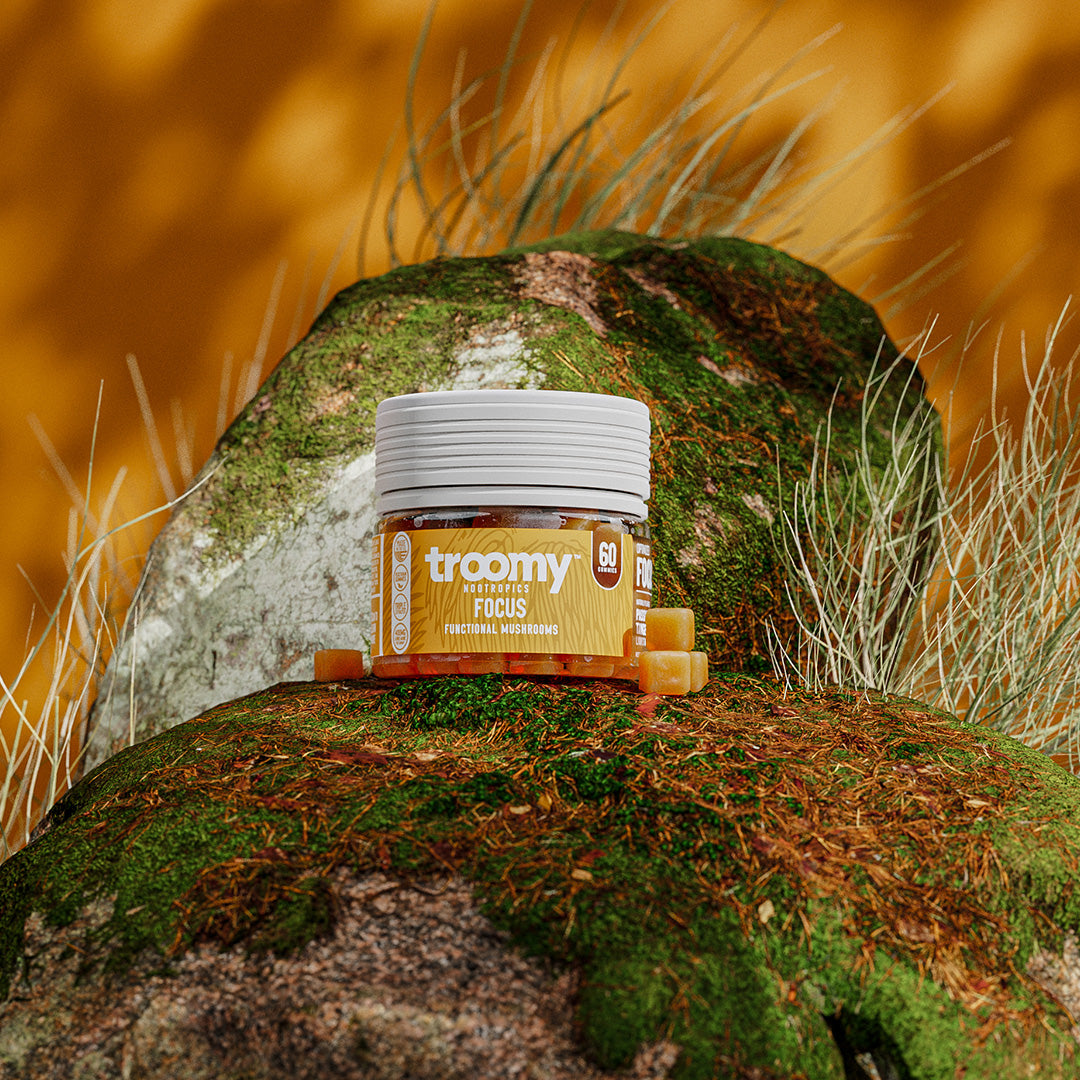
If you are already cutting back on caffeine, or you just want the lion's mane without the coffee, Troomy's Focus Lion's Mane Gummies give you 800mg of triple-extracted lion's mane per serving, made in the USA. No caffeine, no crash, just the mushroom doing its thing.
How Much Mushroom Are You Actually Getting?
This is the single biggest difference between the two formats, and it has nothing to do with taste or ritual. If you are weighing lion's mane coffee vs gummies specifically, this section is where that question gets decided.
A cup of mushroom coffee contains a modest amount of mushroom powder, and that amount is frequently divided across multiple species. Worse, the mushroom in many coffee blends is unextracted whole powder. The beneficial compounds in mushrooms, including beta-glucans, sit inside tough cell walls made of chitin, the same material as an insect's shell. Your body cannot break chitin down efficiently, which means unextracted mushroom powder passes through you with most of its active compounds still locked inside. Extraction, using hot water or alcohol or both, is what frees those compounds and makes them available to your body.
By contrast, a quality mushroom gummy gives you one meaningful, measured dose of extract, and the same dose every single day. Troomy's Focus gummies contain 800mg of triple-extracted lion's mane per serving, from a label that tells you exactly what you are getting. That consistency matters because functional mushrooms work cumulatively. Thirty days of the same reliable dose will always beat thirty days of a variable, diluted one. This is the same reason extraction method matters more than format overall, a point we cover in depth in our mushroom gummies vs capsules vs powder comparison.
What Does Each One Cost Per Day?
Mushroom coffee is priced as a premium coffee, and the math depends on how you use it. If it fully replaces coffee you were already buying, the added cost may be modest. If it gets added on top of your existing coffee habit, or replaces cheap home brewing with a premium powder, the daily cost climbs quickly. And part of what you are paying for in every serving is the coffee itself, not the mushrooms.
With a gummy, the entire serving is the supplement. A single bottle covers a month or more of daily servings, and when you break the price of a bottle down into cost per day, it typically lands well below what a daily specialty coffee habit costs. You are paying for the mushroom extract, full stop. That is a cleaner value equation, especially if the whole point is the mushroom in the first place.
Who Is Mushroom Coffee Right For?
An honest comparison should say this plainly: mushroom coffee is a reasonable choice for some people. If you love the ritual of coffee, have no intention of giving up caffeine, and are simply looking for a slightly more functional version of the cup you already drink every morning, mushroom coffee can make sense. This is especially true if it directly replaces money you were already spending on coffee. Just apply the same quality standards you would to any supplement: look for extracted mushrooms, fruiting body sourcing, and disclosed doses per species.
Who Are Mushroom Gummies Better For?
Mushroom gummies are the better fit if any of the following sound like you. You are trying to reduce caffeine, not repackage it. You want a consistent, measurable dose of a specific mushroom rather than a small amount of several. You want to take mushrooms at times of day when coffee makes no sense, because nobody wants a cup of reishi coffee thirty minutes before bed. You travel, commute, or have mornings too chaotic for brewing anything. Or you are simply sensitive to caffeine and want the benefits without the side effects.
There is also a quieter advantage: gummies separate your mushroom decision from your coffee decision. You can keep drinking the coffee you actually like, exactly the way you like it, and take your lion's mane gummy alongside it. No compromise on either front.
Which One Fits a Daily Routine Better?
Here is where the two formats separate most clearly, and it is the part the daily-routine question really comes down to. A supplement only works if you actually take it, consistently, for long enough to feel the cumulative benefit. Mushroom coffee ties your mushroom dose to a specific ritual: you have to brew it, you have to want coffee at that moment, and if you skip your morning cup or travel or switch to decaf in the afternoon, you skip the mushrooms too. The habit is only as reliable as your coffee habit is.
A gummy detaches the mushroom from all of that. It is the same measured dose whether it is 7am or 9pm, whether you are at home or in an airport, whether you drank coffee that day or not. There is nothing to brew and nothing to measure. That low friction is exactly what makes a daily habit stick, and daily consistency is what functional mushrooms reward. For most people building a routine they can actually keep for 30 days and beyond, the gummy is the format that survives real life.
The Bottom Line
Frame it as mushroom coffee vs mushroom gummies or the other way around, and the answer is the same: the real question is not which product is trendier. It is what problem you are trying to solve. If your problem is that you love coffee and want a marginally better cup, mushroom coffee is fine. If your problem is afternoon brain fog, dwindling focus, or a caffeine habit you would like to shrink, a caffeine-free gummy with a real extract dose is the more direct answer, and the easier habit to keep.
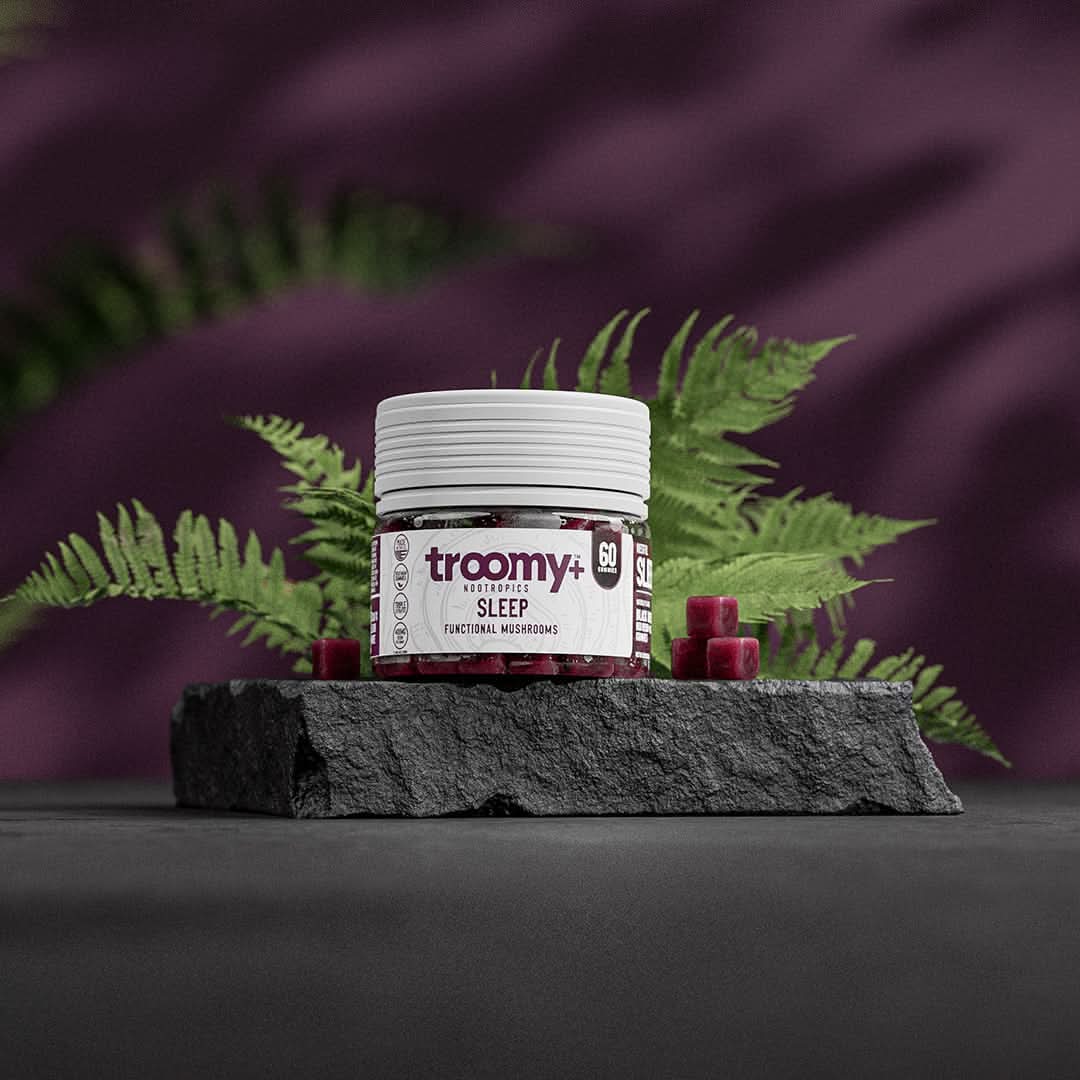
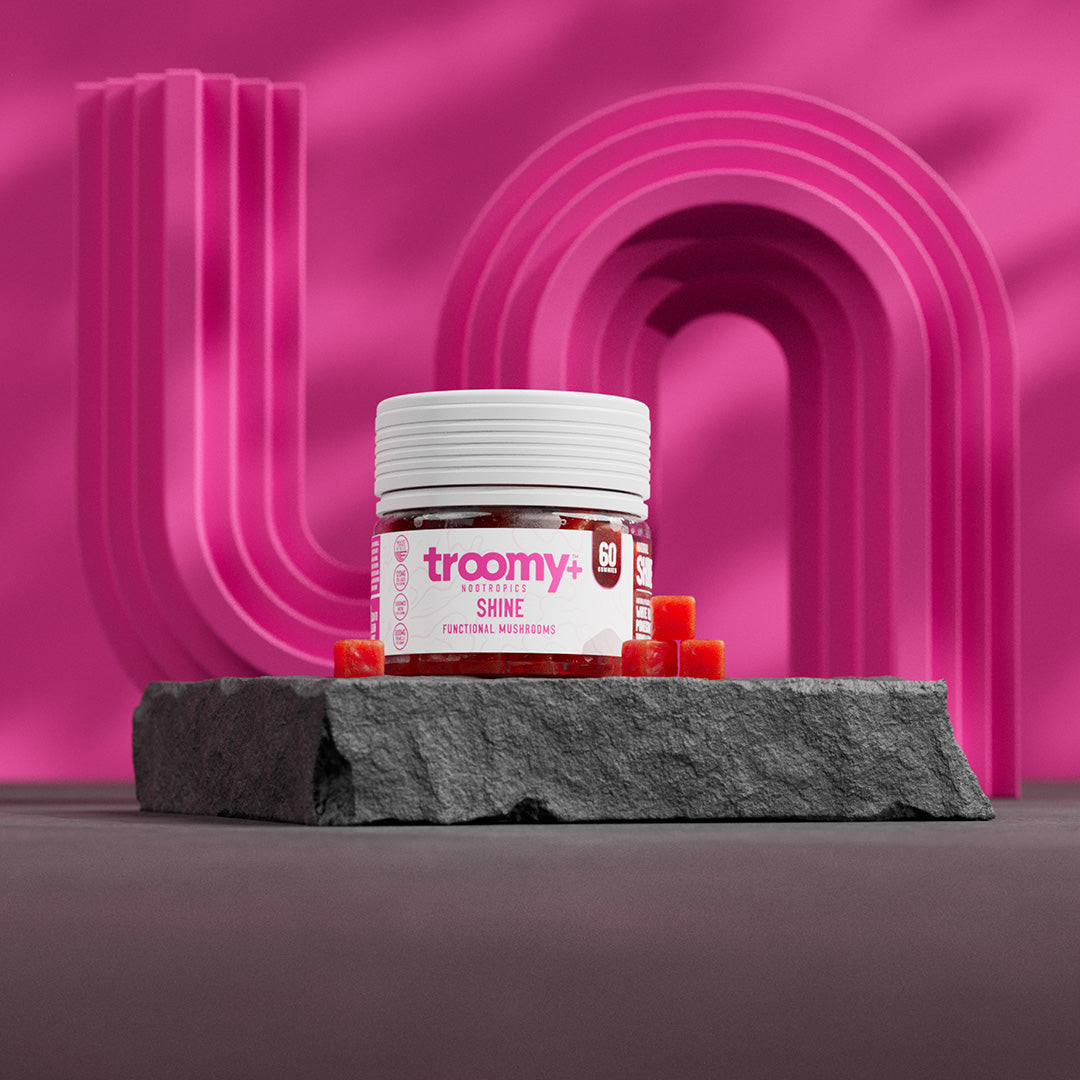
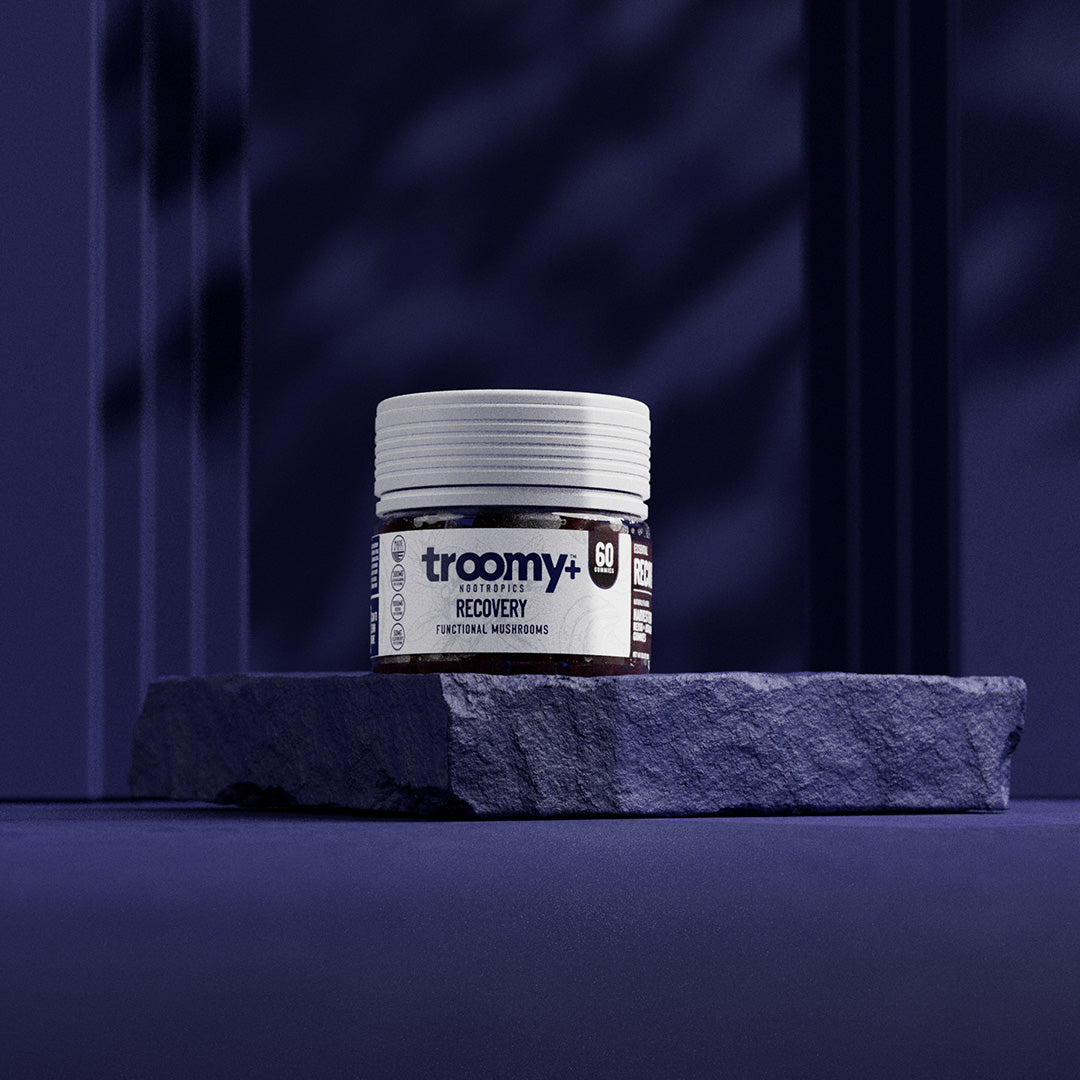
Not sure whether focus, energy, or sleep is your biggest problem? Troomy's mushroom gummy bundles let you match the blend to the problem you actually have and try it for 30 days. If you cannot feel the difference, it is on us.
Frequently Asked Questions
Are mushroom gummies better than mushroom coffee?
It depends on your goal. If you want a coffee replacement and plan to keep drinking caffeine, mushroom coffee can be a reasonable upgrade to your existing cup. If you want the benefits of functional mushrooms without caffeine, with a consistent extract dose you can take at any time of day, mushroom gummies are the better fit. Troomy's Focus Lion's Mane Gummies deliver 800mg of triple-extracted lion's mane per serving with no caffeine.
How much lion's mane is in mushroom coffee?
It varies widely by brand, and many mushroom coffees list their mushroom content as a proprietary blend without disclosing how much of each species is in a serving. The mushroom portion is often unextracted powder, which means fewer of the bioactive compounds are available to your body. Always check the label for a species-level dose and an extraction method before buying.
Can I take mushroom gummies instead of mushroom coffee?
Yes. Mushroom gummies deliver functional mushrooms in a standalone, caffeine-free serving, so you can take them whether or not you drink coffee. Many people keep their regular coffee and take a lion's mane gummy separately, which gives them a consistent mushroom dose without changing their coffee habit.
Do mushroom gummies have caffeine?
Troomy's mushroom gummies are caffeine-free. Any lift you feel comes from the mushrooms themselves, not a stimulant, which also means there is no caffeine crash later in the day and you can take calming blends like reishi in the evening without disrupting sleep.
What is the difference between mushroom coffee and mushroom supplements?
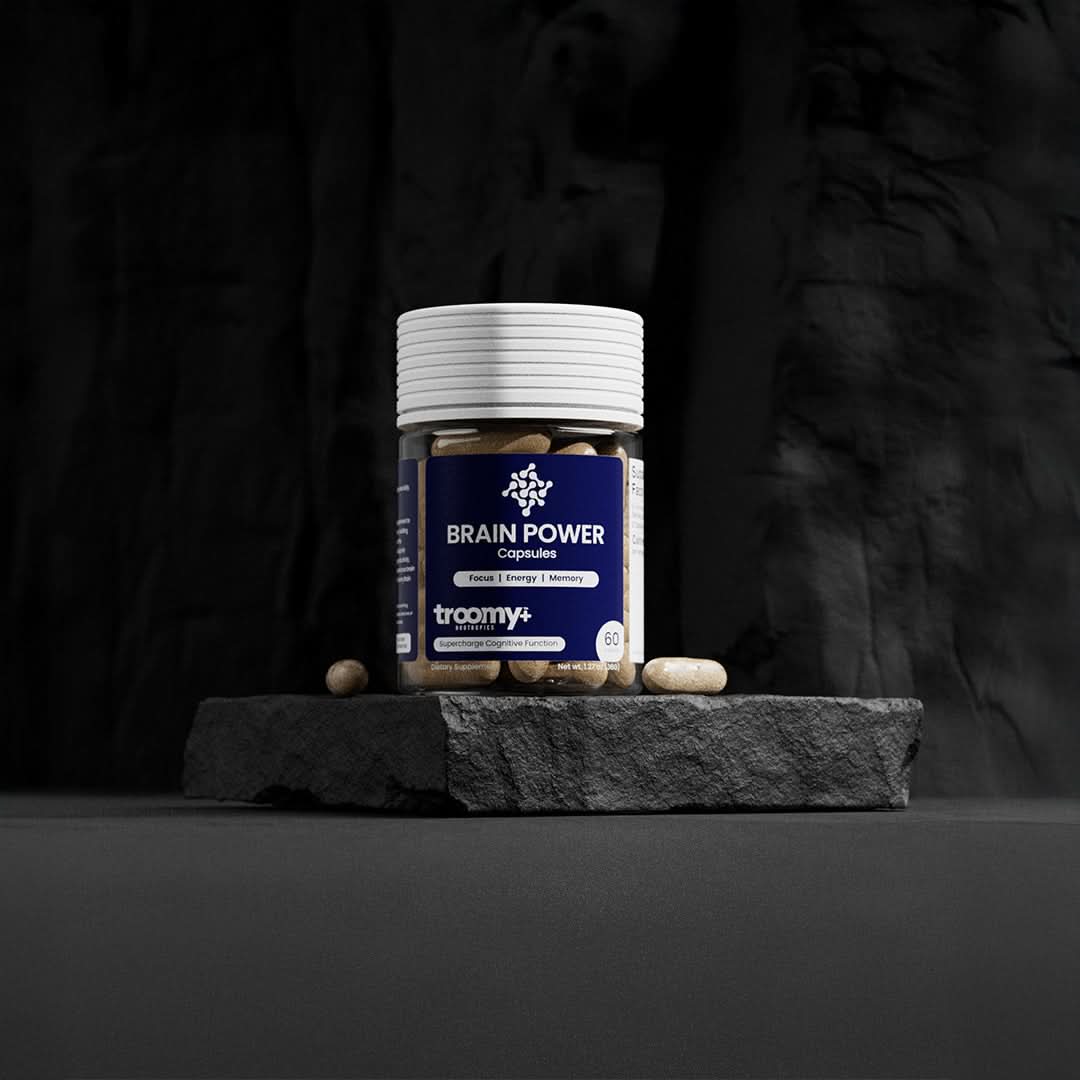
Mushroom coffee is a beverage that combines coffee, and therefore caffeine, with powdered functional mushrooms, usually in a multi-species blend. A mushroom supplement like a gummy or capsule is a standalone product that delivers a measured dose of one or more mushrooms, often as a concentrated extract, with no caffeine. Supplements make it easier to know exactly what you are taking and to take it consistently.
These statements have not been evaluated by the Food and Drug Administration. This product is not intended to diagnose, treat, cure, or prevent any disease.


