



You have read the reviews. You have seen the ads in every wellness feed. And you are still not sure whether mushroom gummies are a real wellness tool or a clever way to sell candy with a health halo. Maybe a friend swears by them. Maybe you already tried a bottle once, felt nothing after a couple of weeks, and quietly wrote the whole category off. Either way, you want a straight answer before you spend money again.
So here it is. It depends on what you buy and whether you take it consistently. But yes, if you choose a quality product and give it a real 30 days, most people notice a genuine difference. The catch is that a large share of the mushroom gummies on the market are not quality products, and that is exactly why so many people feel nothing. Below is the honest guide to telling the two apart, so you never waste money on the wrong bottle again.
The Honest Answer: Some Mushroom Gummies Work and Some Don't
Functional mushrooms are not a fad invented for supplement labels. Species like lion's mane, reishi, and cordyceps have been used for centuries and studied in modern research for their effects on focus, calm, sleep, and energy. That part is real. What is also real is that the gummy in your hand may contain almost none of the active compounds that make those mushrooms useful.
This is the piece most buyers miss. The question is rarely whether mushrooms work. The better question is whether the specific gummy you bought was made in a way that actually delivers them. A well-made reishi gummy and a cheap one can sit on the same shelf, use the same mushroom name, and produce completely different results. The mushroom matters. How it was processed matters more.
What Does the Research Actually Say About Mushroom Gummies?
There is no single study on gummies as a format, because a gummy is just a delivery method. The research that matters is on the mushrooms inside them, and the honest picture is that some species have stronger human evidence than others.
Lion's mane has some of the most encouraging cognitive research. A frequently cited randomized, double-blind, placebo-controlled trial published in Phytotherapy Research (Mori et al., 2009) followed older adults with mild cognitive impairment who took lion's mane for 16 weeks. The group taking the mushroom showed significantly improved cognitive scores compared with placebo, and the benefit faded after they stopped. It is a small study, and more research is ongoing, but it is real, peer-reviewed evidence rather than marketing.
Reishi has a longer traditional history for calm and sleep, and a growing but still developing body of research. Studies have explored its adaptogenic effects on stress response, fatigue, and sleep quality. The human evidence here is more limited than for lion's mane, and any honest brand should say so rather than promise a knockout sleep aid. What reishi appears to do is help the body wind down, which is different from a sedative that forces you unconscious.
The takeaway is not that every mushroom is a proven miracle. It is that the credible research points to consistent, cumulative benefits from quality extracts, not overnight transformations. Any product claiming instant, dramatic results is telling you more about its marketing than its mushrooms. If you want the fuller breakdown of what to weigh before buying, the complete mushroom gummies buyer's guide walks through it species by species.
Why Do So Many People Try Mushroom Gummies and Feel Nothing?
Here is the uncomfortable truth behind most disappointing mushroom gummy experiences. A large portion of products on the market are made with whole mushroom powder rather than a concentrated extract. Whole powder is cheaper to produce, looks impressive on an ingredient panel, and can carry a big milligram number on the label. The problem is that the beneficial compounds in mushrooms, like beta-glucans, are locked inside tough cell walls made of chitin. Your body cannot break chitin down efficiently, so much of what you swallow passes through without ever being absorbed.
Extraction is the process that unlocks those compounds. Hot water and alcohol extraction breaks down the cell walls and concentrates the active ingredients into a form your body can actually use. A triple-extracted gummy with a smaller number on the label can easily outperform an unextracted powder gummy boasting a bigger one. This single distinction explains most of the gap between people who love their gummies and people who feel cheated. It usually was not the mushroom that failed them. It was the fact that the mushroom was never made bioavailable in the first place.
The Three Things to Check Before You Buy Any Mushroom Gummy
You do not need a chemistry degree to avoid a bad product. You need three questions. If a gummy cannot answer all three with a confident yes, it is probably not worth your money.
1. Is it extracted?
Look for the words extract, extracted, or dual-extracted, not just mushroom powder. Extraction is what makes the active compounds absorbable. If the label only says mushroom powder or the whole mushroom name with no mention of extraction, assume you are paying for filler your body cannot use.
2. Is it fruiting body or mycelium?
The fruiting body is the actual mushroom, the part with the highest concentration of beneficial compounds. Mycelium is the root-like network, often grown on grain, which means the finished powder can contain a large amount of leftover grain starch rather than mushroom. Fruiting body sourcing is a strong signal of a serious product.
3. Is it third-party tested?
A trustworthy brand sends its products to an independent lab and can provide a certificate of analysis confirming what is actually inside and screening for contaminants like heavy metals. If a company will not share testing, that silence is its own answer. For a deeper walkthrough of each check, the guide on what to look for in mushroom gummies breaks down exactly how to read a label.
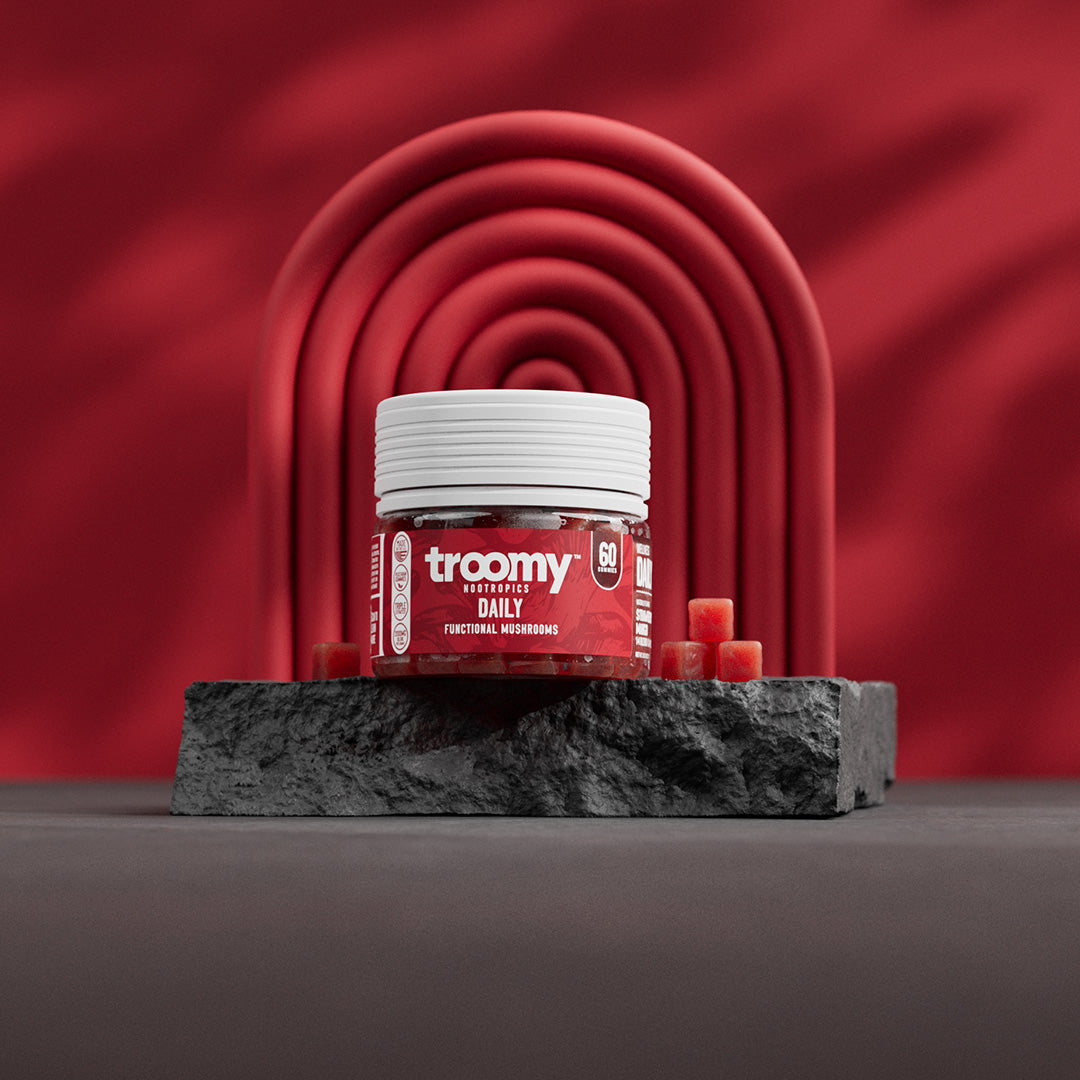
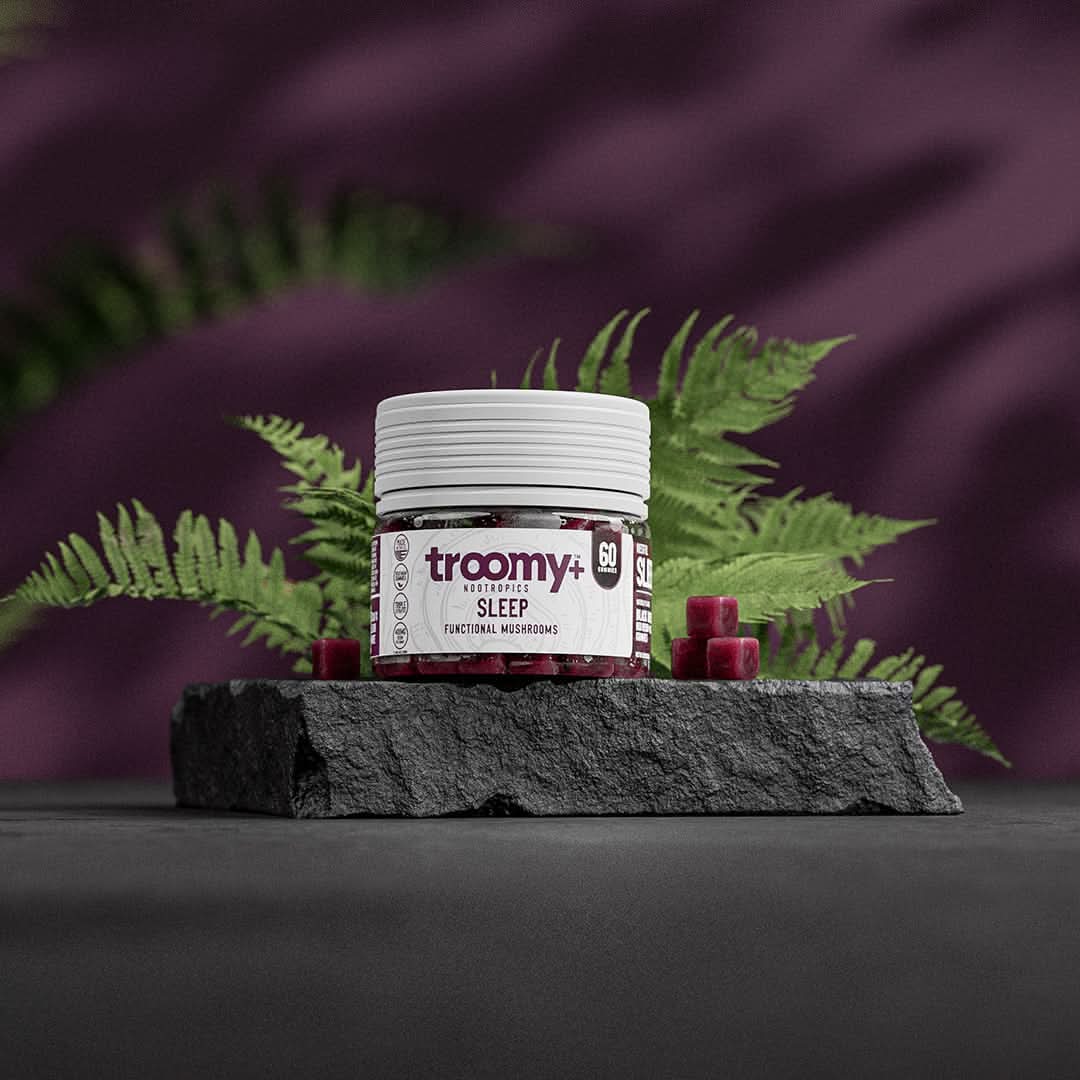
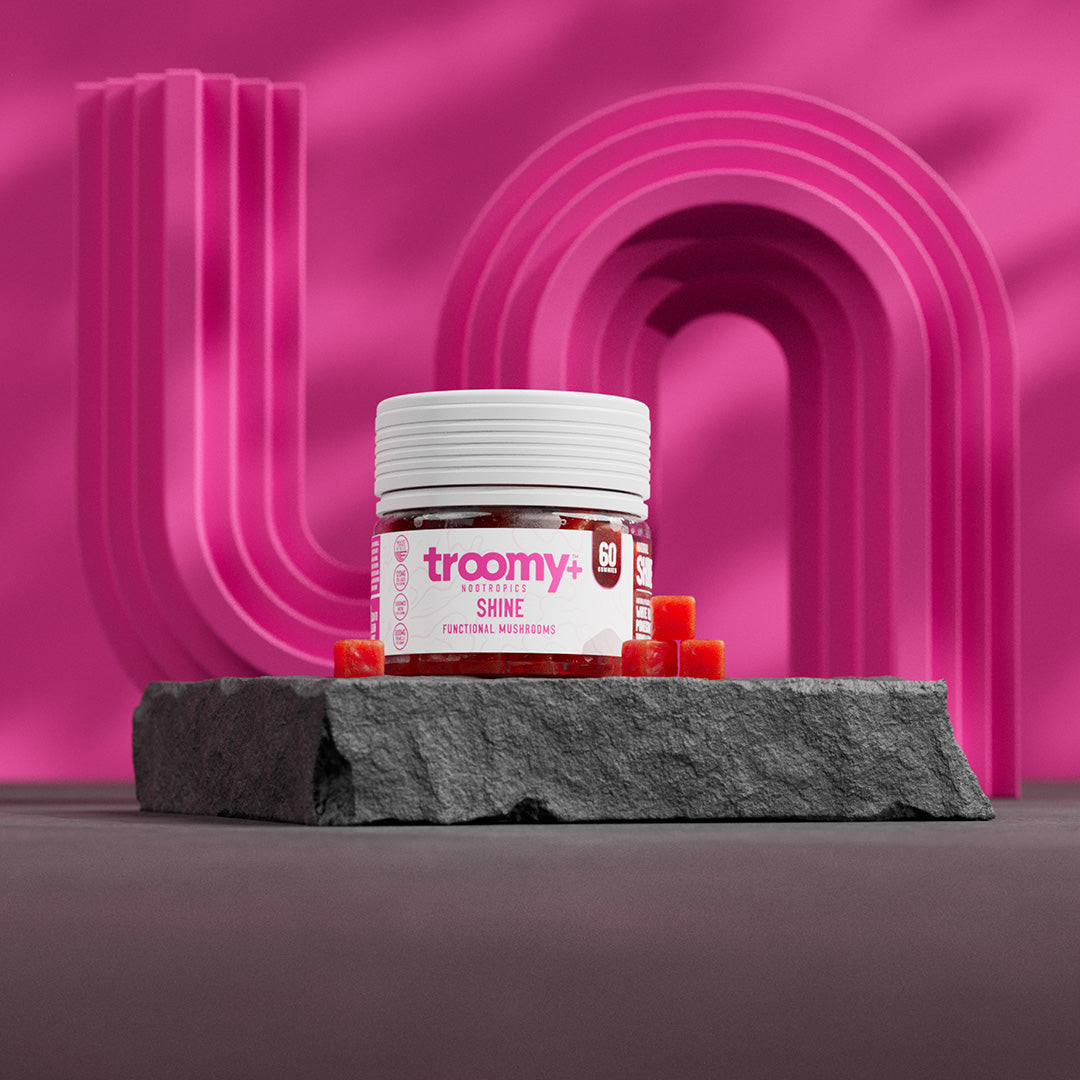
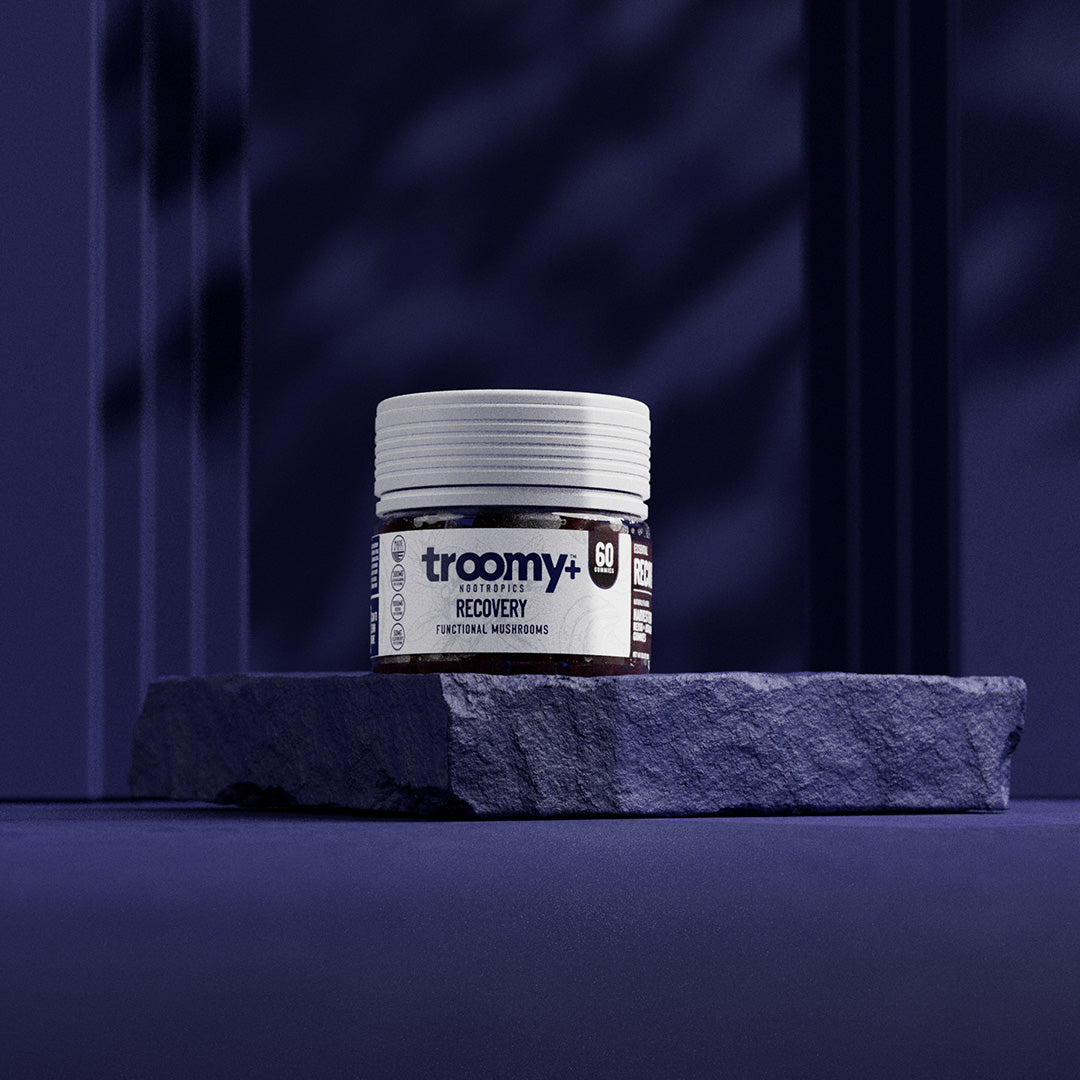
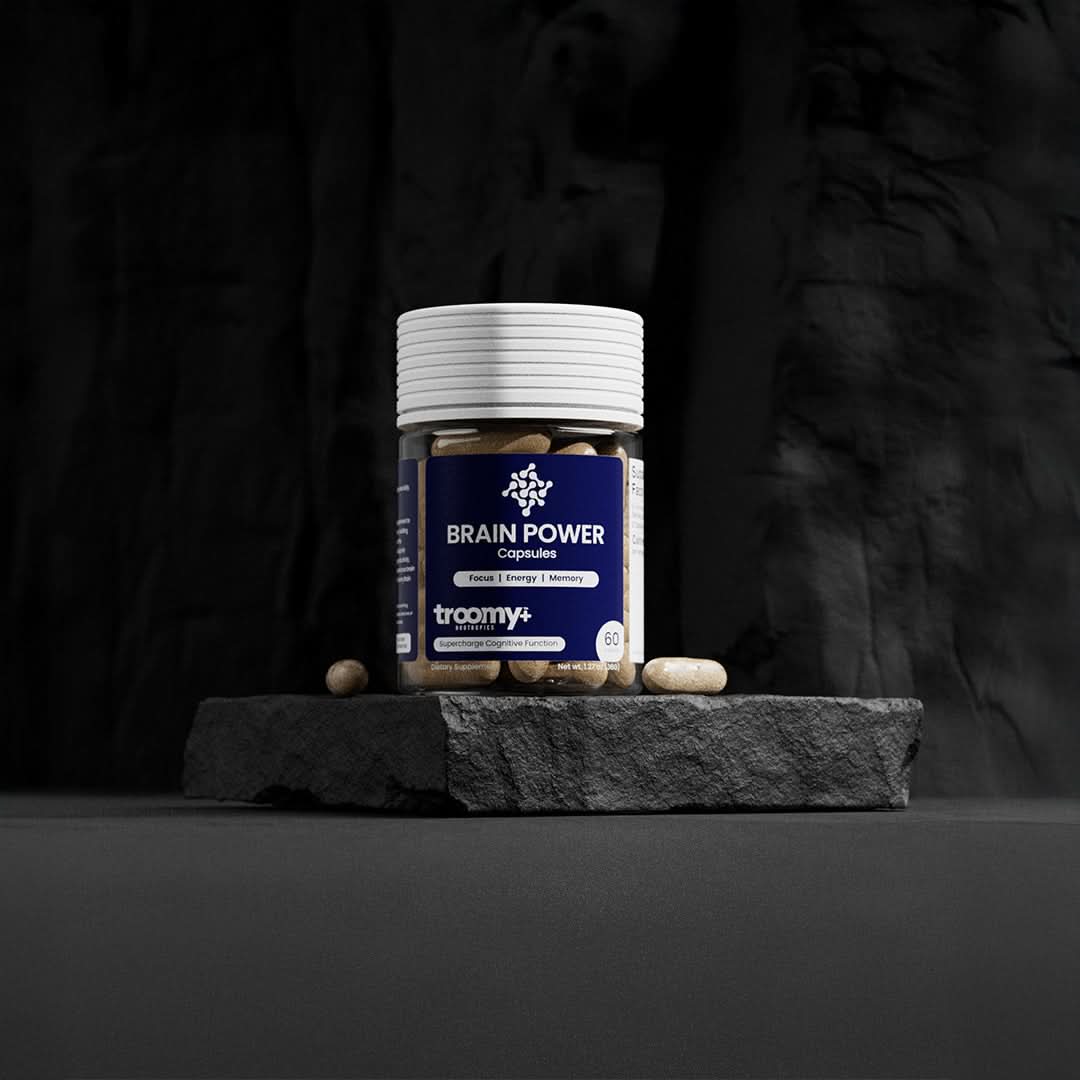
If you would rather not audit a dozen labels yourself, this is where a product that already passes all three tests saves you the work. Troomy's Daily 14 Mushroom Blend is triple-extracted, uses fruiting body material, and is third-party tested, so the checklist is handled before the bottle reaches your door.
What Should You Realistically Expect in 30 Days?
Set the right expectation and you will actually be able to judge whether a gummy is working. Functional mushrooms are not stimulants. They do not hit like caffeine. They build up. In the first week or two you may notice small, foundational shifts, like falling asleep a little easier or feeling a touch less scattered in the afternoon. By weeks three and four, when the compounds have had time to accumulate, most people report a difference they can clearly feel.
Results also vary by mushroom. Reishi for sleep often shows up faster than lion's mane for cognition, simply because winding down is a quicker feedback loop than rebuilding focus over time. The single biggest factor is consistency. A quality gummy taken daily for a month will always beat a premium one taken twice a week. This is also why the cost is easier to judge over a month than a moment. Framed as a daily habit, a good mushroom gummy often lands at around the price of part of a coffee per day, which is a different decision than a bottle bought once and forgotten.
Who Mushroom Gummies Are Not Right For
An honest guide has to include the people who should skip them. Mushroom gummies are not a fix for a serious medical condition, and they are not a substitute for treatment, therapy, or a doctor's care. If you are pregnant or nursing, taking prescription medication, or managing a health condition, talk to your doctor before starting any supplement. They are also not for anyone expecting a dramatic overnight effect. If you will not give a product 30 consistent days, you are unlikely to get a fair read on whether it works, and you may feel it was a waste through no fault of the mushroom. Finally, if you want a quick caffeine-style jolt, a functional mushroom is the wrong tool. It works with your body over time, not against it in an instant.
So, Are Mushroom Gummies Worth It?
Yes, when you buy a good one and take it consistently. No, when you grab the cheapest bottle of whole mushroom powder and expect it to work by Friday. The category is real, the research on the leading mushrooms is real, and the difference between a gummy that works and one that does not comes down to extraction, sourcing, and testing rather than luck. Get those three right and give it a month, and you are giving yourself a genuine chance to feel the difference.
If you are going to try functional mushroom gummies, try one that is actually worth the money. Troomy's Daily 14 Mushroom Blend is triple-extracted, made in the USA, vegetarian, and comes in a natural flavor you will actually want to take, with fruiting body material and third-party testing behind it. That is all fourteen mushrooms and the full quality checklist in one daily gummy. Give it 30 days, and if you cannot feel the difference, it is on us.
Frequently Asked Questions
Do mushroom gummies actually work?
Quality ones can. The active compounds in mushrooms like lion's mane and reishi have real research behind them, but they only help if the gummy uses a concentrated extract your body can absorb rather than raw whole powder. Choose an extracted, fruiting body, third-party tested product, take it daily for about a month, and most people notice a genuine difference.
Are mushroom gummies a waste of money?
They are a waste of money if you buy an unextracted whole powder gummy, because your body cannot absorb much of what is inside. They are not a waste when you choose a triple-extracted, third-party tested product and take it consistently. The price is easier to weigh as a small daily habit than as a one-time bottle purchase.
What should I look for in a mushroom gummy?
Three things. First, is it extracted rather than raw powder. Second, is it made from the fruiting body rather than grain-grown mycelium. Third, is it third-party tested with a certificate of analysis available. A product that answers yes to all three is far more likely to actually work.
How do I know if my mushroom gummies are working?
Give it 30 consistent days and watch for gradual change rather than an instant hit. Depending on the mushroom, that might be falling asleep more easily, feeling calmer under stress, or holding focus better in the afternoon. Functional mushrooms build up over weeks, so the clearest signal usually appears around the three to four week mark.
Are there any side effects of mushroom gummies?
Functional mushroom gummies are generally well tolerated. Some people experience mild digestive upset when starting, which often settles as the body adjusts. If you are pregnant, nursing, taking medication, or managing a health condition, check with your doctor first. Stop use and consult a professional if you notice any unusual reaction.
These statements have not been evaluated by the Food and Drug Administration. This product is not intended to diagnose, treat, cure, or prevent any disease.


