



You want to try functional mushrooms. You found three different formats at three different price points. Now you're 20 minutes deep in a Reddit thread and somehow more confused than when you started. Here's the actual answer.
The short answer: for most people starting from scratch, a properly extracted gummy is the format most likely to actually work, not because a gummy does something a capsule or powder cannot, but because it is the easiest one to take every single day. No format is inherently superior. What separates a mushroom supplement that works from one that does nothing is extraction, and format only matters because it decides whether you stick with it long enough to feel that extraction pay off. Here is the full comparison, including where capsules and powder still make sense.
Walk into the supplement aisle, or scroll a wellness site for five minutes, and you will find lion's mane in a capsule, reishi in a jar of loose powder, and cordyceps in a gummy that looks more like candy than medicine. Every format claims to be the best way to take mushroom supplements. Most of that noise is marketing, not evidence. The real answer is more useful than any single product page will tell you, and it starts with understanding what actually separates one format from another.
The Format Question: Why It Matters Less Than People Think
Before comparing capsules, powder, and gummies head to head, it helps to name the assumption most people are making without realizing it. The assumption is that the format itself determines whether a mushroom supplement works. It does not. Format determines how the mushroom gets into your body and how easy it is to keep taking it every day. What determines whether it actually does anything once it is in your body is the quality of the mushroom material inside it, specifically whether it has been properly extracted.
That distinction matters because a lot of comparison content online treats this as a simple taste and convenience question. It is not. A poorly made gummy and a poorly made capsule will both underperform, no matter how enjoyable or familiar the format feels. So the honest starting point is this: format affects your daily habit. Extraction affects your actual results. Both matter, but they are not the same question, and mixing them up is how people end up disappointed with a product that was never going to work in the first place.
Mushroom Capsules: The Familiar Choice
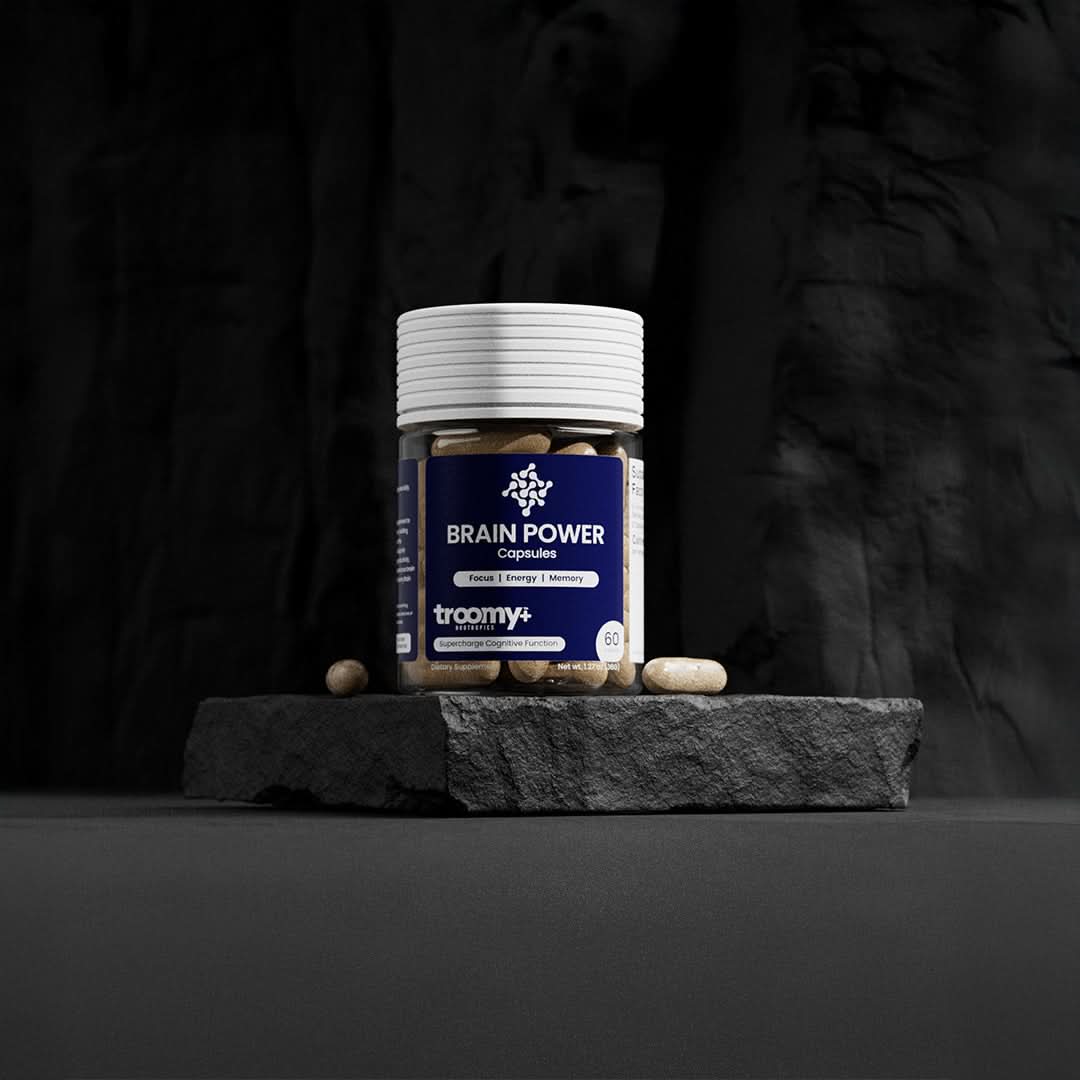
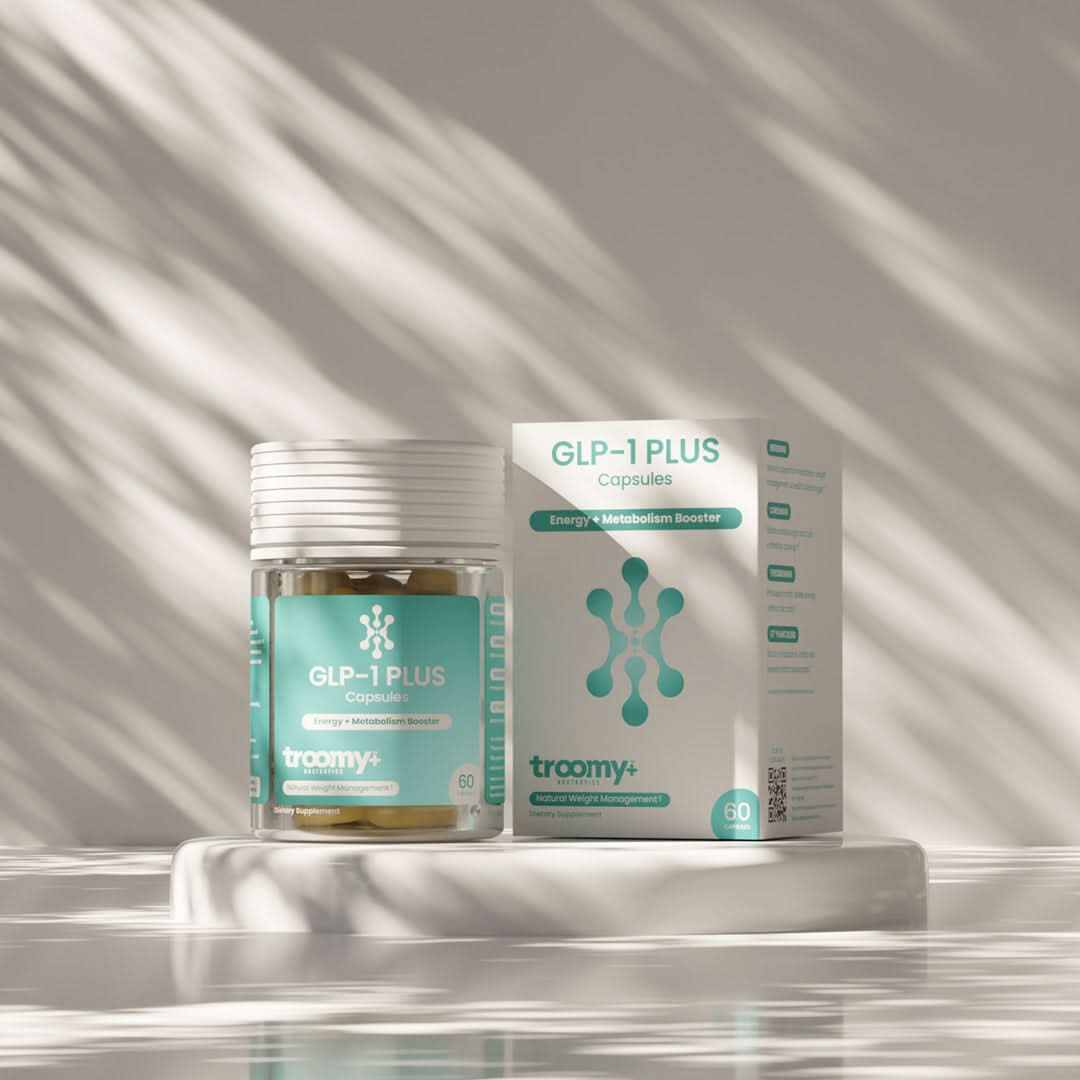
Capsules are the format most people default to first, mainly because they look and feel like every other supplement in the cabinet. That familiarity is a real advantage. There is no taste to get used to, no texture, no chewing. You swallow it with water and move on with your day. For people who already have an established supplement routine, adding one more capsule to the stack is low friction.
The downside is less about the capsule itself and more about what tends to be inside it. A large share of mushroom capsules on the market are filled with whole mushroom powder rather than a true extract. Whole powder includes the cell wall material, called chitin, that the human body cannot easily break down. That means a capsule can list an impressive milligram count on the label while offering poor bioavailability, delivering only a small fraction of the active compounds your body can actually absorb. Capsules also make it easy to lose track of consistency. Because there is no sensory cue involved, a missed dose is easy to forget entirely, and mushroom supplements depend on daily consistency to show a real effect.
Mushroom Powder: Flexible, But Inconsistent
Loose mushroom powder has its own loyal following, largely because it is flexible. You can stir it into coffee, a smoothie, or oatmeal, and adjust the amount by eye. For people who already build supplements into a morning routine involving a blender or a mug, powder fits naturally.
The tradeoffs are real, though. Taste is the first hurdle. Reishi and chaga in particular have an earthy, bitter profile that most people need to mask with something sweet or strongly flavored, which somewhat defeats the point of a clean daily habit. Dosing consistency is the second issue. A spoonful measured by eye one morning is rarely identical to a spoonful measured the next, and small variations add up over a month of use. Powder also carries the same extraction problem as capsules. Much of what is sold as mushroom powder is simply dried and ground fruiting body or mycelium, not an extract, which again limits how much of the beneficial compounds your body can actually access.
Mushroom Gummies: Consistent, Enjoyable, and Built for Daily Habits
Gummies solve the two biggest problems with capsules and powder at the same time. Every gummy in a batch is manufactured to contain the same amount of extract, so dosing consistency is built into the format rather than left up to a spoon or a guess. And because a gummy is meant to taste good, it removes the daily friction that causes people to quietly stop taking capsules or powder after a few weeks.
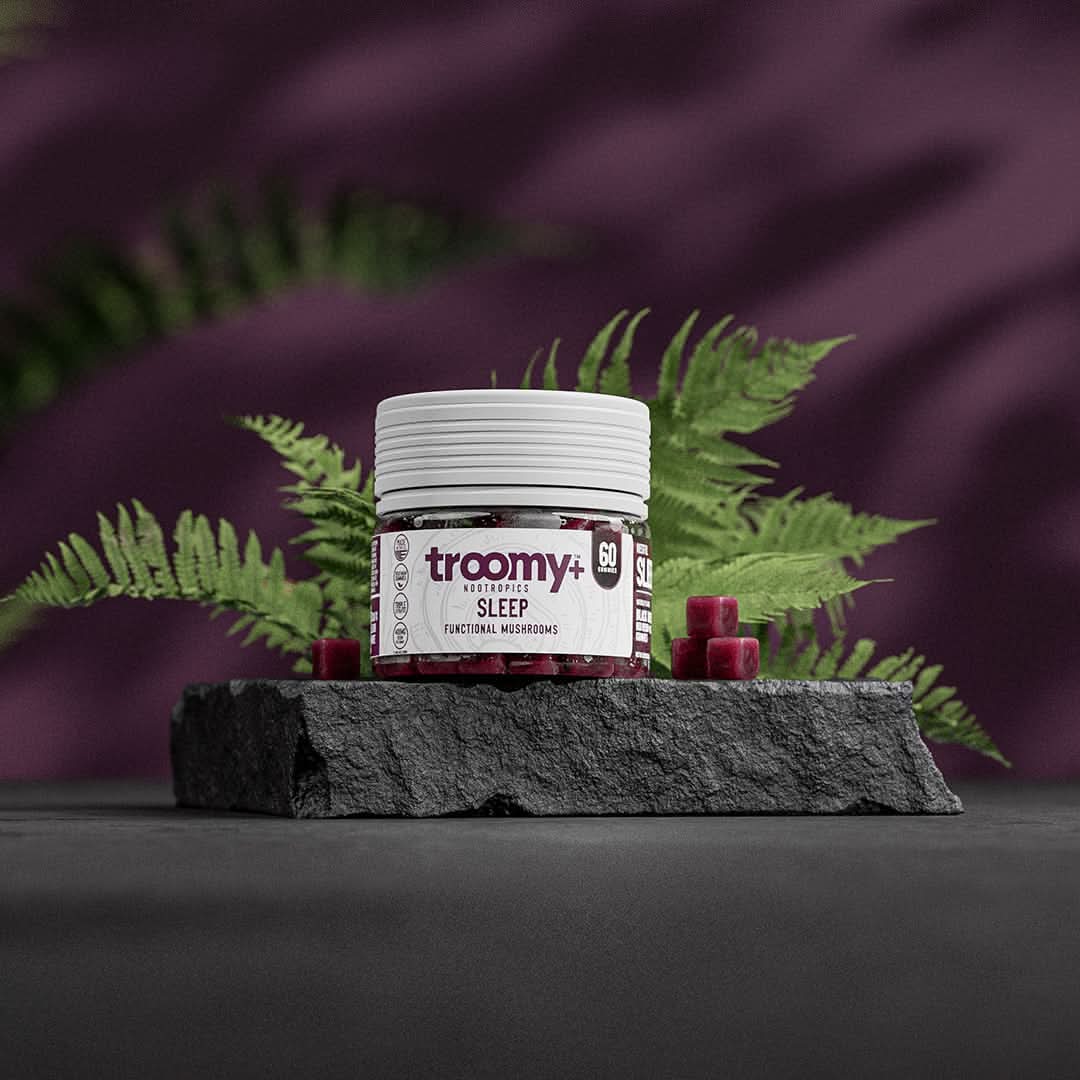
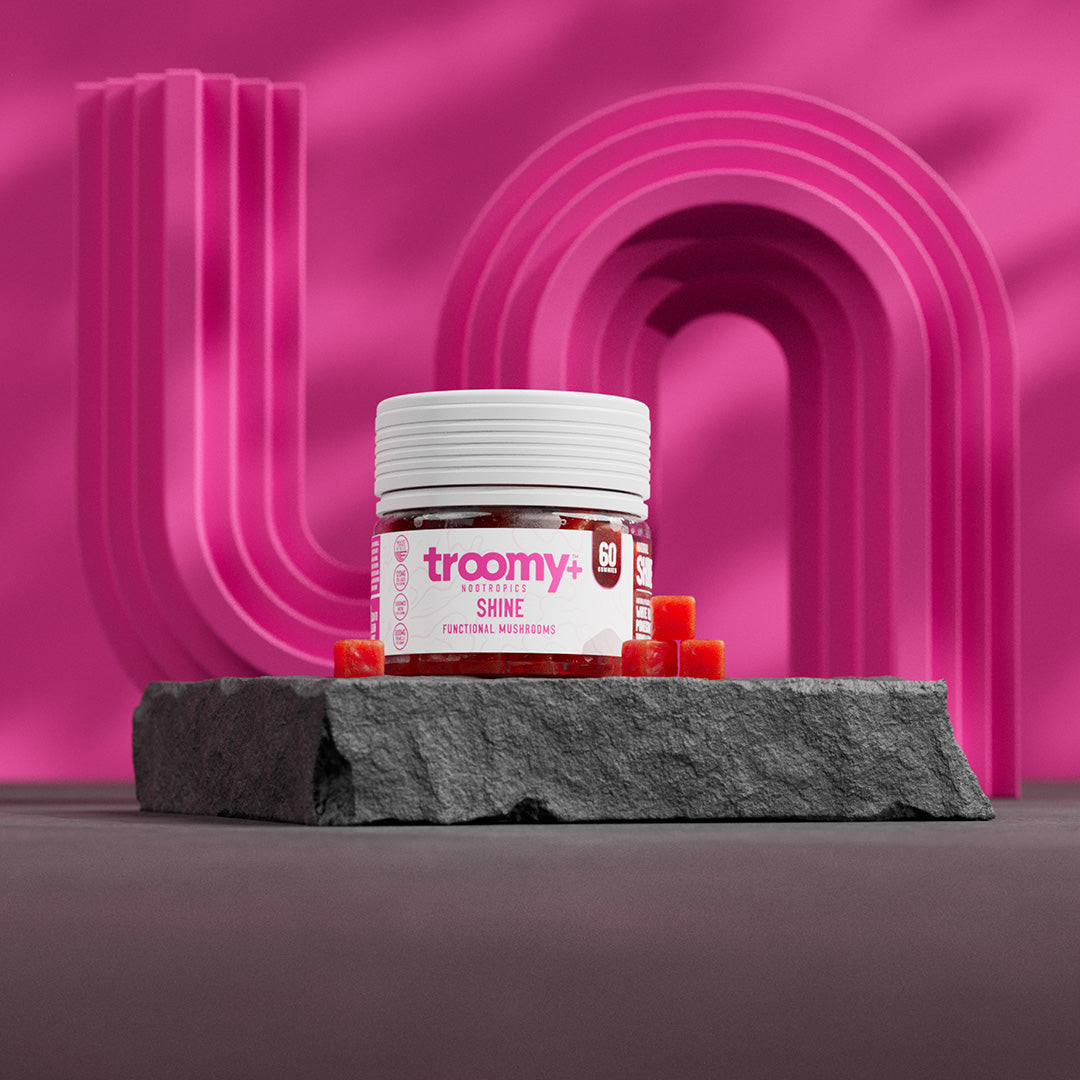
The honest downside worth naming is sugar content. A gummy needs some sweetness to be palatable, and that means it is not a zero calorie format the way a capsule is. For most people taking one or two gummies a day, the amount of added sugar is small and comparable to what you would find in a piece of fruit, but it is a fair tradeoff to weigh, especially if you are already managing sugar intake closely for another reason. The habit benefit generally outweighs this for most people, simply because a supplement you actually keep taking every day works better than a technically superior one that ends up forgotten in a drawer by week three. Not every gummy on the market is made with the same care. Troomy's gummies are made in the USA, use vegetarian ingredients, and are flavored naturally rather than leaning on the artificial colors and flavoring common in mass-market gummies, so the format tradeoff of choosing a gummy does not have to mean compromising on the rest of the label.
Cost Per Serving: A Fair Comparison
Price comparisons across formats can be misleading if you only look at the sticker price on the bottle. A jar of loose mushroom powder often looks cheapest per gram, but because dosing is inexact, people tend to use more than a measured serving without realizing it, which erodes the apparent savings. Capsules usually land in the middle, and the true cost per serving depends heavily on whether the capsule contains an extract or whole powder, since a capsule with poor bioavailability effectively costs more per dose of usable compound, even if the bottle itself is cheap.
Gummies tend to sit in a similar price range to capsules once you compare cost per serving rather than cost per bottle, and because they deliver a consistent, properly extracted dose, that cost is more likely to translate into an effective serving rather than a wasted one. Troomy's own pricing reflects that logic directly. Sleep Reishi Gummies, for instance, run $34.99 for 60 gummies, which works out to about $0.58 a night, in the range of a daily coffee, for a dose that is actually extracted rather than whole powder. The fairest way to compare cost across formats is always cost per effective serving, meaning cost divided by how much usable extract you actually get, not cost divided by the number of capsules, gummies, or scoops in the container.
The Thing That Actually Determines Effectiveness: Extraction, Not Format
Here is the part that most comparison articles skip. The format you choose decides whether you will actually stick with a mushroom supplement. The extraction method decides whether that supplement does anything once you take it. A triple-extracted gummy will outperform an unextracted capsule regardless of how large a milligram number is printed on either label.
Proper extraction breaks down the tough cell walls of the mushroom using a combination of hot water and alcohol, sometimes over multiple extraction cycles, which is what triple extraction refers to. This process releases the beta-glucans, triterpenes, and other bioactive compounds that whole powder simply cannot deliver in a meaningful amount. Two products can list the exact same mushroom species and the exact same weight on the label and still be worlds apart in what your body can actually use, depending entirely on how that mushroom was processed before it ever reached the bottle.
This is exactly why extraction quality deserves its own scrutiny before you buy anything. If you want the full three-question checklist for evaluating any mushroom gummy on the market, read the quality checklist here to see what separates a product that works from one that will not.
The Daily Habit Argument: Why Gummies Win for Most People
Put the two factors together and a clear picture emerges. Extraction quality determines the ceiling on how effective a mushroom supplement can be. Format determines whether you actually reach that ceiling by taking it consistently. A perfectly extracted capsule that gets forgotten twice a week will underperform a properly extracted gummy taken every single day, simply because functional mushrooms work cumulatively rather than instantly. Skipped doses reset that progress more than people expect.
This is the core reason gummies tend to win for most people evaluating mushroom supplement forms for the first time. They remove the two most common reasons people quietly abandon a supplement routine: an unpleasant taste and an easy to forget dosing ritual. Neither capsules nor powder are wrong choices. They work well for people who already have a strong existing habit built around them. But if you are choosing a format from scratch, and you want the format most likely to still be on your nightstand or in your bag a month from now, a well-made gummy is the practical answer.
If you are ready to try mushroom gummies that are triple-extracted and actually taste like something you will want to take every day, start with Troomy's bundle and find the blend that matches your problem.
For a deeper look at how to evaluate any mushroom gummy before you buy, including the extraction, fruiting body, and third-party testing standards Troomy holds itself to, the full buyer's guide walks through every question worth asking.
See the complete buyer's guide: Best Mushroom Gummies: The Complete Buyer's Guide.
And if daily consistency is the main thing you're trying to solve for, a triple-extracted, fruiting body, third-party tested gummy like Troomy's Daily 14 Mushroom Blend is built as a daily habit you'll actually keep, one that delivers what the label promises instead of sitting forgotten in a drawer.
Frequently Asked Questions
Are mushroom gummies as effective as capsules?
They can be, and often more so, but effectiveness comes down to extraction rather than format. A properly extracted gummy will outperform a capsule filled with unextracted whole powder. When comparing two products, check the extraction method before comparing the format.
Is mushroom powder better than gummies?
Powder offers more flexibility in how much you take, but it is harder to dose consistently and often has a strong taste that needs to be masked. Gummies deliver a fixed, consistent dose in a format most people find easier to take every day.
What is the best way to take lion's mane?
The best way to take lion's mane is whichever format you will actually take consistently, in a product made from a proper extract rather than whole powder. For most people that means a triple-extracted gummy or capsule taken at the same time each day.
Do mushroom gummies have enough of the active ingredient to work?
A well-made gummy using triple-extracted, fruiting body mushroom material can deliver a meaningful amount of active compounds per serving. The milligram number on the label matters far less than whether that material was extracted in the first place.
How much mushroom extract should a gummy contain?
This varies by mushroom and by the specific benefit you are looking for, which is why the extraction method and the presence of third-party testing matter more than chasing a single milligram number across different products.
These statements have not been evaluated by the Food and Drug Administration. This product is not intended to diagnose, treat, cure, or prevent any disease.


