



Adaptogenic mushrooms have quietly become one of the biggest stories in modern wellness. They show up in coffee shops, gym bags, morning routines, and nightstands, and they keep showing up because real people keep feeling a difference. But behind the trendy label is something far more interesting: a category of fungi that humans have leaned on for thousands of years, now backed by a growing body of modern research.
This guide breaks down what adaptogenic mushrooms actually are, how they work in the body, which varieties matter most, and how to fold them into a routine that fits your life. Whether you are brand new to functional mushrooms or looking to level up an existing wellness practice, you will leave with a clear picture of where to start. And if you want a delicious, no-fuss way to try them, Troomy makes the whole thing simple with triple-extracted, fruit-forward functional mushroom gummies and capsules made in the USA.
What Are Adaptogenic Mushrooms?
Adaptogenic mushrooms are a specific group of functional mushrooms that help the body adapt to stress and stay in balance. They are not psychedelic, they do not produce a high, and they are not the same as the mushrooms on your pizza. They are a separate category used for centuries in traditional Eastern medicine and now studied in modern labs for their effects on immunity, focus, energy, mood, sleep, and recovery.
The term adaptogen comes from Soviet pharmacology. It was coined by Nikolai Lazarev in 1947 and later refined by researcher Israel Brekhman to describe substances that meet three criteria: they are nontoxic at normal doses, they help the body resist a broad range of stressors, and they have a normalizing effect that nudges the body back toward balance regardless of the direction of the imbalance. That last piece is the magic. Adaptogens do not stimulate or sedate. They modulate. If you are wound up, they help you wind down. If you are dragging, they help you rise.
Adaptogenic mushrooms fit this definition through their unique mix of bioactive compounds, especially polysaccharides like beta-glucans, triterpenoids, and various antioxidant compounds. These compounds interact with key systems in the body, including the immune system and the hypothalamic-pituitary-adrenal axis, which is the central network that governs how you respond to stress. The result is gentle, cumulative support that builds over time. For a deeper look at the broader category, check out our complete guide to medicinal mushrooms.
How Are Adaptogenic Mushrooms Different from Culinary Mushrooms?
Culinary mushrooms like button, portobello, and shiitake are eaten primarily for flavor and basic nutrition. Adaptogenic mushrooms are used for their functional compounds and are typically extracted to concentrate those compounds at meaningful doses. A handful of sauteed mushrooms on toast does not deliver the same impact as a properly extracted gummy or capsule. If you want a side-by-side breakdown, our team wrote a full piece on the difference between medicinal and culinary mushrooms.
It is also worth clearing up another common mix-up. Adaptogenic mushrooms are not psychedelic mushrooms. There are zero hallucinogenic properties in Lion's Mane, Reishi, Cordyceps, Chaga, Turkey Tail, Maitake, or Tremella. For more on this, see our breakdown of functional mushrooms versus psychedelic mushrooms.

The Ancient Roots of Adaptogenic Mushrooms
Adaptogenic mushrooms have been part of traditional wellness practices for thousands of years. Reishi, often called the mushroom of immortality, has been documented in Chinese medical texts dating back more than two millennia, where it was reserved for emperors and royalty. Cordyceps was traditionally harvested in the high-altitude regions of Tibet and Bhutan, where local communities used it for stamina and vitality, especially in harsh, low-oxygen environments. Chaga has long been brewed into tea across Siberia, Russia, and parts of Northern Europe, prized for its role in immune and digestive wellness during long winters.
Lion's Mane has a place in both Chinese and Japanese traditions, where it has been associated with cognitive support and used in temple cuisine. Turkey Tail has appeared in traditional medicine systems on multiple continents, and Tremella was favored in ancient Chinese beauty rituals, particularly during the Tang Dynasty, for its association with hydrated, supple skin. The thread tying all of these together is consistency. Across very different cultures and centuries, these mushrooms kept showing up in routines built around resilience, longevity, and balance. For more context on the timeline, our deep dive on the history of medicinal mushrooms walks through the major eras.
How Do Adaptogenic Mushrooms Work in the Body?
Adaptogenic mushrooms work through several active compound families, and each variety brings a slightly different mix to the table. The headliners are beta-glucans, a class of polysaccharides found in the cell walls of mushrooms that interact with immune receptors and help support a balanced immune response. According to a randomized clinical trial on Reishi beta-glucan, daily supplementation over 84 days produced significant enhancements in T-lymphocyte populations and natural killer cell activity in healthy adults, supporting the long-standing reputation of these compounds as immune modulators.
Triterpenoids are another key compound family, especially abundant in Reishi. These molecules are tied to anti-inflammatory pathways and stress-system regulation. Lion's Mane carries its own signature compounds called hericenones and erinacines. Research summarized in PubMed Central shows these compounds may stimulate the synthesis of nerve growth factor, a protein involved in the growth, maintenance, and survival of neurons. Cordyceps brings cordycepin, a compound studied for its role in cellular energy production and ATP synthesis, which connects to its long-standing reputation for stamina support.
Mechanistically, adaptogens are thought to act on the hypothalamic-pituitary-adrenal axis and related stress pathways, helping the body modulate its response to physical, mental, and environmental stressors. As research published in Pharmaceuticals notes, the stress-protective effect of adaptogens is associated with the regulation of homeostasis through mediators including cortisol, molecular chaperones, and stress-activated kinases. In plain English, they help your body do what it is already trying to do, just more efficiently.

The Most Powerful Adaptogenic Mushrooms and What They Do
Each adaptogenic mushroom has a specialty. Knowing what each one is known for makes it much easier to choose the right one for your goals. Here is a tour through the heavy hitters in the Troomy lineup, along with how to put them to work.
Lion's Mane for Focus, Memory, and Mental Clarity
Lion's Mane is the brain mushroom. Its hericenones and erinacines have been studied for their role in supporting nerve growth factor synthesis, and that has translated into a strong reputation for focus, memory, and mental clarity. People reach for Lion's Mane before deep work, study sessions, long days at the office, or creative projects that demand sustained attention. A double-blind randomized study published in 2024 examined acute cognitive effects of Lion's Mane fruiting body extract in healthy younger adults, adding to a growing literature on its potential benefits beyond clinical populations.
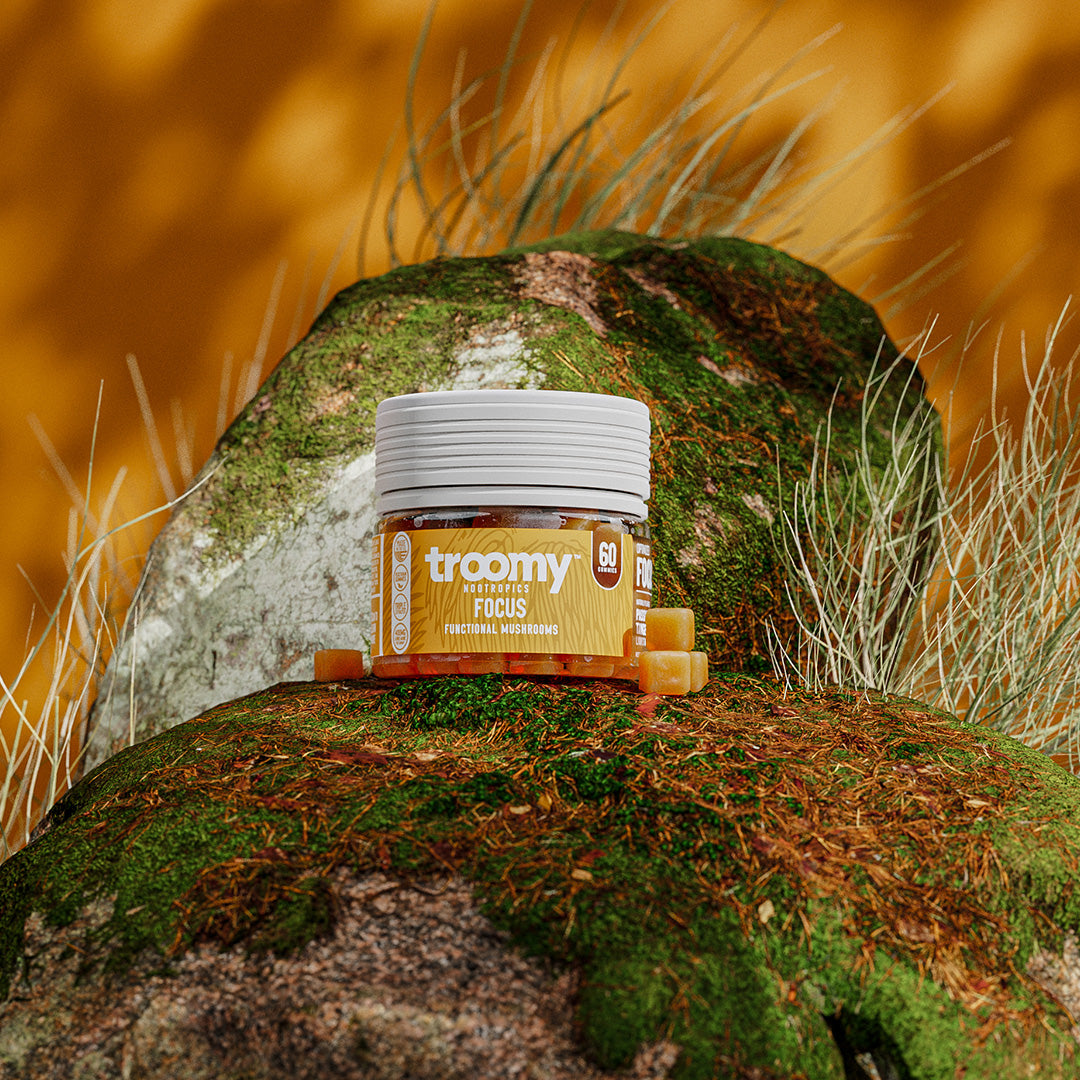
If you want the simplest possible way to get a meaningful dose, try our Focus Lion's Mane gummies, which deliver 800mg of organic, triple-extracted Lion's Mane per serving in a passionfruit tangerine flavor. For more on dialing in the right amount, our guide to Lion's Mane dosage for optimal brain function walks through what to expect.
Reishi for Calm, Stress Support, and Restful Sleep
Reishi is the calm mushroom, and arguably the most studied of the bunch. Sometimes called the mushroom of immortality, Reishi is rich in beta-glucans and triterpenoids and has been studied for its effects on immune balance, cardiovascular wellness, and stress response. People typically use Reishi during overwhelming days, after work to decompress, or as part of a wind-down routine before bed.
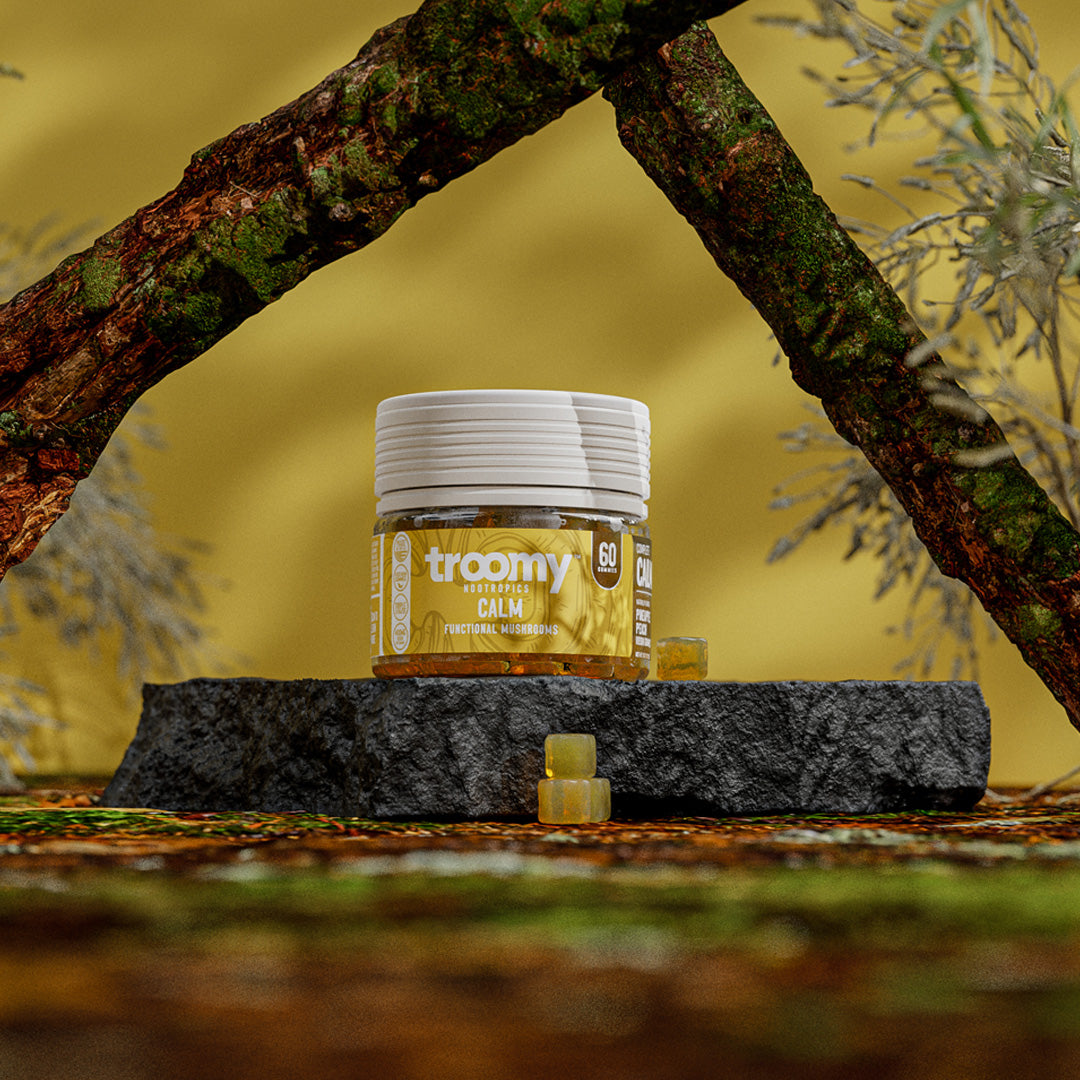
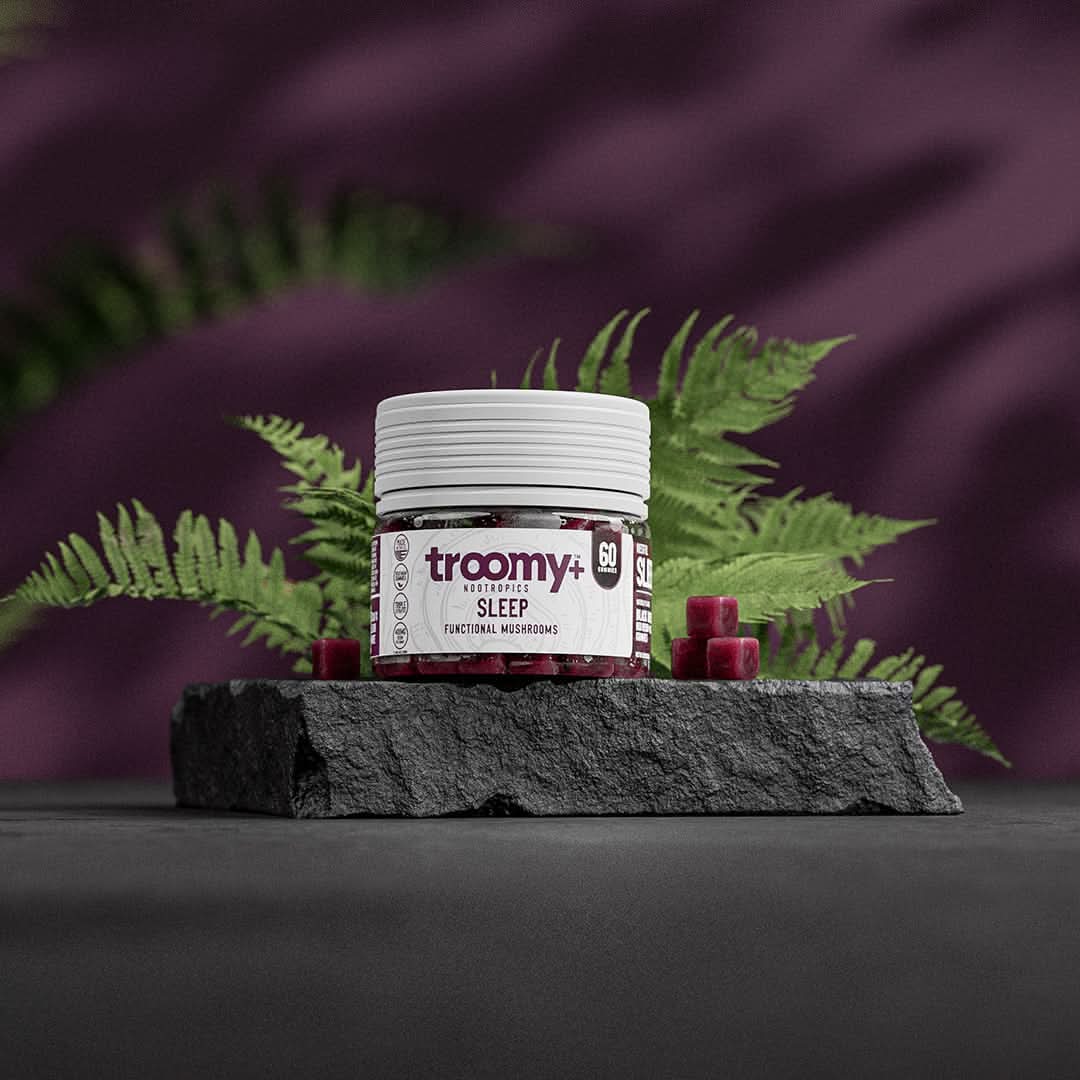
If your goal is daytime balance without drowsiness, our Calm Reishi gummies deliver 800mg of triple-extracted Reishi in a pineapple peach flavor. If sleep is the focus, our Sleep Reishi and melatonin gummies pair Reishi with melatonin, passionflower, lemon balm, and chamomile for a gentler approach to nighttime rest. For a side-by-side, see Chaga vs Reishi: Which Mushroom is Right for You?.
Cordyceps for Energy, Endurance, and Workout Support
Cordyceps is the energy mushroom. It is known for supporting stamina, endurance, and cellular energy production, which is why it has become a favorite among athletes and active adults looking for caffeine-free fuel. A study published in the Journal of Dietary Supplements found that a mushroom blend containing Cordyceps militaris improved tolerance to high-intensity exercise after three weeks of supplementation, with significant improvements in time to exhaustion and VO2 max in the treatment group.
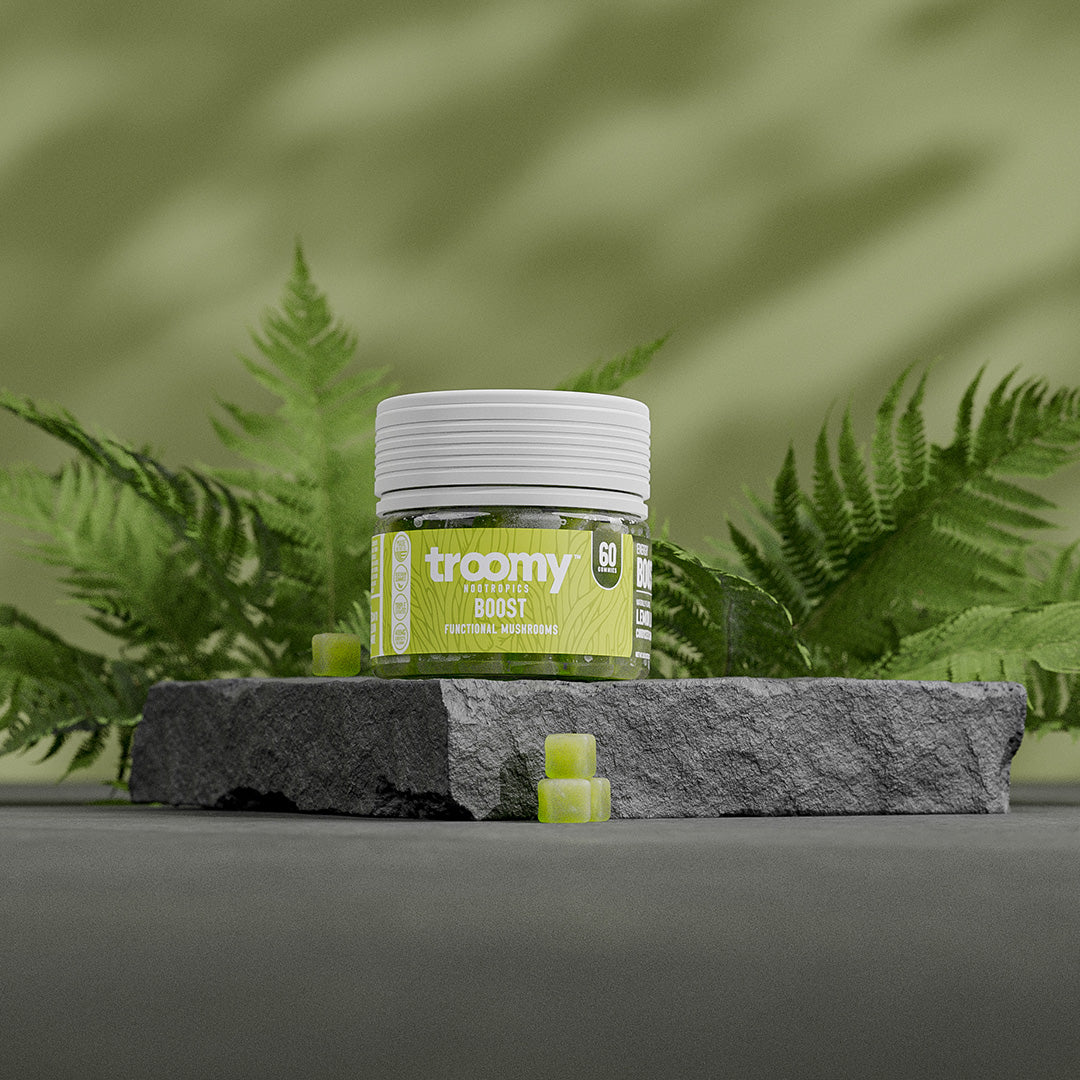
Our Boost Cordyceps gummies deliver 800mg of triple-extracted Cordyceps in a lemon-lime flavor, designed for use before workouts, mid-afternoon energy dips, or as a coffee alternative. For a full breakdown of how Cordyceps stacks up, check out our piece on pre-workout versus Cordyceps and our guide to the best mushrooms for energy.
Chaga for Antioxidant and Immune Support
Chaga grows on birch trees in cold climates and looks more like burnt charcoal than a mushroom. Do not let the appearance fool you. Chaga is rich in beta-glucans, melanin, and other antioxidant compounds, and it has long been used for immune and inflammatory support, especially through colder months. For the full story, our deep dive on Chaga mushrooms uses, benefits, and more is the place to start. Chaga is also a featured ingredient in our 14-mushroom Daily blend.
Turkey Tail for Immune and Gut Wellness
Turkey Tail is one of the most studied mushrooms in the world. Named for its colorful, fan-shaped appearance, it is rich in polysaccharides including PSK and PSP that have been researched for immune support and gut wellness. Turkey Tail is a foundational ingredient in our Daily blend, and if you want more background, our guide to Turkey Tail mushroom: everything you need to know covers the basics.
Maitake for Metabolic and Whole-Body Support
Maitake, sometimes called the dancing mushroom or the hen of the woods, contains alpha and beta-glucans along with antioxidant compounds. It is often associated with metabolic balance and whole-body wellness and is another core ingredient in the Daily blend.
Tremella for Skin, Hair, and Natural Glow
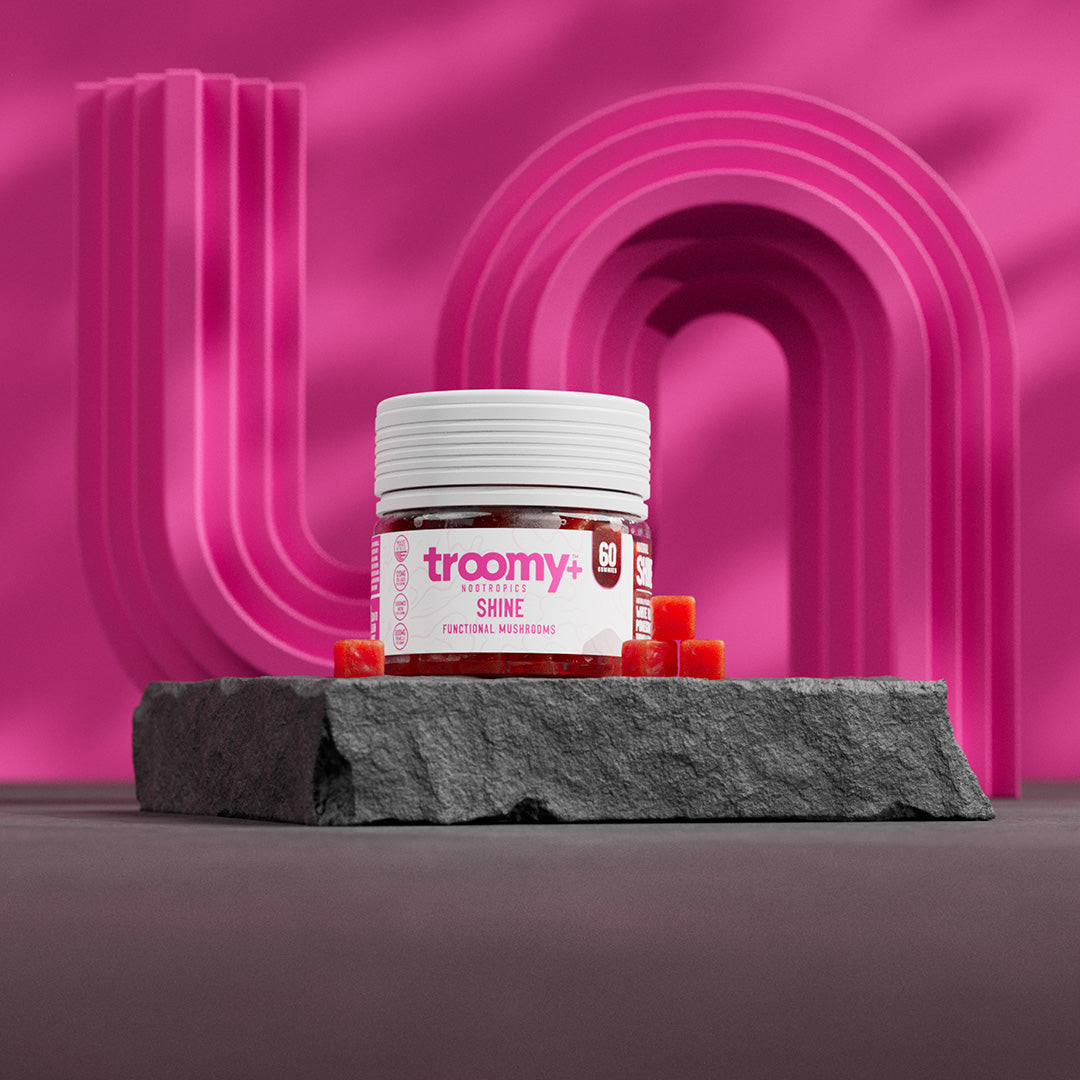
Tremella, often called the beauty mushroom, is loaded with polysaccharides known for supporting skin hydration. Historically used in East Asian beauty rituals, it has earned a modern reputation as a plant-powered ingredient for hair, skin, and nail support. Our Shine Biotin, Collagen, and Tremella gummies combine Tremella with biotin and collagen for inside-out beauty support, and our companion article on collagen and Tremella mushrooms for beauty digs deeper into the science.

What Are the Benefits of Adaptogenic Mushrooms?
The benefits of adaptogenic mushrooms depend on which mushroom you are using and how consistently you take it, but there are clear themes across the category. Most people start with one specific goal and end up appreciating how broadly these mushrooms support overall wellness over time.
-
Stress and mood support. Adaptogens help the body modulate its response to stress, supporting a more even baseline mood and improved resilience during busy seasons.
-
Focus and cognitive support. Lion's Mane in particular is associated with mental clarity, memory, and sustained attention.
-
Natural energy and endurance. Cordyceps is the most researched for stamina, ATP production, and physical performance.
-
Immune balance. Beta-glucans across multiple mushrooms support a more responsive immune system.
-
Restful sleep. Reishi pairs well with melatonin and calming botanicals to support deeper, more consistent rest.
-
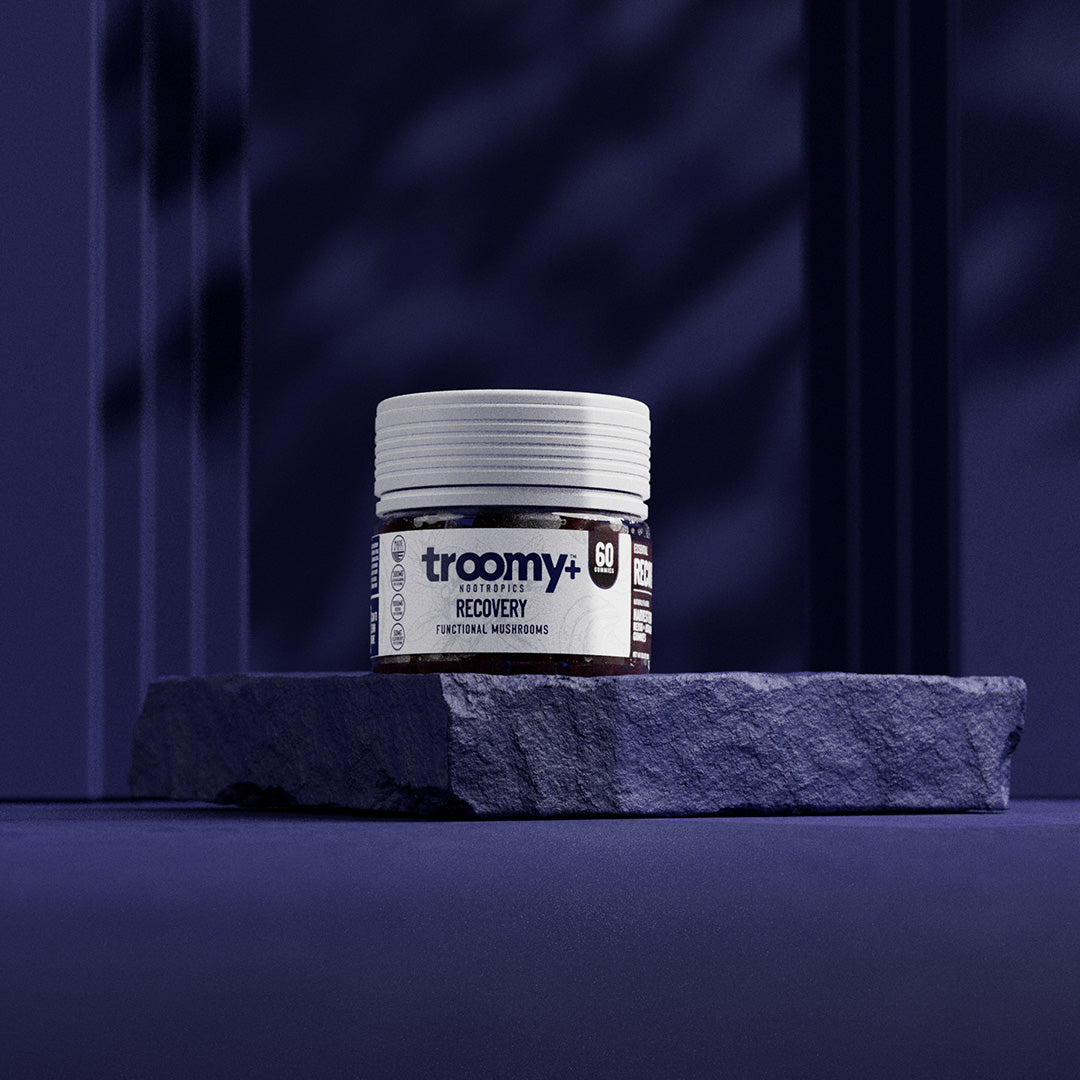
Recovery and resilience. Adaptogens like Reishi alongside Ashwagandha are commonly stacked to support physical recovery and stress recovery alike.
-
Beauty support. Tremella supports natural hydration and glow as part of a beauty-from-within routine.
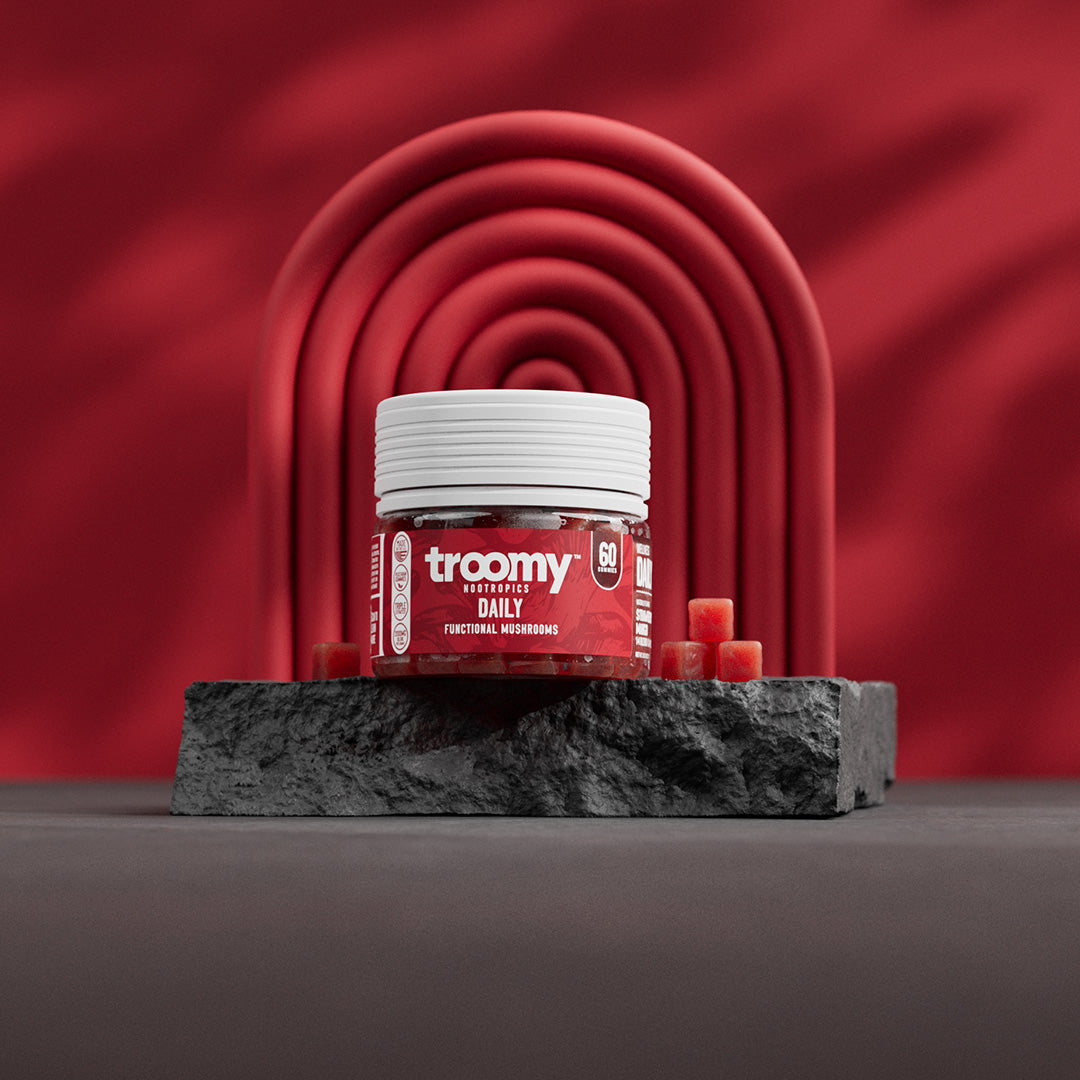
Looking for one product that touches most of these bases? Our Daily 14 Mushroom Blend gummies combine Reishi, Cordyceps, Chaga, Lion's Mane, Turkey Tail, Maitake, and eight more functional mushrooms into a single 2000mg serving designed for whole-body wellness. For people focused on stress recovery and active lifestyles, our Recovery Ashwagandha and Reishi gummies pair two of the most beloved adaptogens for a thoughtful daily reset.
How Should You Take Adaptogenic Mushrooms?
The best way to take adaptogenic mushrooms is daily and consistently. These are not one-and-done supplements. They work with your body over time, and most people notice the difference somewhere between two and eight weeks of regular use, depending on the mushroom and the goal. Energy and focus blends like Boost and Focus can produce same-day effects within 30 to 60 minutes, while beauty and whole-body wellness blends like Shine and Daily build benefits over several weeks of consistent use.
Form matters more than people realize. Powders are powerful but inconvenient, capsules are easy but easy to forget, and properly made gummies hit a sweet spot of taste, dose, and routine-friendliness. Troomy gummies are triple-extracted, which means we capture water-soluble, alcohol-soluble, and bonus compounds rather than settling for one extraction method. We also use the fruiting body plus mycelium rather than mycelium-on-grain, which is a common cost-cutting move in the broader category. For a primer on what to expect when you start, see What to Expect When Taking Functional Mushrooms.
Can You Stack Different Adaptogenic Mushrooms Together?
Yes. Stacking is one of the most common ways people get more from their routine. A popular athlete stack pairs Boost in the morning, Recovery post-workout, and Sleep at night. A common professional stack uses Focus or Brain Power in the morning, Calm in the afternoon, and Sleep before bed. There is no single right answer. The right stack is whatever supports your day. Our piece on mushroom stacks 101 lays out the most popular combinations and how to think about pairing.
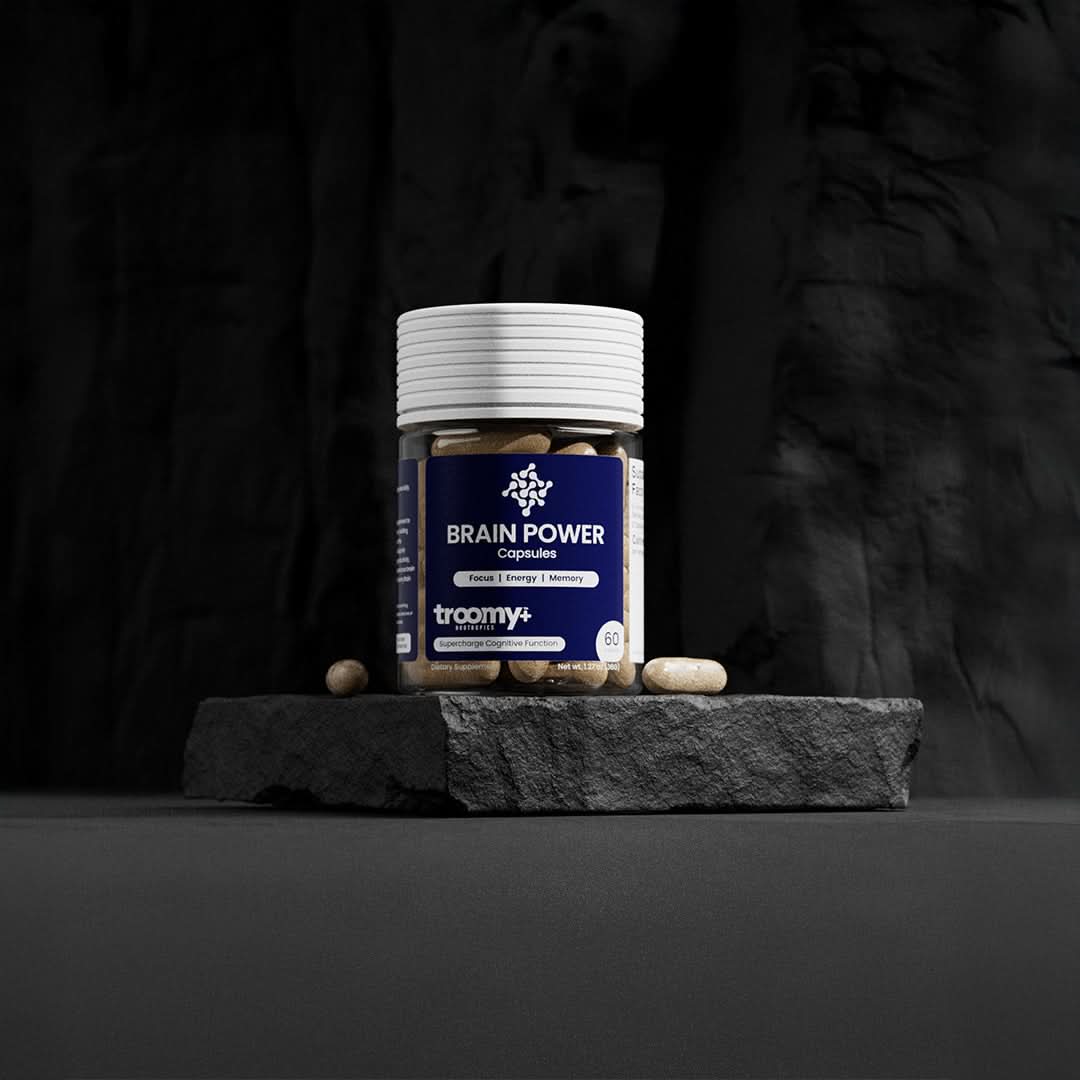
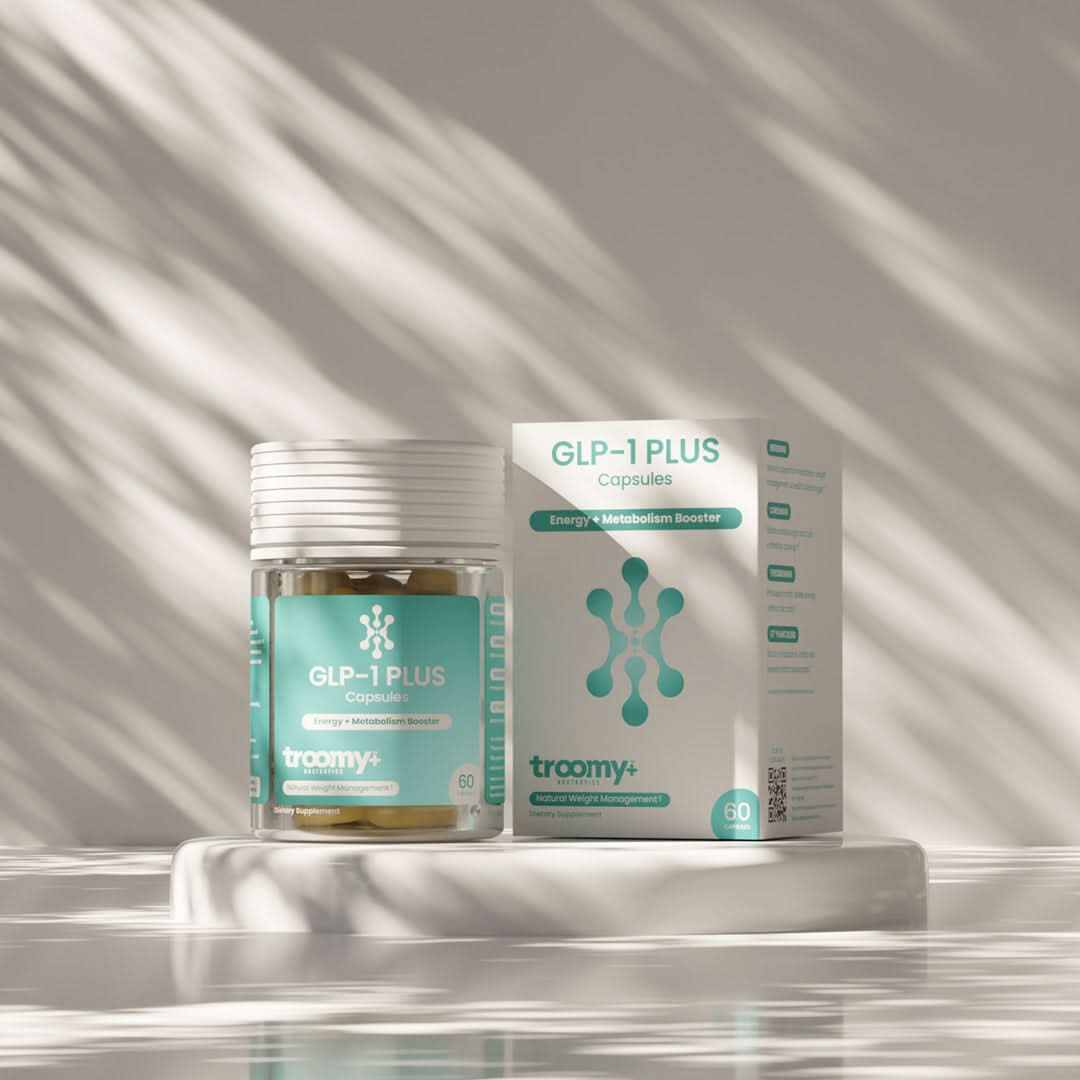
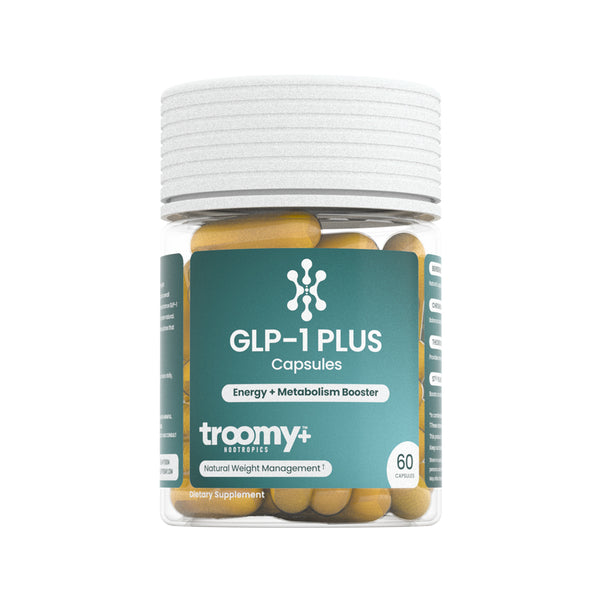
If you want a high-octane cognitive blend for long workdays, our Brain Power capsules combine Lion's Mane and Cordyceps with citicoline, L-theanine, and a small amount of natural caffeine for smooth, focused energy. For metabolism and appetite support, our GLP-1 Plus capsules blend berberine, chromium, plant compounds, and B vitamins.
How Do You Choose the Right Adaptogenic Mushroom Product?
Not all mushroom supplements are created equally, and the category is full of products that look strong on the label but underdeliver in the bottle. A few questions help you separate the genuine from the gimmicky.
-
Is it triple-extracted? Triple extraction pulls more of the beneficial compounds than single or double extraction.
-
Does it use fruiting bodies, not just mycelium grown on grain? This is the single biggest quality marker in the entire category.
-
What is the active dose per serving? If a brand will not show a milligram amount on the label, that is a red flag.
-
Where is it made? US-made products manufactured in GMP-certified facilities offer better quality assurance.
-
Is it third-party tested? Independent testing verifies purity, potency, and safety.
Troomy products are triple-extracted, fruiting body plus mycelium, made in the USA in a GMP-certified facility, third-party tested, vegetarian, and non-GMO. You can browse the full lineup by goal, including brain health, energy, bedtime, mood, immunity, beauty, and curated bundles if you are looking to build a complete routine.

Are Adaptogenic Mushrooms Safe to Take Every Day?
For the vast majority of healthy adults, yes, adaptogenic mushrooms are considered safe for daily use. These ingredients have been used in traditional wellness practices for centuries, and the modern category is supported by a growing body of clinical research. That said, a few common-sense notes apply. If you are pregnant, nursing, taking medications, or managing a medical condition, talk to your healthcare provider before adding any new supplement. People with mushroom sensitivities should also check with a professional first. For more on safety specifically, our piece on are Lion's Mane adaptogenic mushrooms safe covers what to know.
Adaptogenic Mushrooms FAQ
What is the difference between adaptogenic mushrooms and nootropic mushrooms?
Adaptogenic mushrooms are a category defined by their ability to help the body adapt to stress and return to balance. Nootropics are a broader category of compounds that support cognitive function, focus, memory, and mental performance. There is significant overlap between the two. Lion's Mane, for example, is both adaptogenic and nootropic. Cordyceps is primarily adaptogenic, though it is sometimes used in nootropic stacks for energy support. For a clearer breakdown of the nootropic side, see our guide on what is a nootropic.
How long does it take for adaptogenic mushrooms to work?
It depends on the mushroom and the outcome. Energy and focus blends like Cordyceps and Lion's Mane can produce noticeable effects within 30 to 60 minutes of taking a serving. Stress, immune, and recovery benefits build with consistent daily use over two to four weeks. Beauty results from Tremella and collagen typically take six to twelve weeks of daily use to become visible, similar to other beauty supplements. Consistency beats intensity. Daily use over a month or two is the most reliable path to results.
Will adaptogenic mushrooms make me feel high?
No. Adaptogenic mushrooms are non-psychoactive and contain zero hallucinogenic properties. Lion's Mane, Reishi, Cordyceps, Chaga, Turkey Tail, Maitake, and Tremella are entirely separate from psilocybin-containing mushrooms. You will not feel altered, intoxicated, or impaired. The effects are subtle and supportive, not psychoactive.
Can I take adaptogenic mushrooms every day?
Yes. Adaptogenic mushrooms are designed for consistent daily use, and that is exactly how you get the most out of them. Their effects build over time as the body adapts to a steady supply of the active compounds. There is no need to cycle off for most people, and many users take them daily for years.
What is the best adaptogenic mushroom for beginners?
A great starting point is a daily whole-body blend that introduces you to multiple mushrooms at once, like Troomy's Daily 14 Mushroom Blend. If you are looking to target a specific goal from the start, pick by need. Focus for cognitive support, Calm for stress, Boost for energy, Sleep for nighttime rest, Shine for beauty, and Recovery for active lifestyles. There is no wrong starting mushroom. There is only the one that matches what you want from your day.
Are adaptogenic mushrooms legal in the United States?
Yes. Adaptogenic mushrooms like Lion's Mane, Reishi, Cordyceps, Chaga, Turkey Tail, Maitake, and Tremella are completely legal in the United States and widely available in supplement, food, and beverage products. They are not classified as controlled substances and have no psychoactive properties.
Are Troomy mushroom gummies vegan and made in the USA?
Troomy gummies are plant-based and use pectin rather than gelatin, making them suitable for vegetarian and vegan lifestyles. All Troomy products are manufactured in the United States in a GMP-certified facility, third-party tested, and made without artificial colors or unnecessary fillers.
These statements have not been evaluated by the Food and Drug Administration. This product is not intended to diagnose, treat, cure, or prevent any disease.


