



When people hear the term "functional mushrooms," the mind can jump to some unexpected places. Are they like magic mushrooms? Do they make you high? Is cordyceps psychedelic? These are fair questions, and they deserve straight answers. The confusion is understandable, because both functional and psychedelic mushrooms are mushrooms, but that is pretty much where the similarity ends. If you've ever hesitated before trying a functional mushroom supplement because of uncertainty around what it actually does, this article is for you.
Let's cut through the noise and establish exactly what separates functional mushrooms from psychedelic mushrooms, why the distinction matters, and what you can expect when you add something like Lion's Mane or Cordyceps to your daily routine.
What Are Functional Mushrooms?
Functional mushrooms are a category of fungi that are valued for their potential therapeutic and nutritional benefits rather than any psychoactive effect. The term "functional" refers to their role in supporting wellness, whether that's immune function, cognitive clarity, energy, stress response, or recovery. Functional mushrooms have been used for centuries in traditional medicine systems across Asia, and today modern research is beginning to shed light on why.
Common functional mushrooms include Lion's Mane, Reishi, Cordyceps, Chaga, Turkey Tail, Maitake, and Shiitake. Each one has a distinct profile of bioactive compounds, including beta-glucans, triterpenes, and polysaccharides, that contribute to its unique benefits. None of these compounds are psychoactive. They don't alter your perception, impair your judgment, or produce any kind of high.
Functional mushrooms are entirely legal in the United States and most countries worldwide. You'll find them in health food stores, sold as whole dried mushrooms, powders, capsules, or gummies made with concentrated mushroom extracts. They are a legitimate part of the wellness category, and the science supporting them continues to grow.
Functional Mushrooms vs. Psychedelic Mushrooms: What Is the Main Difference?
The simplest way to frame this: functional mushrooms are medicinal, and psychedelic mushrooms are hallucinogenic. Those two things are not the same, and they operate through completely different mechanisms in the body.
Psychedelic mushrooms, commonly called magic mushrooms or shrooms, contain psilocybin and psilocin. These are psychoactive compounds that bind to serotonin receptors in the brain and alter perception, mood, and cognition in dramatic ways. The effects can include visual and auditory hallucinations, distorted thinking, euphoria, paranoia, and sensory experiences that feel disconnected from reality. Psilocybin is classified as a Schedule I controlled substance in the United States, meaning it is illegal to possess, use, or distribute.
Functional mushrooms contain none of these compounds. They do not contain psilocybin. They do not contain psilocin. They do not produce hallucinations or any altered state of consciousness. A person taking Lion's Mane gummies for focus or Reishi gummies for stress support is not experiencing anything remotely similar to what happens when someone ingests a psychedelic mushroom. The distinction is biochemical, legal, and practical.
Functional Mushrooms vs. Regular Mushrooms: How Do They Compare?
If functional mushrooms aren't psychedelic, how do they differ from the plain mushrooms you'd toss into a stir-fry? Regular culinary mushrooms like button mushrooms, portobello, or cremini are perfectly healthy foods with solid nutritional profiles. They offer fiber, protein, vitamins, and minerals. But they don't have the same concentration of targeted bioactive compounds found in functional varieties.
Functional mushrooms are selected specifically because they contain notably high levels of compounds like beta-glucans, which support immune function, and hericenones or erinacines in the case of Lion's Mane, which may support nerve growth factor production. Cordyceps contains cordycepin, a compound of interest for energy and oxygen utilization. Reishi is rich in triterpenes linked to stress adaptation and immune modulation. These aren't nutrients you'd get in meaningful amounts from a portobello.
The other major difference is how functional mushrooms are consumed in supplement form. Triple-extracted mushroom products, like those made by Troomy, concentrate the active compounds so you're getting a meaningful dose in every serving, not just trace amounts.
Do Functional Mushrooms Contain Psilocybin?
No. This is one of the most important things to understand, especially if safety and legality are concerns for you. Functional mushrooms do not contain psilocybin, psilocin, or any other psychoactive compound. The species used in functional supplements, such as Lion's Mane (Hericium erinaceus), Reishi (Ganoderma lucidum), Cordyceps (Cordyceps militaris), and Chaga (Inonotus obliquus), are entirely different species from the Psilocybe genus of psychedelic mushrooms.
The confusion often comes from the word "mushroom" being used as a broad umbrella term. But mushrooms are as diverse as plants. Just as a tomato and a jalapeño pepper are both plants but have vastly different properties, functional mushrooms and psychedelic mushrooms are fundamentally different organisms with different chemistry and different effects on the body.
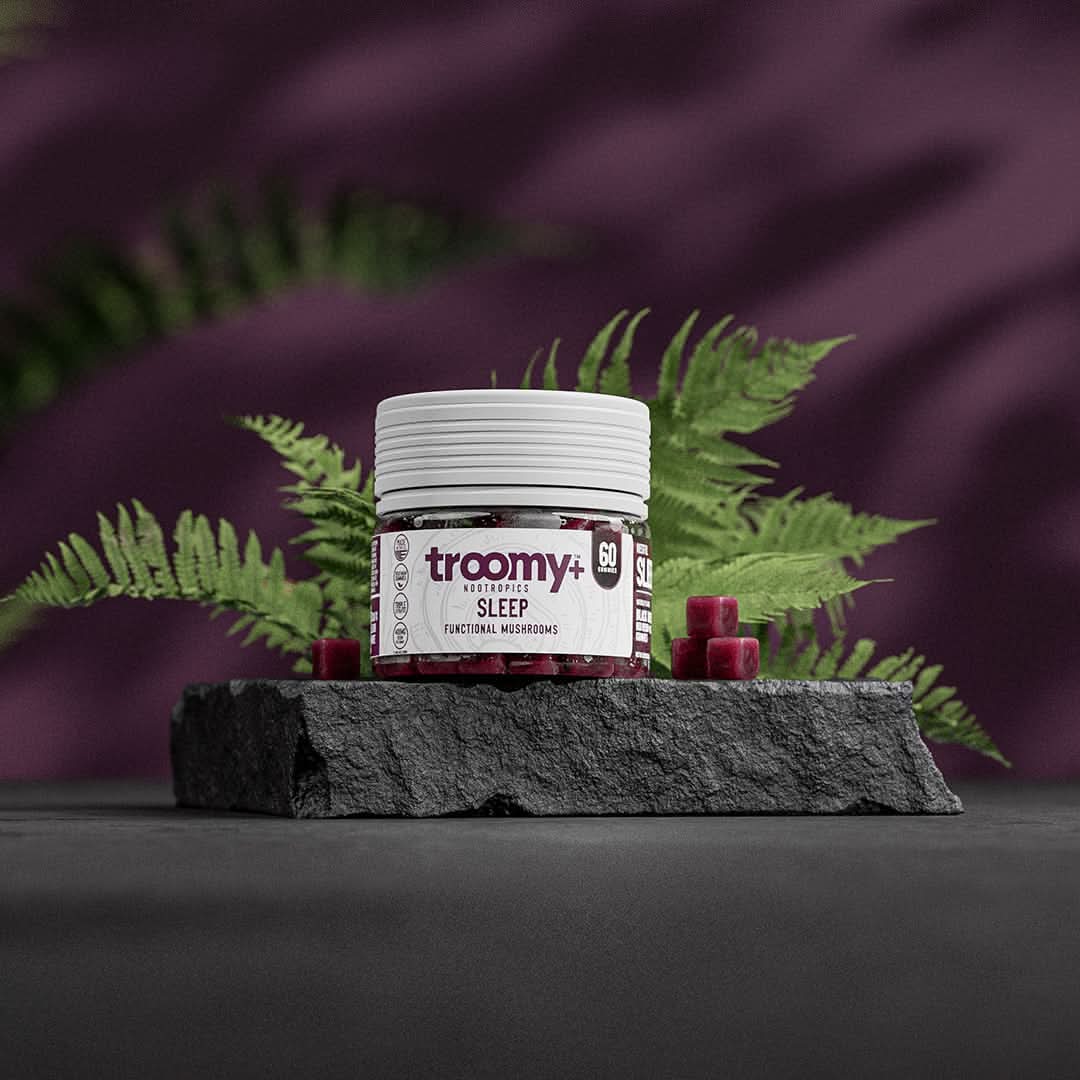
When you choose a reputable functional mushroom supplement, you can have confidence that psilocybin is not in the equation. Troomy's products are triple-extracted, made in the USA, and formulated with transparency, so you always know what you're getting.
Is Cordyceps Psychedelic? Setting the Record Straight
Cordyceps is one of the functional mushrooms that tends to generate the most questions, likely because of its unusual origin story and striking reputation as an energy-supporting fungi. So let's be direct: cordyceps is not psychedelic, not psychoactive, and not hallucinogenic in any way.
Are Cordyceps Psychedelic?
No, cordyceps is not psychedelic. The misconception may stem partly from pop culture references or general unfamiliarity with the mushroom. Cordyceps has a fascinating natural history as a parasitic fungus, but none of that translates into any psychoactive property. The compounds in Cordyceps militaris, the variety most commonly used in supplements, are primarily cordycepin and adenosine, along with beta-glucans. These compounds are studied for their potential to support oxygen utilization, physical endurance, and energy metabolism. Nothing about that profile suggests psychoactivity.
Cordyceps does not bind to serotonin receptors, does not produce hallucinations, and does not create any altered state of mind. People who take Cordyceps supplements describe feeling more energized and less fatigued during physical activity, not any kind of high. It works with your body's natural systems, not against them.
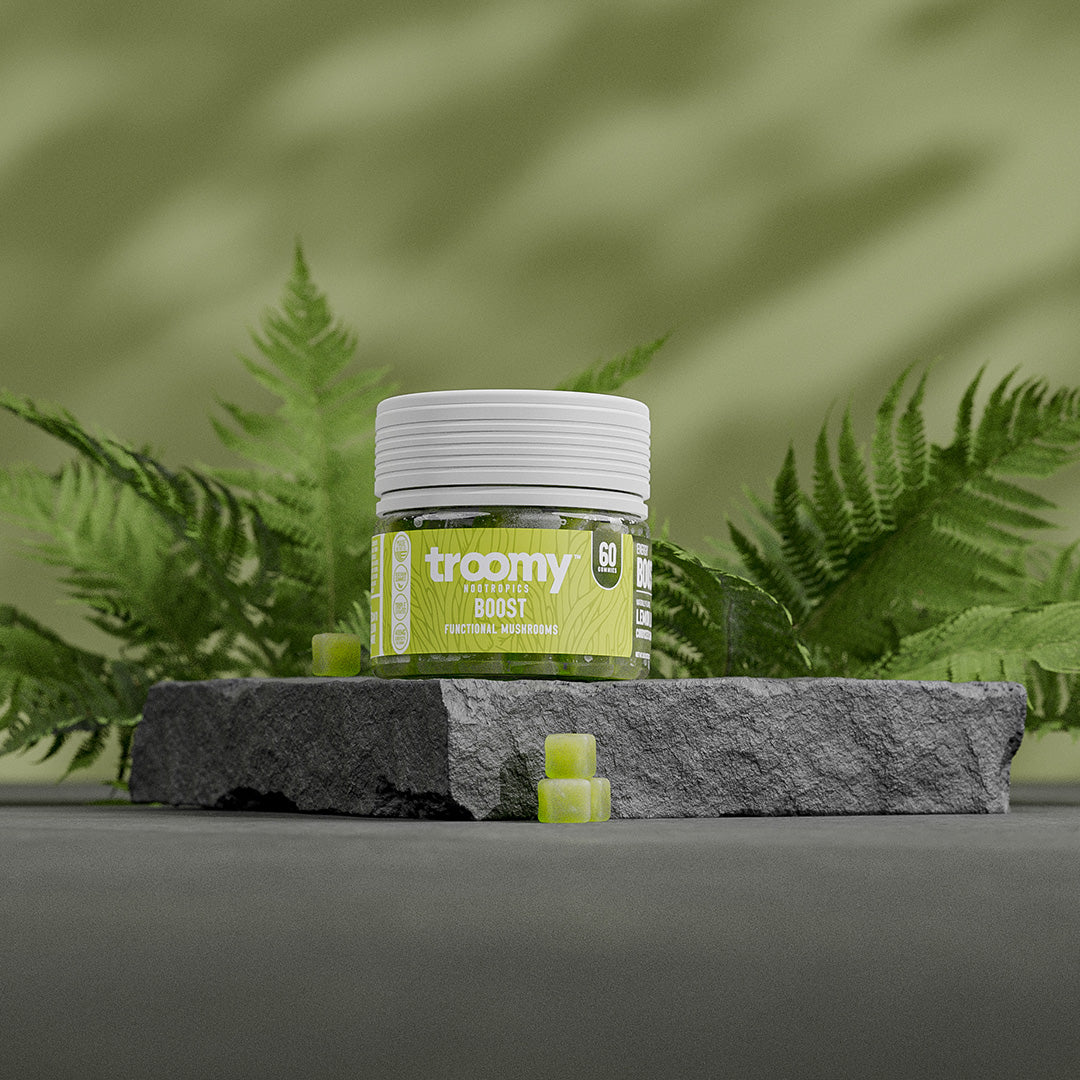
If you're looking to experience what Cordyceps can actually do for your energy and performance, Troomy's Boost Cordyceps Gummies are a clean, delicious way to incorporate this functional mushroom into your daily routine.
The Benefits of Functional Mushrooms: What Each One Is Known For
Each functional mushroom has a distinct area where it shines. Here is a quick overview of what the most widely used functional mushrooms are known for, based on their traditional use and available research.
Lion's Mane is widely studied for its potential cognitive benefits. It contains hericenones and erinacines, compounds that may stimulate the production of nerve growth factor, which plays a role in the maintenance and growth of neurons. People use Lion's Mane to support focus, memory, and mental clarity.
Reishi is often called the "mushroom of immortality" in traditional Chinese medicine and has long been associated with calm, immune support, and longevity. It is rich in triterpenes that may support stress adaptation and healthy sleep patterns.
Cordyceps has a strong reputation for supporting physical energy and endurance. It is popular among athletes and anyone looking for a natural way to combat fatigue.
Chaga is packed with antioxidants and has been used historically to support immune function and reduce oxidative stress. Turkey Tail is another immune-focused mushroom, well-studied for its beta-glucan content. Maitake and Shiitake both offer solid nutritional profiles along with immune-supporting properties.
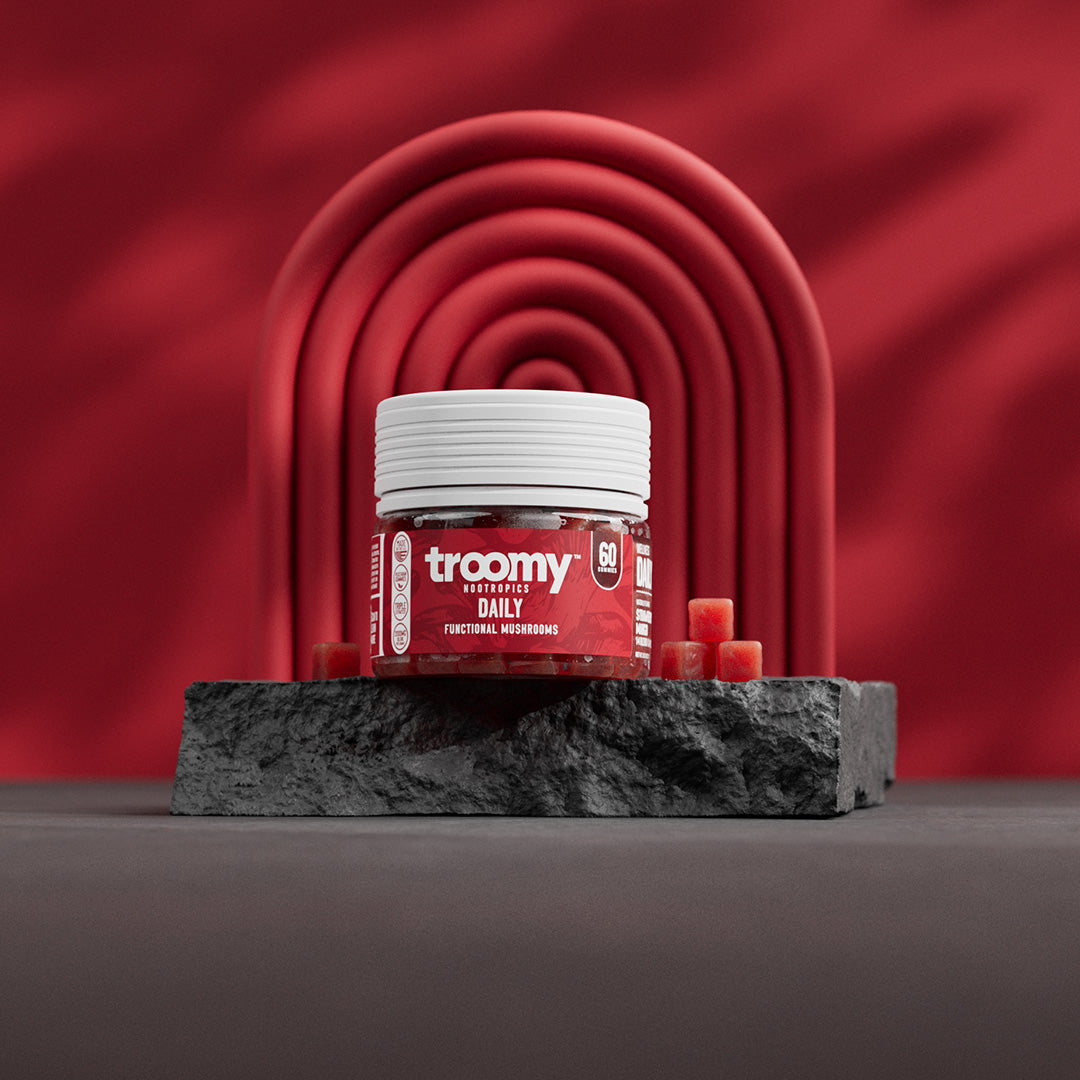
For broad-spectrum functional mushroom support, Troomy's Daily 14 Mushroom Blend Gummies bring together 14 species into one convenient daily gummy. It is one of the simplest ways to get the full range of what functional mushrooms have to offer.
Are Functional Mushrooms Safe and Legal?
Yes on both counts. Functional mushrooms are legal in the United States and in most countries around the world. Because they contain no psilocybin or other controlled substances, there are no legal restrictions on their purchase, possession, or use. You can find them on the shelves of health food stores, sold online, and incorporated into a wide range of supplement products.
In terms of safety, functional mushrooms have a long history of use in traditional medicine with a strong general safety profile. They are generally well-tolerated when taken as directed. As with any supplement, it is always a good idea to consult with a healthcare provider if you are pregnant, nursing, or taking medications, but functional mushrooms are not associated with the kinds of risks tied to psychedelic substances.
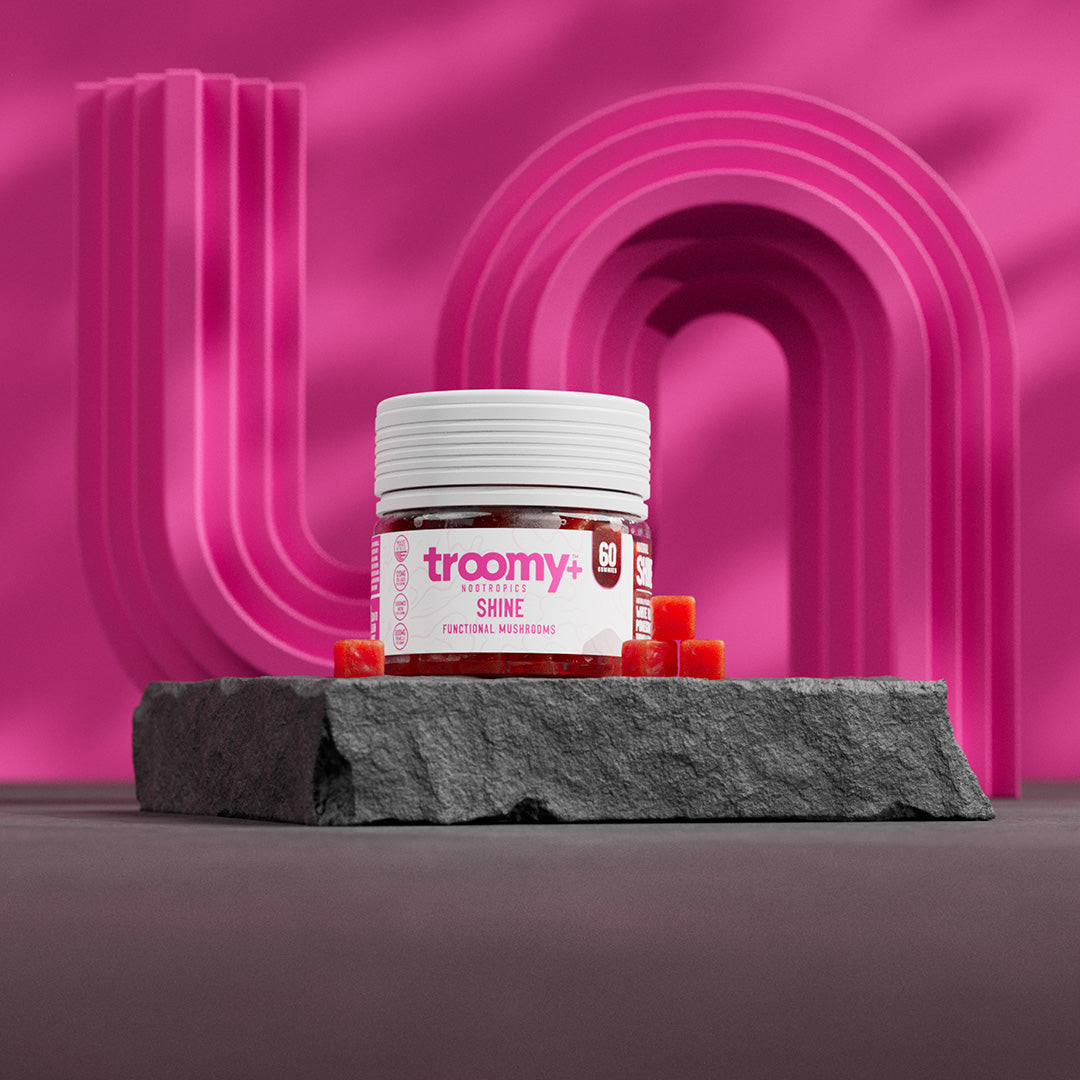
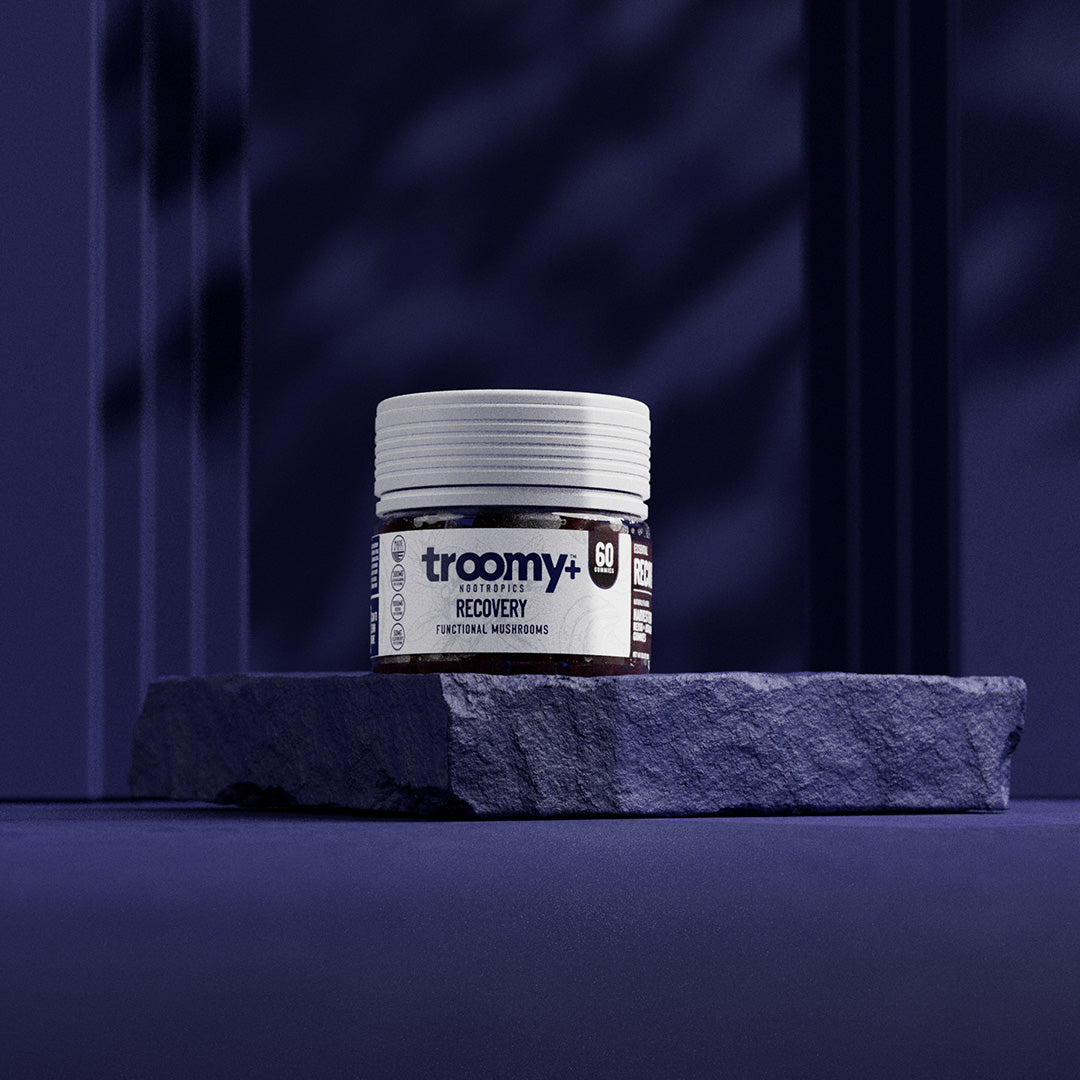
Troomy's functional mushroom gummies are vegetarian, made in the USA, and use triple-extracted mushroom ingredients to ensure you're getting active compounds, not just filler. The goal is a supplement you can feel good about taking every single day.
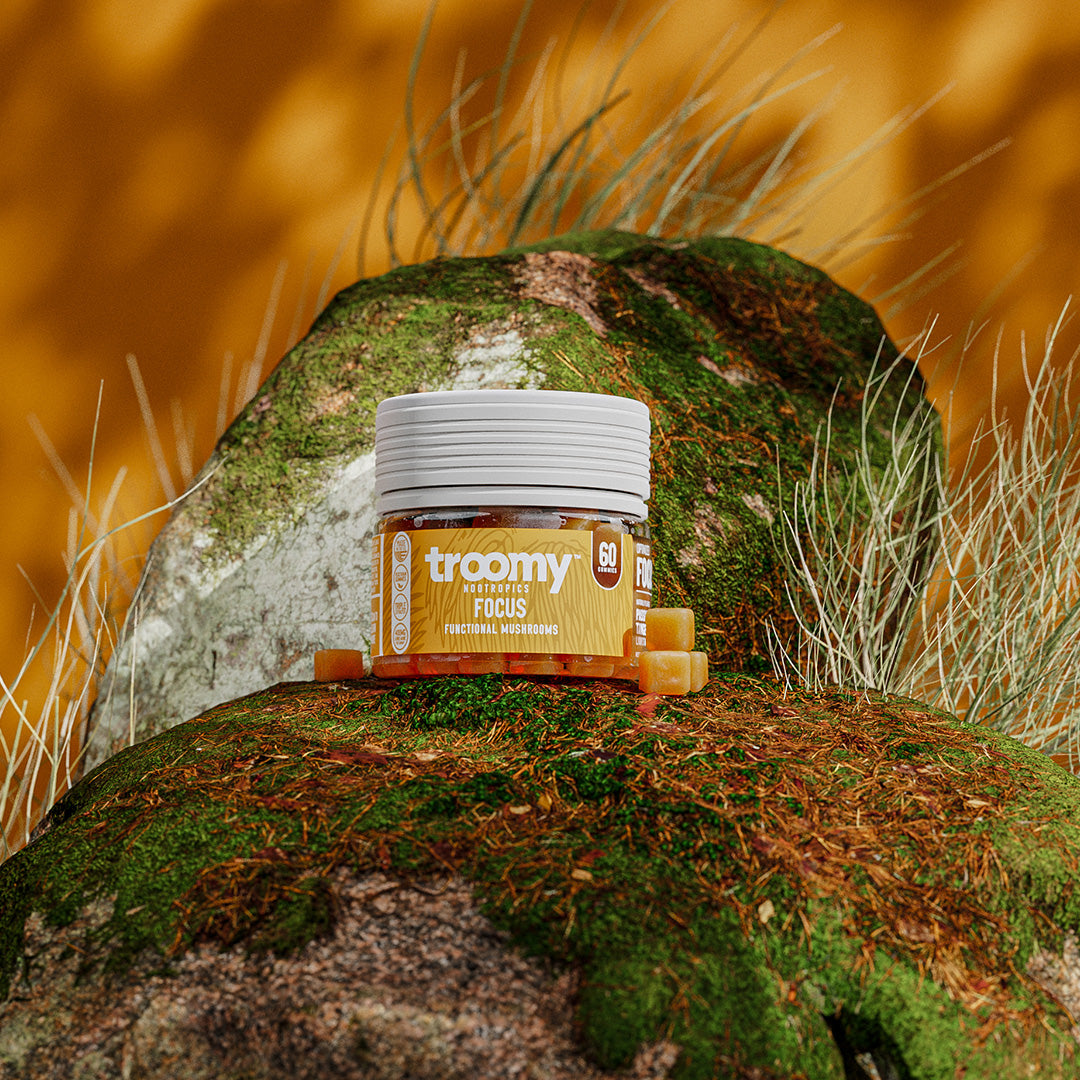
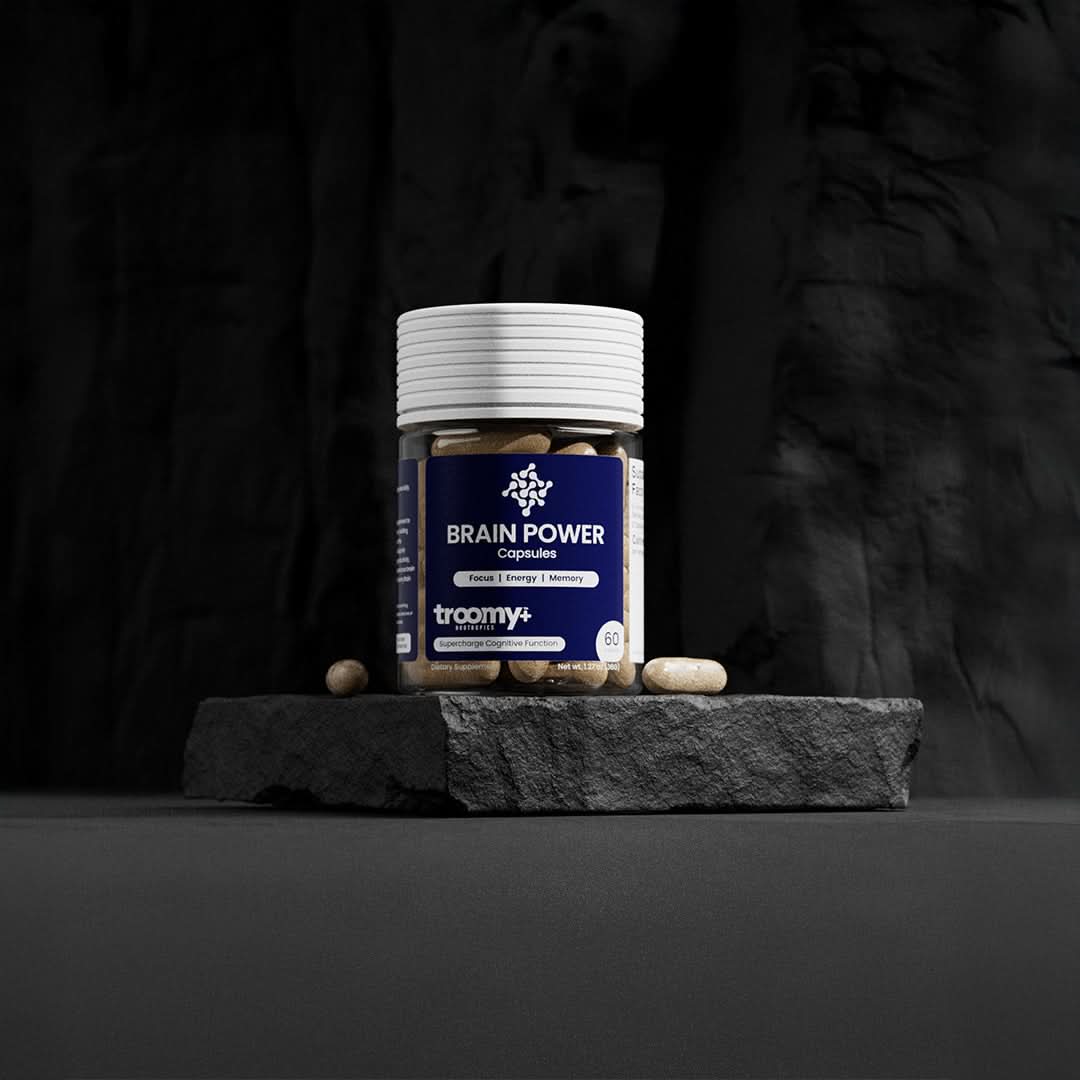
For cognitive support specifically, Troomy's Focus Lion's Mane Gummies and the Brain Power Cognitive Function Capsules are designed for people who want sharper focus and mental clarity as part of their everyday wellness routine, with no psychoactive effects involved.
Frequently Asked Questions
Are functional mushrooms psychedelic?
No. Functional mushrooms do not contain psilocybin, psilocin, or any psychoactive compounds. They are consumed for their potential wellness benefits, including immune support, cognitive function, energy, and stress adaptation. They do not alter perception or produce any hallucinogenic effects.
Do functional mushrooms make you high?
No. Functional mushrooms do not make you high. The bioactive compounds in functional mushrooms, such as beta-glucans, triterpenes, and specific amino acids, work within the body's normal physiological systems. There is no euphoria, no intoxication, and no impairment of judgment associated with taking functional mushroom supplements.
Is cordyceps a psychedelic mushroom?
No, cordyceps is not a psychedelic mushroom. Cordyceps is a functional mushroom valued for its potential to support energy, endurance, and oxygen utilization. It contains cordycepin and adenosine, not psilocybin. It does not produce any psychoactive effects.
What is the difference between functional and psychedelic mushrooms?
Functional mushrooms are selected for their therapeutic and nutritional value and do not contain psychoactive compounds. Psychedelic mushrooms, also called magic mushrooms or shrooms, contain psilocybin and psilocin, which are Schedule I controlled substances that cause hallucinations and altered states of consciousness. The two categories are biologically distinct, legally different, and produce entirely different effects in the body.
Are functional mushrooms safe to take daily?
For most healthy adults, functional mushrooms are considered safe for daily use. They have been part of traditional wellness practices for centuries and are generally well-tolerated. Troomy's mushroom gummies are formulated specifically for consistent daily use. If you have existing health conditions, are pregnant or nursing, or take prescription medications, consult a healthcare provider before adding any new supplement to your routine.
These statements have not been evaluated by the Food and Drug Administration. This product is not intended to diagnose, treat, cure, or prevent any disease.


