
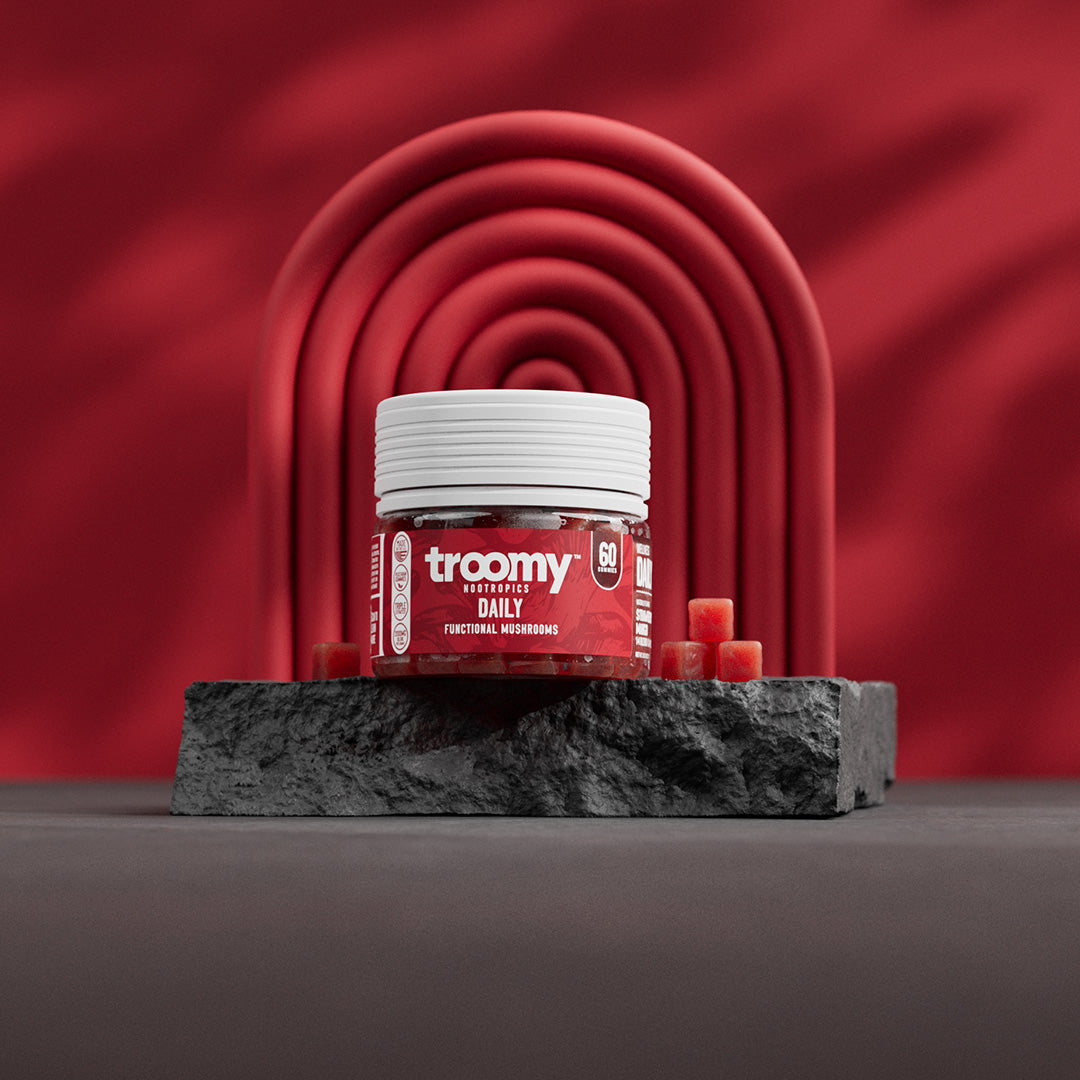
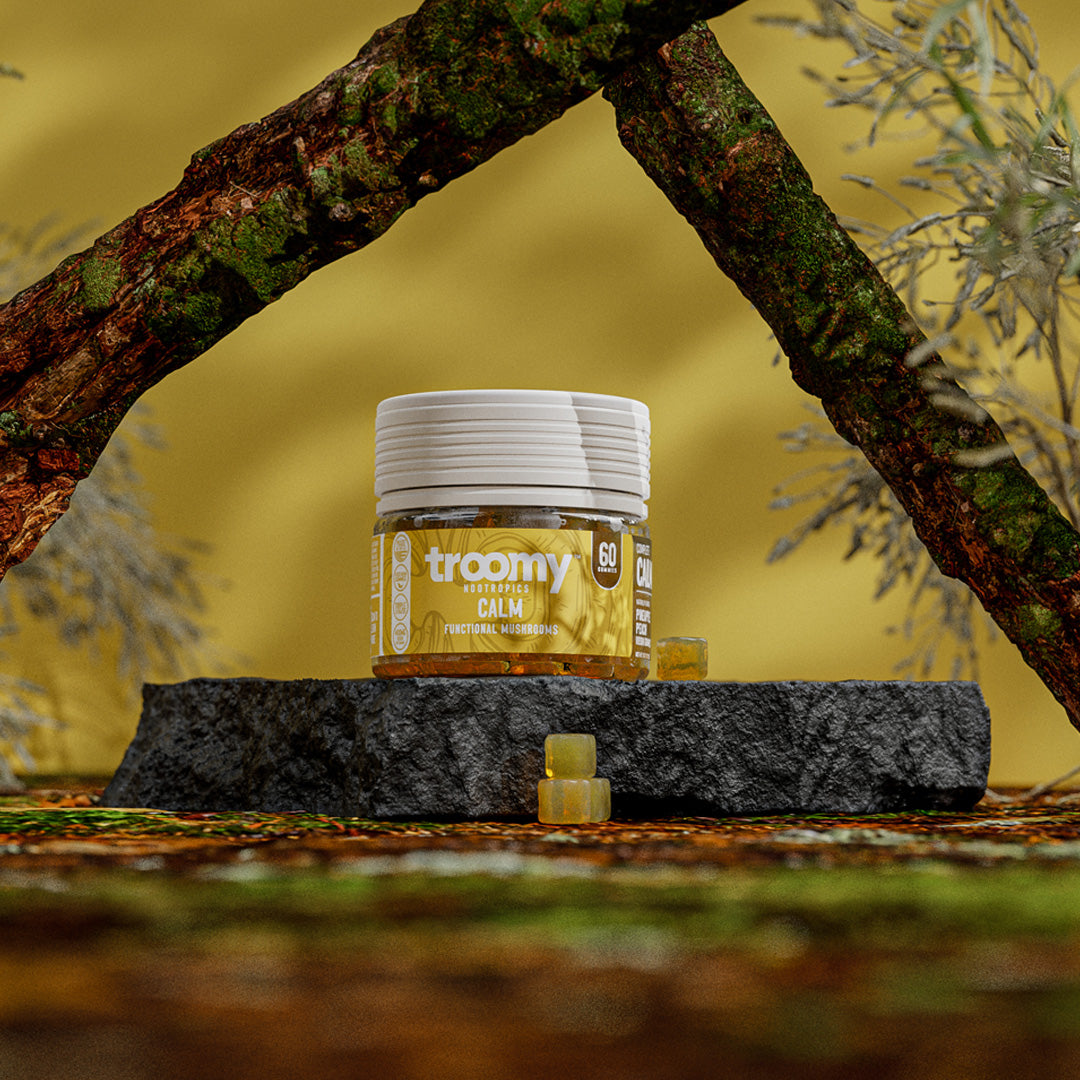
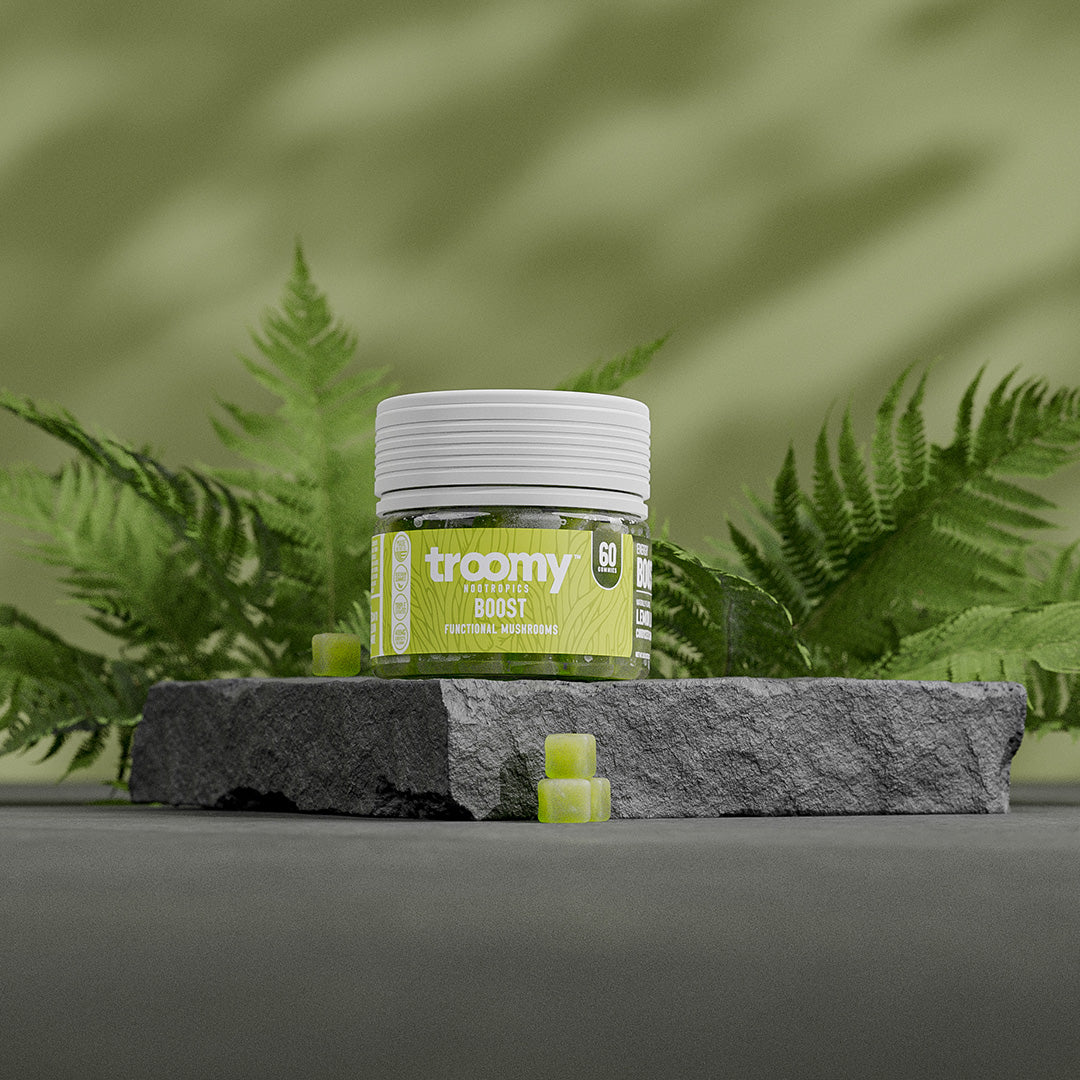
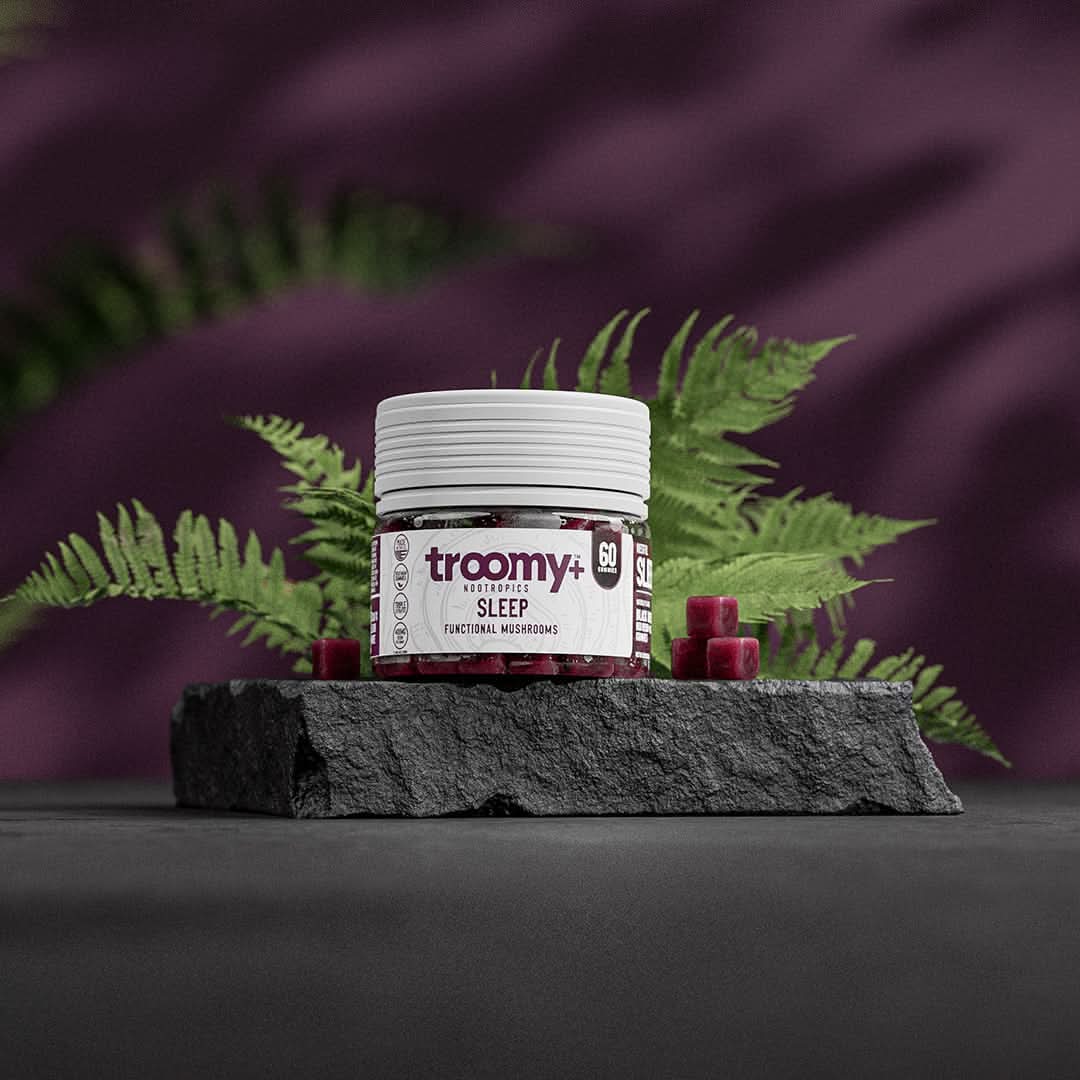
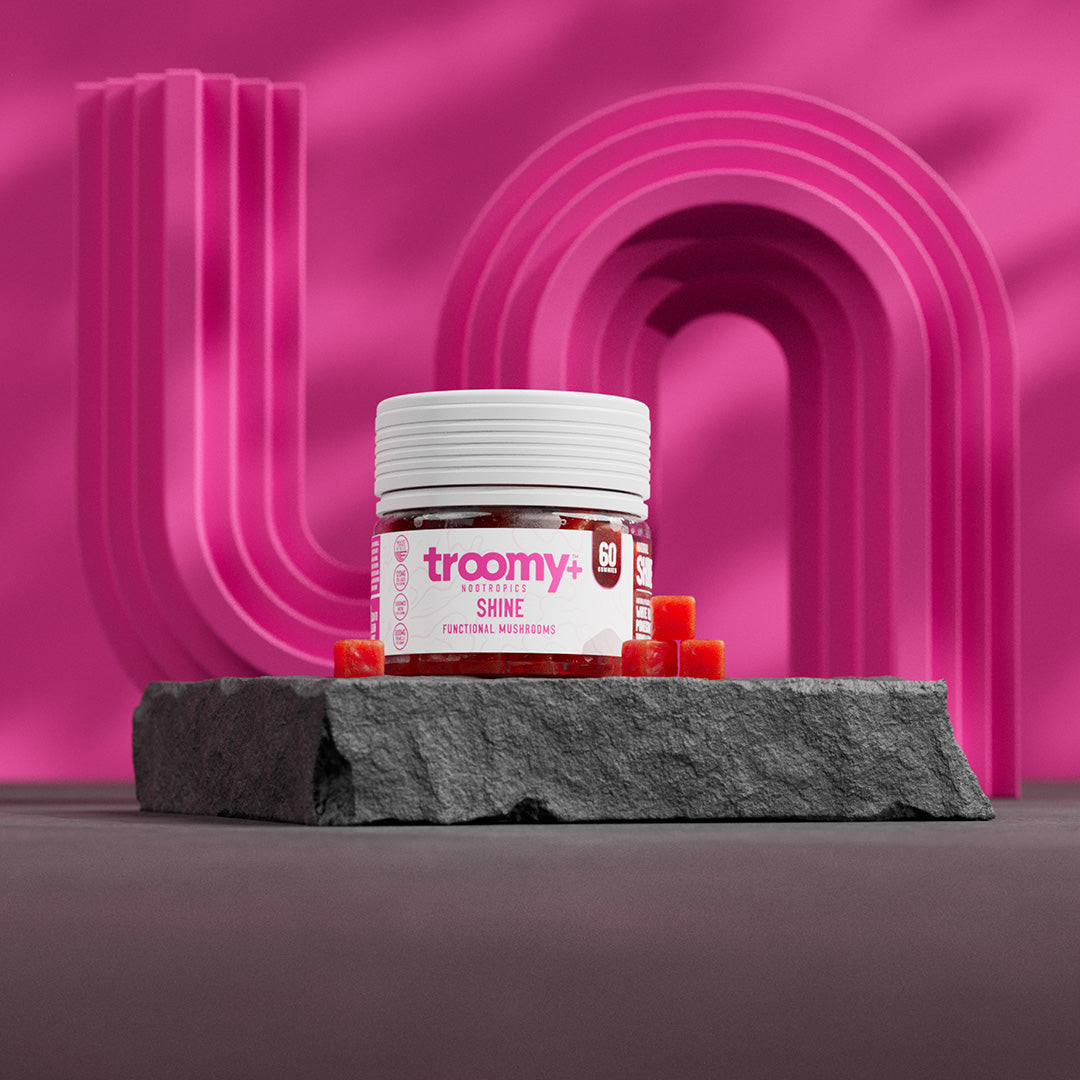
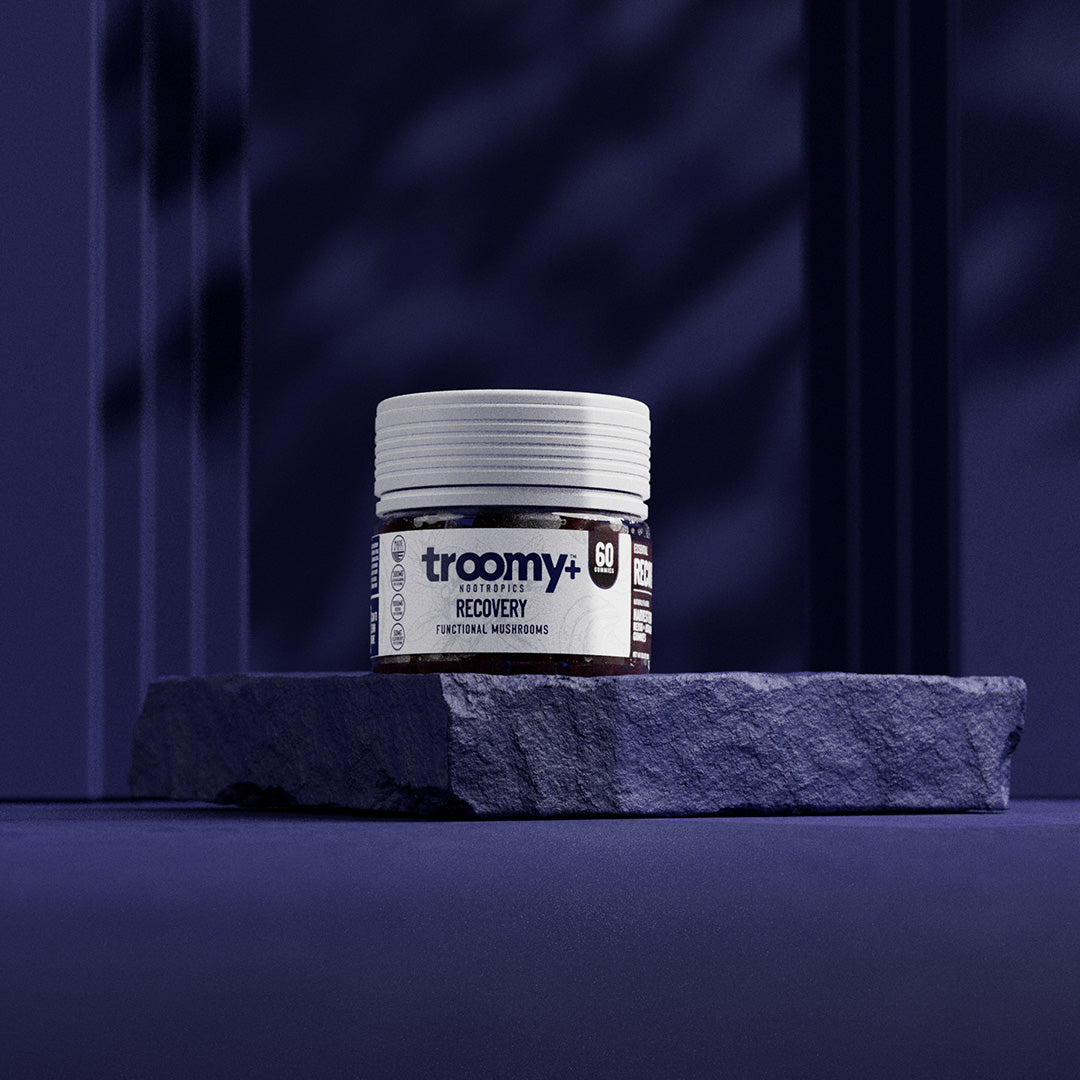



The word nootropic sounds like something out of a science fiction novel, but the concept behind it is grounded in real science and everyday wellness. If you have ever reached for a cup of coffee to sharpen your focus before a big meeting, you have already taken one. If you have explored supplements to support memory, mental clarity, or calm without the jittery side effects of stimulants, there is a good chance you have experimented with a few more.
Nootropics are one of the fastest-growing categories in the supplement industry, and the reasons are not hard to understand. People want brain health supplements that are natural, effective, and realistic to maintain. This guide covers everything you need to know: what nootropics are, how they work, which ones are most commonly used, what distinguishes a quality brain health supplement, and why functional mushrooms have become one of the most compelling developments in the category.
What Is a Nootropic, Exactly?
The term nootropic was coined in 1972 by Romanian chemist and psychologist Dr. Corneliu Giurgea, who defined it as a compound that enhances learning and memory while also protecting the brain from damage. The word itself combines the Greek words for "mind" and "to bend" -- and the underlying idea is exactly what the etymology suggests: substances that nudge the brain toward better performance.
Today, the definition has broadened considerably. A nootropic is broadly understood to be any natural or synthetic substance that supports cognitive function, including focus, memory, mental clarity, mood, and long-term brain health. A useful way to think about them is as targeted nutrition for your brain. Where a multivitamin fills nutritional gaps across your entire body, a nootropic has a specific focus on the brain and nervous system.
What separates a legitimate nootropic from a general stimulant is intent and mechanism. A nootropic supports your brain's natural processes rather than overwhelming or disrupting them. That distinction matters, and it is what drives the growing interest in natural nootropics as a sustainable approach to cognitive wellness.
How Do Nootropics Work in the Brain?
Different nootropics work through different mechanisms, which is part of what makes the category so broad. Some support the production or availability of key neurotransmitters -- the chemical messengers that govern focus, mood, memory, and motivation, including dopamine, serotonin, and acetylcholine. Others improve cerebral blood flow, helping oxygen and glucose reach brain cells more efficiently. Some work at a cellular level, protecting neurons from oxidative stress and supporting the long-term structural integrity of brain tissue.
One particularly well-researched mechanism involves Nerve Growth Factor, or NGF -- a protein that supports the growth, maintenance, and survival of neurons. This is the mechanism most closely associated with Lion's Mane mushroom, one of the most studied natural nootropics available today, and one of the key reasons it has attracted serious scientific attention.
The common thread across all credible nootropics is that they work with your brain's own systems rather than against them. That is the fundamental difference between a nootropic and a stimulant or prescription drug. The goal is optimization and resilience, not force.
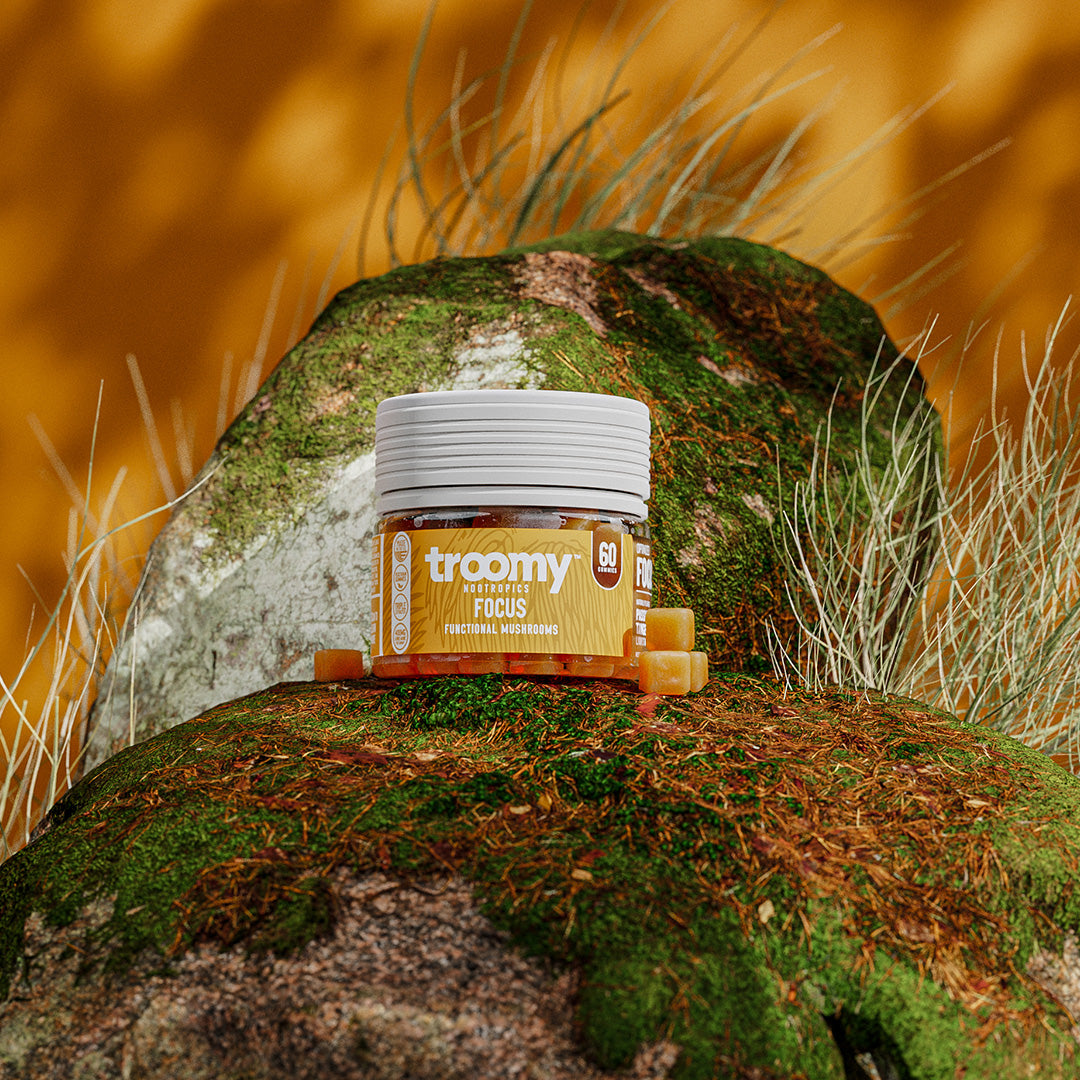
Ready to start? Troomy's Focus Lion's Mane Gummies use the NGF-supporting power of triple-extracted Lion's Mane to support daily focus and cognitive clarity -- no stimulants, no jitters, just clean brain support you can build on.
What Is the Difference Between Natural and Synthetic Nootropics?
Nootropics fall into two broad categories: natural and synthetic. Understanding the difference helps when evaluating what you actually want to add to your routine.
Natural nootropics include plant-derived compounds, herbal extracts, amino acids, and functional mushrooms that have been used in wellness traditions for centuries. Examples include Lion's Mane mushroom, ashwagandha, bacopa monnieri, rhodiola rosea, and L-theanine. Their safety profiles are generally well-established, in part because many have a long history of human use that predates modern clinical research.
Synthetic nootropics -- sometimes called "smart drugs" -- are lab-created compounds designed to enhance cognitive function. The racetam family, including piracetam, is among the most recognized. Some synthetic nootropics are used medically (modafinil, for instance, is a prescription drug for narcolepsy and other sleep disorders), while others exist in a regulatory gray area and carry less-understood risks with long-term use.
For most people pursuing everyday cognitive support, natural nootropics offer a compelling balance of safety, accessibility, and efficacy. They fit into a daily wellness routine without requiring a prescription, and the best ones are supported by both centuries of traditional use and a growing body of modern research.
What Are the Most Commonly Used Nootropics?
The nootropic most people have already tried is one they rarely think of that way: caffeine. Caffeine works by blocking adenosine receptors in the brain, which delays the buildup of the "tired" signal your body accumulates over hours of activity. The result is a temporary boost in alertness and concentration. The familiar afternoon crash that follows -- especially pronounced with sugary drinks -- is what happens when those receptors start working again all at once.
Pairing caffeine with L-theanine is one of the most widely used natural nootropic combinations. L-theanine is an amino acid found naturally in green tea, and it promotes a state of alert calm that smooths out the stimulant edge of caffeine without dulling the focus it provides. The combination produces cleaner, more sustained concentration than caffeine alone.
Creatine is another well-known nootropic that most people associate with athletic performance. What is less discussed is that creatine also plays a role in cellular energy production in the brain, and it is being studied for its potential to support cognitive function, particularly under conditions of fatigue or sleep deprivation.
Bacopa monnieri, an herb with a long history in Ayurvedic medicine, has been studied for its effects on memory encoding and recall, with research suggesting that benefits develop over consistent use across several weeks. Rhodiola rosea, an adaptogenic herb native to colder climates, is associated with reduced mental fatigue and improved performance under stress. Ginkgo biloba has a well-established reputation for supporting circulation and cognitive function, particularly in older adults.
Then there is the functional mushroom category -- and this is where the modern nootropic conversation has taken a genuinely compelling turn.
What Are the Best Natural Nootropics for Focus?
When it comes to natural nootropics specifically for focus and cognitive clarity, Lion's Mane mushroom (Hericium erinaceus) is consistently at the top of serious conversations about the category. The reason comes back to the NGF mechanism. Lion's Mane contains two groups of compounds -- hericenones and erinacines -- that have been studied for their ability to stimulate Nerve Growth Factor production in the brain. NGF plays a direct role in the health, growth, and regeneration of neurons, which is why researchers and wellness practitioners alike have taken such an interest in it for cognitive support.
In practical terms, Lion's Mane is associated with improvements in mental clarity, reduced brain fog, and sustained focus -- the kind of focus that comes from a well-functioning brain rather than stimulant-driven intensity. Because it supports long-term brain health rather than simply flooding the system with energy, its effects tend to build with consistent daily use rather than fading after a few hours.
For anyone looking to add a natural nootropic for focus to their daily routine, Troomy's Focus Lion's Mane Gummies are built for exactly that. Each gummy contains triple-extracted Lion's Mane mushroom, made in the USA, vegetarian, and available in natural fruit flavors -- because a nootropic you actually enjoy taking is one you will stick with long enough to feel the difference.
What Are Nootropics Good For?
The widespread appeal of nootropics comes from how many dimensions of daily cognitive function they can address. Focus and concentration are the most commonly cited goals -- people who need to perform at a high level mentally, stay locked in during long work sessions, or push through the scattered feeling that comes with a packed schedule. But focus is only one part of the picture.
Memory and learning are major reasons people explore nootropics, particularly for students, professionals navigating heavy cognitive workloads, and adults who want to maintain sharpness as they get older. Mood stability is another key area -- several natural nootropics work indirectly by supporting cortisol regulation, neurotransmitter balance, and the kind of mental resilience that makes stressful days feel manageable rather than overwhelming.
Long-term brain health is increasingly the reason people start a nootropic routine. There is a generational shift happening in how people think about brain health supplements -- not just "how do I feel today" but "how does my brain hold up over the next 20 years?" Functional mushrooms and evidence-backed natural compounds are well-positioned to serve both goals simultaneously.
Can Nootropics Help with Anxiety and Stress?
Nootropics for anxiety and stress are among the most searched terms in the brain supplement category -- and for good reason. Chronic stress is one of the fastest routes to cognitive decline. When cortisol stays elevated, it disrupts memory consolidation, narrows focus, and accelerates the kind of brain aging that no one wants to accelerate. Addressing the stress-cognition connection is not a side goal for nootropics -- for many people, it is the main one.
Several natural nootropics have well-documented effects on the stress response. Ashwagandha is one of the most studied adaptogens for reducing cortisol and supporting the body's ability to regulate its own stress response. Reishi mushroom has a long history in traditional wellness for its calming properties and nervous system support. L-theanine -- the amino acid found in green tea -- promotes a state of relaxed alertness without sedation, making it one of the most practical nootropics for anxiety in a daily context. These compounds work by supporting the systems your brain uses to manage stress, rather than simply suppressing the symptoms.
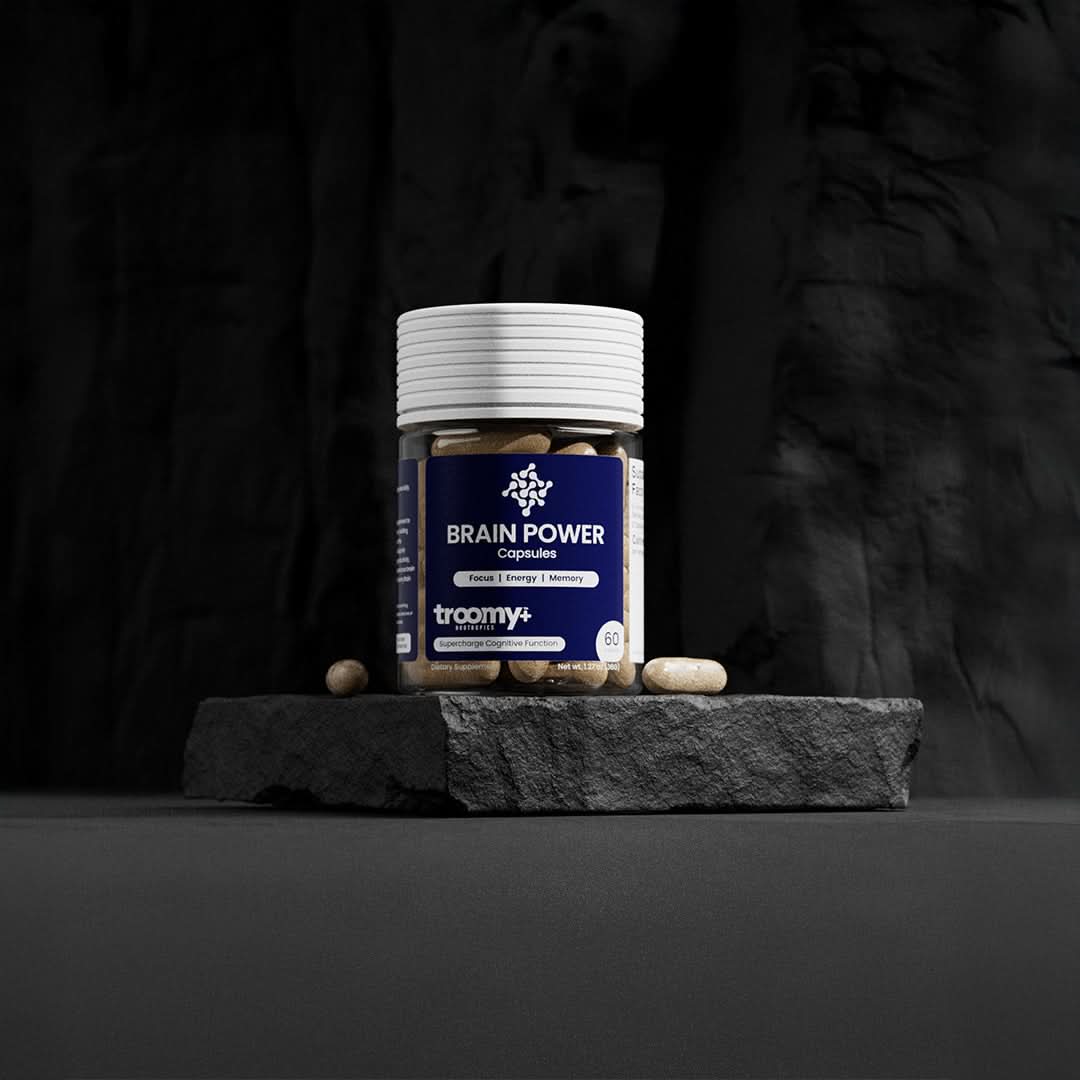
The practical implication: if stress and anxiety are part of what drives your interest in nootropics, adaptogens and functional mushrooms are a natural starting point. A formula that combines focus support with stress resilience -- like the one in Troomy's Brain Power Capsules -- addresses both dimensions of cognitive wellness rather than treating focus and calm as separate problems.
Are Nootropics Safe to Take?
For the vast majority of natural nootropics, the answer is yes -- provided they come from quality sources and are used as directed. Natural compounds like Lion's Mane, ashwagandha, bacopa monnieri, and L-theanine have long histories of safe use in traditional wellness practices, and modern research largely supports their safety profiles in healthy adults.
The most important variable is sourcing. Not all nootropic supplements are created equal. The quality of a mushroom extract, for instance, depends heavily on how it was grown, whether it was tested for purity and potency, and how the extraction was performed. Triple extraction, as used in Troomy's products, ensures that the bioactive compounds in the mushroom -- beta-glucans, hericenones, and other key constituents -- are preserved and concentrated rather than diluted through poor processing.
As with any supplement, if you have existing health conditions, are pregnant or nursing, or take prescription medications, it is worth checking with a healthcare provider before adding a new nootropic to your routine. But for most healthy adults looking for natural cognitive support, quality natural nootropics carry a favorable safety profile.
What Are Nootropic Gummies?
Nootropic gummies are exactly what they sound like: the cognitive and brain-health benefits of traditional nootropic supplements delivered in a gummy format. They have grown in popularity for a straightforward reason -- people actually take them. Pills and powders are easy to forget or skip. A gummy that tastes like real fruit and fits naturally into a morning routine is a different experience entirely.
Beyond convenience, quality nootropic gummies offer a real advantage in terms of consistency. The extract in each gummy is precisely measured, which means the same dose every time -- without the variability of brewing mushroom tea or measuring loose powders. And unlike fresh functional mushrooms, which have a short shelf life and require prep, a well-formulated gummy blend stays potent and ready to go.
For daily Lion's Mane support in an easy-to-take format, Troomy's Focus Lion's Mane Gummies are made with triple-extracted mushroom concentrate, produced in the USA, and formulated to be vegetarian-friendly -- because a nootropic gummy you actually enjoy taking is one you will stick with long enough to see results.
How to Choose the Best Nootropic Supplement
With a crowded supplement market, knowing how to evaluate a nootropic product makes a real difference. There are a few things worth looking at before committing to any supplement.
Transparency in ingredients is the baseline. A quality product tells you exactly what is in it, at what dose, and in what form. For mushroom-based nootropics specifically, look for products that use fruiting body extract rather than mycelium on grain, and check that the extraction method is designed to preserve bioactive compounds rather than simply grinding raw mushroom material.
Manufacturing standards matter just as much as the ingredients themselves. Is the product made in the USA? Is it produced under good manufacturing practice guidelines? Troomy's mushroom gummies and capsules are manufactured in the USA, formulated to be vegetarian-friendly, and free of artificial ingredients -- so what goes into your body is clean, concentrated, and consistent.
Finally, think about the format that actually works for your life. The most effective nootropic supplement is the one you will take every day. Consistency is the single biggest factor in whether a natural nootropic delivers results, and a product that fits your routine without extra effort gives you the best chance of staying on track. If you want to go further, combining nootropics into a daily stack is a well-established way to address multiple aspects of cognitive health at once.
Gummies or capsules: which format is right for you?
Both formats can be equally effective when the ingredients and extraction quality are there. The difference comes down to preference and goals. If you want a single targeted nootropic for focus and enjoy a fruity daily ritual, the Troomy Focus Lion's Mane Gummies are the straightforward choice. If you want comprehensive daily brain health support with a broader nootropic formula, the Troomy Brain Power Cognitive Function Capsules deliver a full-spectrum formula made in the USA. Both are vegetarian-friendly, free of artificial ingredients, and built for people who take their brain health seriously.
Frequently Asked Questions
What is the difference between a nootropic and a stimulant?
A stimulant like caffeine increases brain activity by blocking adenosine receptors or triggering the release of excitatory neurotransmitters. Nootropics support and optimize brain function without forcibly overriding its natural systems. Some nootropics have mild stimulant properties, but the category as a whole is defined by cognitive support and neuroprotection rather than stimulation. Many natural nootropics are entirely non-stimulant.
Are nootropic gummies as effective as capsules or powders?
When formulated correctly, nootropic gummies can be just as effective as capsules or powders. The key factor is the quality and concentration of the active ingredients, not the delivery format. A gummy made with triple-extracted functional mushroom concentrate delivers the same bioactive compounds as an equivalent capsule. The primary advantage of gummies is adherence -- people tend to take them more consistently because they taste good and fit easily into a daily routine.
What is the best natural nootropic for focus?
Lion's Mane mushroom is one of the most extensively studied natural nootropics for focus and cognitive clarity. It supports Nerve Growth Factor, which plays a direct role in the health and functioning of neurons in the brain. Other commonly used natural nootropics for focus include L-theanine (particularly when paired with caffeine), bacopa monnieri, and rhodiola rosea. Lion's Mane is a strong starting point for daily cognitive support because it addresses the underlying biology of brain function rather than simply providing a short-term energy boost.
How long does it take for natural nootropics to work?
It depends on the specific compound. Some nootropics, like caffeine or L-theanine, produce noticeable effects within an hour of taking them. Others, like Lion's Mane or bacopa monnieri, work best with consistent daily use over several weeks, as their effects build gradually by supporting neurological structure and function over time. If you are trying a functional mushroom nootropic for the first time, give it at least four to six weeks of daily use before evaluating results.
Are mushroom gummies considered nootropics?
Functional mushroom gummies -- particularly those made with Lion's Mane -- are absolutely considered nootropics. Lion's Mane has been studied for its effects on Nerve Growth Factor and cognitive function, and it meets the core criteria of a nootropic: it supports brain health without significant side effects and works through mechanisms that enhance rather than disrupt normal brain function. Mushroom gummies offer the added advantages of being plant-based, natural, and easy to incorporate into a daily wellness routine.
What nootropics are best for anxiety and mental stress?
Several natural nootropics are well-regarded for their effects on anxiety and stress. Ashwagandha is one of the most studied adaptogens for reducing cortisol and supporting the body's stress response. Reishi mushroom is known for its calming properties and has a long history of use in traditional wellness for nervous system support. L-theanine promotes a state of relaxed alertness without sedation. For a daily nootropic routine oriented around stress resilience and calm focus, adaptogens and functional mushrooms are among the most thoughtfully supported natural options available.
These statements have not been evaluated by the Food and Drug Administration. This product is not intended to diagnose, treat, cure, or prevent any disease.


