



Tremella fuciformis is a translucent, gelatinous fungus that grows in delicate, frilled clusters on decaying hardwood across China, Japan, and other parts of Southeast Asia. In English it goes by several names: snow mushroom, silver ear mushroom, white jelly mushroom, or simply tremella. If you have ever seen a photo of it, you understand the nicknames immediately. The mushroom looks almost like a small cloud or a piece of sea coral, pale white to golden, with a soft, slightly springy texture when fresh and a delicate, chewy bite once cooked or rehydrated.
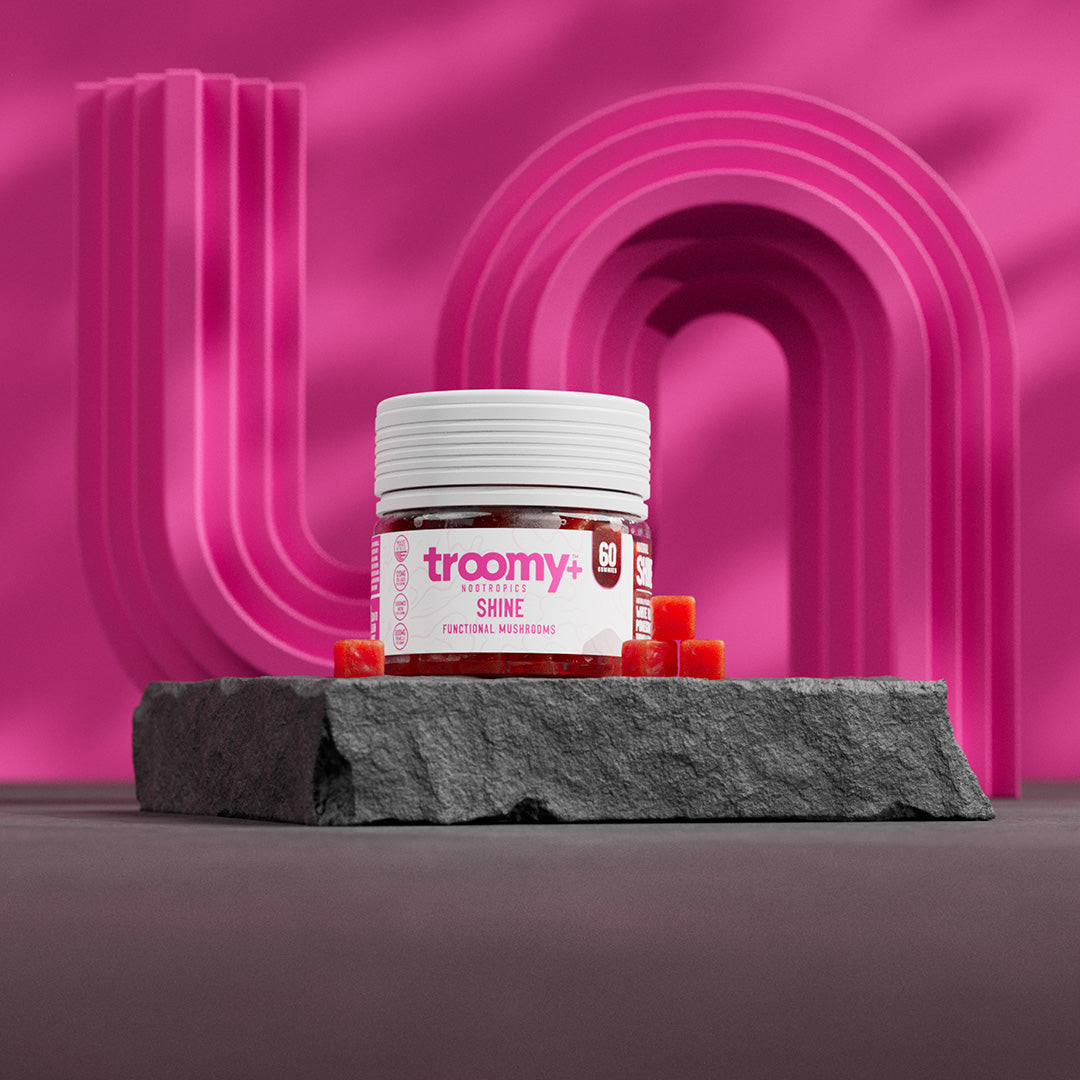
Unlike Lion's Mane, Reishi, or Cordyceps, which built their modern reputations on brain and energy support, tremella has carved out a different lane entirely: it is Troomy's beauty mushroom, and increasingly, the beauty industry's mushroom of choice. Tremella is the star ingredient behind Troomy's Shine Biotin Collagen Tremella Gummies, a formula built on the idea that biotin, collagen, and tremella work better as a beauty-from-within trio than any single ingredient alone, and once you understand the science behind it, it is easy to see why.
Tremella is not a new discovery dressed up in modern marketing. It has a documented history stretching back more than a thousand years, and a growing body of peer-reviewed research that explains, mechanistically, why it earned its reputation in the first place.
A Thousand-Year History as the Beauty Mushroom
Long before dermatologists were studying polysaccharides under a microscope, tremella was already prized in Traditional Chinese Medicine as a beauty and longevity ingredient. Historical accounts describe its use during the Tang Dynasty, roughly 618 to 907 AD, where it was consumed by court women seeking to preserve smooth, hydrated skin and a youthful appearance. Yang Guifei, one of the Four Beauties of ancient China and one of the most celebrated women in Chinese history, is historically associated with tremella as part of her beauty routine.
That kind of staying power is worth paying attention to. Plenty of ingredients trend for a season and disappear. Tremella has been part of East Asian beauty and culinary traditions for over a millennium, which is one reason modern researchers became curious about what, exactly, is happening at the molecular level to justify that reputation.
What Are the Benefits of Tremella Mushroom?
The benefits attributed to tremella mushroom center almost entirely on one structural feature: its polysaccharides, the long chains of sugar molecules that make up the bulk of the mushroom's gel-like texture. These polysaccharides are the reason tremella holds water so effectively, and water retention is the foundation for nearly everything else tremella is known for.
A 2023 review published in Archives of Dermatological Research by Mineroff and Jagdeo examined the cutaneous, or skin-related, benefits of Tremella fuciformis in detail. The review documented antioxidant activity, photoprotective effects against UV-induced damage, moisturizing effects comparable to reference hydrating compounds, and inhibition of the enzymatic pathways that break down collagen and elastin in skin (PMID: 36757441; doi:10.1007/s00403-023-02550-4). This single review is one of the most important pieces of evidence in the entire tremella conversation, because it pulls together multiple mechanisms into one picture: hydration, antioxidant defense, and structural skin support, all from one ingredient.
A broader 2024 review in Nutrients examined macrofungal extracts, mushrooms used for medicinal or functional purposes, across 52 separate publications focused on anti-aging applications. The review confirmed that Tremella fuciformis contains compounds with antioxidant, photoprotective, moisturizing, anti-inflammatory, and collagen- and elastin-stabilizing properties (PMID: 39203946; doi:10.3390/nu16162810). When a 52-publication review lands on the same conclusions as a more targeted dermatology review, that consistency matters. It suggests the effects are not a fluke of one study design but a pattern researchers keep finding.
Research published in the International Journal of Immunopathology and Pharmacology adds another layer. Studies in this journal found that tremella polysaccharides improved both moisture content and collagen levels in skin exposed to UV radiation, and that oral intake of tremella polysaccharides stimulated regeneration of the body's own collagen while maintaining a healthy ratio between type I and type III collagen, the two main collagen types found in skin. That distinction matters because it points to tremella supporting the skin's own collagen production process internally, not just adding a topical barrier on top of the skin.
Put together, the benefit profile for tremella mushroom looks like this:
-
Hydration support, through polysaccharides that hold an exceptional amount of water
-
Antioxidant activity, helping the skin manage everyday oxidative stress
-
Photoprotective support against UV-related skin stress
-
Collagen and elastin support, including inhibition of the enzymes that break these structural proteins down
-
A long history of traditional use for skin nourishment and overall wellness
It is worth being direct about where the science currently stands. Much of the strongest tremella research, including foundational fibroblast studies, has been conducted in vitro or in animal models rather than large-scale human clinical trials. The 2023 Archives of Dermatological Research review is the strongest current human-applicable evidence summary available, and it explicitly frames tremella's cutaneous benefits as promising and mechanistically well-supported rather than definitively proven in large human trials. Troomy would rather tell you that clearly than overstate what the research shows.
Is Tremella the Same as Snow Mushroom?
Yes. Tremella fuciformis, snow mushroom, silver ear mushroom, white jelly mushroom, and snow fungus are all names for the same species. The variation comes from translation and regional naming conventions rather than any difference in the mushroom itself. You may see one name used more often in a Western wellness context, like tremella, and another more often in a culinary or East Asian beauty context, like snow mushroom or silver ear, but functionally and biologically, they are identical.
How Does Tremella Help Skin?
The Polysaccharide Science Behind Hydration
The headline statistic that gets repeated across the beauty supplement space is that tremella polysaccharides can hold up to 500 times their weight in water. That number comes from the structural properties of the polysaccharide chains themselves, which form a gel-like network capable of binding and retaining an unusually large volume of water molecules. This is the same general principle that makes hyaluronic acid such a popular hydrating ingredient, just achieved through a different molecular structure.
What makes tremella especially interesting in this conversation is molecular size. Tremella polysaccharides tend to have a smaller molecular size than many forms of hyaluronic acid, which in theory allows for deeper penetration into the upper layers of skin when applied topically. Smaller molecules can move through the skin's surface layers more readily than larger ones, which is part of why some researchers and beauty editors have started calling tremella a complement to hyaluronic acid rather than simply a substitute for it.
Collagen Stimulation Through Fibroblast Activity
Collagen is produced in the skin by cells called fibroblasts. As we age, fibroblast activity naturally slows, and the enzymes that break down existing collagen and elastin, called matrix metalloproteinases, become relatively more active. The result is the gradual loss of skin firmness and elasticity associated with aging.
Tremella's research base shows two complementary effects here: it appears to support fibroblast activity, encouraging the skin's own collagen production machinery, while also showing inhibitory effects on the enzymes responsible for collagen and elastin breakdown. That two-sided support, more production and less breakdown, is part of why tremella is described in the research literature as a structural skin support ingredient rather than just a surface-level moisturizer.
Photoprotection and Antioxidant Defense
UV exposure generates free radicals in skin, unstable molecules that damage cells and accelerate visible aging. Tremella's antioxidant compounds appear to help the skin manage this kind of oxidative stress, and the polysaccharide-driven photoprotective effects documented in the 2023 and 2024 reviews suggest tremella may help reduce some of the cellular stress associated with sun exposure. This does not replace sunscreen or sun-safe practices. It simply means tremella's internal antioxidant support works alongside good sun habits rather than instead of them.
Oral Supplementation vs Topical Application
Tremella shows up in two very different product categories: topical skincare, where extracts are applied directly to the skin, and oral supplements, like gummies and capsules, where tremella is consumed and absorbed systemically. Both approaches have research support, but they work differently.
Topical application puts tremella's polysaccharides in direct contact with the outer layers of skin, where hydration and barrier effects can be felt relatively quickly. Oral supplementation works on a different timeline. When you take tremella as a daily gummy, the compounds are absorbed through digestion and act systemically, supporting the body's collagen production processes, antioxidant status, and skin health from the inside. This is generally a slower-acting but more comprehensive approach, since it supports skin health alongside whatever else tremella's compounds interact with in the body.
Troomy's approach leans into the oral supplementation lane, combining triple-extracted tremella with biotin and collagen in the Shine Biotin Collagen Tremella Gummies. The formulation is designed to support skin hydration, hair strength, and nail health as a daily routine rather than a one-time topical fix, made in the USA with vegetarian ingredients and natural fruit flavors that make a daily beauty habit easy to stick with.
Tremella vs Hyaluronic Acid: A Quick Comparison
Because this comparison comes up so often, it deserves a clear, honest answer here at the pillar level before diving into specifics elsewhere. Hyaluronic acid is a well-studied, clinically validated hydrating compound with decades of topical research behind it. Tremella is a newer entrant to Western beauty science with a smaller but rapidly growing research base, and it brings benefits beyond pure hydration, including antioxidant and collagen-support properties that hyaluronic acid alone does not deliver.
The honest scientific position is not that one beats the other. It is that they work well together, with hyaluronic acid offering proven topical hydration and tremella adding antioxidant defense, collagen support, and a systemic, oral-supplement pathway that HA alone cannot provide.
Is Tremella Mushroom Safe to Take Daily?
Tremella has a long history of culinary and medicinal use, and the existing research has not identified significant safety concerns associated with typical supplemental intake. As with any supplement, individual responses vary, and anyone who is pregnant, nursing, managing a medical condition, or taking medication should talk with a healthcare provider before adding a new supplement to their routine. Most people tolerate tremella well as part of a daily wellness routine, which is part of why it works so naturally in a gummy format taken alongside other daily habits.
How Long Does Tremella Take to Work for Skin?
Skin renewal and collagen turnover are gradual biological processes, not overnight events. Based on the collagen turnover timelines referenced in tremella and broader skin-supplement research, most people taking a daily tremella supplement should expect to notice meaningful changes in skin hydration and texture over four to eight weeks of consistent use, rather than days. This mirrors the timeline associated with most internal beauty supplements, since the body needs time to build new collagen and reflect that change visibly in the skin.
Consistency is the variable that matters most. A tremella gummy taken occasionally will not produce the same results as one taken daily at the right dose, simply because the underlying biological processes, fibroblast activity and collagen synthesis, respond to sustained input rather than a single dose.
Why Troomy Chose Tremella for the Shine Gummies
Troomy built the Shine Biotin Collagen Tremella Gummies around tremella because it is one of the few functional mushrooms with a research base specifically pointed at skin, hair, and nail health rather than general wellness. Pairing tremella with biotin, which supports keratin production for hair and nail strength, and collagen, which supports skin structure directly, creates a formula that addresses beauty from multiple angles at once instead of relying on a single ingredient to do everything.
Every Troomy gummy, including Shine, is triple-extracted for potency, made in the USA, 100 percent vegetarian, and available in natural fruit flavors that make a daily beauty supplement feel like a treat rather than a chore. If you are exploring the full lineup of functional mushroom benefits beyond beauty, from cognitive support to energy to calm, the Daily 14 Mushroom Blend brings tremella together with thirteen other functional mushroom species known for skin benefits in one comprehensive daily formula. You can browse the full lineup in Troomy's Beauty Collection to see how Shine fits alongside the rest of the line.
Frequently Asked Questions
What is tremella mushroom?
Tremella mushroom, scientifically known as Tremella fuciformis, is a translucent, jelly-like fungus also called snow mushroom, silver ear mushroom, or white jelly mushroom. It grows on decaying hardwood across parts of Asia and has been used in Traditional Chinese Medicine for over a thousand years, primarily for skin nourishment and overall wellness.
What are the benefits of tremella mushroom?
Tremella is best known for its skin hydration properties, driven by polysaccharides that can hold a significant amount of water. Research also points to antioxidant activity, photoprotective effects against UV damage, and support for collagen and elastin, the proteins responsible for skin firmness and elasticity.
Is tremella the same as snow mushroom?
Yes. Snow mushroom, silver ear mushroom, white jelly mushroom, and tremella all refer to the same species, Tremella fuciformis. The different names come from translation and regional naming traditions rather than any difference in the mushroom itself.
How does tremella help skin?
Tremella's polysaccharides bind and retain water in the skin, supporting hydration. Research also suggests tremella helps protect skin from UV-related oxidative stress and supports the skin's own collagen production processes, while inhibiting some of the enzymes responsible for collagen and elastin breakdown.
Is tremella mushroom safe to take daily?
Tremella has a long history of culinary and supplemental use without significant safety concerns reported in the existing research. As with any supplement, those who are pregnant, nursing, managing a medical condition, or taking medication should consult a healthcare provider before starting daily use.
How long does tremella take to work for skin?
Most people taking a daily tremella supplement can expect to notice changes in skin hydration and texture over roughly four to eight weeks of consistent use, in line with the natural timeline of skin renewal and collagen turnover.
These statements have not been evaluated by the Food and Drug Administration. This product is not intended to diagnose, treat, cure, or prevent any disease.


