



If you have ever flipped a mushroom over in your hand and wondered whether it counts toward your protein for the day, you are asking a smarter question than you think. Mushrooms get filed away as a low-calorie vegetable, something you toss in a stir-fry for flavor and texture. But they are not a vegetable at all. They are fungi, with a nutrition profile that does not behave like the produce around them. And when it comes to protein, the real story is more interesting than the number on a nutrition label first suggests.
Here is the short version, and then we will unpack why it is only half the truth. Fresh mushrooms contain roughly 2 to 3 grams of protein per 100 grams. That sounds modest. But mushrooms are about 90 percent water, and once you account for that, the protein content tells a very different and far more impressive story. Below, we break down exactly how much protein different mushrooms deliver, why the per-100-gram figure undersells them, and where functional mushrooms fit into the picture (spoiler: not as a protein source, and we will be honest about why).
How Much Protein Is in Mushrooms?
Let us start with the raw numbers, because this is what most people came here for. According to USDA FoodData Central, a 100-gram serving of raw white button mushrooms, the kind in nearly every grocery store, contains about 3.1 grams of protein. That is roughly one cup of sliced mushrooms. Other common varieties land in the same neighborhood, with a few standouts on the higher end.
|
Mushroom (raw, per 100g) |
Protein |
Good to know |
|---|---|---|
|
White button (Agaricus bisporus) |
about 3.1g |
The everyday grocery-store mushroom |
|
Crimini (baby bella) |
about 2.5g |
A more mature white button |
|
Oyster |
about 3.3g |
One of the higher-protein fresh picks |
|
Shiitake |
about 2.2g |
Meaty flavor, dries down to a concentrate |
|
Portobello |
about 2.1g |
A big crimini, great as a meat swap |
Among the everyday varieties, oyster mushrooms tend to lead the pack at about 3.3 grams per 100 grams, while shiitake sit a little lower at around 2.2 grams. The differences are small in absolute terms, but if you are mushroom shopping with protein in mind, oyster and white button are your friends. For a deeper look at why one of these varieties earns its superfood reputation, our team broke it down in our guide to shiitake mushrooms as scientific superfoods.

Why the Per-100-Gram Number Undersells Mushrooms
Here is where the surprising part comes in. That 2-to-3-gram figure is measured on fresh mushrooms, and fresh mushrooms are mostly water. Around 90 percent of a raw mushroom's weight is moisture. So when you read 3 grams of protein per 100 grams, you are really reading 3 grams of protein spread across roughly 90 grams of water and only 10 grams of actual mushroom substance.
Remove the water, and the math flips dramatically. On a dry-weight basis, the protein content of edible mushrooms ranges from about 20 to 40 percent, according to peer-reviewed analysis. That puts dried mushrooms in genuinely respectable protein territory, closer to many beans and grains than to the lettuce-and-cucumber crowd they usually get lumped in with. It is the reason a handful of dried shiitake can pack such concentrated, savory depth: you are tasting the mushroom without the water that normally dilutes everything.
This is also why dried mushrooms are such a useful pantry staple. Once the moisture is gone, the protein, fiber, and minerals all concentrate. A 100-gram portion of dried shiitake climbs to nearly 10 grams of protein, more than triple its fresh weight. You rarely eat 100 grams of dried mushrooms in one sitting, of course, but it shows how much nutrition is hiding underneath all that water.
Are Mushrooms a Complete Protein?
Quantity is one thing. Quality is another, and this is where mushrooms quietly outperform most plants. Your body needs nine essential amino acids that it cannot make on its own, which means you have to get them from food. Most plant foods are missing or low in at least one of them, which is why vegetarians and vegans are often told to combine foods, like rice and beans, to cover the full set.
Mushrooms are one of the rare plant-kingdom exceptions. Research shows that common cultivated species, including white button and shiitake, contain all nine essential amino acids. That makes them a complete protein source, a label usually reserved for meat, eggs, and dairy. The catch worth stating plainly is that mushrooms contain those amino acids in relatively small amounts, so they are best thought of as a high-quality contributor to your protein intake rather than your sole source. If you are building meals around plants, mushrooms earn their place. We dig into how they fit a meatless plate in our guide to adding mushrooms to your plant-based diet.

Does Cooking Change the Protein in Mushrooms?
Cooking does shift the numbers, mostly because heat drives off even more water and shrinks the mushroom down. A cup of cooked white mushrooms can actually show a slightly higher protein concentration per gram than raw, simply because what is left is denser. Sauteing, roasting, and grilling all intensify both flavor and nutrient density for the same reason drying does: less water, more mushroom per bite.
The practical takeaway is that there is no real downside to cooking mushrooms when it comes to protein. You will not cook the protein away. If anything, a hot pan and a little patience turn a watery raw mushroom into a concentrated, umami-rich ingredient that happens to carry a complete amino acid profile along for the ride.
Can Mushrooms Replace Meat as a Protein Source?
This is the question hiding behind a lot of mushroom-protein searches, and the honest answer is: not gram for gram, but they punch above their weight as a partner. A 100-gram chicken breast delivers around 31 grams of protein, roughly ten times what a fresh mushroom offers. No one is meeting their daily protein target on white buttons alone.
What mushrooms do beautifully is replace the texture, savoriness, and satisfaction of meat while adding fiber, B vitamins, selenium, potassium, and that complete amino acid profile. A portobello cap stands in for a burger. Chopped crimini bulk up a Bolognese so you use less ground beef. Shiitake bring depth to a broth that would otherwise need bones. So mushrooms are less a protein replacement and more a protein multiplier: they let the protein you do eat go further, taste better, and come with a nutritional bonus most vegetables cannot match.

Wait, So Do Functional Mushroom Gummies Have Protein?
This is the moment to be straight with you, because it is exactly the kind of thing a wellness-obsessed friend would tell you before you spend money. If you are here because you want a convenient protein hit from a mushroom supplement, functional mushroom gummies are not that. A gummy is not a meaningful protein source, and any brand implying otherwise is selling you a story.
Functional mushrooms, the lion's mane, cordyceps, and reishi you see in supplements, are not about protein at all. They are prized for their active compounds, especially beta-glucans, that support specific everyday goals like focus, energy, and winding down. That is a completely different reason to reach for mushrooms than protein, and it is worth understanding the difference. We lay it out in plain language in our breakdown of medicinal mushrooms versus culinary mushrooms, and in our complete guide to adaptogenic and functional mushrooms.
What Functional Mushrooms Actually Bring to the Table
So if not protein, then what? This is Troomy's whole world, and it is where culinary mushrooms hand off to functional ones. Different mushrooms are known for different kinds of everyday support, and the right one depends on the moment you are trying to fix.
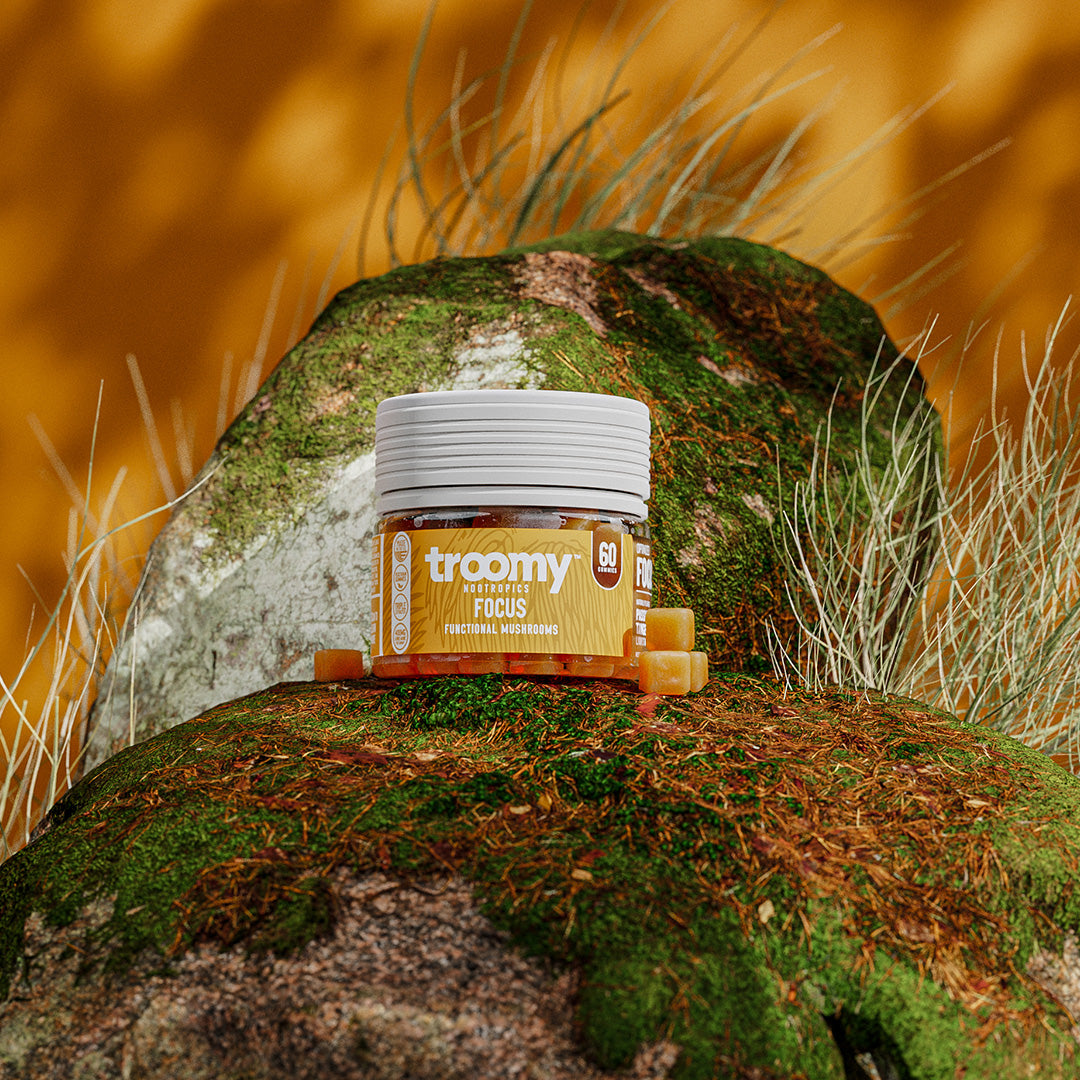
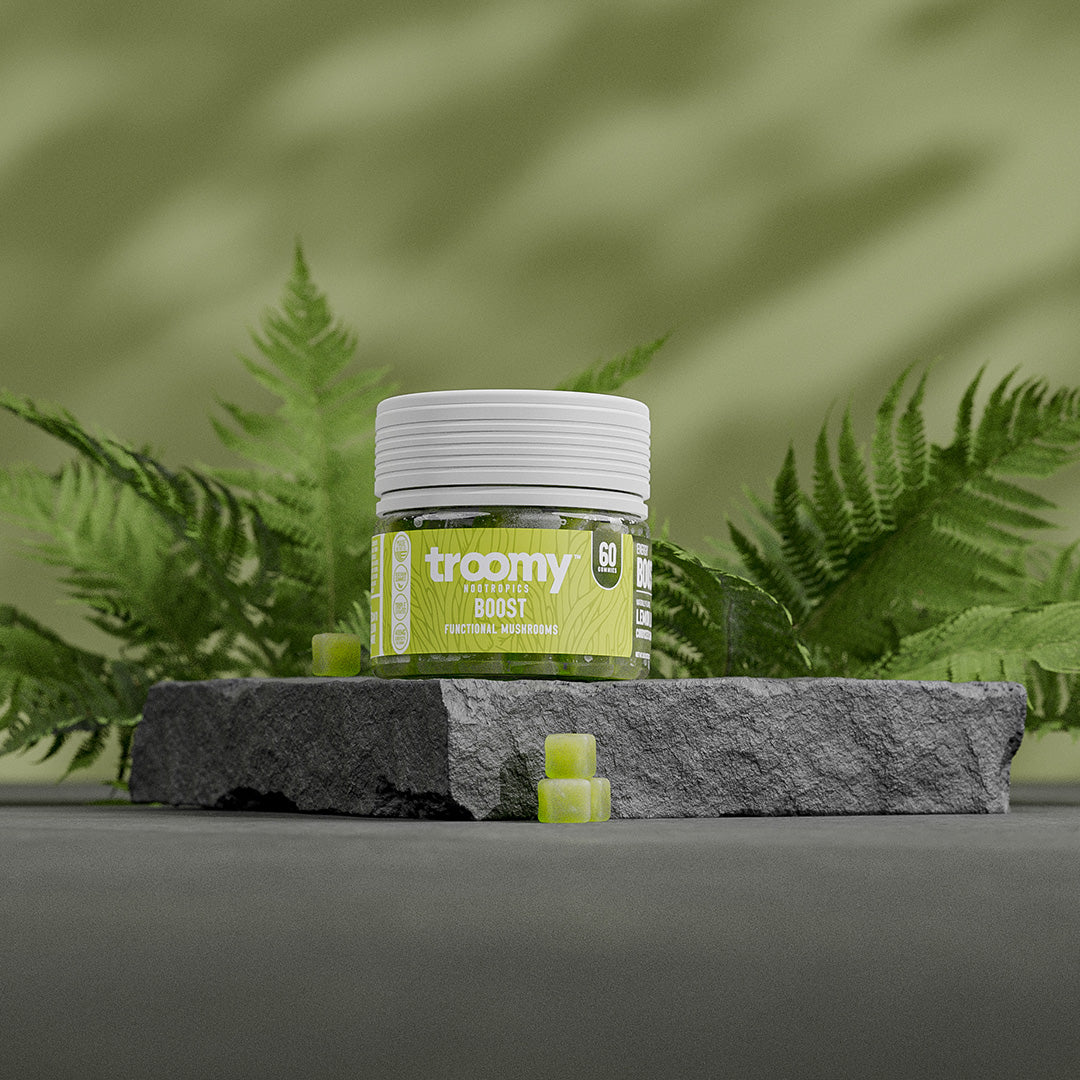
When the problem is a foggy head and a to-do list you keep avoiding, lion's mane is the mushroom that has built its reputation around mental clarity. It is the star of our Focus lion's mane gummies, made to support steady concentration without the jitters, and we explain how to put it to work in our guide to getting in the zone with lion's mane. When the problem is the 3pm crash and a coffee habit that leaves you wired then drained, cordyceps is the classic energy mushroom. It powers our Boost cordyceps energy gummies, a caffeine-free way to find a lift that does not end in a crash, and you can read more in our piece on using cordyceps to power through the day.
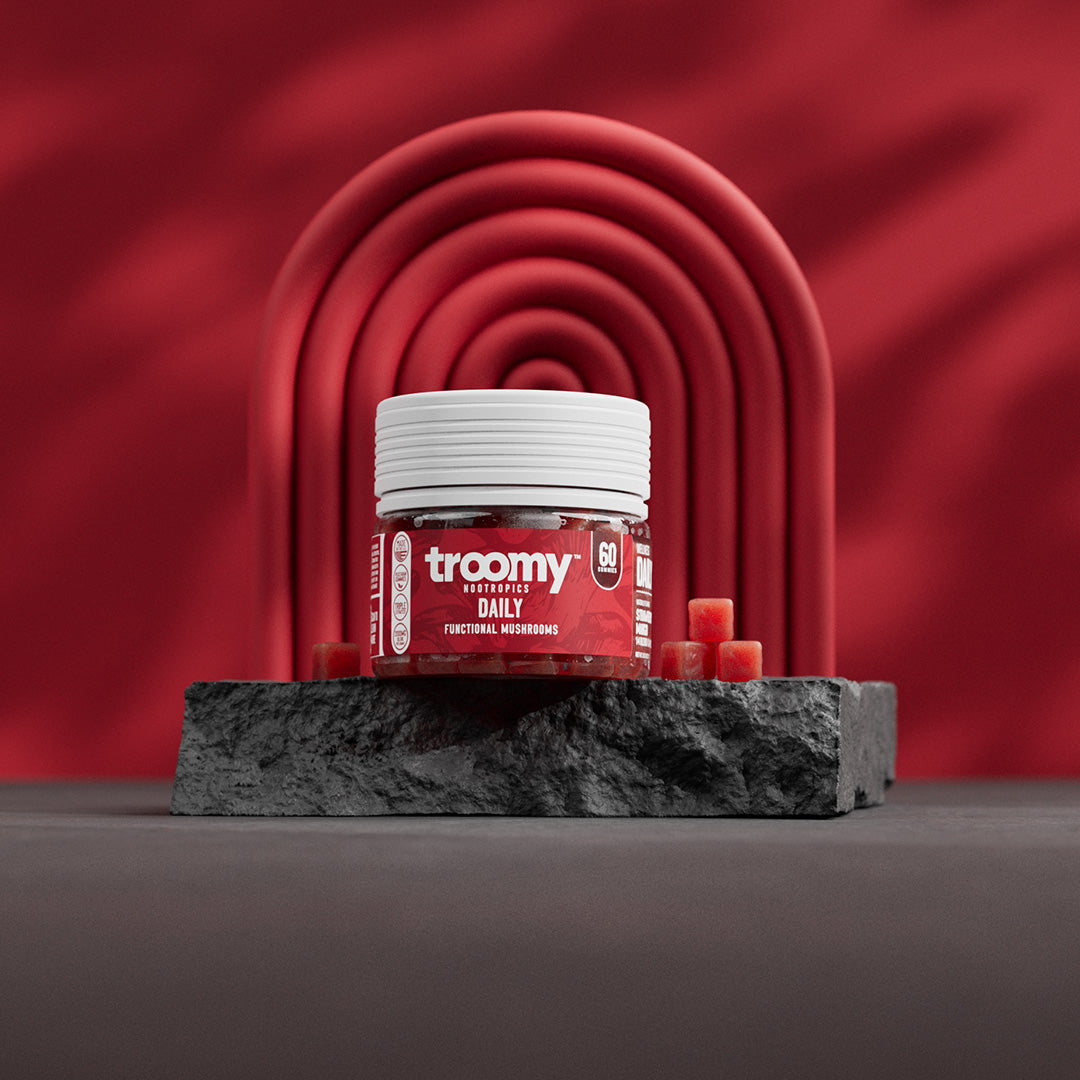
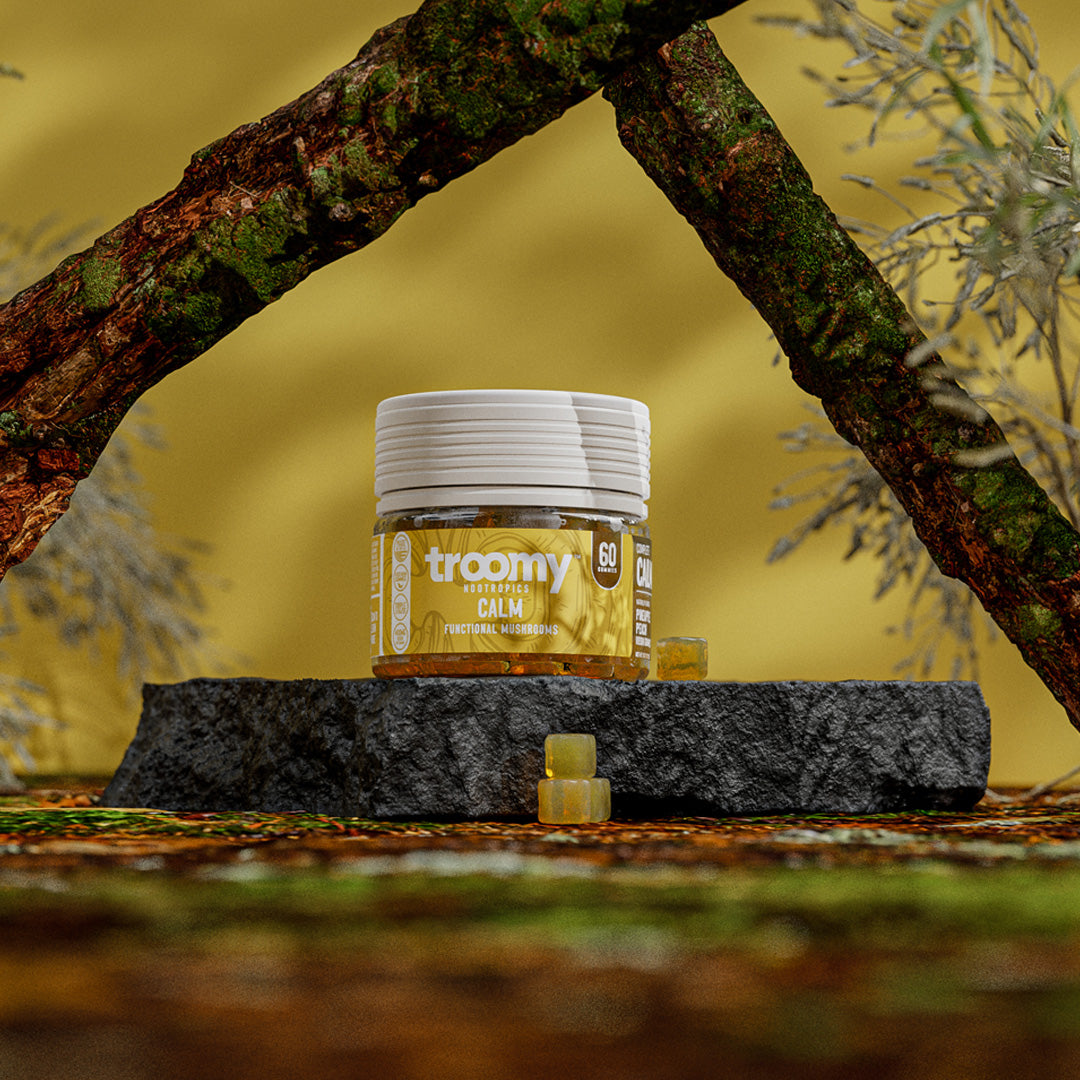
When the problem is an overthinking brain that will not switch off after work, reishi is the mushroom known for helping take the edge off, which is exactly the job of our Calm reishi gummies. And if you would rather cover your bases with one simple daily habit, our Daily 14-mushroom blend gummies fold a wide spectrum of functional mushrooms into a single grab-and-go gummy. You can browse the full lineup by goal in our brain health collection and natural energy collection.
The reason these work the way they do comes down to how the mushrooms are processed. Troomy gummies are triple-extracted, which pulls out the full spectrum of beneficial compounds that single or double extraction leaves behind. They are made in the USA, vegetarian, and come in natural flavors people actually look forward to, so the routine is one you can stick with. If you want to understand why extraction matters so much, our explainer on what triple extraction is and why most brands skip it is the place to start. And yes, for the plant-based crowd, our gummies are vegan-friendly.

The Bottom Line on Protein in Mushrooms
Mushrooms are not a protein powerhouse on a fresh-weight basis, and anyone telling you otherwise is glossing over the water content. But the surprising truth holds up: gram for gram of actual mushroom, they deliver a high-quality, complete protein that most plant foods cannot match, ranging up to 40 percent of dry weight, with all nine essential amino acids in the mix. Add in the fiber, minerals, and B vitamins, and a humble mushroom earns far more respect than its calorie count suggests.
Just keep the two jobs separate. For protein and everyday nutrition, eat your mushrooms: oyster and white button for the most protein, dried shiitake for concentrated depth, portobello when you want a meaty swap. For focus, energy, and calm, reach for functional mushrooms in a form you will actually take every day. They are two different kinds of mushroom magic, and now you know exactly which is which.
Frequently Asked Questions
How much protein is in mushrooms?
Fresh mushrooms contain roughly 2 to 3 grams of protein per 100 grams. Raw white button mushrooms have about 3.1 grams, oyster mushrooms about 3.3 grams, and shiitake about 2.2 grams, according to USDA data. Because mushrooms are about 90 percent water, their protein content is far higher on a dry-weight basis, ranging from about 20 to 40 percent.
Are mushrooms a good source of protein?
Mushrooms are a high-quality protein contributor rather than a primary protein source. Per fresh serving the amount is modest, but the protein they do contain is complete and accompanied by fiber, B vitamins, and minerals. They work best as part of a varied diet, especially a plant-based one, rather than as your only source of protein.
Do mushrooms contain all nine essential amino acids?
Yes. Common cultivated mushrooms such as white button and shiitake have been shown to contain all nine essential amino acids, which makes them a complete protein. This is rare among plant foods, most of which are missing or low in at least one essential amino acid. The amino acids are present in relatively small amounts, so mushrooms complement other protein sources well.
Which mushroom has the most protein?
Among common fresh varieties, oyster mushrooms tend to have the most protein at about 3.3 grams per 100 grams, with white button mushrooms close behind at about 3.1 grams. Dried mushrooms have much higher concentrations because the water has been removed, with dried shiitake reaching nearly 10 grams per 100 grams.
Do Troomy mushroom gummies have protein?
No. Functional mushroom gummies are not a protein source, and they are not designed to be. Troomy gummies use functional mushrooms like lion's mane, cordyceps, and reishi for their active compounds, which support everyday goals such as focus, energy, and relaxation. For protein, eat culinary mushrooms in your meals.
Can mushrooms replace meat for protein?
Not gram for gram. A chicken breast has roughly ten times the protein of a fresh mushroom. Mushrooms shine as a meat extender or substitute for texture and flavor, letting you use less meat while adding a complete amino acid profile, fiber, and minerals. They make the protein you eat go further rather than replacing it outright.


