



If you have ever felt like your stress, sleep, and hormones are all connected in ways that are difficult to untangle, you are not imagining it. For many women, those three things rise and fall together. Cortisol climbs, sleep suffers, mood becomes unpredictable, and the cycle repeats. Reishi mushroom has been used for centuries in traditional wellness practices, and modern research is beginning to explain why it may be especially relevant for women navigating these interconnected challenges.
This article covers what reishi is, how it works as an adaptogen, and why its benefits around cortisol regulation, hormonal balance, and sleep quality make it one of the most talked-about functional mushrooms for women's wellness. For a full overview of everything reishi does, start with Troomy's complete guide to reishi mushroom benefits, uses, and how to take it.
Why Women Are Paying Attention to Reishi
Women drive more than 70 percent of supplement purchases, and for good reason. The hormonal landscape of a woman's life is dynamic in ways that few supplements were historically designed to address. From PMS and cycle-related mood shifts to the sleep disruptions and stress load of perimenopause and beyond, women are often dealing with layered wellness challenges at the same time.
Adaptogens have gained significant attention as a natural way to support the body's stress response without the crash of stimulants or the dependency risks of sedatives. Among functional mushrooms, reishi stands out as one of the most broadly studied for stress, sleep, and immune support. It does not work the same way for every person, and it is not a substitute for medical care, but for women looking for a daily supplement that addresses multiple concerns at once, reishi is a meaningful place to start.
What Is Reishi and What Makes It an Adaptogen?
Reishi (Ganoderma lucidum) is a woody, reddish-brown mushroom that grows on hardwood trees throughout Asia and parts of North America. It has been a cornerstone of traditional Chinese medicine for over 2,000 years, where it was historically reserved for royalty and called the "mushroom of immortality." That nickname might sound dramatic, but the reasoning was grounded in observation: people who consumed reishi regularly seemed to tolerate stress better, sleep more soundly, and maintain their vitality longer.
What makes reishi an adaptogen is its ability to help the body adapt to physical and emotional stress without pushing it in one particular direction. Adaptogens work by modulating the hypothalamic-pituitary-adrenal (HPA) axis, the system that governs your body's stress hormone output, primarily cortisol. Rather than suppressing or stimulating a single response, adaptogens like reishi help restore balance depending on what the body needs.
The active compounds in reishi that researchers believe drive these effects include beta-glucans (polysaccharides that support immune function and cell signaling) and triterpenes (bitter-tasting compounds that appear to have anti-inflammatory and cortisol-modulating properties). Together, these compounds create a broad-spectrum effect that is more nuanced than most single-compound supplements.
Can Reishi Support Hormonal Balance in Women?
Hormonal balance is not a simple dial you can turn up or down. It is a complex interplay between sex hormones like estrogen and progesterone, stress hormones like cortisol, and the signaling systems that regulate them all. When cortisol is chronically elevated, it can interfere with the production and regulation of reproductive hormones, contributing to cycle irregularities, mood changes, and fatigue.
Reishi's potential relevance to hormonal balance comes primarily through its effect on the stress response. By helping to regulate cortisol through HPA axis modulation, reishi may help create conditions where reproductive hormones can function more normally. Some early animal research has also examined reishi's interaction with androgen receptor activity, though human clinical data specifically on hormonal regulation in women is still limited. What the existing research does support more clearly is reishi's role in reducing perceived stress, improving sleep quality, and lowering fatigue, all of which have downstream effects on hormonal health.
For women experiencing PMS, cycle-related mood shifts, or the hormonal fluctuations of perimenopause and menopause, this indirect support pathway is meaningful even if reishi is not a direct hormone modulator. Supporting your body's stress response is one of the most practical levers available without a prescription.
Reishi for Stress: How the Adaptogenic Mechanism Works
Stress is not just a feeling. It is a physiological state that triggers a cascade of hormonal responses, most notably the release of cortisol from the adrenal glands. In the short term, cortisol is useful. It sharpens your focus, mobilizes energy, and helps you respond to demands. The problem is that modern life keeps that stress response activated far longer than it was designed to run.
Chronic stress depletes the adrenal system, disrupts sleep architecture, suppresses immune function, and contributes to the kind of low-grade inflammation that underlies many common health complaints. For women, this is often compounded by hormonal fluctuations that themselves affect stress sensitivity.
Reishi appears to help by modulating the HPA axis, effectively helping the body regulate its own cortisol output rather than sustaining the overactivation that chronic stress creates. Animal studies have shown reishi extract reducing corticosterone levels under stress conditions, and preliminary human research has pointed to improvements in fatigue, anxiety, and quality of life in people using reishi consistently.
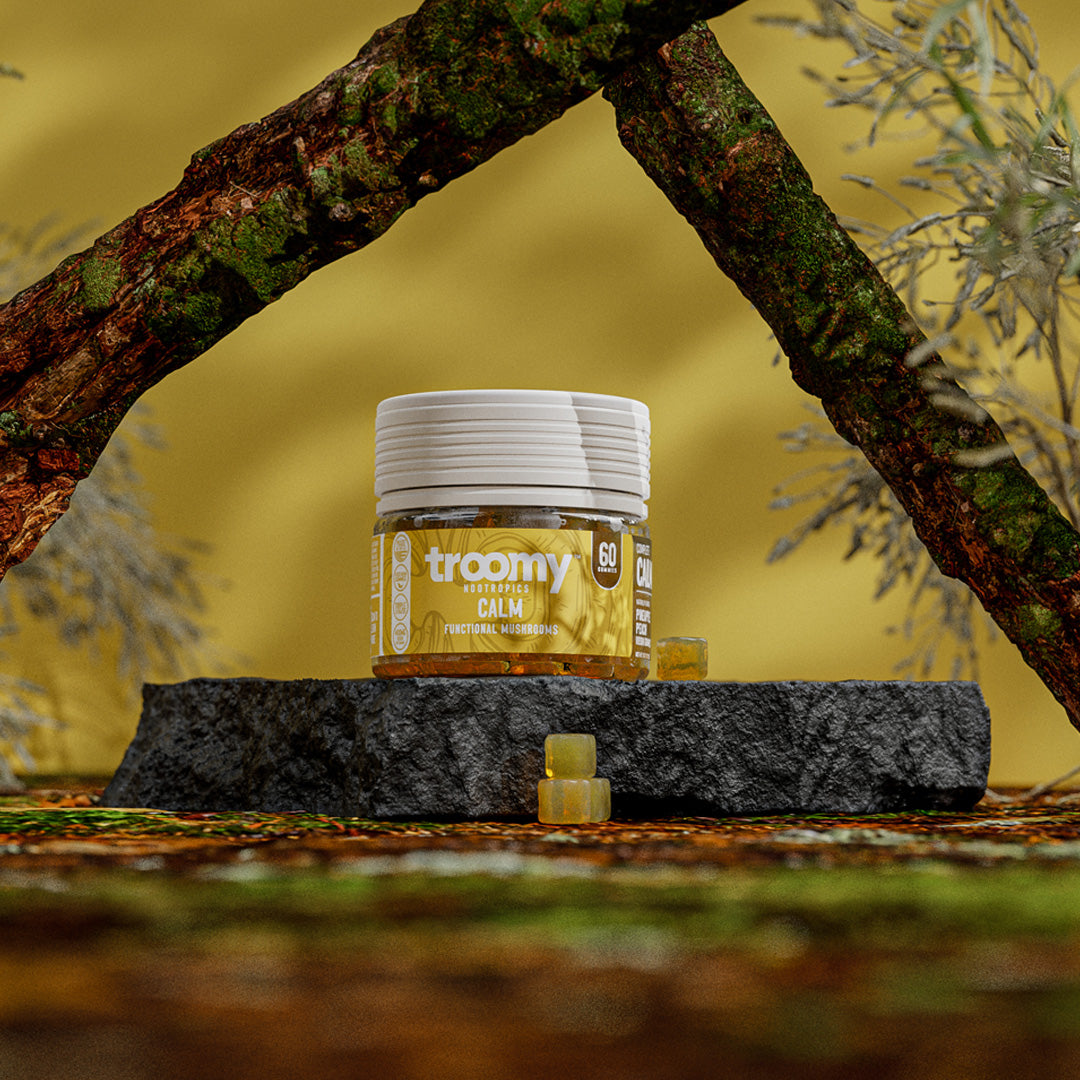
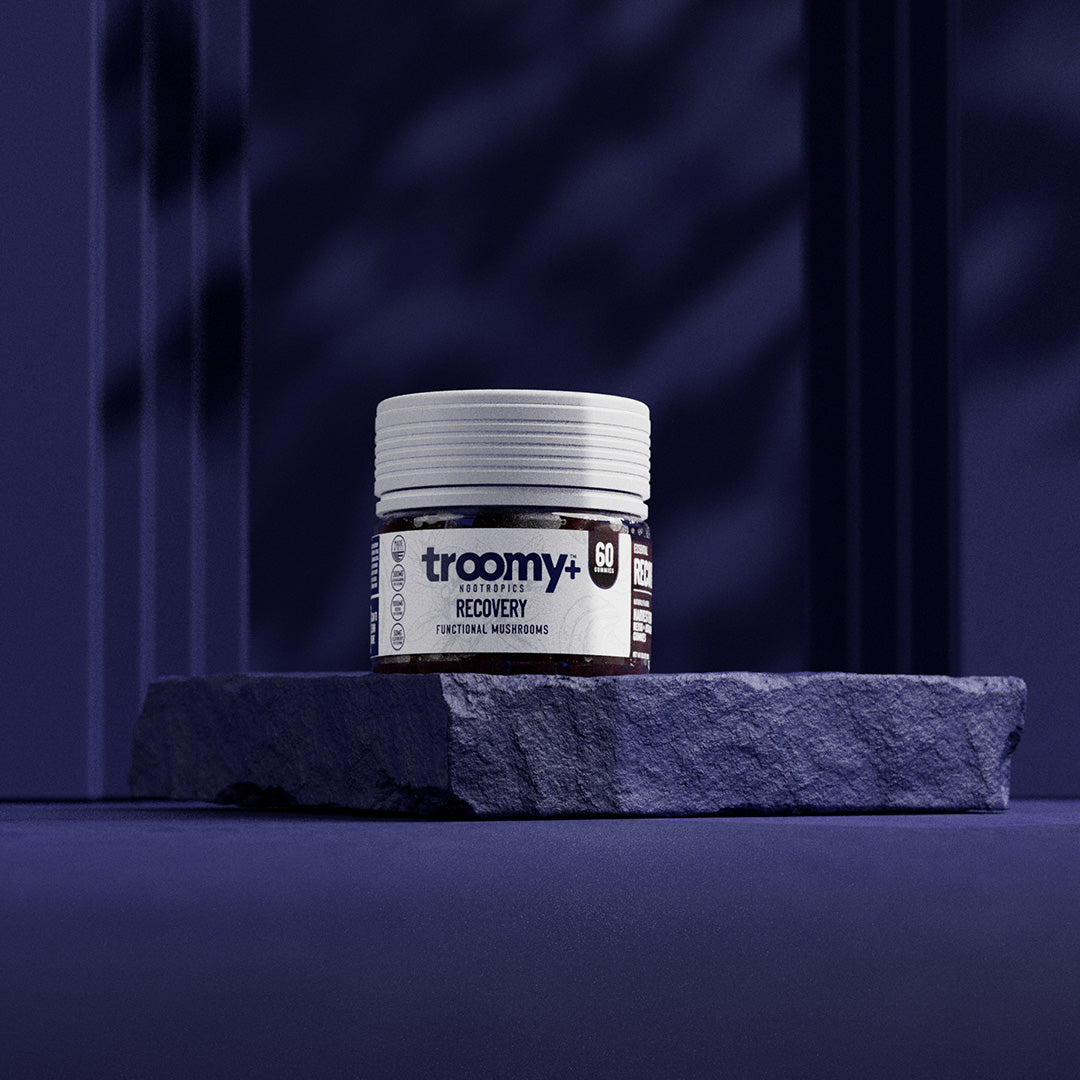
Troomy's Calm Reishi Gummies are designed specifically for this use case, using a triple-extracted reishi formula in a gummy format that makes it easy to build the consistent daily habit that adaptogenic support requires. For women who want to add ashwagandha alongside reishi for deeper adaptogenic coverage, Troomy's Recovery Ashwagandha Reishi Gummies combine two of the most well-studied adaptogens in one convenient product. To go deeper on the research behind reishi and the stress response, read Troomy's full breakdown of reishi for stress and anxiety.
How Does Reishi Support Sleep for Women?
Sleep is one of the most common concerns Troomy hears from women, and it is also where reishi has some of the most compelling research behind it. Unlike melatonin, which works by directly triggering the sleep-wake cycle, reishi influences sleep through a different pathway: reducing the physiological arousal that prevents sleep from coming in the first place.
Research published in peer-reviewed journals has found that reishi polysaccharides can increase non-REM sleep time and reduce the latency to sleep onset in animal models. The proposed mechanism involves reishi's effect on the gut microbiome and the resulting influence on neurotransmitter precursors, as well as its broader anti-inflammatory and stress-reducing properties.
For women, sleep disruption is often tied directly to hormonal fluctuations. During the luteal phase of the menstrual cycle, progesterone levels rise and then fall sharply, which can affect sleep quality and temperature regulation. During perimenopause and menopause, declining estrogen affects serotonin and melatonin production, while hot flashes and night sweats create direct physical interruptions to sleep. These are hormonal problems, but they are also stress problems. When cortisol is better regulated during the day, the evening transition into restful sleep tends to be smoother.
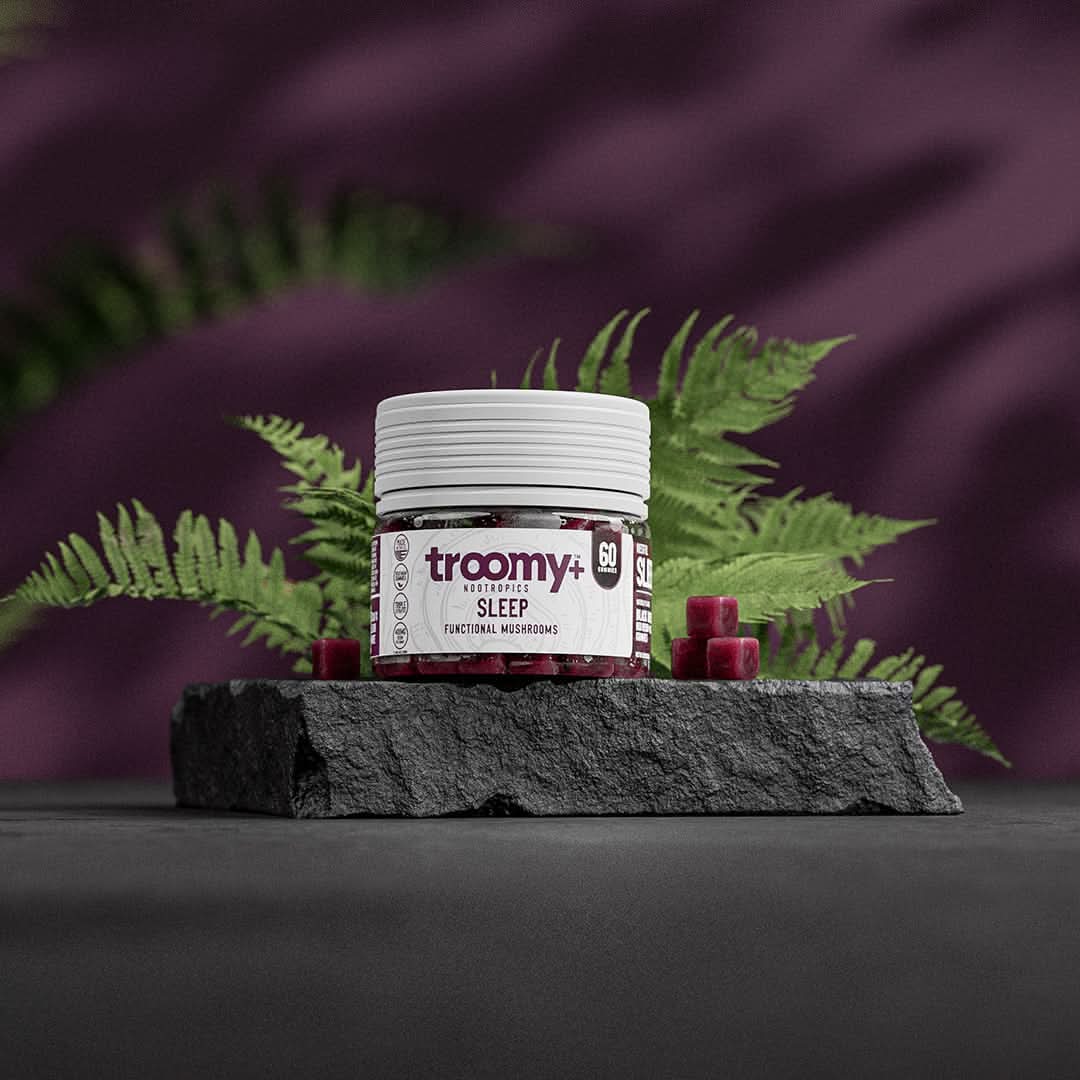
Troomy's Sleep Reishi Gummies are formulated for women and men who want to support sleep without relying on sedatives or melatonin. They work best when taken consistently, giving the adaptogenic compounds in reishi time to build up and regulate the stress response over days and weeks, not just hours. For a deeper look at how reishi compares to melatonin and how to use both effectively, see Troomy's guide to reishi for sleep.
Reishi During Perimenopause and Menopause
Perimenopause, the transition period that can begin years before menopause, is often when women first notice how interconnected stress, sleep, mood, and hormones really are. Estrogen fluctuations during this period affect virtually every system in the body, including the brain's stress response centers.
Hot flashes, night sweats, mood swings, brain fog, and fatigue are among the most commonly reported symptoms of perimenopause, and cortisol dysregulation is involved in many of them. When the adrenal system is already managing estrogen's decline (since the adrenals take on some estrogen production after the ovaries slow down), adding chronic stress on top of that creates a significant burden.
Reishi's adaptogenic properties may be particularly relevant here because they address the HPA axis directly. By supporting more balanced cortisol output, reishi may help reduce the severity of stress-amplified symptoms without interfering with hormonal medications or other treatments a woman might be using. It is worth emphasizing that reishi is not a hormone replacement and should not be treated as a substitute for medical care during perimenopause. But as a complementary daily support tool, its multi-lane benefits (stress, sleep, immunity, and anti-inflammatory activity) make it a sensible addition to a perimenopausal wellness routine.
Women navigating this life stage are also often dealing with elevated cortisol from the sleep deprivation that night sweats and disrupted sleep create, which then feeds back into worsened symptoms. Addressing that loop from the cortisol side, through adaptogenic support, is one of the few interventions that targets the root cause of the cascade rather than just the symptoms.
Reishi for PMS: What the Evidence Suggests
Premenstrual syndrome (PMS) encompasses a wide range of physical and emotional symptoms in the days leading up to menstruation. Mood changes, irritability, bloating, fatigue, and sleep disruption are among the most commonly reported. While PMS has a hormonal root, stress is consistently cited as an amplifying factor. Higher cortisol in the luteal phase is associated with more severe PMS symptoms in multiple studies.
Because reishi supports cortisol regulation and stress resilience, it may help reduce the severity of stress-amplified PMS symptoms, particularly mood-related ones and sleep disruption. This is not a claim that reishi treats PMS, but rather that addressing chronic cortisol dysregulation creates a physiological environment where hormone fluctuations are less likely to produce extreme responses.
Women who have incorporated daily adaptogenic support into their routines often report that the intensity of their cycle-related mood shifts decreases over time, though individual results vary and consistent use over several weeks is typically needed before effects become noticeable.
How to Add Reishi to Your Routine
Reishi is most effective when taken consistently. As an adaptogen, it works cumulatively over time rather than delivering an immediate, single-dose effect. Most practitioners and researchers suggest a consistent daily approach for at least four to six weeks before evaluating results.
Troomy's reishi products are triple-extracted, meaning the beneficial compounds including both water-soluble beta-glucans and alcohol-soluble triterpenes are captured in full. They are made in the USA, vegetarian, and available in natural flavors that make the daily habit easy to maintain.
For women whose primary concern is stress and daytime calm, Troomy's Calm Reishi Gummies are a natural starting point. For women who are most affected by sleep disruption, the Sleep Reishi Gummies taken in the evening fit naturally into a winding-down routine. For women who want broader adaptogenic support that combines reishi with ashwagandha, an herb with its own well-researched cortisol-lowering effects, the Recovery Ashwagandha Reishi Gummies offer a meaningful combination in a single product.
If you are looking to explore more of Troomy's functional mushroom lineup alongside reishi, the Mood Collection and Bedtime Collection offer curated options for women looking to address stress, sleep, and daily wellness from multiple directions.
There are no known serious interactions between reishi and common medications at standard supplement doses, but women who are pregnant, breastfeeding, or managing a diagnosed health condition should consult a healthcare provider before adding any new supplement to their routine.
What to Look for in a Reishi Supplement
Not all reishi supplements are equal. The quality of extraction, the part of the mushroom used (fruiting body versus mycelium), and the concentration of active compounds vary significantly across products. Here is what to look for when evaluating options:
Triple extraction is the gold standard. A dual water-and-alcohol extraction process is necessary to capture both the beta-glucans and the triterpenes that give reishi its adaptogenic properties. A product that uses only water extraction misses a significant portion of the active compounds.
Fruiting body versus mycelium matters. The fruiting body is the actual mushroom cap. Mycelium-based products, which use the root-like structure grown on grain substrates, often contain significant amounts of the grain filler and lower concentrations of active mushroom compounds. Look for products that specify fruiting body or full-spectrum extraction.
Transparency about sourcing and testing. Look for products made in the USA with third-party testing to verify potency and purity. Troomy publishes its sourcing and manufacturing approach, and all products are made domestically, vegetarian, and free from artificial additives.
Frequently Asked Questions
Does reishi help with hormonal balance in women?
Reishi does not directly alter estrogen or progesterone levels. Its primary relevance to hormonal balance is through cortisol regulation. By modulating the HPA axis and supporting a more balanced stress response, reishi may help reduce cortisol-driven disruptions to reproductive hormone function. This indirect pathway makes it most useful as part of a broader wellness routine rather than as a standalone hormonal treatment.
Is reishi safe to take during perimenopause?
Reishi is generally considered safe for daily use at standard supplement doses. It has a long history of use in traditional wellness practices and is well tolerated by most people. Women who are taking hormone therapy or managing other diagnosed conditions should speak with their healthcare provider before adding reishi to their routine, as individual considerations always apply.
Can reishi help with PMS symptoms?
Reishi is not a treatment for PMS, but its adaptogenic properties may help reduce the cortisol-related amplification of PMS symptoms, particularly mood changes, irritability, and sleep disruption. Because these symptoms are often worsened by chronic stress, supporting the stress response through daily adaptogenic use can be a meaningful part of cycle wellness for some women.
How long does reishi take to work?
Most people begin noticing effects from consistent reishi use within two to four weeks, though some individuals report changes in sleep quality sooner. As an adaptogen, reishi works cumulatively rather than acutely. Daily use over at least four to six weeks is recommended before drawing conclusions about its effectiveness for a given concern.
What is the best reishi product for women?
The best reishi product depends on your primary concern. For stress and daytime calm, Troomy's Calm Reishi Gummies are a strong starting point. For sleep support, the Sleep Reishi Gummies taken in the evening are well-suited. For broader adaptogenic coverage that combines reishi with ashwagandha, the Recovery Ashwagandha Reishi Gummies offer meaningful dual-adaptogen support in one product.
Can you take reishi every day?
Yes. Daily use is actually how reishi works best. As an adaptogen, its benefits build over time with consistent use. There is no standard recommendation to cycle on and off reishi the way some supplements suggest, and it is not habit-forming. Most people who use reishi for stress or sleep include it as a steady part of their daily supplement routine.
These statements have not been evaluated by the Food and Drug Administration. This product is not intended to diagnose, treat, cure, or prevent any disease.


