



When most people think about supporting their immune system, they reach for vitamin C or zinc. But for thousands of years, cultures across Asia turned to something else entirely: a deep red, shelf-shaped mushroom called Ganoderma lucidum, known today as reishi. Modern science is now catching up to what traditional medicine observed, and the research points to a complex of bioactive compounds that interact with the immune system in ways that are genuinely worth understanding.
This is not a story about vague wellness buzzwords. Reishi contains measurable, studied compounds called beta-glucans and triterpenes that researchers have spent decades examining. Understanding what these compounds do and how they work can help you make a more informed decision about whether reishi belongs in your daily routine, and how to choose a product that actually delivers them.
If you are new to reishi entirely, the complete guide to reishi mushroom benefits, uses, and how to take it is a good starting point before diving into the immunology.
What Are the Active Compounds in Reishi Mushroom?
Reishi is not a one-trick mushroom. Its immune-relevant benefits come primarily from two families of compounds: beta-glucans and triterpenes. They work through different mechanisms, and together they give reishi a compound profile unlike most other functional mushrooms on the market.
Beta-Glucans: The Polysaccharides That Prime Your Defenses
Beta-glucans are a type of polysaccharide, a long-chain carbohydrate molecule found in the cell walls of fungi, oats, and certain yeasts. In reishi, they are particularly abundant and biologically active. The reason researchers are so interested in them comes down to how your immune system responds when it encounters them.
Your body has specialized immune receptors, including one called Dectin-1, that recognize beta-glucan structures and respond by activating immune cells including macrophages, natural killer cells, and dendritic cells. A 2017 review published in the Journal of Hematology and Oncology described how beta-glucans function as biological response modifiers, meaning they do not simply stimulate the immune system indiscriminately. Instead, they help calibrate immune activity, supporting a more measured and responsive defense system rather than a hyperactivated one.
This is an important distinction. An overstimulated immune system is associated with chronic inflammation and autoimmune activity. The goal with functional mushroom supplementation is not to crank up immunity to maximum but to support the body's ability to respond appropriately and efficiently when it matters.
Triterpenes: The Anti-Inflammatory Compounds That Set Reishi Apart
While beta-glucans are found across many functional mushrooms, reishi's triterpene content is one of its most distinguishing characteristics. Reishi contains over 100 different triterpenoids, with ganoderic acids being the most studied. These compounds are notably bitter, which is actually a useful quality marker when evaluating reishi products, and they interact with the body in several meaningful ways.
Research has shown that reishi's triterpenes may help modulate inflammatory pathways, including those involving key cytokine signals. A study published in Evidence-Based Complementary and Alternative Medicine found that ganoderic acids demonstrated inhibitory effects on inflammatory mediators, which could help explain why reishi has historically been used to support the body during periods of physical or immunological stress.
Triterpenes also appear to play a role in supporting liver function and protecting cells from oxidative stress, both of which have downstream effects on immune health. A body dealing with high oxidative load or impaired detoxification is less equipped to maintain a strong immune response over time.
How Does Reishi Interact With the Immune System?
The immune system is not one thing. It is a layered network of cells, signals, and organs working in coordination. Reishi's compounds appear to touch several of these layers, which is part of why the research on its immune effects is so broad.
Does Reishi Boost the Immune System?
The word "boost" is overused in wellness marketing, and it is worth being precise here. Reishi does not simply spike immune activity the way a stimulant might. What the research suggests is more nuanced: reishi helps modulate immune function, supporting the body's ability to mount an appropriate response while also helping to temper excessive inflammatory activity.
Studies have looked at reishi's effects on natural killer cell activity, which is a key part of the body's first-line defense against pathogens and abnormal cells. A clinical study published in Progress in Molecular Biology and Translational Science reported increased natural killer cell activity in participants supplementing with Ganoderma lucidum extract. These are the kinds of immune mechanisms that matter for day-to-day resilience, not just response during acute illness.
Macrophages are another area of active research interest. These are the immune cells responsible for identifying and clearing foreign invaders, and beta-glucans from reishi have been shown in laboratory studies to enhance macrophage function. Priming these cells means the immune system may be better prepared to respond quickly when it needs to.
Is Reishi Good for Inflammation?
Chronic low-grade inflammation has become a central focus of modern health research, linked to a range of concerns from persistent fatigue and joint discomfort to more serious systemic conditions. Reishi's triterpenes, particularly the ganoderic acids, have shown anti-inflammatory properties in both cell-based studies and animal models.
The mechanism involves the modulation of pro-inflammatory signaling pathways. Research published in Phytomedicine found that reishi extracts could inhibit the production of certain cytokines associated with inflammatory responses, including tumor necrosis factor-alpha and interleukin-6. These are significant targets in inflammation research and are studied across a wide range of health conditions.
It is important to be accurate about the evidence here. Most of the strongest data for reishi's anti-inflammatory effects comes from preclinical studies. Human clinical trials are growing but still developing, and the right framing is that reishi shows promising anti-inflammatory properties that warrant continued research, not that it is a proven treatment for any inflammatory condition.
What Does the Research on Reishi and Immunity Actually Show?
The body of research on reishi and immune function spans several decades and includes in vitro studies, animal models, and a growing number of human trials. The picture that emerges is encouraging, though it also reflects the complexity of studying immune function in a controlled and reproducible way.
A comprehensive review published in Frontiers in Pharmacology in 2019 examined the immunomodulatory effects of Ganoderma lucidum and concluded that its polysaccharides and triterpenoids demonstrated significant immunological activity across multiple studies. The researchers noted that reishi compounds appeared capable of both enhancing immune function in immunocompromised subjects and tempering overactive immune responses. This dual action is what distinguishes a true adaptogen from a simple stimulant.
Human studies have examined reishi in the context of cancer care as an adjunctive support during conventional treatment, a setting where immune support is critically important. A Cochrane review analysis of these studies found that patients receiving reishi supplements alongside conventional therapy reported improved quality of life measures and immune marker improvements, though the researchers also emphasized the need for larger, more rigorous trials to strengthen the evidence base.
For everyday immune support, the takeaway is clear: reishi's compounds are biologically active, the mechanisms behind their effects are plausible and supported by published research, and the safety profile across studies is favorable for regular use in healthy adults.
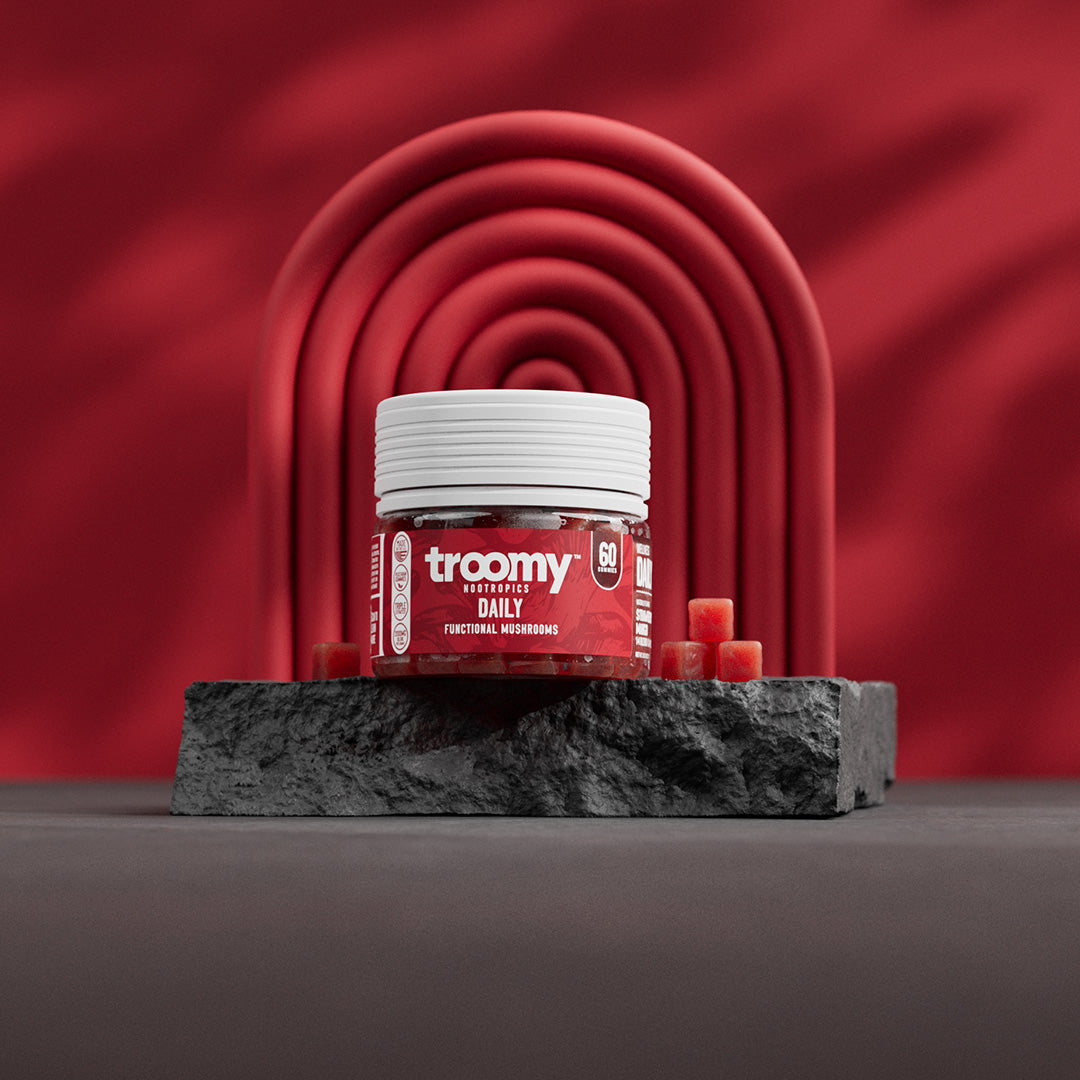
If you want a comprehensive mushroom approach to immune health, Troomy's Daily 14 Mushroom Blend Gummies bring together reishi alongside 13 other functional mushrooms including turkey tail, chaga, and lion's mane. Every mushroom is triple-extracted and delivered in a format that is easy to build into a daily routine.
Why Extraction Quality Matters for Reishi Immune Benefits
Not all reishi supplements deliver the same compound profile, and the difference almost always comes down to how the mushroom is extracted. The bioactive compounds in reishi require different conditions to be properly liberated from the mushroom's tough cell walls. Beta-glucans are water-soluble and require hot water extraction. Triterpenes are fat-soluble and require alcohol or a dual-extraction process. A product using only one method will be missing a significant portion of reishi's active compound spectrum.
This is why Troomy uses a triple-extraction process that captures both families of compounds rather than prioritizing one over the other. The result is a product that reflects the full complexity of the mushroom, not just the fraction that is easiest to extract.
Another meaningful quality marker is whether a product uses the fruiting body of the mushroom rather than mycelium grown on grain substrate. Fruiting bodies consistently show higher concentrations of beta-glucans and triterpenes compared to mycelium products. Mycelium-on-grain supplements often test high for starch content from the grain substrate, which does not serve any immune function. Looking for products that specify fruiting body and provide third-party testing is the most reliable way to evaluate reishi quality.
How Does Reishi Compare to Other Immune-Supporting Mushrooms?
Reishi is not the only functional mushroom with strong immune research behind it. Turkey tail, known scientifically as Trametes versicolor, is one of the most studied mushrooms for immune function and contains its own unique polysaccharides including PSK and PSP, which have been studied extensively in clinical settings.
Where reishi and turkey tail differ is in their primary mechanisms and secondary benefits. Reishi's triterpenes give it a distinctly anti-inflammatory and adaptogenic profile that turkey tail does not share to the same degree. Turkey tail's polysaccharide content, on the other hand, has the most robust human clinical data of any functional mushroom. The two mushrooms are genuinely complementary for immune support, which is why pairing them in a stack is an approach that makes scientific sense. If you want to explore that angle further, the deep dive into turkey tail mushroom and immune function covers the research behind its unique compounds in detail.
For people who want both mushrooms plus a broader spectrum of functional fungi, a multi-mushroom blend addresses the full immune picture more comprehensively than any single mushroom can on its own.
Troomy's mushroom supplements for immune system support bring together several of the most research-supported functional mushrooms for immune health, making it straightforward to find the right combination for your goals.
How to Build Reishi Into Your Daily Immune Routine
One of the practical challenges with traditional reishi is palatability. Reishi is genuinely bitter, a result of its high triterpene content, which is why it was historically consumed as a decoction or powder mixed into food. Modern gummy formats have resolved this without sacrificing compound content, provided the extraction has been done properly.
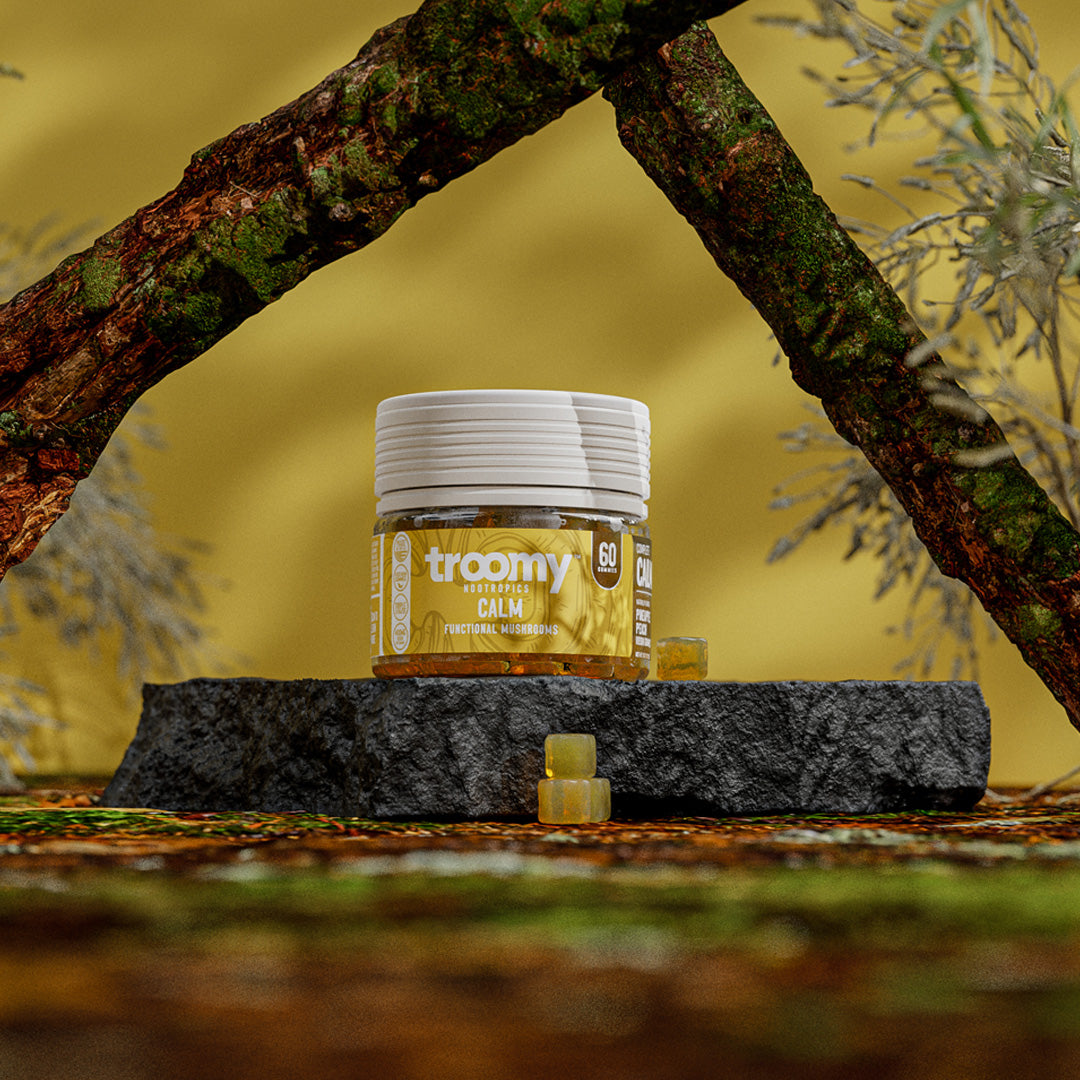
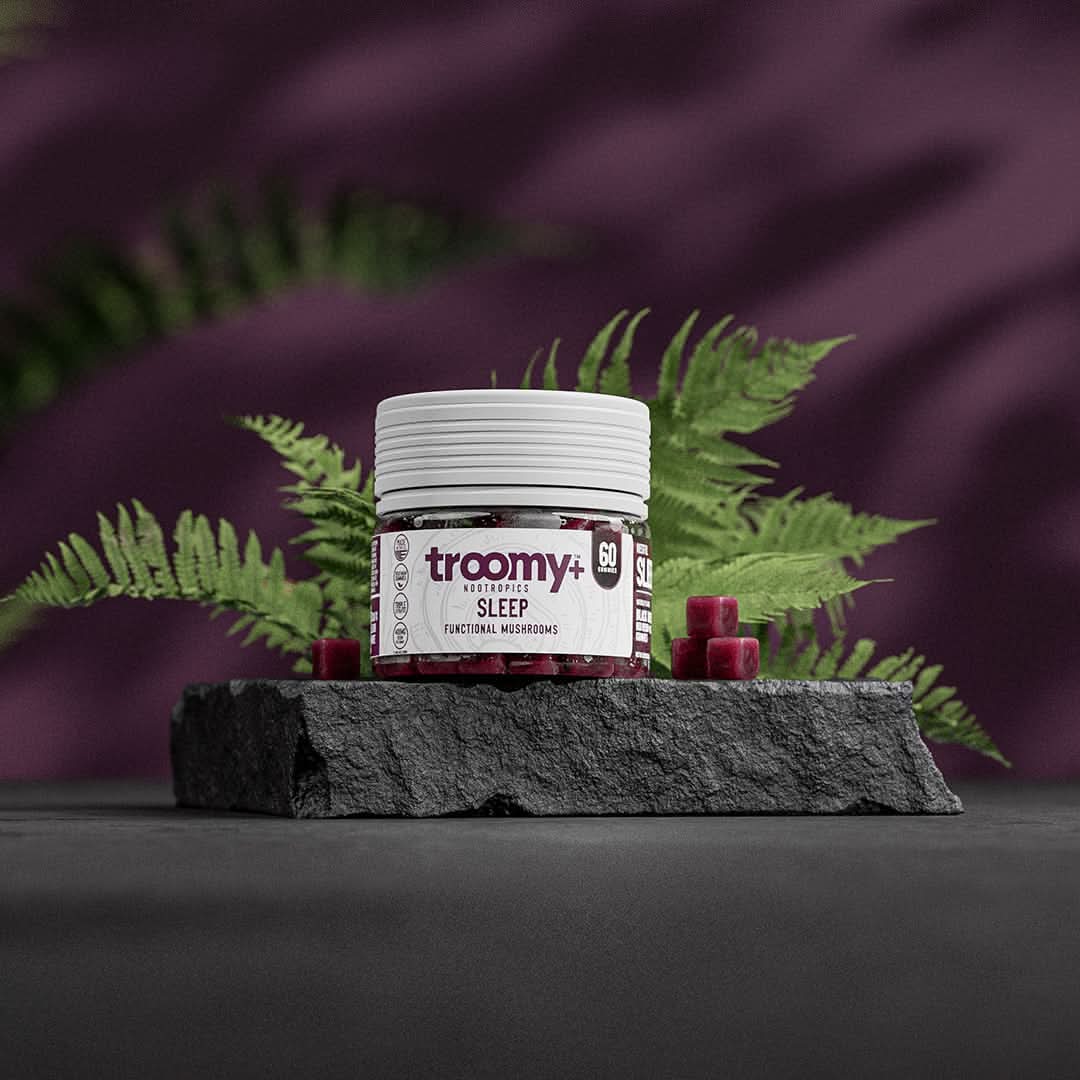
Troomy's Calm Reishi Gummies are formulated with triple-extracted reishi fruiting body, made in the USA, vegetarian, and available in natural flavors that make daily consistency easy to maintain. Consistency is key because reishi's compounds are understood to work cumulatively. Unlike stimulants or acute remedies, the immune-modulating effects of beta-glucans and triterpenes are thought to develop and strengthen over time with regular use.
Taking reishi with food is the simplest approach, and timing matters less than daily habit. Whether you take it in the morning as part of a general wellness routine or in the evening, what matters is that it becomes consistent enough to allow the compounds to do their work.
How Much Reishi Should You Take for Immune Support?
Dosage is one of the most common questions about reishi, and the research has used a wide range depending on study design and the form of reishi being tested. Most clinical studies have used daily doses equivalent to 1.5 to 9 grams of dried whole mushroom, with concentrated extracts requiring lower amounts because of the concentration factor applied during processing.
For general daily immune support in a healthy adult, the typical evidence-informed range falls around 1 to 3 grams of high-quality reishi extract per day. Troomy's products are formulated within this range. If you are new to reishi, starting at a moderate dose and observing how your body responds before adjusting is a reasonable approach.
Timing relative to meals is less critical than consistency, though some people with sensitive digestion find it more comfortable to take reishi with food. The habit matters more than the hour.
Can You Take Reishi Every Day?
Research and centuries of traditional use both support the conclusion that reishi is well tolerated for daily long-term use in healthy adults. Modern safety reviews are consistent with this, and no significant adverse effects have been reported at typical supplemental doses in otherwise healthy people.
A small number of individuals report mild digestive sensitivity when beginning reishi, particularly at higher doses. Taking it with food generally resolves this. As with any supplement, if you are pregnant, nursing, managing a specific health condition, or taking prescription medications, speaking with your healthcare provider before starting reishi is the appropriate step.
The immune-modulating properties of reishi are part of why daily use is well regarded by practitioners who work with functional mushrooms. Beta-glucans and triterpenes do not trigger the kind of receptor downregulation associated with stimulants, so the body does not build a tolerance over time. The compounds continue to interact with immune receptors consistently, which is exactly the kind of steady, background support that makes reishi well suited to daily supplementation rather than occasional use.
Frequently Asked Questions
Does Reishi Boost the Immune System?
Reishi does not boost the immune system in a simple, binary sense. Its beta-glucans and triterpenes act as immunomodulators, helping the immune system respond more effectively when activation is needed and tempering excessive inflammatory activity when it is not. Research supports increased natural killer cell activity and enhanced macrophage function with regular supplementation, which points to meaningful, calibrated immune support rather than indiscriminate stimulation.
How Much Reishi Should You Take for Immune Support?
Most clinical research on reishi's immune benefits has used daily doses equivalent to 1.5 to 9 grams of dried mushroom, with concentrated extracts requiring lower amounts due to the extraction process. For general daily immune support in a healthy adult, 1 to 3 grams of high-quality reishi extract is a well-supported starting range. Troomy's reishi products are formulated within this range using triple-extracted fruiting body for the broadest compound content.
Can You Take Reishi Every Day?
Yes. Reishi is considered safe for daily long-term use in healthy adults and has a history of daily tonic use across traditional medicine systems spanning centuries. Modern safety reviews support its regular use at supplemental doses. Mild digestive sensitivity can occur when starting, particularly at higher doses, and taking it with food typically resolves this. If you have specific health conditions or take prescription medications, consult your healthcare provider before adding reishi to your routine.
Is Reishi Good for Inflammation?
Reishi's triterpenes, particularly ganoderic acids, have shown anti-inflammatory properties in both laboratory and clinical research. Studies indicate they may inhibit pro-inflammatory cytokines including TNF-alpha and IL-6, which are among the primary targets in inflammation research. Most of the robust data comes from preclinical studies, and human clinical trials are still developing. The current evidence supports reishi as a promising natural complement to an anti-inflammatory lifestyle, not as a standalone treatment for any specific inflammatory condition.
These statements have not been evaluated by the Food and Drug Administration. This product is not intended to diagnose, treat, cure, or prevent any disease.


