



Chaga and reishi are two of the most popular functional mushrooms in the world, and they get compared constantly, usually by someone standing in front of a shelf trying to decide which one to buy first. The honest answer is that they do different jobs. Chaga leans toward antioxidant protection and immune support, while reishi leans toward calm, stress relief, and better sleep. Neither one is universally better. The right pick comes down to what you want to feel and when you want to feel it. This guide breaks down how each mushroom works, what each is best for, and how to decide between them, or whether the smarter move is simply to take both.
If you want the full background on chaga before you compare, our complete chaga benefits guide covers it from root to tip.
What Is the Difference Between Chaga and Reishi?
Both chaga and reishi are medicinal mushrooms rich in beta-glucans and triterpenes, and both carry centuries of traditional use behind them. The real difference is emphasis. Chaga (Inonotus obliquus) is a dense, dark fungus that grows on birch trees in cold northern forests, and it is prized for an exceptionally high antioxidant content paired with strong immune-supporting beta-glucans. Reishi (Ganoderma lucidum), traditionally called the mushroom of immortality, is a glossy, fan-shaped fungus best known as a calming adaptogen that supports stress management, relaxation, and sleep, with immune benefits of its own.
Put simply, reach for chaga when your goal is antioxidant and immune defense, and reach for reishi when your goal is calm, stress relief, and deeper rest. They overlap in places, but each has a clear lane.
How Does Chaga Work?
Chaga’s strengths come from four main compound classes working together. Beta-glucans support immune modulation, polyphenols and melanin deliver antioxidant protection, betulinic acid and inotodiol contribute anti-inflammatory support, and additional triterpenes add adaptogenic activity. Its standout feature is antioxidant density, which is why chaga is so often described as one of the most antioxidant-rich natural ingredients studied. Antioxidants matter because they help your body neutralize free radicals, the unstable molecules tied to oxidative stress and everyday cellular wear. That combination makes chaga the go-to choice for free-radical defense, daily immune support, and a balanced inflammatory response, especially when you want to feel steady heading into flu and allergy season. Because it grows on birch, chaga also draws on birch-derived compounds like betulin, part of what gives it such a distinctive profile.
How Does Reishi Work?
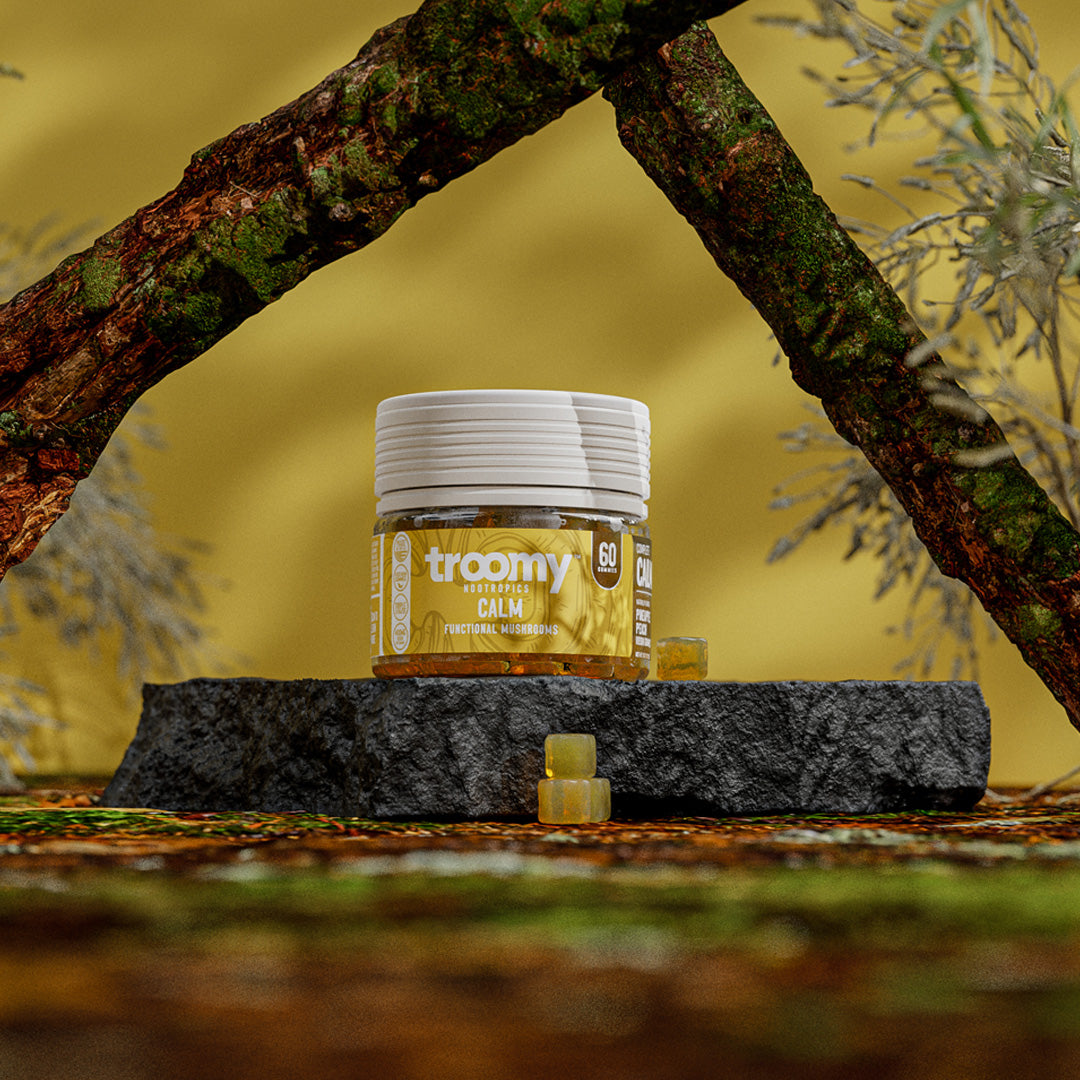
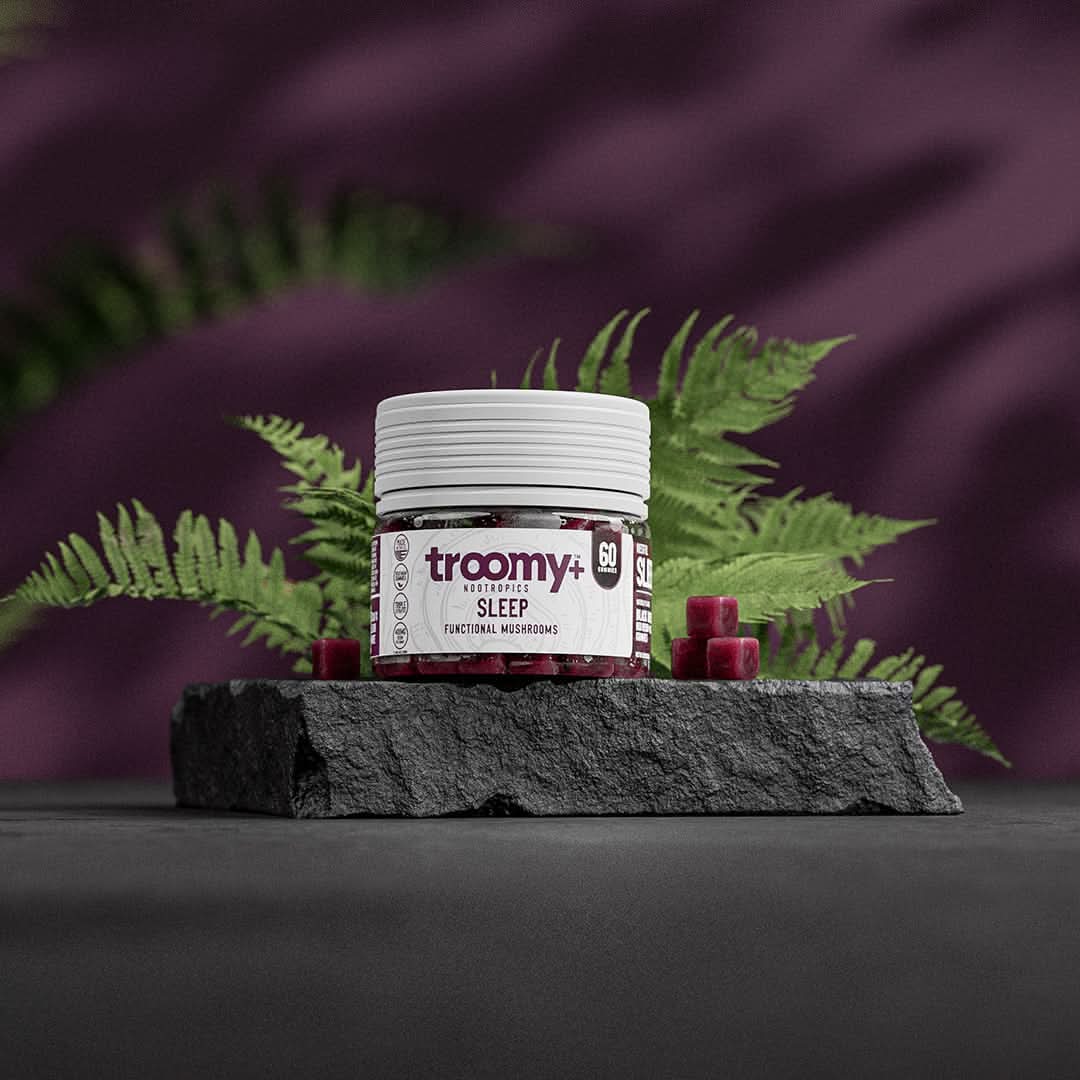
Reishi is the classic calming adaptogen, and that label captures exactly what it does. Its triterpenes and beta-glucans help support the body’s stress response, encouraging relaxation and a steady sense of calm rather than sedation, which is why so many people reach for reishi to wind down in the evening and ease into sleep. An adaptogen is simply an ingredient that helps the body adapt to stress and find balance, and reishi is one of the most recognized in that category. It also contributes meaningful immune support, but its defining quality is that calming, stress-balancing character. If a peaceful evening and better rest are what you are after, reishi is the natural pick. For the full picture, our guide to reishi mushroom benefits goes deeper, and our Calm Reishi Mushroom Gummies are built around exactly that wind-down goal.
Chaga vs Reishi for Immunity: Which Is Better?
Both mushrooms support immune health through beta-glucans, so neither is a wrong answer here. The deciding factor is the supporting cast each one brings. Chaga pairs its immune support with an exceptional antioxidant and anti-inflammatory profile, which makes it the stronger pick if your immune interest is tied to oxidative stress, daily defense, and getting through flu and allergy season feeling resilient. Reishi pairs its immune support with stress and sleep benefits, which makes it the better fit if your immune concerns trace back to stress, poor sleep, or that run-down feeling that creeps in when life gets busy. Stress and rest are closely linked to how strong you feel day to day, so reishi’s angle is more relevant than it first appears. For pure antioxidant-driven immune defense, though, chaga edges ahead.
Which Mushroom Is Better for Stress?
Reishi, without much debate. While chaga has adaptogenic qualities of its own, reishi is the recognized calming adaptogen of the two, and it is the one specifically associated with relaxation, stress management, and sleep support. If stress relief and better rest sit at the top of your list, reishi is the clear answer. The nuance is that stress rarely shows up alone. It tends to drag sleep, mood, and energy down with it, which is part of why a calming adaptogen can feel like it helps across the board. If you want both that sense of calm and serious antioxidant defense, that is a strong case for not choosing at all and taking the two together.
When Should You Take Chaga and Reishi?
Timing is where these two really show their different personalities. Chaga fits naturally into a morning or daytime routine, since antioxidant and immune support are things you want working in the background all day. Reishi, on the other hand, tends to shine in the evening, when its calming character helps you downshift and prepare for rest. That difference is convenient rather than restrictive. You can take chaga earlier to cover daily defense and reishi later to wind down, and the two never compete for the same slot. As with any functional mushroom, the real results come from consistency. Taking them regularly over several weeks matters far more than the exact hour you choose.
Can You Take Chaga and Reishi Together?
Yes, and for a lot of people that is the smartest approach of all. Chaga and reishi are complementary rather than competing. Chaga handles antioxidant and immune defense while reishi handles calm, stress, and sleep, giving you well-rounded support across two very different needs. That is exactly why they are so often combined in functional mushroom blends.
Our Daily 14 Mushroom Blend Gummies include both triple-extracted chaga and reishi, plus twelve other functional mushrooms, in a single daily gummy at 2,000mg per serving, made in the USA and vegetarian. It is the practical answer for anyone who does not want to choose, since you get chaga’s antioxidant and immune support alongside reishi’s calming benefits in one easy step. If you would rather build your own routine piece by piece, the Immunity Collection and our calming formulas let you tailor the balance to your goals.
How Do You Choose Between Chaga and Reishi?
Start with your primary goal, because that single question answers most of it. If you want antioxidant protection, immune defense, and anti-inflammatory support, begin with chaga. If you want calm, stress relief, and better sleep, begin with reishi. And if your honest answer is that you want both, a blend that contains the two together is the simplest and most cost-effective way to cover your bases without juggling separate products. Whichever direction you take, look for mushrooms that are triple-extracted so you actually get the active compounds, made in the USA, vegetarian, and offered in natural flavors you will genuinely enjoy taking. That last part matters more than people expect, because a routine only works if you stick with it, and consistency over several weeks is what delivers real results with functional mushrooms.
Frequently Asked Questions
What is the difference between chaga and reishi?
Chaga is best known for antioxidant protection and immune support, with one of the highest antioxidant contents of any functional mushroom. Reishi is best known as a calming adaptogen that supports stress management, relaxation, and sleep. Both contain immune-supporting beta-glucans, but chaga leans toward defense while reishi leans toward calm.
Is chaga or reishi better for immunity?
Both support immunity through beta-glucans. Chaga is the stronger pick if your immune interest is tied to antioxidant protection, daily defense, and oxidative stress, while reishi is better if your immune concerns relate to stress, poor sleep, or feeling run down. For antioxidant-driven immune defense, chaga has the edge.
Can you take chaga and reishi together?
Yes. Chaga and reishi are complementary rather than competing. Chaga handles antioxidant and immune defense while reishi handles calm, stress, and sleep, so taking both gives you well-rounded support. They are commonly combined in functional mushroom blends for this reason.
Which mushroom is better for stress?
Reishi is the better choice for stress. While chaga has adaptogenic qualities, reishi is the recognized calming adaptogen and is specifically associated with relaxation, stress management, and sleep support. For stress relief and better rest, reishi is the natural pick.
What does chaga do that reishi does not?
Chaga’s standout feature is its exceptional antioxidant density, driven by its melanin and polyphenols, along with strong anti-inflammatory support from betulinic acid and inotodiol. This makes chaga the go-to for free-radical defense and oxidative-stress protection, an area where it outperforms reishi’s more calming, stress-focused profile.
These statements have not been evaluated by the Food and Drug Administration. This product is not intended to diagnose, treat, cure, or prevent any disease.


