



Reishi mushroom has been used for thousands of years in traditional Eastern medicine, and today it stands as one of the most studied functional mushrooms in the modern wellness space. Known in Chinese medicine as Lingzhi, or the mushroom of immortality, reishi has earned its reputation across four major wellness areas: sleep, stress, immunity, and skin. Whether you are brand new to functional mushrooms or looking to understand reishi benefits and reishi mushroom uses more deeply, this guide covers what the research says, how reishi mushroom benefits the body across multiple systems, and how to make it a practical part of your daily routine.
What Is Reishi Mushroom?
Reishi (Ganoderma lucidum) is a polypore mushroom that grows on hardwood trees in humid, temperate forests across Asia. Unlike the culinary mushrooms you'd find at a grocery store, reishi is woody and intensely bitter in its raw form, which is why it's traditionally consumed as a tea, powder, or extract rather than eaten whole.
What makes reishi particularly powerful are its bioactive compounds: beta-glucans, triterpenes, and polysaccharides. These compounds work together to support immune function, regulate the body's stress response, and promote a more balanced, calmer state overall. The extraction process used to produce reishi supplements matters enormously because it determines how much of these compounds are actually available for the body to absorb. A triple-extraction approach captures both the water-soluble and fat-soluble compounds that give reishi its broad-spectrum activity.
What Is Reishi Good For? The Four Main Benefit Lanes
Reishi is one of the most versatile functional mushrooms available. Rather than targeting a single body system, it works across multiple areas of health simultaneously. Here is what the research and centuries of traditional use suggest about reishi's primary benefits.
Reishi for Sleep
One of the most common reasons people turn to reishi is to support better, more restorative sleep. Unlike melatonin, which directly triggers drowsiness by acting as a hormone signal, reishi works as an adaptogen. It helps regulate the body's stress response over time so that when bedtime comes, the nervous system is already in a calmer state.
A study published in the Journal of Ethnopharmacology found that reishi polysaccharides increased total sleep time and non-REM sleep in animal models, pointing to a meaningful sleep-supportive role. While human research on this specific mechanism is still developing, reishi's long and well-documented history of use for sleep across traditional medicine systems provides strong supporting context.
Consistency is the key variable with reishi for sleep. It is not a supplement that knocks you out on the first night. Over two to four weeks of daily use, most people report meaningful improvement in how easily they fall asleep and how rested they feel in the morning. For people who struggle with racing thoughts or stress-driven wakefulness, reishi's adaptogenic properties address the root cause rather than just masking the symptom.
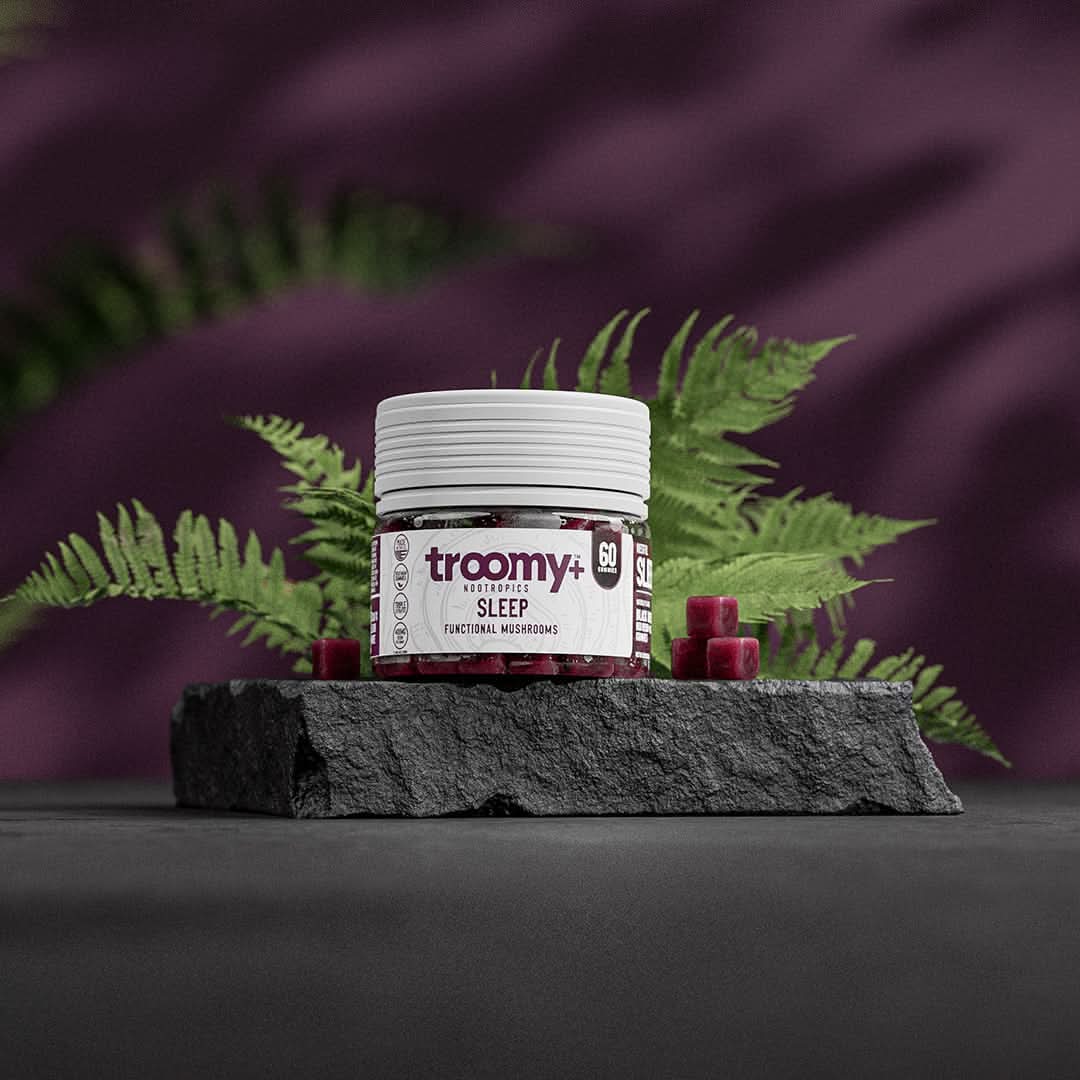
Troomy's Sleep Reishi Gummies are formulated specifically for an end-of-day routine, making it easy to take your reishi consistently without measuring powders or brewing anything. Each gummy delivers a precise, meaningful dose of triple-extracted reishi in a natural flavor that makes the habit easy to stick to.
Reishi for Stress and Anxiety
Reishi is one of the most well-known adaptogens in the functional mushroom world. Adaptogens are natural substances that help the body adapt to physical and emotional stressors by modulating the hypothalamic-pituitary-adrenal (HPA) axis, the system responsible for cortisol release and the stress response more broadly.
When the body is under chronic stress, cortisol remains elevated for extended periods. This affects sleep quality, mood, energy levels, immune function, and cognitive performance. Reishi's triterpenes have been shown in research to support the body's ability to regulate this stress response, helping to return the system to a more balanced state rather than either suppressing or artificially stimulating it.
It is worth being direct about what the science shows at this stage: the most robust studies on reishi and stress have largely been conducted in animal models or small human trials. The results are promising, and traditional use over thousands of years provides important context, but reishi is not a pharmaceutical replacement for clinical anxiety treatment. What it offers is a natural, well-tolerated option for managing the kind of everyday stress that can compound over time and wear on your health.
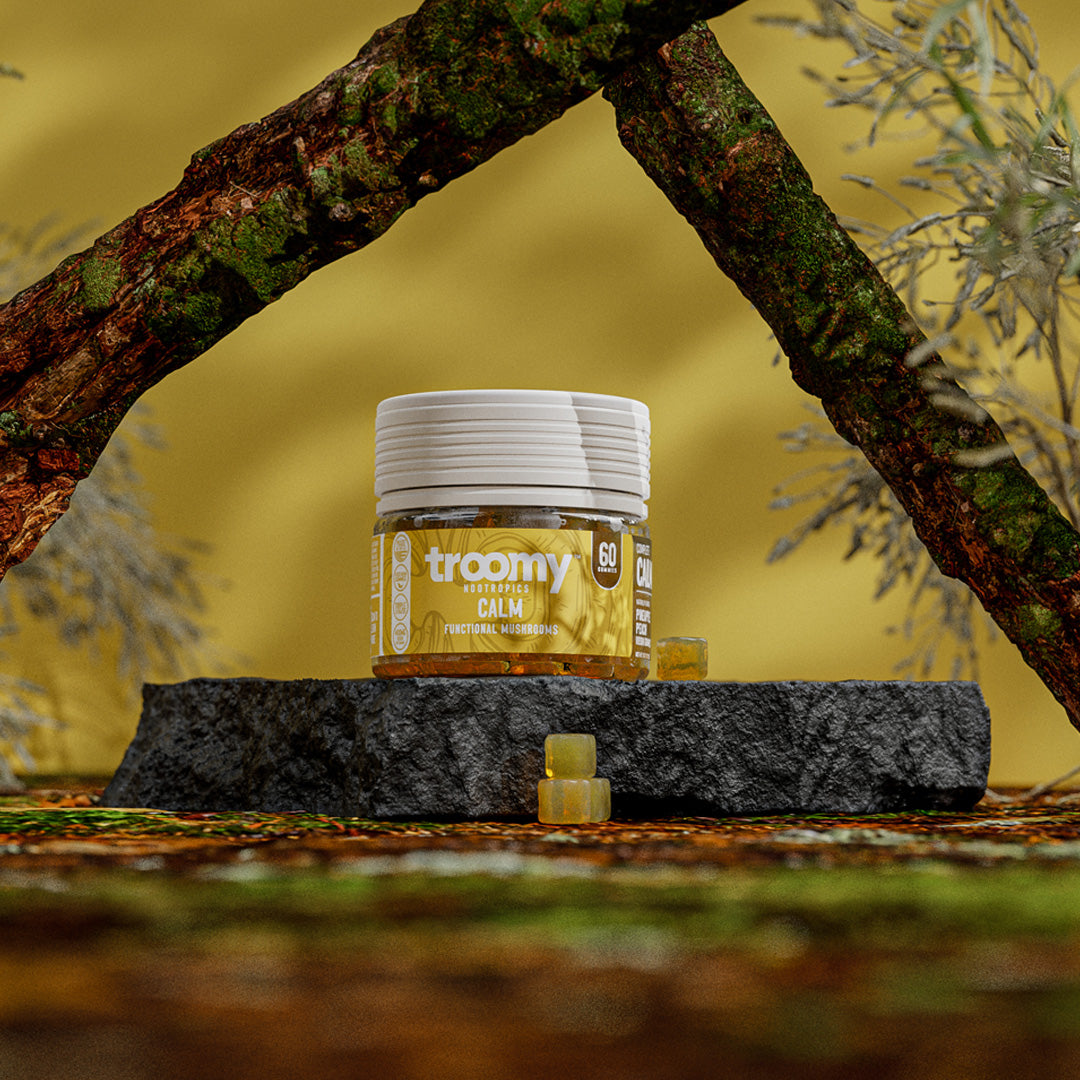
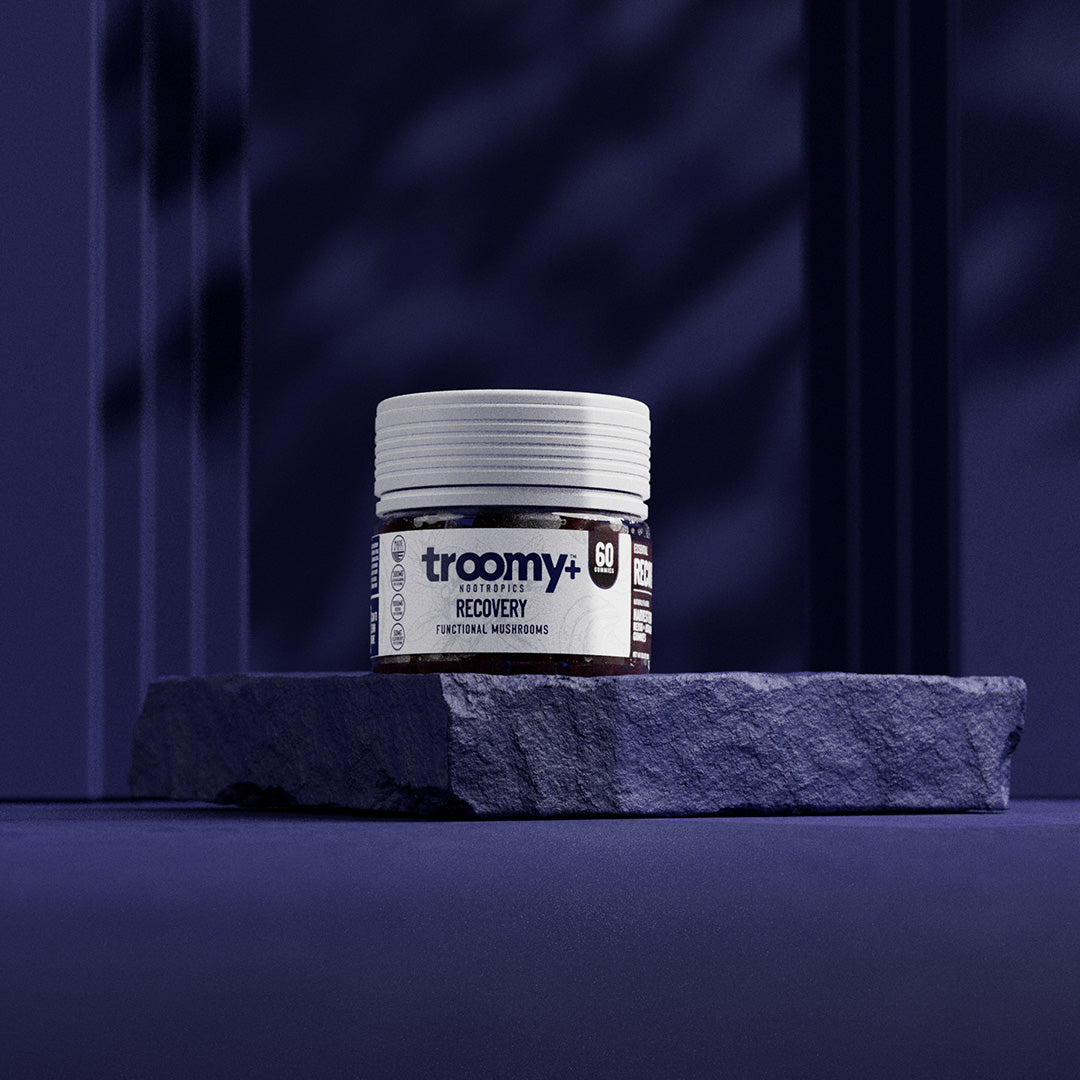
Troomy's Calm Reishi Gummies are built specifically around this benefit, delivering reishi extract in a daily format designed for people who want to take the edge off without reaching for something synthetic. For those who want to layer adaptogenic support, the Recovery Ashwagandha Reishi Gummies combine reishi with ashwagandha, another well-studied adaptogen, for a stacking approach to stress resilience.
Reishi for Immune Support
Reishi's impact on immune function is among the most studied of all its benefits, and the mechanisms are well understood. The beta-glucans in reishi are the primary drivers here. Beta-glucans are long-chain polysaccharides that interact with receptors on immune cells, particularly macrophages and natural killer cells, helping to prime and regulate the immune response.
Triterpenes contribute an equally important piece of the picture, providing anti-inflammatory activity that helps prevent the immune system from going into overdrive. This dual action, supporting immune activation while also moderating inflammatory response, makes reishi particularly relevant for long-term immune health rather than just acute illness prevention.
Research published in peer-reviewed journals including the International Journal of Medicinal Mushrooms has supported reishi's role as an immune modulator. For a daily practice, reishi can serve as a consistent foundation for immune support, especially during high-stress periods when immune function tends to dip.
For those looking for comprehensive immune support across a full spectrum of functional mushrooms, Troomy's Daily 14 Mushroom Blend Gummies combine reishi with 13 other mushroom species, including turkey tail, chaga, lion's mane, and cordyceps, for broad-spectrum daily coverage. The Immunity Collection offers additional options for building a complete immune-supportive routine.
Reishi and Skin Health
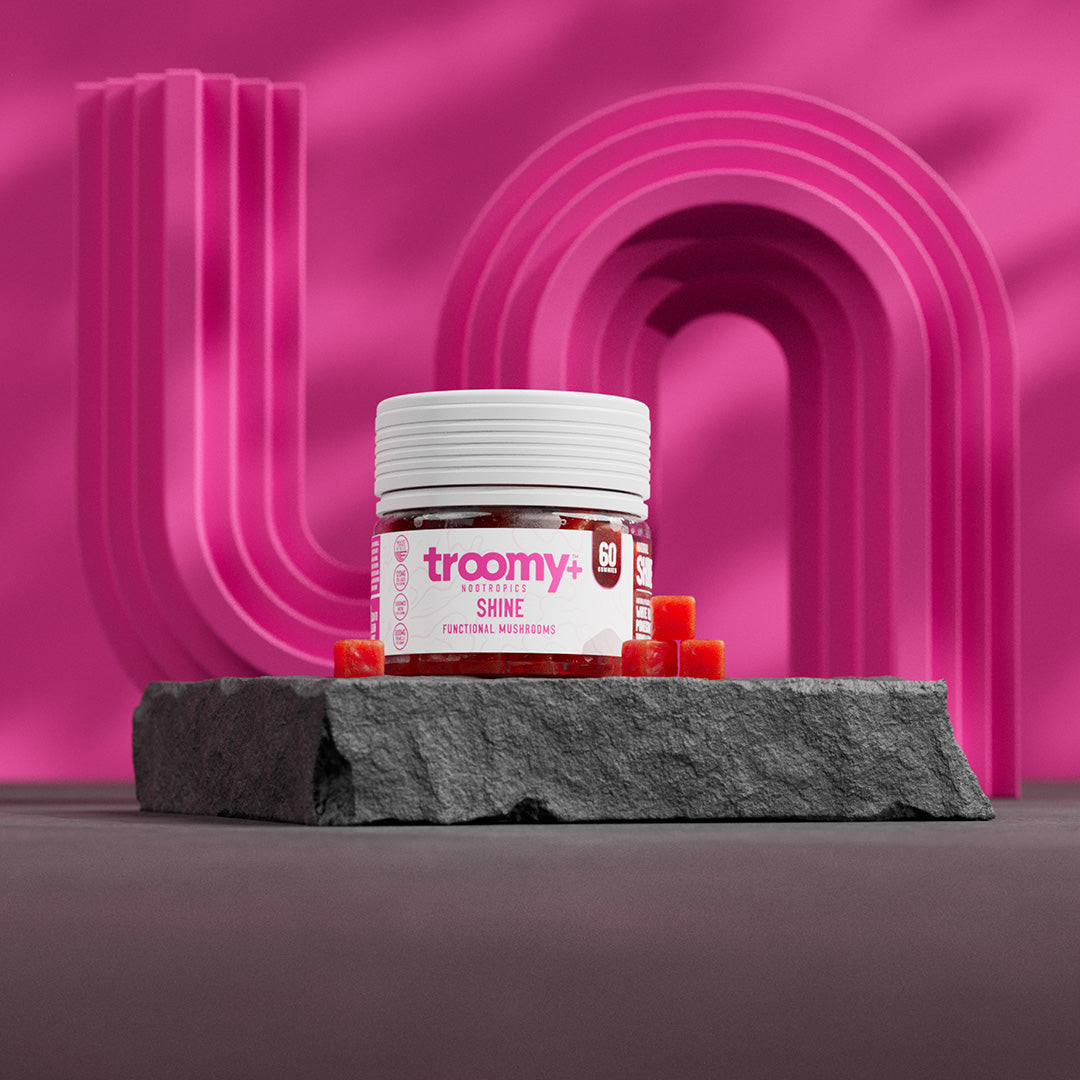
Reishi's antioxidant and anti-inflammatory properties extend to skin health in ways that are increasingly recognized by the cosmetic and wellness research communities. The polysaccharides in reishi support hydration and cellular resilience, while triterpenes counter oxidative stress, one of the primary drivers of premature skin aging.
In traditional medicine, reishi was used as a longevity tonic in part because of its systemic protective effects on the body. Modern research is beginning to validate these uses, with reishi extracts showing potential in supporting skin barrier function and reducing the inflammation that contributes to redness and uneven texture. While topical reishi applications are an emerging area, the internal benefits of consistent reishi supplementation on overall systemic inflammation are well-supported by the adaptogen and antioxidant research.
The Science Behind Reishi: Beta-Glucans, Triterpenes, and Polysaccharides
To understand why reishi works, it helps to understand what is inside it. Reishi contains three main classes of bioactive compounds that account for most of its documented effects, and each one works through a distinct mechanism.
Beta-glucans are long-chain polysaccharides found in the cell walls of the mushroom fruiting body. They act as biological response modifiers, meaning they help regulate immune activity rather than simply boosting or suppressing it indiscriminately. This makes them particularly valuable for daily use without concerns about overstimulating immune function. Beta-glucans are also water-soluble, which means a proper water-extraction step is essential to capture them in supplement form.
Triterpenes are a class of compounds unique to Ganoderma lucidum, with over 100 distinct triterpenes identified in the reishi mushroom. They are responsible for reishi's characteristic bitter flavor and are associated with anti-inflammatory, adaptogenic, and liver-supportive activity. Triterpenes are fat-soluble, which means a separate alcohol-extraction step is required to capture them, and products that skip this step are delivering an incomplete profile of the mushroom's compounds.
Polysaccharides more broadly support cellular health, energy metabolism, and as the sleep research suggests, non-REM sleep quality. The key to getting all three compound classes in meaningful amounts is the extraction method. Troomy uses a triple-extraction process specifically designed to pull both water-soluble and fat-soluble compounds from the fruiting body, ensuring a full-spectrum benefit in every serving.
How to Take Reishi Mushroom
One of the most practical questions about reishi is how to actually take it. The answer depends on your goals, your schedule, and what form factor fits naturally into your life.
Timing works best when matched to your goal. For sleep support, reishi is most commonly taken 30 to 60 minutes before bed. For stress and immune support, morning or midday use fits well as part of a consistent daily wellness routine. Because reishi works cumulatively rather than producing an immediate acute effect, consistency matters more than the specific time of day. Whatever window you can stick to is the right window.
When it comes to form, reishi is available as a traditional tea brewed from dried mushroom slices, a powder mixed into beverages, capsules, tinctures, and gummies. Each has tradeoffs. Tea and powder require preparation time and have a strong, bitter flavor that many people find difficult to sustain. Capsules are convenient but not everyone's preference. Gummies combine precise dosing, ease of use, and a genuinely enjoyable experience, which translates directly into better adherence. If a supplement is inconvenient or unpleasant, it does not get taken consistently, and consistency is the entire game with adaptogens.
Dosage guidance from the research varies, with most studies using between one and three grams of dried mushroom equivalent per day. Troomy's reishi products are formulated to deliver a meaningful dose in each serving. Follow the label instructions for the specific product you are using, and give the supplement at least four weeks before evaluating how it is working for you.
What Makes Troomy's Reishi Different?
The functional mushroom supplement market has grown significantly, and not all products are created equal. The quality gap between a rigorously formulated reishi product and a low-quality one is significant, and it comes down to a few key factors.
Triple extraction is the standard that matters most. Troomy uses a triple-extraction process to ensure that both water-soluble compounds like beta-glucans and polysaccharides and fat-soluble compounds like triterpenes are fully captured from the fruiting body. Many lower-cost products use mycelium grown on grain rather than the fruiting body, which results in significantly lower concentrations of active compounds and higher amounts of grain filler. Fruiting body extraction is the benchmark for quality in functional mushroom supplements.
All Troomy products are made in the USA, which means tighter quality controls, greater supply chain transparency, and consistent manufacturing standards. The gummies are vegetarian, free from artificial additives, and made with natural flavors that make them something you actually look forward to taking.
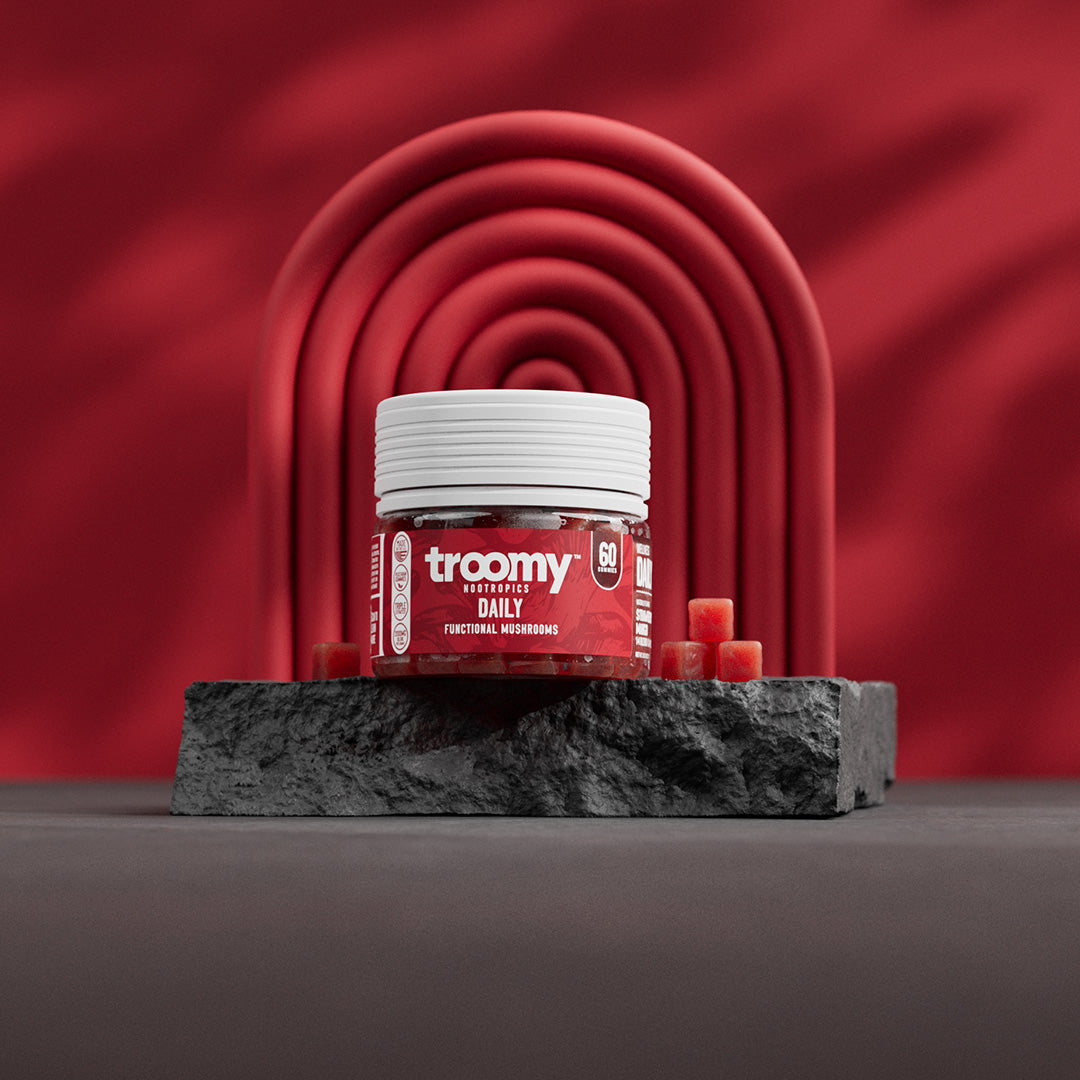
Troomy offers dedicated reishi products for each primary benefit lane. The Sleep Reishi Gummies and Calm Reishi Gummies target sleep and stress specifically. The Recovery Ashwagandha Reishi Gummies stack reishi with ashwagandha for layered adaptogenic support. And for the broadest daily foundation, the Daily 14 Mushroom Blend Gummies bring reishi together with 13 additional functional mushrooms for comprehensive full-spectrum coverage every day.
Frequently Asked Questions
What is reishi good for?
Reishi mushroom is primarily known for supporting sleep quality, managing everyday stress, and strengthening immune function. It also provides antioxidant support with benefits that extend to skin health. Unlike many supplements that target a single body system, reishi works across multiple areas simultaneously, which is why it is one of the most popular functional mushrooms for people building a general wellness routine rather than chasing a single benefit.
Is reishi safe daily?
Reishi is generally considered safe for daily use by healthy adults, and it has been used in traditional medicine for thousands of years with a well-established safety profile. Some individuals experience mild digestive sensitivity when starting, particularly at higher doses, which typically resolves with continued use. If you are pregnant, nursing, or taking medications including blood thinners or immunosuppressants, consult your healthcare provider before adding reishi to your routine.
How long does reishi take to work?
Reishi is not a supplement that produces an acute, same-day effect. Most people begin to notice meaningful changes in sleep quality, stress resilience, or general well-being after two to four weeks of consistent daily use. The cumulative, adaptogenic nature of reishi means that regularity over time is what produces results. Think of it less like a pill that works in an hour and more like a healthy habit that compounds over weeks.
Can you take reishi and melatonin together?
Yes, reishi and melatonin can generally be taken together and are commonly paired for sleep support. They work through complementary mechanisms rather than the same pathway. Melatonin is a hormone that signals the onset of sleep directly, while reishi works adaptogenically to reduce the stress and elevated cortisol that can interfere with sleep onset and quality. Together, they address sleep from two different angles. As always, consult your healthcare provider if you are taking other medications or have underlying health conditions.
These statements have not been evaluated by the Food and Drug Administration. This product is not intended to diagnose, treat, cure, or prevent any disease.


