



If you wear an Apple Watch, an Oura Ring, a Whoop, or a Garmin, you already have a tiny lab strapped to your wrist or finger. It quietly logs your sleep stages, your heart rate variability, your resting heart rate, your readiness, your strain, and your recovery, every single day. So when you start taking a functional mushroom supplement and a few weeks in you start to feel sharper, calmer, or more rested, you do not have to wonder if it is real. You can actually look at the numbers.
This is a big shift in how people think about wellness. Instead of guessing whether your nootropic mushroom gummies are doing anything, you can pair them with the data you are already collecting and watch the trends. The catch is that wearable data is noisy. One bad night does not mean a supplement failed, and one great morning does not mean it is working miracles. The trick is knowing what metrics to track, what realistic changes look like, and how long to give the process before you draw conclusions.
This guide breaks all of that down. We will walk through which wearable metrics actually reflect the kinds of effects functional mushrooms are known for, how to set up a clean tracking window, what timelines to expect for different mushrooms, and how to interpret what you see. The goal is to give you a real, repeatable framework for measuring whether your mushroom routine is working for you, not generic promises.
Why Functional Mushrooms and Wearable Data Are a Natural Pair
Wearable adoption has exploded. According to IDC's Worldwide Wearable Device Tracker, global wearable shipments grew 9.1% year over year in 2025, reaching 611.5 million units, with category leaders like Oura, Whoop, Garmin, and Apple driving that growth. Smartwatches are now firmly health-first devices: industry data shows that around 60% of smartwatch users have downloaded fitness and health tracking apps, making it the single largest app category on the wrist.
That matters for anyone taking a supplement, because the same wearables that count your steps also track the metrics that functional mushrooms are most associated with. Lion's mane is best known for cognitive support. Reishi is associated with sleep and stress. Cordyceps is associated with energy and aerobic capacity. Ashwagandha and reishi together are associated with recovery. Every one of those domains has a corresponding signal your wearable is already capturing in the background, whether that is sleep stages, resting heart rate, heart rate variability, readiness scores, or training load.
In other words, you are not adding a new tracking system on top of your supplement routine. You are pointing the system you already use at the question: are these gummies actually doing something for me?

Which Wearable Metrics Actually Reflect Mushroom Supplement Effects?
Not every number on your watch is useful for this. Some metrics are too noisy day to day to detect a subtle wellness shift, and some only matter if you are training hard. The metrics below are the ones that map most directly to the kinds of outcomes functional mushrooms are associated with, and they are also the metrics most major wearables (Apple Watch, Oura, Whoop, Garmin, Fitbit) all capture in some form.
Heart Rate Variability (HRV)
Heart rate variability is the variation in time between consecutive heartbeats, and it has become the de facto recovery and nervous system metric in wearables. Higher HRV generally reflects a more balanced, recovered autonomic state, while lower HRV often shows up when you are stressed, sick, under-slept, or overtrained. A 2025 multi-study analysis published in Sensors found that resting HRV measured by consumer wearables, especially during sleep or upon waking, had meaningful associations with sleep difficulty, depressive symptoms, and even average blood glucose. A separate 14-day observational study found that higher daily HRV was associated with better self-reported sleep, lower fatigue, and reduced stress.
For someone tracking a calming or recovery-focused supplement, HRV is one of the cleanest signals available. If you are using something like Calm reishi gummies or Recovery ashwagandha and reishi gummies, a gradual upward trend in your overnight HRV across two to four weeks is exactly the kind of pattern those ingredients are theorized to influence.
Sleep Duration, Sleep Onset, and Deep Sleep
Most modern wearables break sleep down into total time asleep, sleep latency (how long it takes you to fall asleep), wake-after-sleep-onset (how often you wake up), and a breakdown of light, deep, and REM stages. These are the metrics most relevant to anyone testing a sleep-focused mushroom routine.
Reishi has the most direct research support here. A widely cited 2021 study published in Scientific Reports identified that Ganoderma lucidum (reishi) appears to support sleep through a gut-microbiota-dependent and serotonin-involved pathway, rather than acting as a sedative. That is a meaningful distinction. It suggests reishi works by nudging the body's own sleep regulatory systems, which is consistent with the slow, steady improvements in sleep quality that show up in real wearable data, rather than a sharp, dramatic shift in one night.
If you want to dig deeper into how reishi supports better rest, our team broke that down in How Reishi Mushroom and Melatonin Work Together for Sleep Support.
Resting Heart Rate (RHR)
Resting heart rate is one of the most stable metrics on your wearable. Lower RHR is generally associated with better cardiovascular fitness, better recovery, and lower physiological stress. It is slow to move, which is exactly what makes it valuable: small, sustained drops in RHR over four to eight weeks are usually meaningful, not noise.
This matters for routines that include reishi or ashwagandha, both of which are studied for stress support. When the nervous system is less revved up, resting heart rate often drifts down with it. It also matters for cordyceps users, since cordyceps is associated with aerobic and cardiovascular wellness.
Readiness, Recovery, and Strain Scores
Oura's Readiness, Whoop's Recovery, Garmin's Body Battery, and Apple's Vitals trends are composite scores. They blend HRV, RHR, sleep, body temperature, and recent activity into one number that tries to answer the question, are you ready to push today? These scores are excellent for spotting trends because they smooth out a lot of the day-to-day noise that single metrics carry.
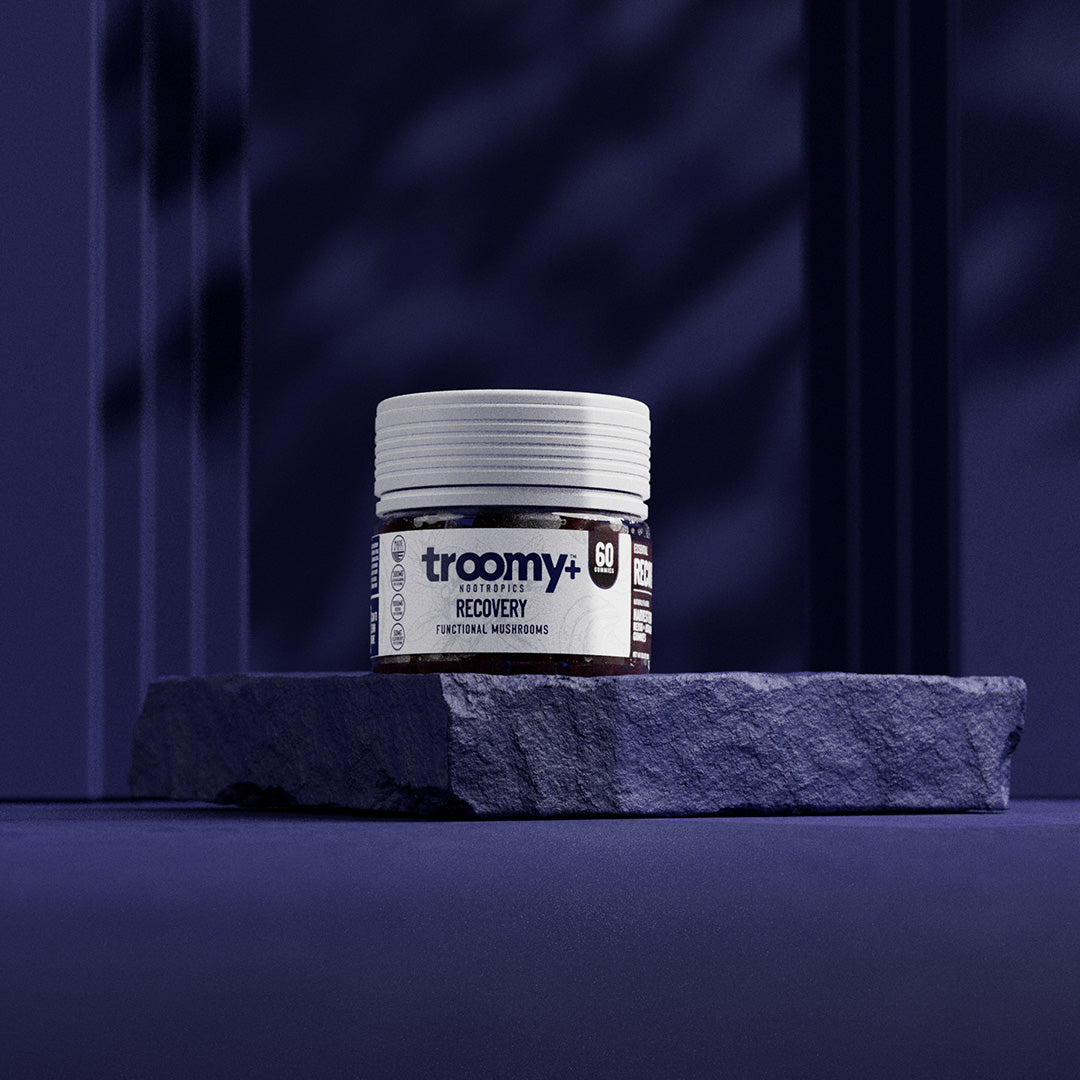
If you are testing Boost cordyceps gummies or Recovery ashwagandha and reishi gummies alongside a training routine, watching your readiness or recovery scores trend higher across a few weeks is a strong signal. So is a faster bounce-back after a hard workout.
Subjective Tags and Mood Logs
This one is easy to skip and you should not. Most wearables have a way to log how you feel: focus, mood, stress level, energy. Hard data and self-reported data both matter, and the combination is far more useful than either alone. The peer-reviewed research on functional mushrooms in healthy adults is small but suggestive, and a lot of the real-world benefit shows up in how people describe their day, not just in their numbers.

How Should You Set Up a Tracking Window for a Mushroom Supplement?
Wearable data is incredibly easy to misread. People start a new supplement, look at one or two days of data, and either declare victory or write it off. Both are mistakes. Here is a more honest framework.
Establish a Baseline First
Before you take a single gummy, look at the previous 14 to 21 days of your wearable data. Note your average HRV, your average resting heart rate, your average total sleep, your typical readiness or recovery score, and how often you flag yourself as stressed or tired. This is your baseline. Without it, you cannot tell what changed.
Pick One Mushroom Goal at a Time
Stacking five new things at once is the single biggest reason people cannot tell what is working. If you want to know whether reishi is helping your sleep, do not also start a new pre-workout, a new bedtime routine, and a new caffeine cutoff time the same week. Pick one supplement, one goal, and one matched wearable metric.
A clean version of this looks like: Sleep reishi gummies tracked against deep sleep duration, sleep onset, and overnight HRV for 30 days. That is a single hypothesis with a single supplement and three matched metrics. That is something your data can actually answer.
Be Patient with the Timeline
Different mushrooms operate on different timelines, and the wearable evidence reflects that.
-
Same-day support like Focus, Boost, Calm, and Sleep can show subjective effects within 30 to 60 minutes of taking a serving. Wearable signals like HRV and sleep stages still need a few weeks of consistent data to confirm a real trend.
-
Recovery and Daily build over two to four weeks of consistent use as the body adapts.
-
Beauty support like Shine typically takes six to twelve weeks to show in skin, hair, and nails, similar to most beauty supplements.
If you want to see a real shift in your wearable data, plan for at least 28 to 60 days of consistent daily use. Anything shorter is closer to a vibe check than a real measurement.

What Each Functional Mushroom Is Known For (and What Your Wearable Might Show)
Different mushrooms support different parts of your day, and they show up differently in wearable data. Here is how the most common functional mushrooms in the Troomy lineup map to the metrics you are tracking, grounded in what each ingredient is known for and what published research has found.
Lion's Mane and Cognitive Tracking
Lion's mane is the cognitive headliner. It is best known for supporting focus, memory, and mental clarity. A 2023 randomized, double-blind, placebo-controlled pilot study published in Nutrients found that healthy young adults given a single 1.8g dose of Hericium erinaceus performed faster on the Stroop task, a classic test of attention and cognitive control, 60 minutes after the dose, with a trend toward reduced subjective stress after 28 days of supplementation. That is exactly the kind of effect lion's mane is traditionally associated with.
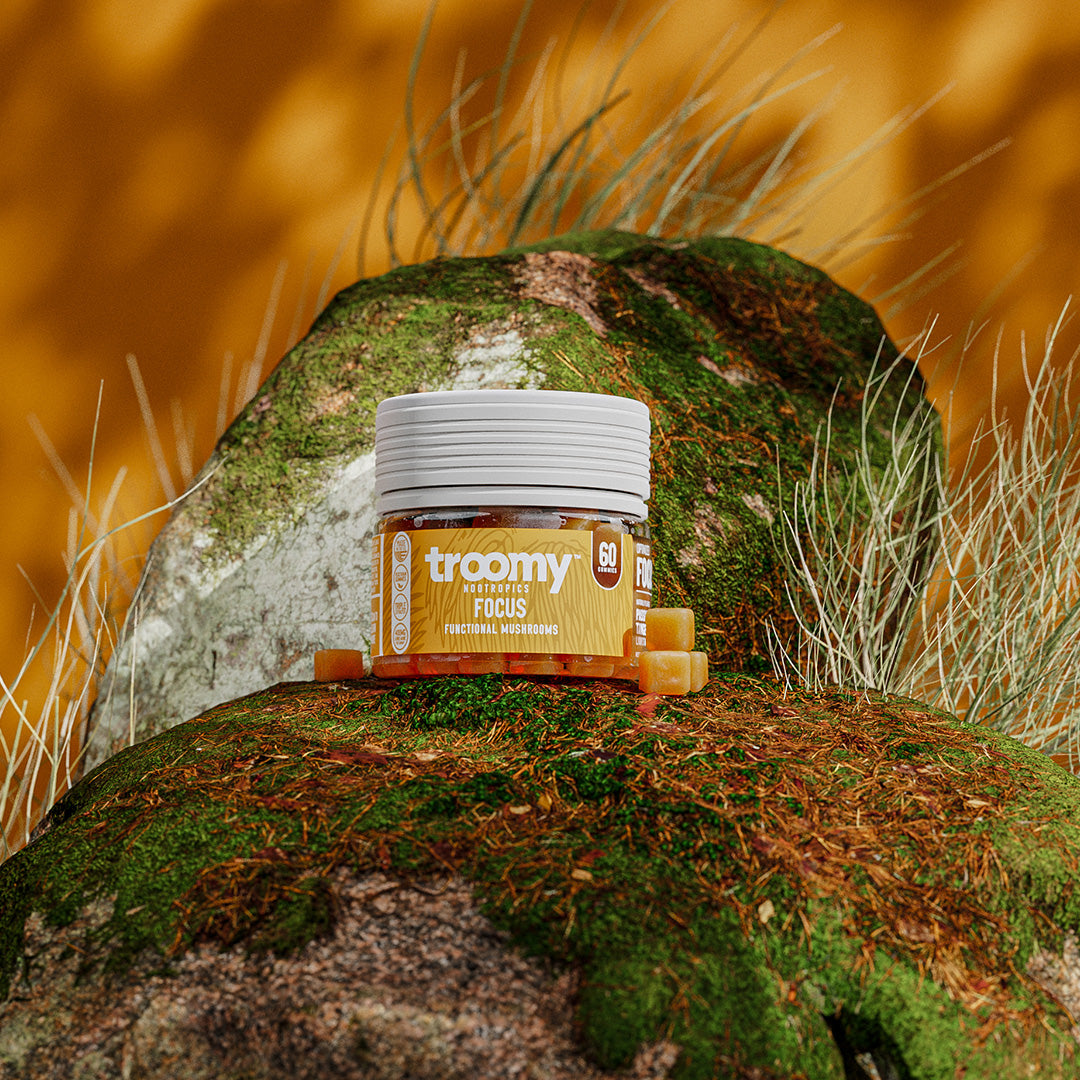
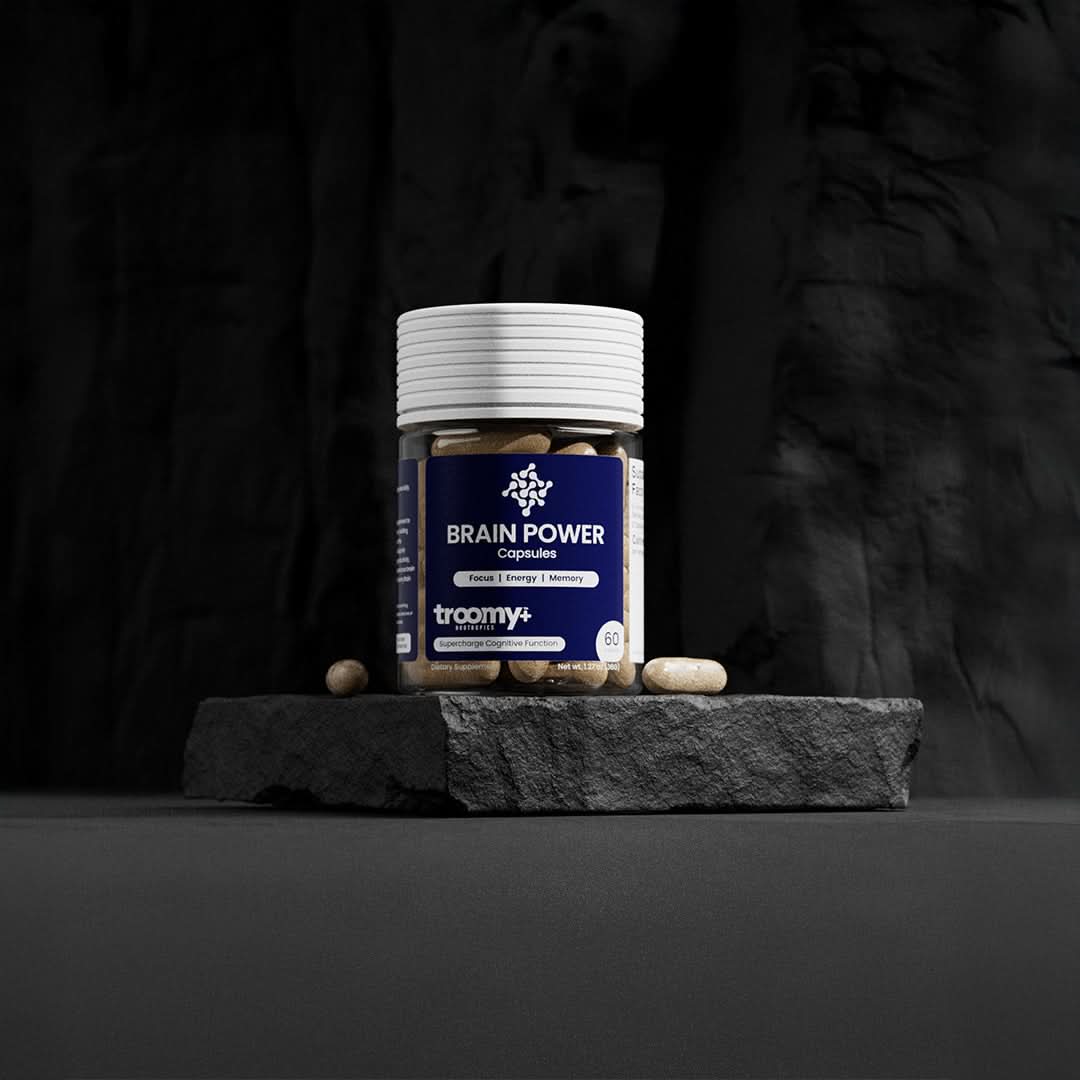
Wearables do not measure focus directly, so for lion's mane the most useful tracking is a mix of subjective focus tags during your workday and indirect signals like fewer high-stress flags and steadier resting heart rate during deep work. If you want a deeper dive on the mushroom itself, What Does Lion's Mane Actually Do? Benefits, Research and How to Take It is a solid follow-up read. To put it into your routine, Focus lion's mane gummies are the most direct way in, with Brain Power capsules stepping it up for longer, more demanding workdays.
Reishi and Sleep Tracking
Reishi is the calmer of the bunch. It is associated with stress balance, relaxation, and supporting natural sleep cycles. The Scientific Reports research mentioned earlier identified a gut-microbiota and serotonin pathway through which reishi appears to support sleep, which is consistent with the slow, gentle improvements people often describe rather than a heavy sedative effect.
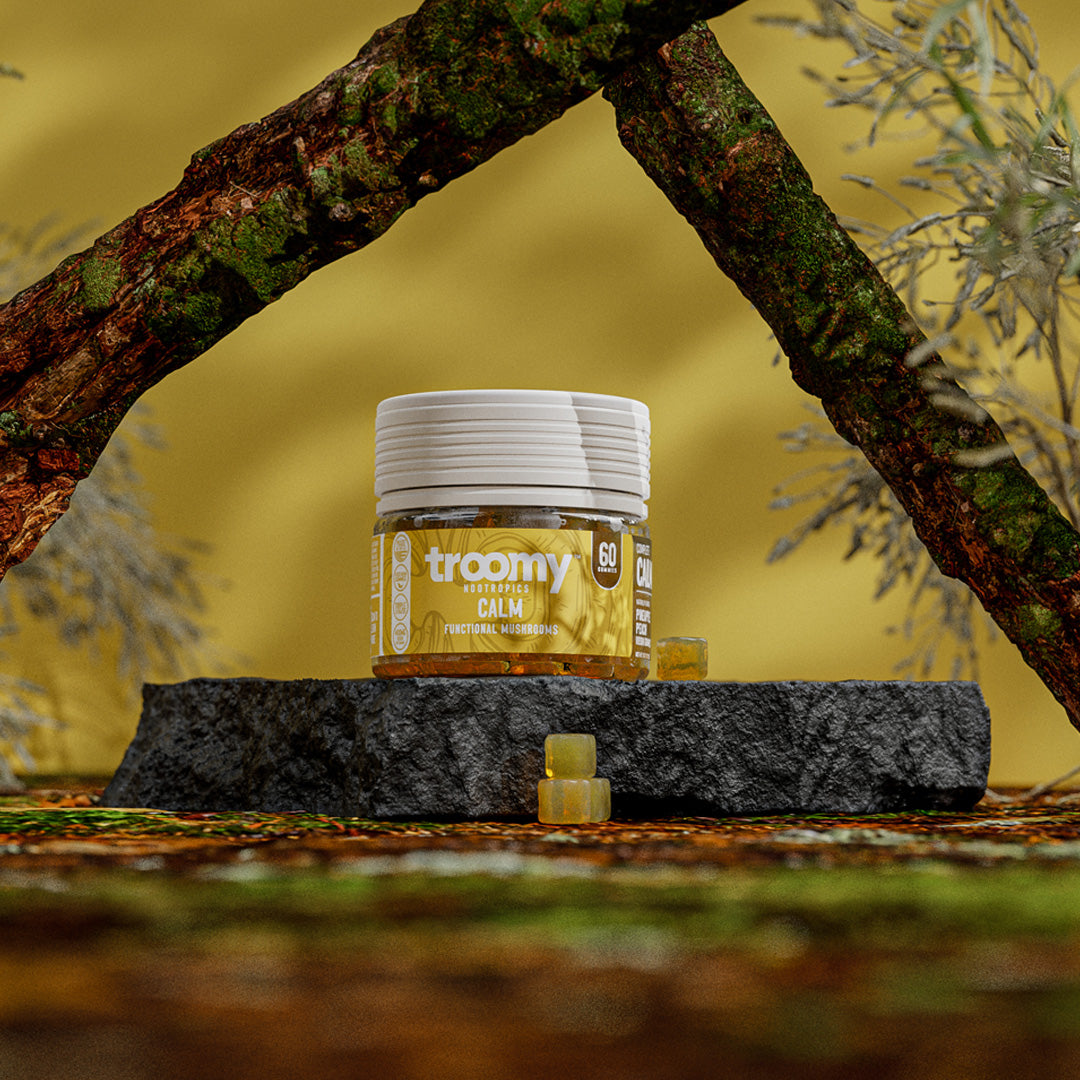
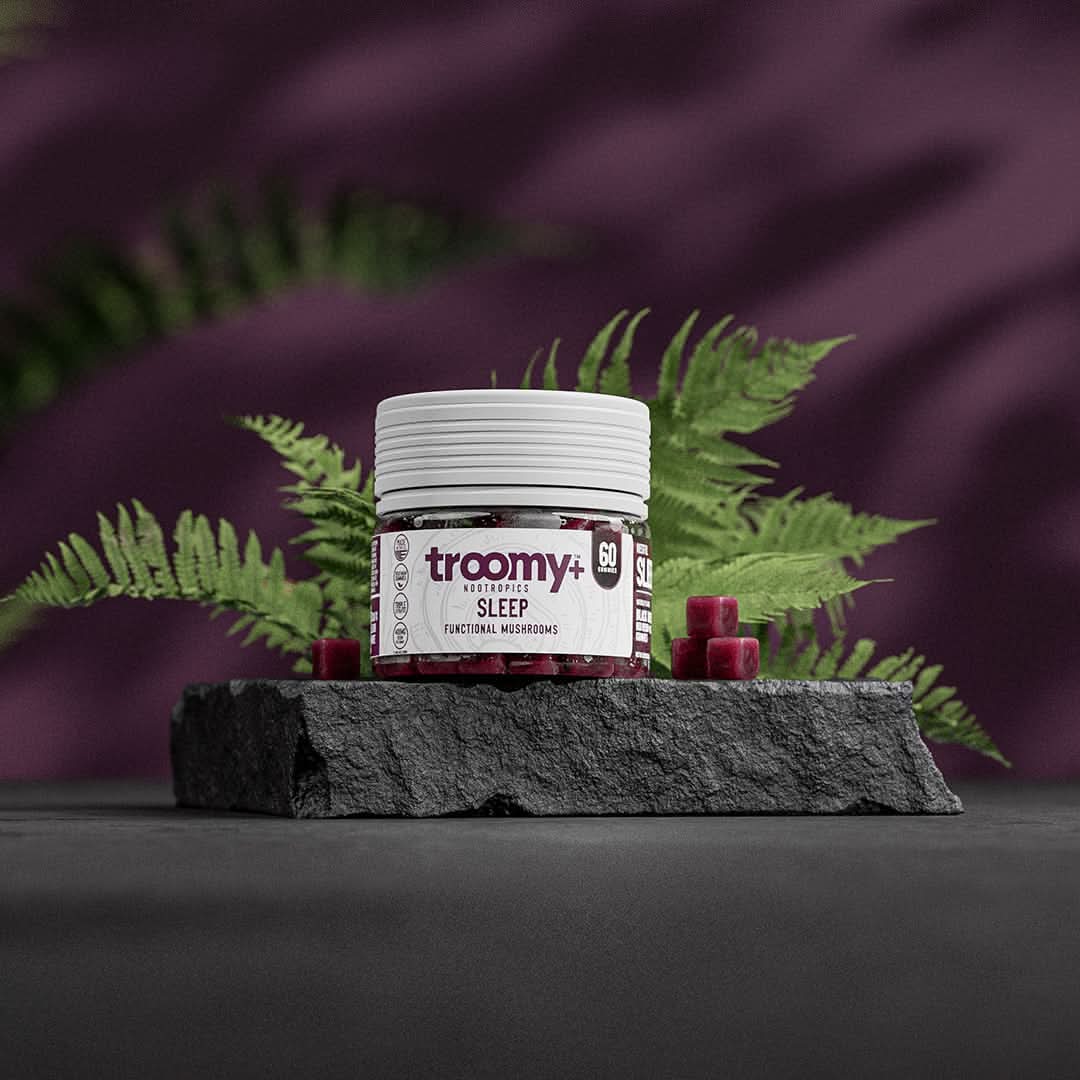
On a wearable, this is where you watch overnight HRV, deep sleep duration, sleep onset, and morning readiness. None of these will jump in one night, but a quiet upward drift over a few weeks is the pattern people notice when something like Calm reishi gummies or Sleep reishi and melatonin gummies are doing their job. We dug into that pairing in more depth in Why Sleep Gummies Are the Easiest Way to Fall Asleep Faster.
Cordyceps and Performance Tracking
Cordyceps is the performance mushroom. It is associated with energy, stamina, and aerobic capacity. A randomized, double-blind, placebo-controlled study published in the Journal of Dietary Supplements found that three weeks of supplementation with a Cordyceps militaris-containing mushroom blend significantly improved VO2 max and time to exhaustion compared to placebo, with measurable gains in aerobic capacity.
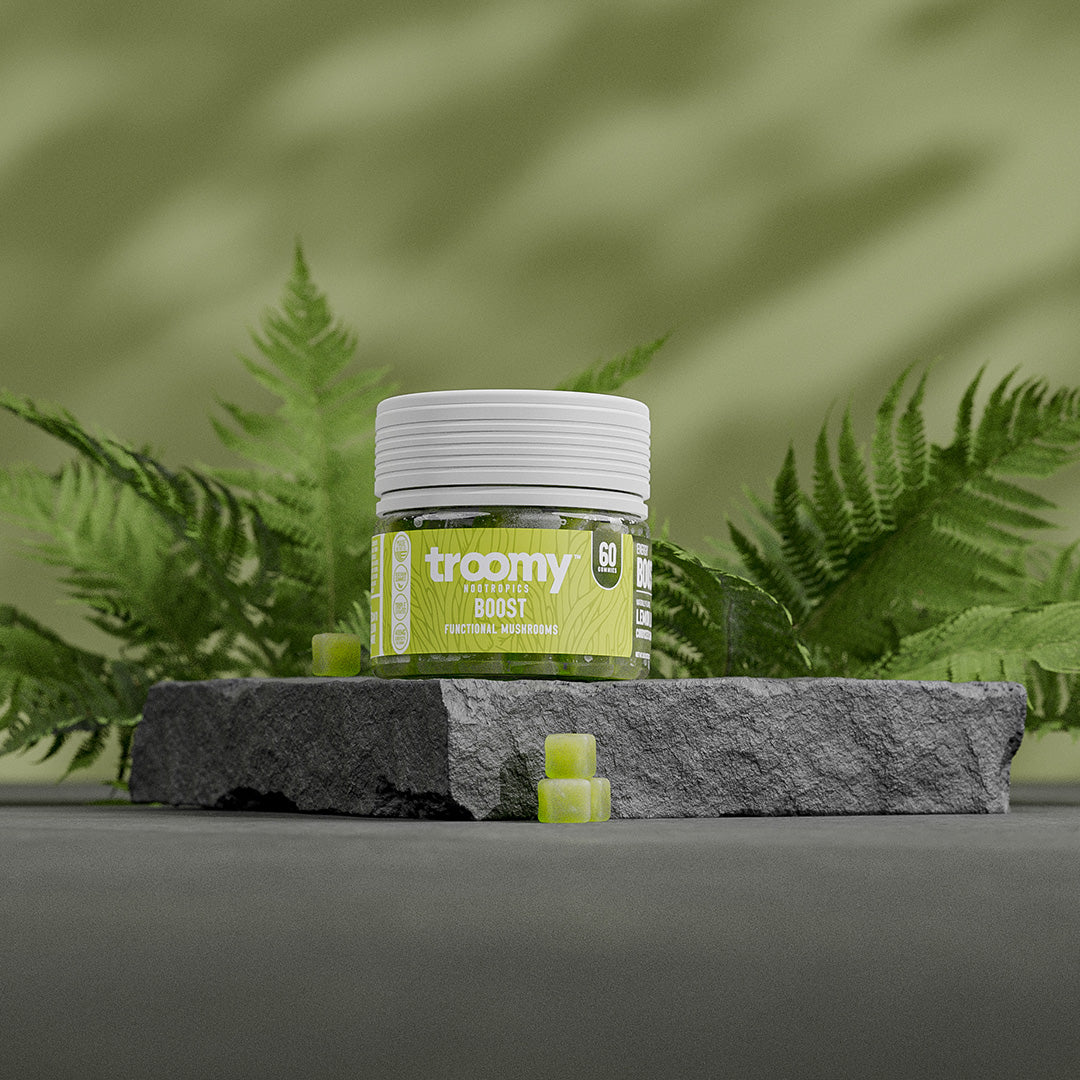
If your wearable estimates VO2 max (most Garmin, Apple, and Whoop devices do), that is a metric to watch over a 6 to 12 week window. You are also watching for faster post-workout HRV recovery, lower workout heart rate at the same effort, and steadier energy logs throughout the day. Boost cordyceps gummies and the broader energy collection are where this routine usually starts.
Ashwagandha and Stress Tracking
Ashwagandha is technically a root, not a mushroom, but it is one of the most widely studied adaptogens in the wellness space, and it is the cornerstone of Recovery ashwagandha and reishi gummies. A 2024 systematic review and meta-analysis of 15 randomized controlled trials with 873 participants found ashwagandha supplementation was associated with reductions in cortisol, stress, and anxiety scores compared with placebo.
On a wearable, this shows up as a reduction in average resting heart rate, fewer stress spikes during the workday, and improvements in HRV. Multiple clinical studies have specifically reported HRV improvements with ashwagandha supplementation, which is one of the more direct biomarker overlaps between a supplement and a wearable signal.
Tremella, Biotin, and Collagen for Beauty Tracking
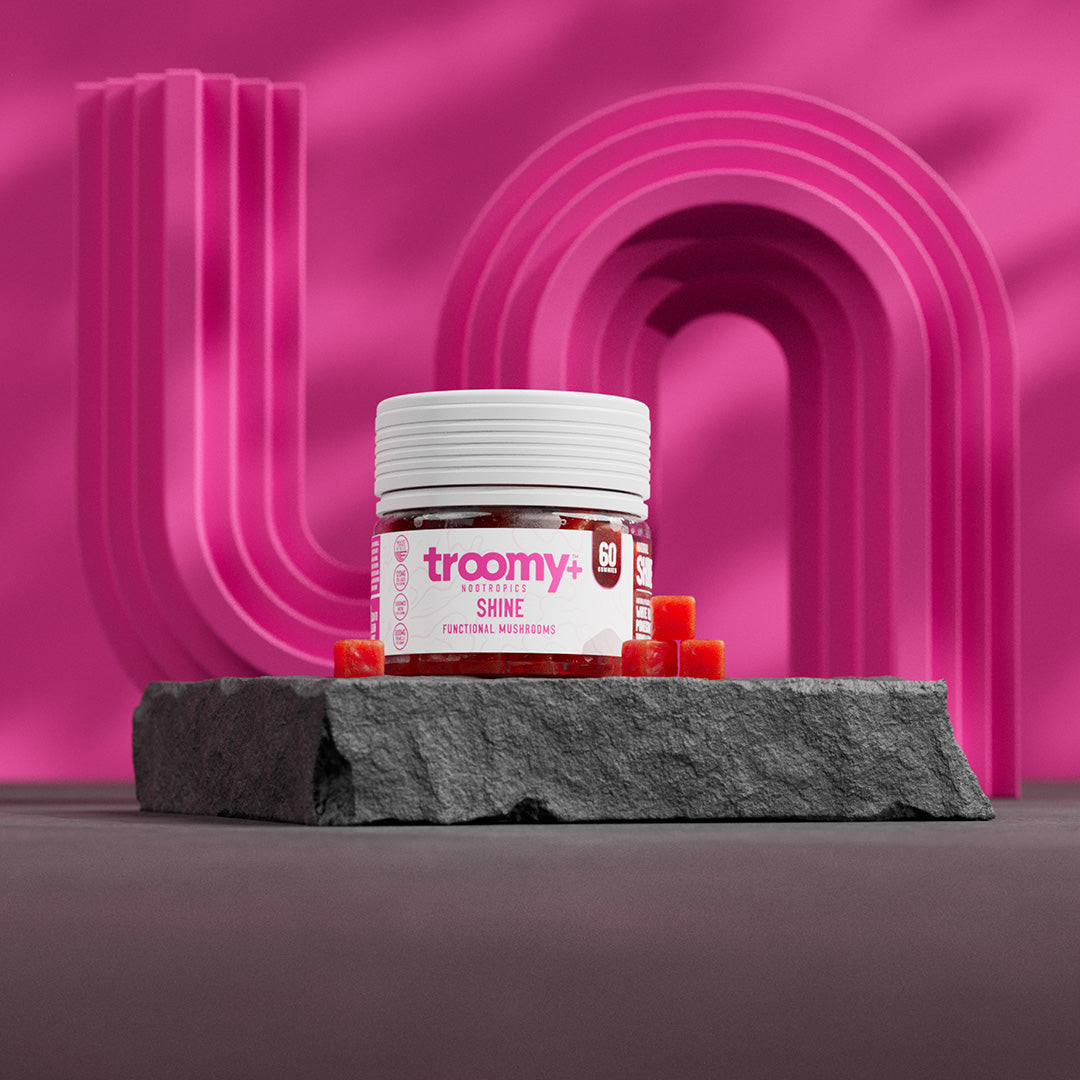
Beauty supplements are the slowest to show up anywhere, including on a wearable. Tremella, biotin, and collagen are the trio in Shine tremella, biotin, and collagen gummies, and the typical timeline is 6 to 12 weeks of consistent daily use to start noticing changes in skin hydration, hair, and nails. Wearables do not measure this directly, so this is a category where photo journaling and your own mirror beat your data dashboard.

How Do You Read Wearable Data Without Fooling Yourself?
Three traps catch almost everyone the first time they try this.
Confusing Day-to-Day Noise with a Real Trend
HRV can swing 20% in a single night because of a late dinner, an extra glass of wine, a poor sleep position, or a stressful work email at 11pm. One number is not a signal. A 14 or 28-day rolling average is. Look at trend lines, not point-in-time readings.
Forgetting About Confounders
If you started a new mushroom routine the same week you also cut caffeine after 2pm, finally bought blackout curtains, and downloaded a meditation app, your improved sleep is not coming from the mushrooms alone. Be honest about what else changed. Hold as many variables steady as you can during your tracking window.
Over-Indexing on the Wrong Metric
Lion's mane is not going to drop your resting heart rate. Cordyceps is not going to overhaul your deep sleep. Match the supplement to the metrics it should plausibly influence based on what that ingredient is known for, and ignore the rest. The full picture is what matters: subjective feel plus matched objective data.
A Simple 30-Day Protocol for Tracking Your Mushroom Routine
If you want a copy-paste version of all of this, here is a clean structure to follow. It works whether you wear an Apple Watch, an Oura Ring, a Whoop, a Garmin, or a Fitbit.
Spend the first week pulling 14 to 21 days of historical baseline data from your wearable's app. Write down your averages for HRV, resting heart rate, total sleep, deep sleep, and your typical readiness score. Note how often you flag yourself as stressed or tired.
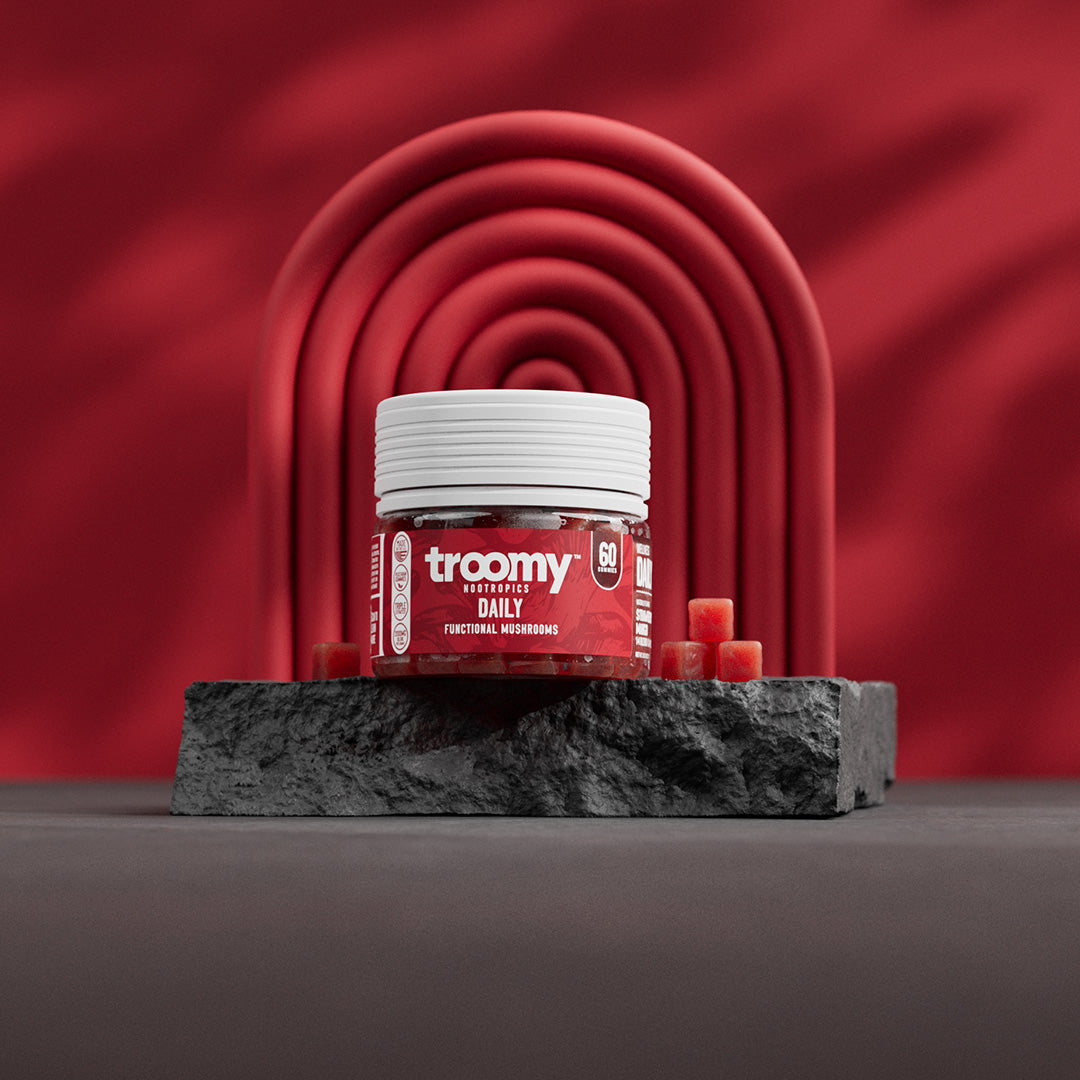
Pick one Troomy product, one goal, and two or three matched metrics. As an example, Daily 14 mushroom blend gummies paired with HRV, RHR, and overall readiness as your watched metrics. Or Sleep reishi and melatonin gummies paired with sleep onset, deep sleep, and overnight HRV. If you are not sure which product fits your goal, the brain health collection, bedtime collection, mood collection, and immunity collection are organized by goal to make that easier.
Take the supplement consistently at the same time each day, every day, for 30 days. Do not start anything else new in this window if you can help it. Log a one-line subjective note daily: how focused, calm, rested, or energetic you felt. At day 30, pull the same metrics from your wearable and compare them to your baseline.
If you want to layer multiple goals (sleep at night, focus during the day, recovery after workouts), the bundles collection puts together combinations that are designed to work alongside each other without stepping on the same metric.
What Do Realistic Results Look Like After 30 to 60 Days?
Honest expectations are part of any wellness routine. A few percentage points of improvement on a wearable metric is real, useful, and consistent with what published research suggests adaptogenic and functional ingredients tend to produce. You are not chasing a 50% jump in HRV or a doubling of deep sleep. You are looking for steady, modest, directionally positive movement that lines up with how you feel.
In practice, that often looks like a 3 to 8% increase in average HRV, a 2 to 4 bpm drop in resting heart rate, faster sleep onset, slightly more deep sleep, and a noticeable bump in subjective focus, calm, or energy depending on the product. Not every person responds the same way, and the data is not the only thing that matters. How you feel, how you show up at work, and how you handle a stressful week are equally valid signals.
This is also why Troomy uses triple-extracted, full-spectrum mushrooms, made in the USA with vegetarian, real-fruit-flavored gummies. The format and the formulation matter when the goal is consistent daily use over 30 to 60 days, because consistency is what actually moves the numbers.

The Bottom Line on Wearables and Mushroom Supplements
Wearables are not a shortcut to deciding whether a supplement is working, and they are not a magic answer machine. What they are is a much better baseline than memory and gut feel. If you set up a clean tracking window, match the right metrics to the right mushrooms, hold other variables as steady as you can, and give the routine 30 to 60 days, you will end up with an honest read on whether your routine is doing what you hoped.
That is the whole reason Troomy exists: making functional mushrooms easy enough to take every day that consistency is not the bottleneck. Triple-extracted, full-spectrum, vegetarian-friendly, made in the USA, and actually delicious. Pair that with the wearable already on your wrist or your finger, and you have a real, repeatable way to find your True Me.
Frequently Asked Questions
How long before mushroom supplements show up on my wearable data?
Most functional mushroom routines need at least 28 to 60 days of consistent daily use before reliable trends appear in wearable data like HRV, deep sleep, or resting heart rate. Same-day mushrooms like cordyceps, lion's mane, and reishi can produce subjective effects within 30 to 60 minutes, but objective metrics on your watch or ring smooth out across weeks, not days. Plan for a 30 to 60 day tracking window before drawing real conclusions.
Which wearable is best for tracking nootropic mushroom effects?
Any wearable that tracks HRV, sleep stages, and resting heart rate will work, including Apple Watch, Oura Ring, Whoop, Garmin, and Fitbit. Oura and Whoop are particularly known for sleep and recovery metrics, while Garmin tends to be strong on training metrics like VO2 max. The most important thing is not the brand, it is using the same wearable consistently throughout your tracking window so the data stays comparable.
Can lion's mane affect my HRV or resting heart rate?
Lion's mane is best known for cognitive support, not autonomic regulation, so it would not be expected to have a strong direct effect on HRV or resting heart rate. The most relevant signals for lion's mane are subjective focus, sustained attention during deep work, and any indirect drop in stress flags during your workday. For HRV-focused goals, reishi and ashwagandha are more appropriate ingredients to track.
Do mushroom gummies really show results in wearable sleep data?
Reishi is the most likely functional mushroom to show up in sleep tracking data over time. Published research, including a 2021 study in Scientific Reports, suggests reishi supports sleep through gut-microbiota and serotonin pathways rather than acting as a sedative, which fits the gradual improvements people tend to see in deep sleep, sleep onset, and overnight HRV across a few weeks. Single-night changes are usually noise. Multi-week trends are the real signal.
What is HRV and why does it matter for mushroom supplements?
Heart rate variability is the variation in time between consecutive heartbeats and is widely used as a biomarker of nervous system balance and recovery. Higher HRV generally indicates a more recovered, balanced state, while lower HRV often shows up during stress, illness, or under-recovery. For functional mushroom routines focused on stress, sleep, or recovery (especially reishi and ashwagandha), HRV is one of the most direct wearable signals to watch over a 28 to 60 day window.
Should I track multiple mushroom products at once?
Stacking multiple new supplements at the same time makes it nearly impossible to tell which one is influencing which metric. The cleanest approach is to introduce one new product at a time, give it a 30-day tracking window with matched metrics, and then add or rotate from there. If you want a multi-product routine, the Troomy bundles collection groups products that target different parts of the day so they do not compete for the same metric.
Can wearable data prove a supplement is working?
Wearable data cannot prove causation on its own, but a consistent, multi-week trend in matched metrics combined with how you feel is a much stronger signal than guessing. The best framework is to combine objective wearable trends (HRV, sleep stages, resting heart rate, readiness) with subjective notes (focus, calm, energy) across a 30 to 60 day window. Together, those two streams give you a much more honest read than either one alone.


