



If you are new to the functional mushroom space, one of the first questions that naturally comes up is: are these the same as the mushrooms that make you trip? The answer is a clear no, and understanding why goes a lot deeper than just different effects. Functional mushrooms and psychedelic mushrooms belong to different biological families, contain entirely different active compounds, produce entirely different effects on the body and mind, and sit in completely different positions under the law. Getting clear on this distinction is one of the most useful things you can do before adding functional mushrooms to your daily routine, and it is also one of the most common barriers that keeps people from trying something that could genuinely support their health.
What Makes a Mushroom "Functional"?
The word mushroom covers thousands of fungal species, and the label alone tells you almost nothing about what a specific mushroom does inside your body. Functional mushrooms are a category of fungi valued and studied for their health-supporting properties. The species most commonly used in supplements come from genera including Hericium (lion's mane), Ganoderma (reishi), Cordyceps, Inonotus (chaga), Trametes (turkey tail), and Tremella. Each of these species contains specific bioactive compounds that have been associated with meaningful wellness benefits.
Lion's mane, for example, contains hericenones and erinacines, compounds studied for their potential to support cognitive function and nerve health. Reishi is rich in triterpenes and beta-glucans associated with stress resilience and immune support. Cordyceps contains cordycepin, a compound studied for its role in supporting cellular energy production and oxygen utilization. These are not vague mechanisms. They are the subject of ongoing research, and the traditional use of these mushrooms in Eastern medicine spans centuries. You can get a thorough grounding in the full category through Troomy's introduction to functional mushrooms.
What functional mushrooms share is that their value comes from supporting everyday wellness, consistently and safely, not from altering your state of mind. That is a meaningful distinction, and it is what separates them from every other category of mushroom that tends to come up in conversation.
What Makes a Mushroom Psychedelic?
Psychedelic mushrooms, commonly called magic mushrooms or shrooms, are a different category entirely. The species most associated with psychedelic effects are primarily from the genus Psilocybe. What defines them is the presence of psilocybin and its active metabolite psilocin, compounds that bind to serotonin receptors and produce profound alterations in perception, thought, and consciousness. These effects are potent, unpredictable, and entirely dependent on the presence of psilocybin in the mushroom.
Psilocybin is classified as a Schedule I controlled substance under the Controlled Substances Act in the United States. Possession, distribution, and use of psilocybin-containing mushrooms remain federally illegal, though a small number of cities and states have moved toward decriminalization or research exceptions in recent years. That evolving legal landscape has no bearing whatsoever on functional mushrooms, which are not controlled substances and have never been.
Do Functional Mushrooms Contain Psilocybin?
No. This point deserves to be stated plainly and without qualification. Lion's mane, reishi, cordyceps, chaga, turkey tail, tremella, and all other functional mushrooms used in dietary supplements do not contain psilocybin, psilocin, or any psychoactive compound. They are biologically and chemically incapable of producing hallucinogenic effects. No dose of lion's mane extract will produce a psychedelic experience because the compound responsible for that experience is simply not present in lion's mane. The same is true for every Troomy product, including all gummies and capsules.
This is not a matter of dosage, preparation method, or concentration. Functional mushrooms and psychedelic mushrooms come from fundamentally different species with fundamentally different chemistry. One does not become the other at a higher dose. If you have been holding back from trying lion's mane for cognitive support or cordyceps for natural energy because of concerns about psychedelic effects, those concerns do not apply here.
Why Are People Confused About This?
The confusion between functional and psychedelic mushrooms is understandable, and it comes from a few directions at once. The functional mushroom category has grown enormously over the past five years. Many people encountering it for the first time have only one existing frame of reference for "special" mushrooms, which comes from cultural exposure to psychedelic mushrooms. Add to that the fact that both categories are discussed in wellness and health circles, and it is easy to see how the lines blur for someone who is new to both.
Cordyceps in particular generates more questions in this area than most other species, largely because of its association with the HBO series The Last of Us, in which a fictional cordyceps-like fungus mutates into a brain-controlling pathogen. It is compelling television, but it has absolutely no bearing on the properties of real cordyceps supplements. Real cordyceps does not control brains. It is a safe, well-studied adaptogen researched for its role in supporting energy, endurance, and oxygen utilization at the cellular level. If you want to get into the actual science behind the species, this guide on cordyceps safety and benefits is a good place to start.
There is also a broader pattern worth naming. Anything perceived as alternative or outside mainstream supplement culture tends to get lumped together, and functional mushrooms have not been immune to that. The distinction between functional and psychedelic is not subtle once you understand the biology, but most people have not had a reason to look into it before they encounter a lion's mane gummy for the first time. That is a perfectly reasonable starting point, and the answer to the question is always the same: these are wellness supplements with no psychoactive properties whatsoever.
How Are Functional Mushrooms Regulated?
In the United States, functional mushrooms are legal dietary supplements regulated by the FDA under the Dietary Supplement Health and Education Act of 1994. They are sold in health food stores, pharmacies, grocery stores, and online without a prescription. The regulatory category places them alongside vitamins and other common supplements, not alongside controlled substances, because that is exactly what they are.
They do not appear on standard drug tests for controlled substances. They do not impair driving or any activity requiring concentration. They have a centuries-long history of safe use in traditional medicine across Asia, and modern safety research supports that track record. Lion's mane, reishi, cordyceps, chaga, turkey tail, and tremella are all recognized as safe for use in dietary supplements, and none of them require a prescription or special authorization to purchase.
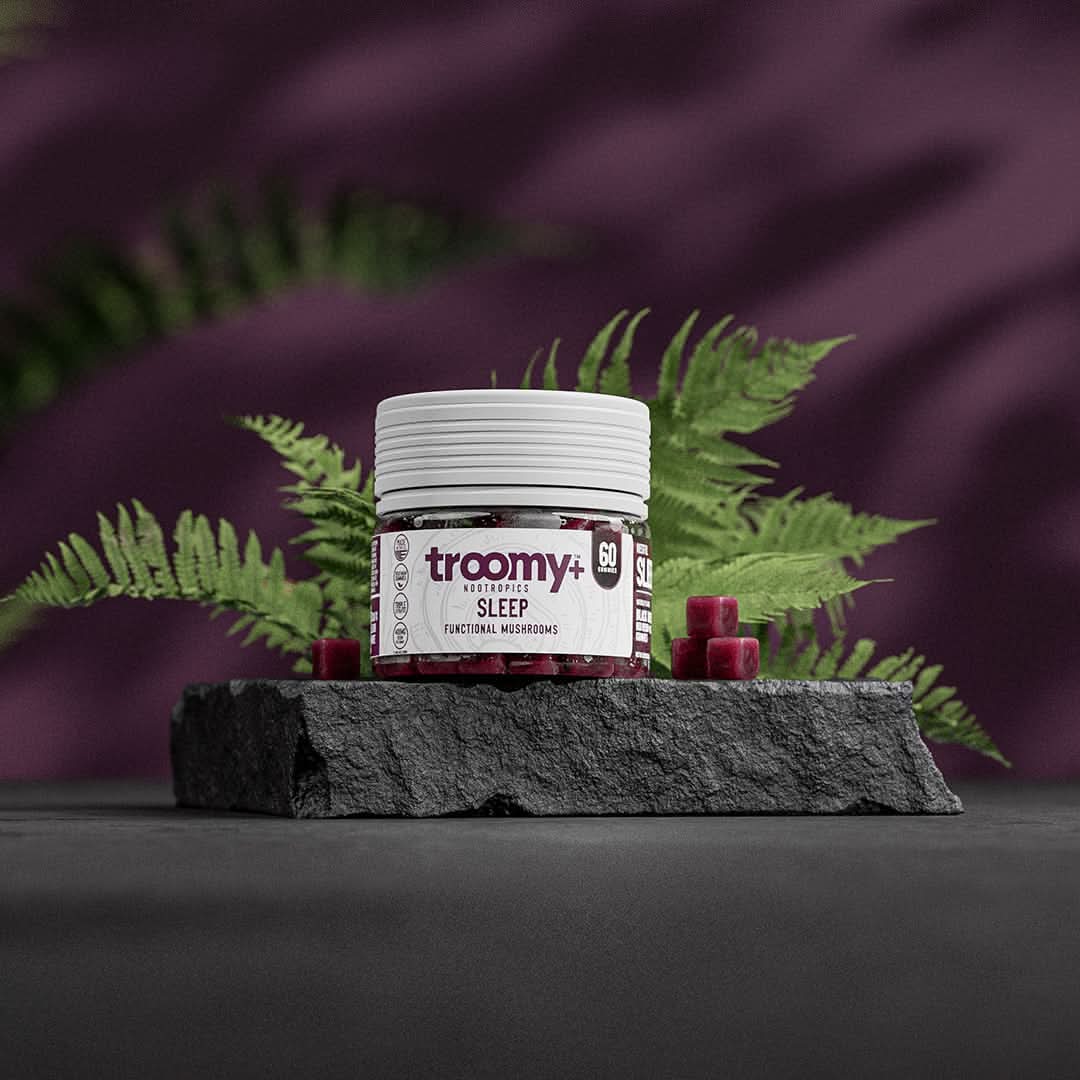
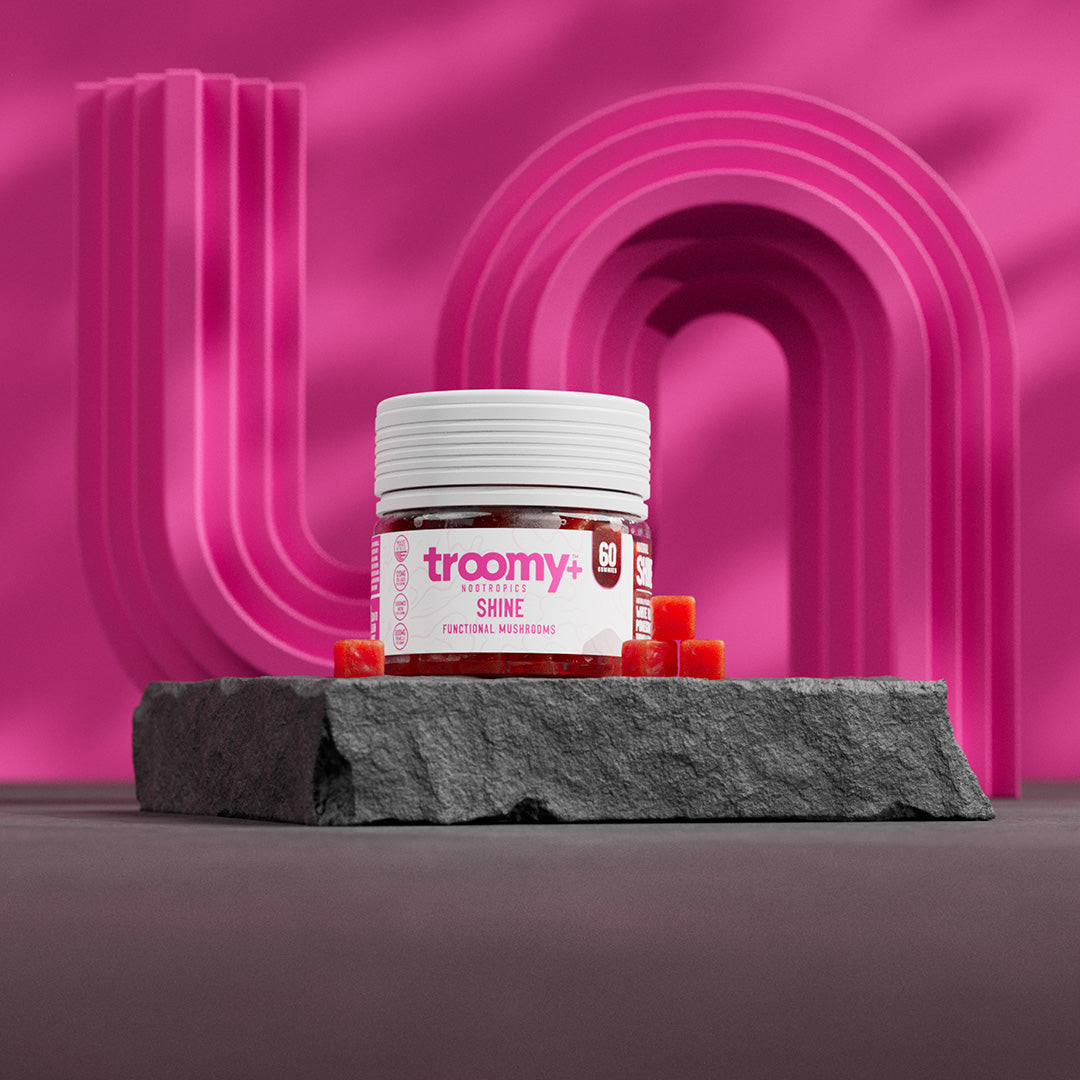
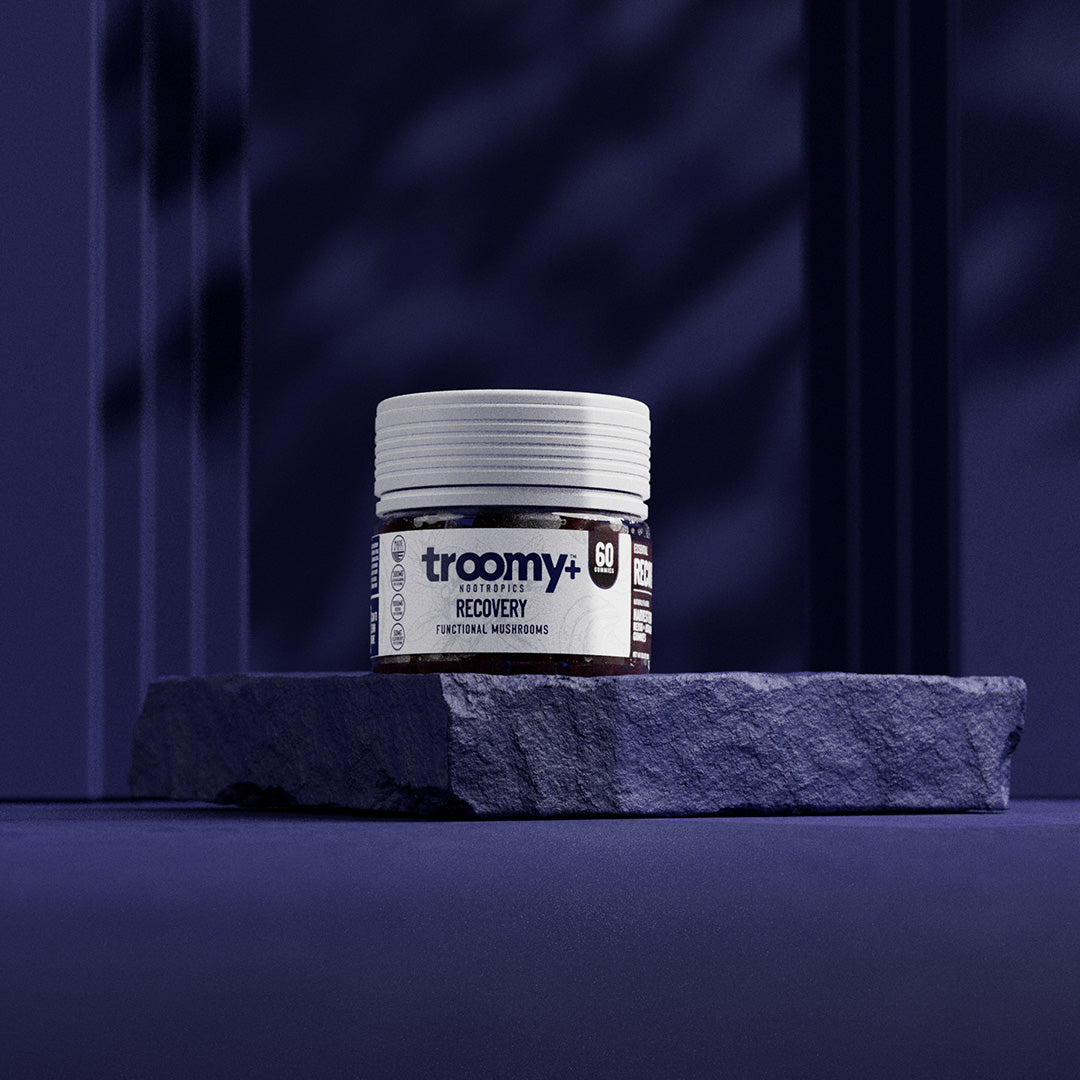
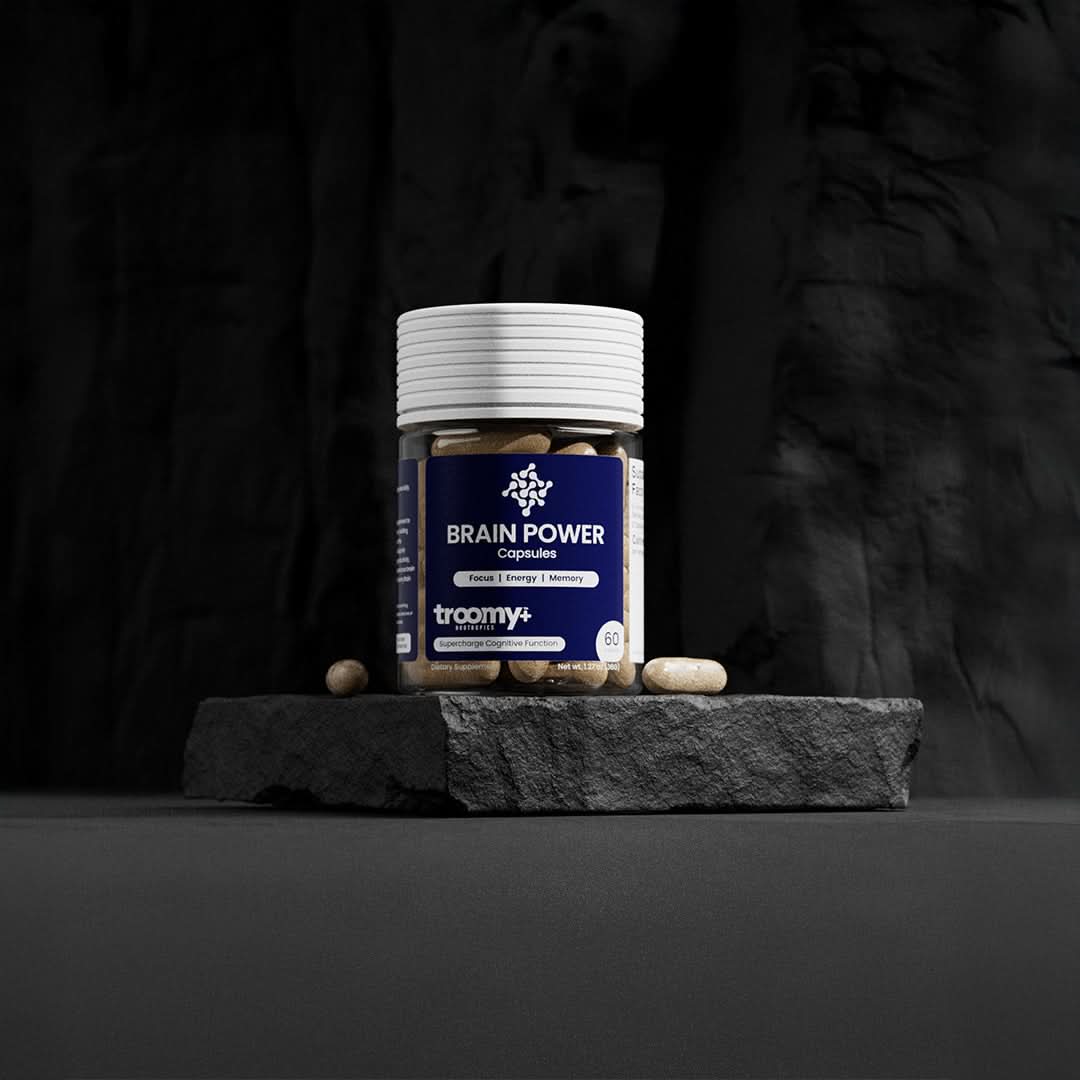
Every product in Troomy's lineup is made in the USA in GMP-certified facilities, third-party tested for purity and potency, triple-extracted for maximum bioavailability of active compounds, vegetarian, and available in natural flavors that make daily supplementation something you will actually look forward to. There are no controlled substances, no psychoactive compounds, and no shortcuts in how they are made. If you want to understand what triple extraction means and why it matters for how much benefit you actually get from a supplement, this guide on triple-extraction mushroom supplements breaks it down clearly.
A Side-by-Side Look at the Two Categories
Functional mushrooms come from genera including Hericium, Ganoderma, Cordyceps, Inonotus, Trametes, and Tremella. Their active compounds include beta-glucans, triterpenes, hericenones, erinacines, and cordycepin. The effects associated with these compounds include immune support, cognitive performance, natural energy, sleep quality, and stress resilience. They are legal dietary supplements in the United States and will not show up on standard drug tests.
Psychedelic mushrooms are primarily from the genus Psilocybe. Their defining active compounds are psilocybin and psilocin. Their effects involve profound alteration of perception, thought, and consciousness. They are Schedule I controlled substances under federal law in the United States.
The overlap between these two categories begins and ends with both being fungi. Beyond that, the biology, the chemistry, the effects, and the legal standing are entirely separate. If you want a deeper comparison, Troomy has also published a full breakdown of psychedelic mushrooms vs functional mushrooms that covers the topic in additional depth.
Where to Start With Functional Mushrooms
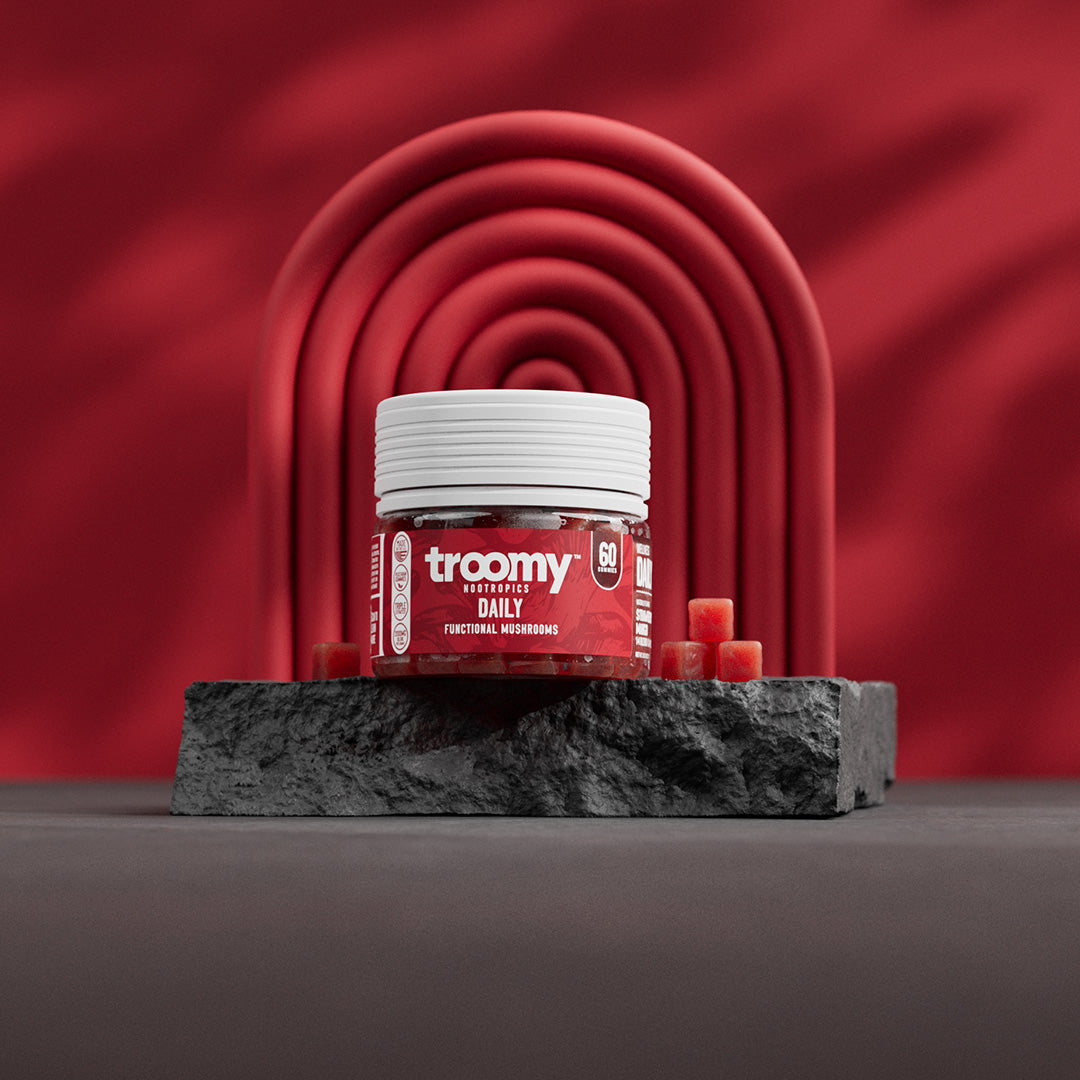
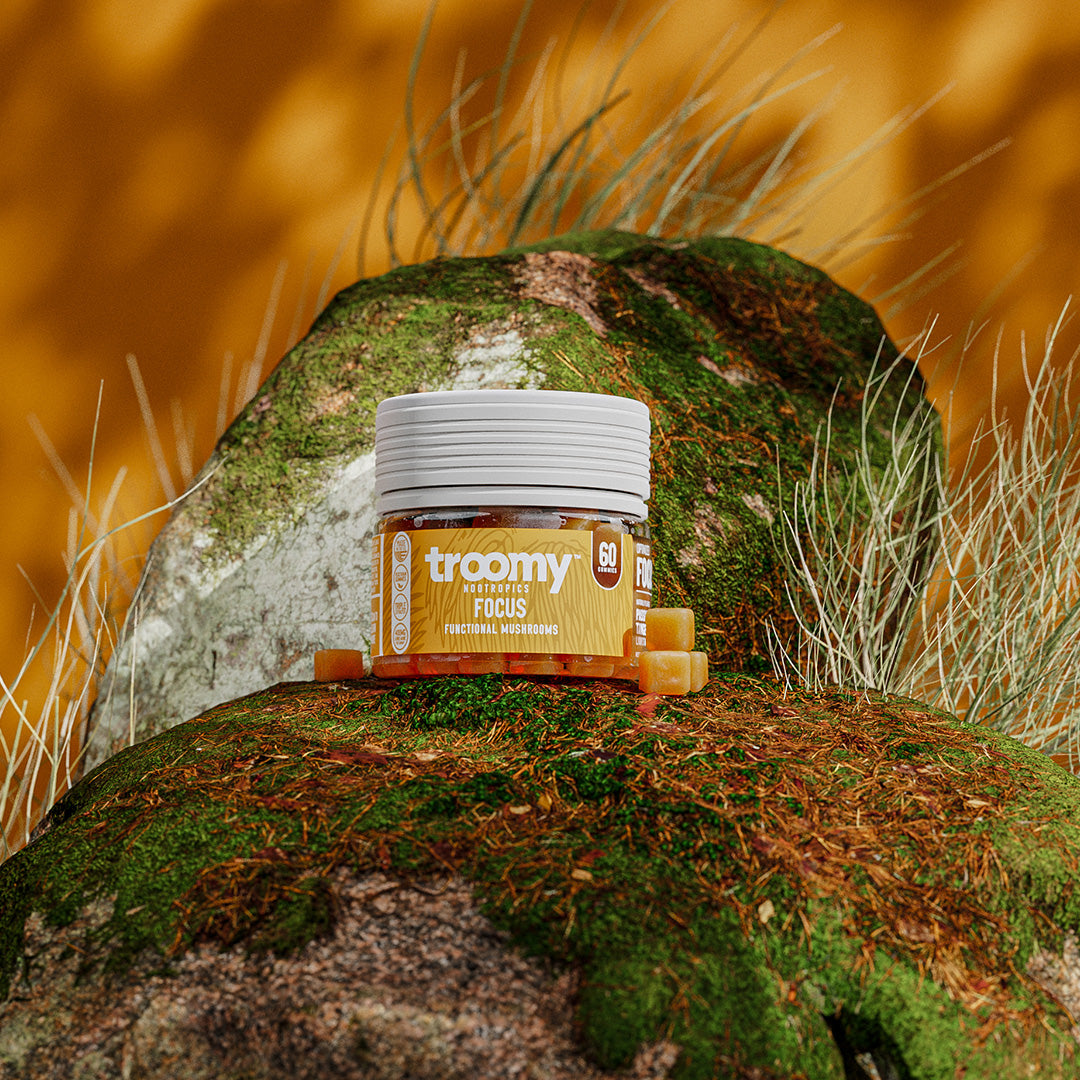
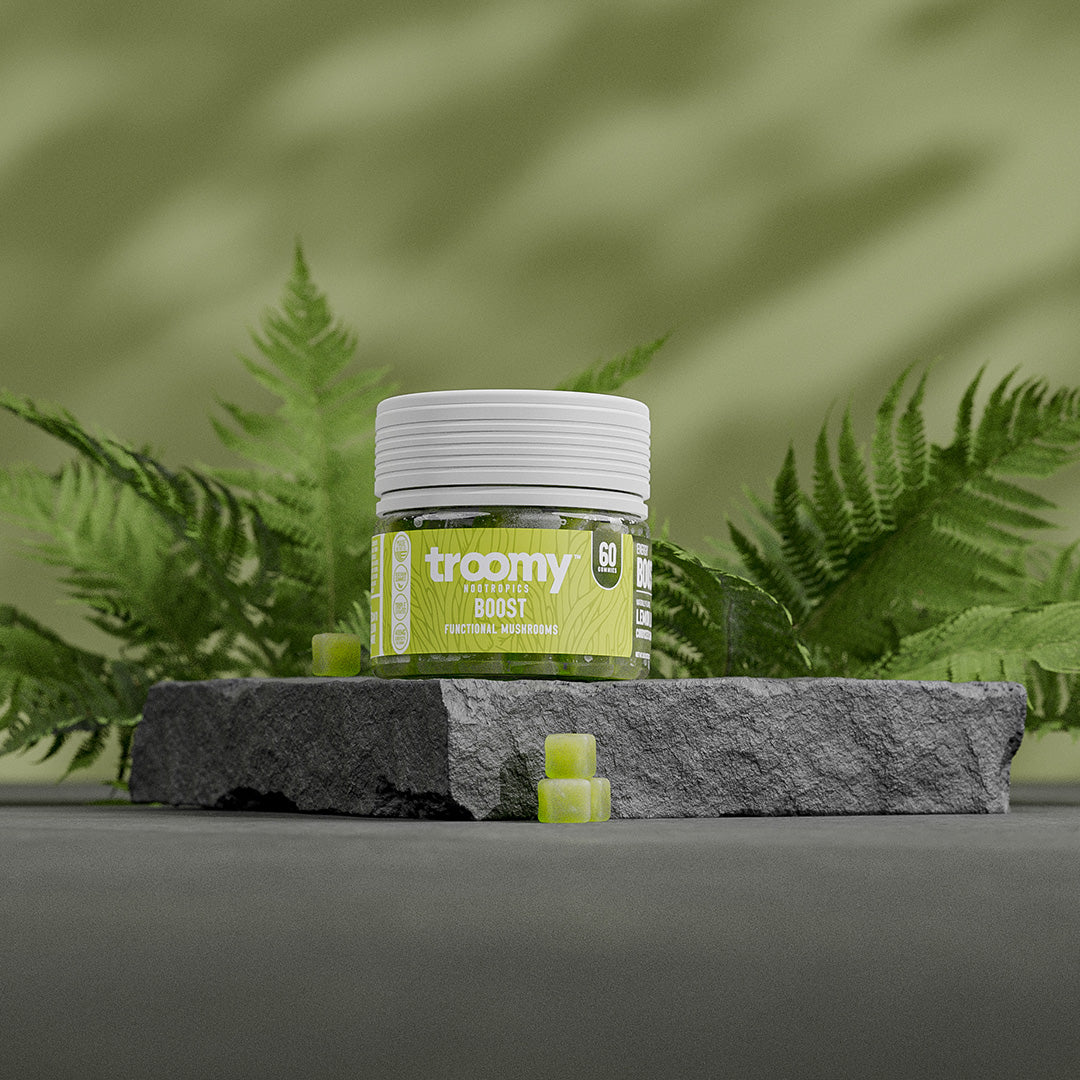
If you are ready to see what functional mushrooms can actually do, Troomy makes it easy to find the right starting point. The Focus Lion's Mane Gummies are a clear example of what a legal, non-psychedelic functional mushroom supplement looks like in practice: a daily gummy with no controlled substances, no psychoactive compounds, and a well-studied species at the center of it. For anyone specifically curious about cordyceps after hearing it mentioned alongside psychedelic mushrooms, the Boost Cordyceps Gummies are the most direct way to experience what real cordyceps actually does, which is support energy and endurance, nothing more. And if you want a broader look at what a functional mushroom supplement routine can include, the Daily 14 Mushroom Blend Gummies combine fourteen legal, safe, non-psychedelic species into one daily gummy. Every Troomy product is triple-extracted, vegetarian, made in the USA, and third-party tested. No psychoactive compounds. No controlled substances. No fine print to worry about.
Frequently Asked Questions
Are functional mushrooms psychedelic?
No. Functional mushrooms including lion's mane, reishi, cordyceps, chaga, turkey tail, and tremella do not contain psilocybin or any psychoactive compound. They cannot produce hallucinogenic effects regardless of dose or preparation method. They are legal dietary supplements in the United States with no psychoactive properties whatsoever.
Are mushroom supplements legal?
Yes. Functional mushroom supplements are legal dietary supplements regulated by the FDA under the Dietary Supplement Health and Education Act of 1994. They can be purchased without a prescription and are sold in health food stores, pharmacies, and online in the same regulatory category as vitamins and other dietary supplements.
Will mushroom gummies show up on a drug test?
Functional mushroom gummies will not appear on standard drug tests for controlled substances. They contain no psilocybin, psilocin, THC, or other controlled substances. Troomy products are third-party tested and contain none of these compounds.
Are cordyceps psychedelic?
No. Cordyceps is a functional mushroom that supports cellular energy production and athletic endurance. It does not contain psilocybin or any psychoactive compound. The portrayal of a cordyceps-like fungus in The Last of Us is a fictional premise and is not based on the actual properties or behavior of real cordyceps supplements.
What is the difference between functional mushrooms and magic mushrooms?
Functional mushrooms such as lion's mane, reishi, and cordyceps come from entirely different genera and contain no psilocybin. Magic mushrooms, primarily from the genus Psilocybe, contain psilocybin and psilocin, which are Schedule I controlled substances under federal law in the United States. The similarity between the two categories begins and ends with both being fungi.
What are functional mushrooms used for?
Functional mushrooms are used as dietary supplements for cognitive support, immune health, natural energy, sleep quality, and stress resilience. Different species are associated with different primary benefits. Lion's mane is studied for cognition and nerve health, reishi for stress and sleep, cordyceps for energy and endurance, chaga and turkey tail for immunity, and tremella for skin hydration and beauty support.
These statements have not been evaluated by the Food and Drug Administration. This product is not intended to diagnose, treat, cure, or prevent any disease.


