




You know the feeling. You are sitting at your desk, you need to focus, and your brain just will not cooperate. Everything feels slightly underwater. You are not tired enough to sleep but you are not sharp enough to work. That is brain fog, and here is what is actually causing it and what helps.
Brain fog rarely has just one cause, which is exactly why quick fixes tend to stop working after a while. This guide walks through what is actually happening when the fog rolls in, the most common reasons it shows up, and the natural remedies for brain fog that actually address those causes, including where functional mushrooms genuinely fit.
What Is Brain Fog, Actually?
Brain fog is not a medical diagnosis on its own. It is a description of symptoms, difficulty concentrating, slower thinking, forgetfulness, and a general sense of mental cloudiness, that can stem from a number of different underlying causes. It is also not the same as being tired, though the two often overlap. You can be well rested and still foggy, or exhausted and still relatively sharp. That distinction matters because it changes what actually helps.
Brain fog is also different from a diagnosable cognitive condition. Occasional fogginess after a bad night of sleep or a stressful week is a normal response to normal stressors. If the fog is constant, severe, or paired with other symptoms like memory loss that interferes with daily life, that is worth a conversation with a doctor rather than a supplement. For most people, though, brain fog is a signal that something in daily habits, sleep, stress, blood sugar, or nutrition, needs attention. Treating it as a signal rather than a nuisance to push through is the first step toward actually fixing it.
What Causes Brain Fog?
Most brain fog traces back to one of five overlapping causes. Rarely is it just one in isolation. Understanding which one (or combination) applies to you is what makes the difference between a fix that actually works and another round of trial and error.
Poor Sleep Quality, Not Just Poor Sleep Quantity
Poor sleep quality, not just poor sleep quantity, is one of the most common culprits. You can sleep eight hours and still wake up foggy if that sleep was fragmented or low in deep, restorative stages. Alcohol, late screen time, and irregular sleep and wake times all reduce the amount of deep and REM sleep you get, even when your total hours look fine on paper. This is why two people can log the same number of hours in bed and wake up in completely different mental states.
Chronic Stress and Cortisol
Chronic stress is another major driver. Sustained high cortisol levels affect how efficiently the brain processes information, which is why a genuinely stressful period at work or home so often comes with a parallel decline in mental sharpness. Unlike acute stress, which can sharpen focus in short bursts, chronic stress keeps the nervous system in a low-grade alert state that makes sustained concentration harder to access.
Blood Sugar Fluctuations
Blood sugar fluctuations, particularly the crash that follows a high-sugar or high-refined-carb meal, create short but noticeable dips in focus and clarity. The brain relies on a steady glucose supply, and the sharp rise and fall that follows a sugary breakfast or a skipped meal shows up almost immediately as difficulty concentrating, irritability, and that heavy, unfocused feeling in the early afternoon.
Low-Grade Inflammation
Low-grade inflammation, whether from diet, poor gut health, or chronic stress, has been linked in research to reduced cognitive performance over time. This type of inflammation is often silent, meaning there is no obvious symptom pointing directly to it, which is part of why it is such an underrecognized contributor to persistent fog.
Nutrient Gaps
Nutrient gaps, especially in B vitamins, omega-3s, and iron, can produce fog-like symptoms even in people who otherwise eat reasonably well. B12 and iron deficiencies in particular are common, easy to overlook, and easy to confirm with basic bloodwork, which is why they are worth ruling out before assuming the cause is purely lifestyle related.
Why Addressing the Cause Matters More Than Masking the Symptom
It is tempting to reach for more caffeine the moment fog sets in, and in the short term that can help. But caffeine masks the symptom without addressing whatever is actually driving it, which is why the fog tends to come right back once the caffeine wears off, often worse than before. Each cup raises the baseline a little, and before long the fourth coffee of the day is doing the work the first one used to do, without actually resolving anything underneath it.
Getting to the actual cause, whether it is sleep, stress, diet, or something else, tends to produce a more durable improvement than any single stimulant ever will. This does not mean giving up caffeine altogether. It means treating it as a short-term tool rather than the whole strategy, while addressing whatever is driving the fog in the first place.
Natural Approaches by Cause
If you are wondering how to get rid of brain fog for good rather than just for an afternoon, the answer usually comes down to matching the fix to the cause rather than reaching for one generic solution. Because brain fog has several possible root causes, that match matters more than the specific remedy you pick.
For Sleep-Related Fog
Prioritizing consistent sleep and wake times matters more than total hours alone. Going to bed and waking up at roughly the same time every day, including weekends, helps regulate the body's internal clock and improves the proportion of deep, restorative sleep you get even if your total hours stay the same. Reducing screen exposure in the hour before bed and keeping the bedroom cool and dark supports the same goal.
For Stress-Related Fog
Daily stress management, whether that is exercise, breathing practices, or an adaptogen like ashwagandha, addresses the root rather than the symptom. The specific method matters less than the consistency. A short daily practice, even five to ten minutes, tends to do more for cortisol regulation over time than an occasional longer session.
For Blood-Sugar-Related Fog
Prioritizing protein and fiber at meals rather than relying on refined carbohydrates alone helps stabilize energy and focus throughout the day. Starting the day with a meal that includes protein, rather than something sugar-heavy, tends to prevent the mid-morning crash before it starts.
For Nutrient Gaps
A basic bloodwork panel can identify whether B vitamins, iron, or vitamin D are contributing factors worth addressing directly. This is the one cause on this list that is worth ruling out with an actual test rather than guessing, since supplementing blindly can be inefficient or, in the case of iron, unnecessary and best avoided without a confirmed deficiency.
Do Functional Mushrooms Actually Help With Brain Fog?
Functional mushrooms are not a cure-all for brain fog, and it would be dishonest to present them that way. What they can do is support specific underlying pathways once the bigger structural issues, sleep and diet, are reasonably addressed. Where each mushroom fits depends largely on which of the causes above is actually driving your fog, and the research behind each one is at a different stage.
Lion's Mane for General Cognitive Fog
Lion's mane supports nerve growth factor production, which plays a role in the brain's underlying maintenance systems, making it most relevant for general, low-grade cognitive fog that is not clearly tied to one specific cause. A study published in Phytotherapy Research followed adults aged 50 to 80 with mild cognitive impairment who took 3 grams a day of lion's mane for 16 weeks. Their cognitive scores improved steadily over that period, and the effect faded again once they stopped taking it, which is a useful data point for how consistently it needs to be taken to matter. A separate 2023 study in the journal Nutrients found that a single 1.8 gram dose improved reaction time in healthy young adults within about an hour, suggesting lion's mane may have both a faster, short-term effect and a slower, cumulative one. It is one of the more researched natural compounds in the broader nootropics category, and how it compares to other natural and synthetic options is covered in more depth in our complete guide to nootropics.
For a full breakdown of how natural nootropics work and how lion's mane stacks up against the rest of the category, see What Are Nootropics? The Complete Guide to Natural Brain Health Supplements.
Reishi for Stress-Related Fog
Reishi supports a healthier stress response, making it more relevant for fog that shows up specifically during high-stress periods. Because chronic stress and cortisol are such a common driver of fog, an adaptogen that targets the stress response directly can address a piece of the problem that lion's mane alone does not. An eight-week, placebo-controlled study published in the Journal of Medicinal Food gave a standardized reishi polysaccharide extract to 132 people with neurasthenia, a condition marked by persistent fatigue and stress. Those who took reishi showed significantly greater improvement in fatigue and overall wellbeing than the placebo group. That is a meaningfully different kind of evidence than lion's mane's, focused on stress and fatigue rather than memory or reaction time, which is exactly why the two are often used for different presentations of fog.
If stress is the bigger piece of your fog, our guide to reishi mushroom benefits for stress and sleep walks through how reishi works and how to use it.
Cordyceps for Energy-Related Fog
Cordyceps supports cellular energy production, making it more relevant for fog that comes bundled with physical fatigue rather than mental cloudiness alone. Research on cordyceps has centered on ATP production and oxygen utilization, the two processes that determine how efficiently the body converts fuel into usable energy. A 2017 study in the Journal of Dietary Supplements found that healthy adults who took Cordyceps militaris daily for several weeks showed improved exercise tolerance, consistent with the idea that cordyceps supports the underlying energy systems rather than acting as a stimulant. If your fog shows up alongside feeling physically drained, not just mentally slow, cordyceps addresses a different part of the picture than lion's mane or reishi do on their own.
What to Look for in a Natural Brain Fog Supplement
Not all mushroom supplements are built the same way, and the difference shows up in whether you actually feel anything. Whole mushroom powder, which is mostly indigestible fiber, is not the same as an extract standardized for the specific compounds, like erinacines in lion's mane or triterpenes in reishi, that the research above is actually measuring. A triple extraction process, using water, alcohol, and heat, pulls out a broader range of these active compounds than a single-method extract does. Dose also matters more than most labels make obvious. The lion's mane research described above used gram-level daily doses, not the trace amounts sometimes found in proprietary blends. When evaluating any natural brain fog supplement, it is worth checking three things specifically: whether it uses an extract rather than plain powder, whether the dose is disclosed rather than hidden inside a blend, and whether it is third-party tested for purity.
What to Realistically Expect from a Natural Supplement Approach
Natural supplements are not fast fixes. Most people who see real improvement in brain fog with functional mushrooms describe a gradual shift over two to four weeks of consistent daily use, not a dramatic change after the first dose. This is a meaningfully different experience than caffeine, which works within the hour and fades within a few more, and it is worth setting that expectation up front so the lack of an immediate effect does not read as the supplement not working.
Combined with reasonable sleep and stress habits, that gradual, cumulative improvement tends to be more sustainable than anything built around another cup of coffee. The goal is not to replace good sleep, balanced meals, and stress management with a supplement. It is to support those habits once they are reasonably in place, so the improvement compounds instead of relying on one single fix to do all the work.
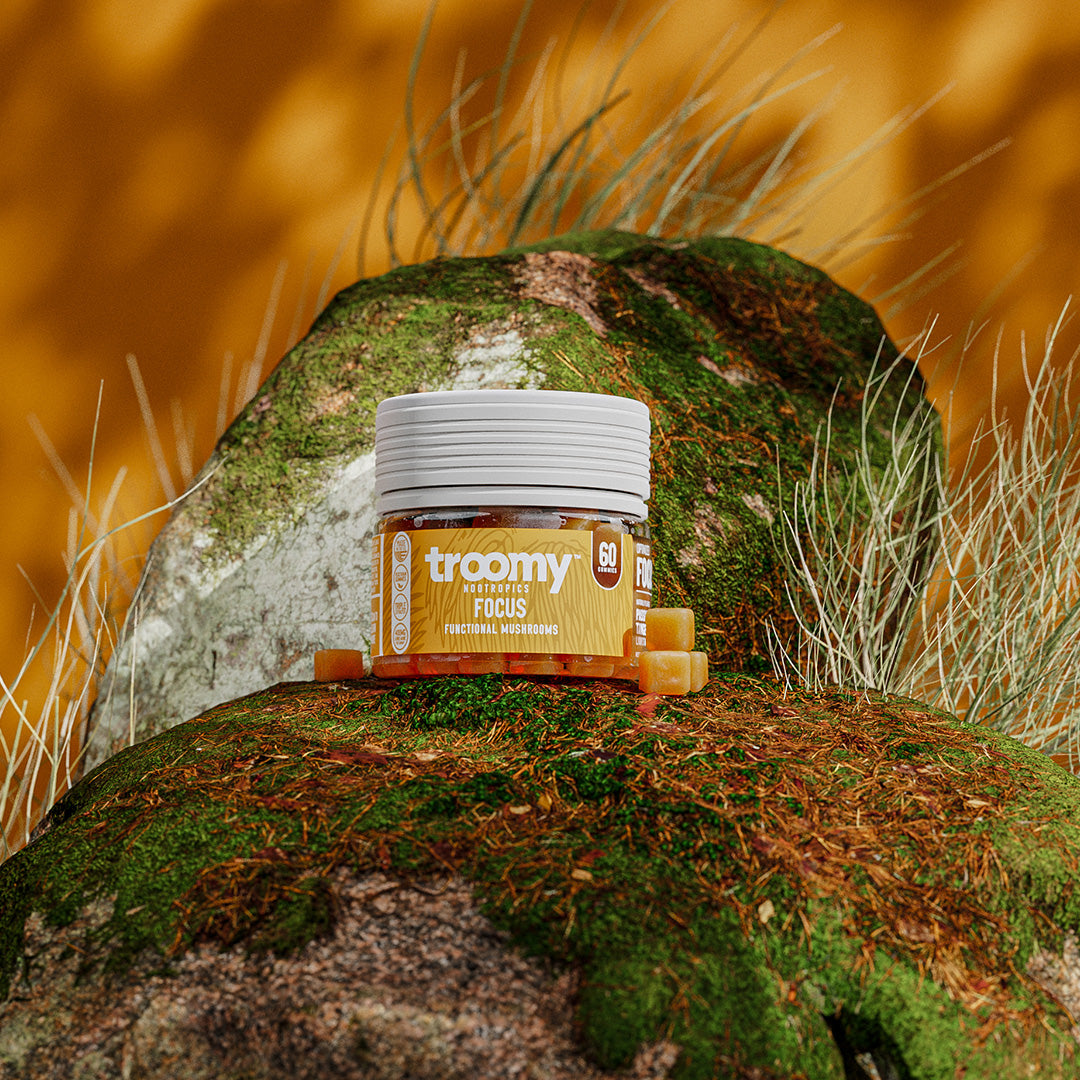
If stress and mental fatigue are behind your brain fog, Troomy's Focus Lion's Mane Gummies address the root, not just the symptom. Caffeine-free, crash-free, and built for daily use.
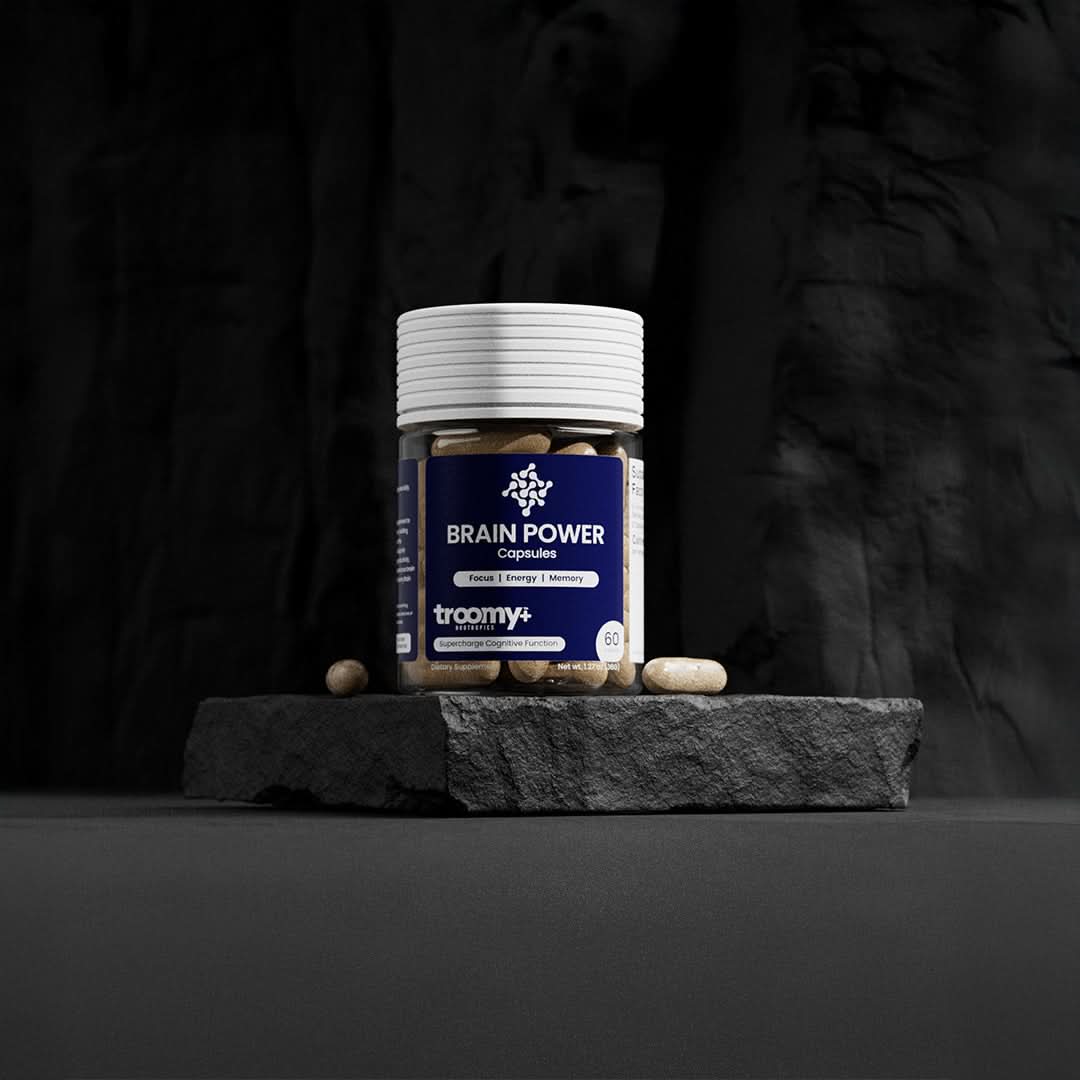
If your fog is tangled up with low energy as much as poor focus, pairing lion's mane with cordyceps through Troomy's Brain Power Capsules addresses both sides at once.
Frequently Asked Questions
What causes brain fog?
The most common causes are poor sleep quality, chronic stress, blood sugar fluctuations, low-grade inflammation, and nutrient gaps such as low B vitamins or iron.
How do I get rid of brain fog naturally?
Start with the underlying cause: prioritize consistent sleep, manage stress daily, stabilize blood sugar with balanced meals, and consider a nutrient check if fog persists despite good habits. Functional mushrooms like lion's mane can support the process once those basics are in place.
What supplements help with brain fog?
Lion's mane is the most researched natural option for general cognitive fog, with reishi and ashwagandha more relevant for stress-driven fog and cordyceps for fatigue-related fog.
Does lion's mane help with brain fog?
Lion's mane supports nerve growth factor production, a mechanism associated with better cognitive function over consistent daily use, making it one of the more evidence-backed natural options for general brain fog.
How long does it take for brain fog to go away?
This depends heavily on the cause. Sleep and blood sugar related fog can improve within days of correcting the habit, while stress-related and supplement-supported improvement typically takes two to four weeks of consistency.
These statements have not been evaluated by the Food and Drug Administration. This product is not intended to diagnose, treat, cure, or prevent any disease.


