



The nootropic space is crowded. Racetams, peptides, mushroom extracts, bacopa, ginkgo, everyone claims their stack is the best. If you want something you can take every day without thinking twice, here is how the comparison actually shakes out.
The short answer: for daily, long term use, functional mushrooms, specifically lion's mane paired with cordyceps, beat both synthetic and herbal nootropics on the metric that actually matters for a habit you'll keep for years. They are not the strongest option in the short term. Synthetic compounds hit harder in the first hour. But mushrooms are the only category with a documented cognitive mechanism, real clinical research, and no prescription, tolerance, or crash to manage. Here is the full breakdown of why.
The Nootropic Landscape: What Your Options Are
“Nootropics” is a broad category, and that breadth is part of why people get confused the moment they start researching mushroom supplements for brain health. Broadly speaking, your options fall into three groups. Synthetic nootropics include prescription stimulants like Adderall and modafinil, along with lab created compounds such as racetams and various peptide stacks. Herbal nootropics are plant based compounds with long research histories, things like bacopa monnieri, ginkgo biloba, and rhodiola rosea. Functional mushroom nootropics, primarily lion's mane and cordyceps, are the newest category to gain mainstream attention, even though the mushrooms themselves have centuries of traditional use behind them.
The mushrooms vs nootropics framing is actually a little misleading. Functional mushrooms are not an alternative to nootropics, they are a specific category within the broader nootropic world. The real question is not whether mushrooms count. It is how they stack up against the synthetic and herbal options once you factor in what most people actually need: something safe enough to take every single day, for months or years, without having to think about it. For a broader breakdown of how the nootropic category is defined in the first place, our guide on what nootropics actually are covers the fundamentals in more depth.
Synthetic Nootropics: What They Do Well and the Tradeoffs
Synthetic options are the most powerful in the short term, and it is worth acknowledging that up front. A prescribed stimulant can noticeably sharpen focus within the hour. Racetams and other lab formulated compounds are engineered specifically to produce a measurable cognitive effect, and for people managing a diagnosed condition like ADHD, that effect can be genuinely life changing.
The tradeoff is real. Dependency risk, tolerance buildup that means the same dose stops working over time, a crash period once the compound wears off, and for most options in this category, a prescription requirement in the first place. None of that makes synthetic nootropics a bad choice for the right person in the right situation. It does mean they carry more baggage than most people are looking to take on if what they actually want is a daily habit rather than an occasional tool. If you are weighing a natural approach specifically against something like Adderall, our full comparison of natural nootropics vs synthetic nootropics walks through that tradeoff in more detail.
Herbal Nootropics: Bacopa, Ginkgo, Rhodiola
Herbal nootropics sit in the middle of the spectrum, both in terms of strength and in terms of how much research backs them up. Bacopa monnieri has a long research history around memory consolidation, but it is a slow burn. Most studies show it requires eight to twelve weeks of consistent daily use before people notice a difference, which makes it a poor fit for anyone hoping for a quick win.
Ginkgo biloba has an even longer history of traditional use, centered mainly on improving blood flow to the brain. Modern clinical research on ginkgo is more mixed than it is for newer compounds, with some studies showing modest cognitive benefits and others showing little difference from placebo. Rhodiola rosea is well studied specifically for fatigue resistance under stress, which makes it more of a situational tool for high pressure periods than something you would reach for as a daily cognitive supplement.
Taken together, herbal nootropics are a reasonable middle ground. They are gentler than synthetic options, but the ones with the strongest track record still ask for weeks of patience before you feel anything, and none of them pair a specific cognitive mechanism with the kind of clinical research lion's mane now has behind it. That is the gap functional mushrooms close.
Functional Mushrooms as Nootropics: The Case for Lion's Mane and Cordyceps
This is where mushroom brain supplements start to separate themselves from the rest of the field. Lion's mane stands out across the entire nootropic landscape, synthetic, herbal, or fungal, because it combines a specific, documented mechanism with a growing base of human clinical research. Lion's mane contains hericenones and erinacines, compounds shown to stimulate nerve growth factor (NGF) synthesis, the process the brain relies on to maintain and repair neural connections. That mechanism is supported by a 2025 randomized controlled trial published in Frontiers in Nutrition, along with a number of supporting studies going back more than a decade.
Cordyceps complements lion's mane by supporting cellular energy production through ATP synthesis and improved oxygen utilization, addressing the fatigue side of the focus equation that lion's mane does not directly target. Where lion's mane supports the brain's own maintenance and growth processes, cordyceps helps give the body the energy to actually use that mental capacity throughout the day.
Together, these two mushrooms cover more practical ground for functional mushrooms' cognitive support than most single herbal compounds, and they do it without the dependency risk that comes with synthetic options. For a deeper look at how lion's mane and cordyceps rank against the wider field of natural nootropics, our ranked guide to the best natural nootropics for focus breaks each one down individually.
Extraction quality matters more here than most labels let on. A whole mushroom powder capsule and a triple-extracted lion's mane gummy are not delivering the same thing, even if the front of the package looks similar. Hericenones and erinacines, the compounds actually responsible for the NGF effect, are concentrated through hot water and alcohol extraction, not simply by grinding dried mushroom into powder. When you are comparing mushroom brain supplements, checking whether a product specifies extraction method and standardized compound content is a better indicator of whether it will actually do anything than the ingredient list alone.
The Everyday Use Argument: Safety, Sustainability, No Prescription Needed
The strongest case for functional mushrooms is not that they outperform every other category in raw power. They do not, and anyone telling you otherwise is overselling the research. The case is that they are the most sustainable option for daily, indefinite use.
No prescription is required. There is no tolerance buildup that forces you to increase your dose over time. There is no crash to plan your afternoon around. For a supplement meant to be taken every single day for months or years, that sustainability matters more than peak intensity. A synthetic nootropic that works brilliantly for two weeks and then needs a higher dose to produce the same effect is not actually solving the real problem most people are trying to solve, which is steady, dependable focus they can count on without having to think about it.
Who Each Category Is Best Suited For
Synthetic nootropics make the most sense for people with a diagnosed medical condition, used under a doctor's supervision, not as a self directed daily wellness habit. Herbal nootropics like bacopa and rhodiola work well as targeted additions for specific goals, memory support or stress related performance, once someone already has a foundation of good sleep, diet, and stress management in place.
Functional mushrooms, particularly lion's mane and cordyceps, make the most sense as the actual foundation itself. They are the daily, safe, sustainable layer that everything else can be built on top of. If you are trying to figure out where mushroom supplements for brain health fit into your own routine, that is usually the practical answer: start there, and add anything else only if you still need it.
It is also worth setting realistic expectations either way. Functional mushrooms are not a switch that flips on the moment you swallow a capsule. Most people notice a gradual shift over two to four weeks of consistent daily use, a little more mental clarity in the afternoon, less of that underwater feeling by the third cup of coffee, a steadier baseline overall. That timeline is slower than a stimulant, but it is also the reason mushroom supplements for brain health work as a long term habit rather than something you cycle on and off.
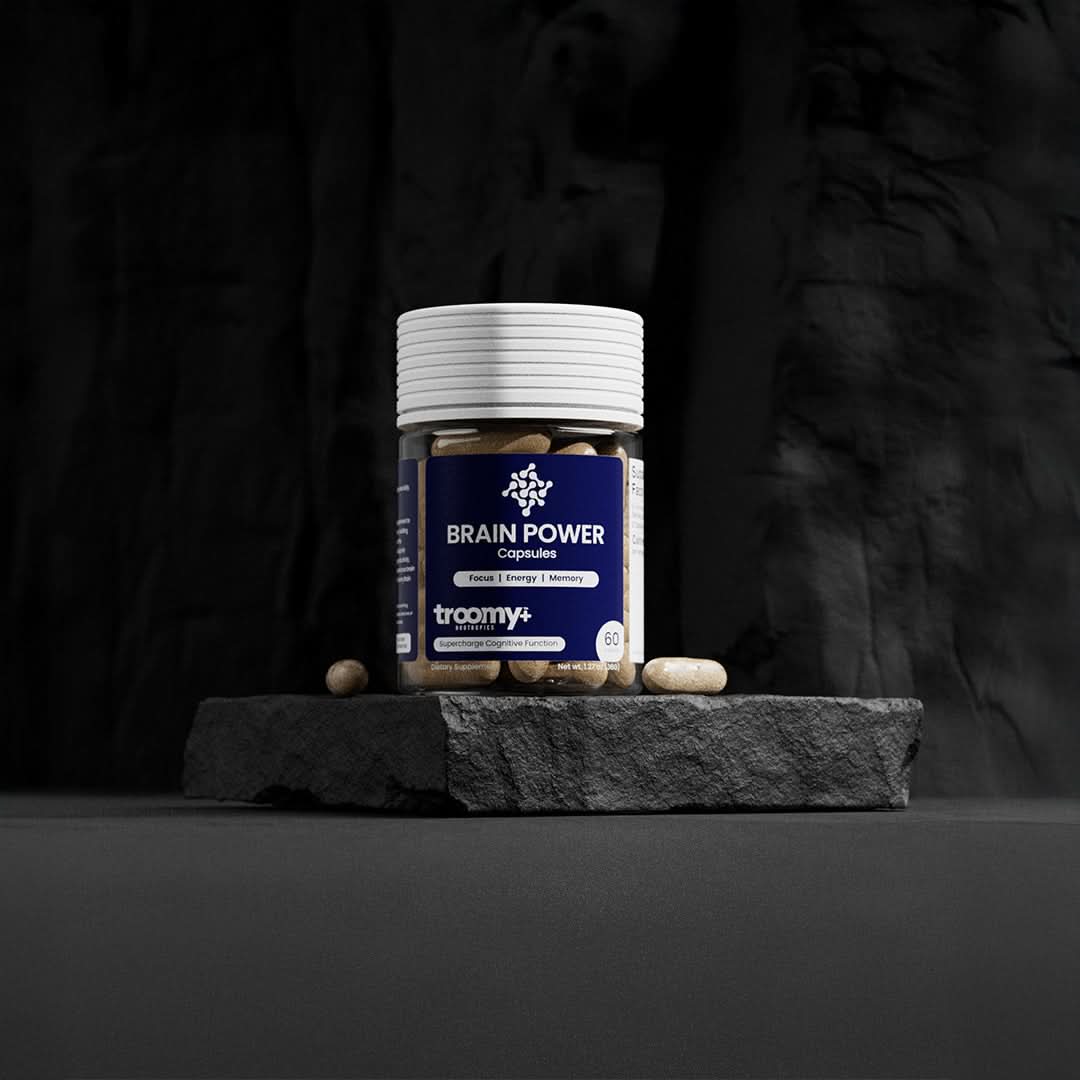
Hitting a wall every afternoon and reaching for a third cup of coffee just to get through the day? Troomy's Brain Power Capsules combine lion's mane, cordyceps, and caffeine in one daily capsule, triple-extracted and USA-made, built for sustained focus without the dependency that comes with synthetic stacks.
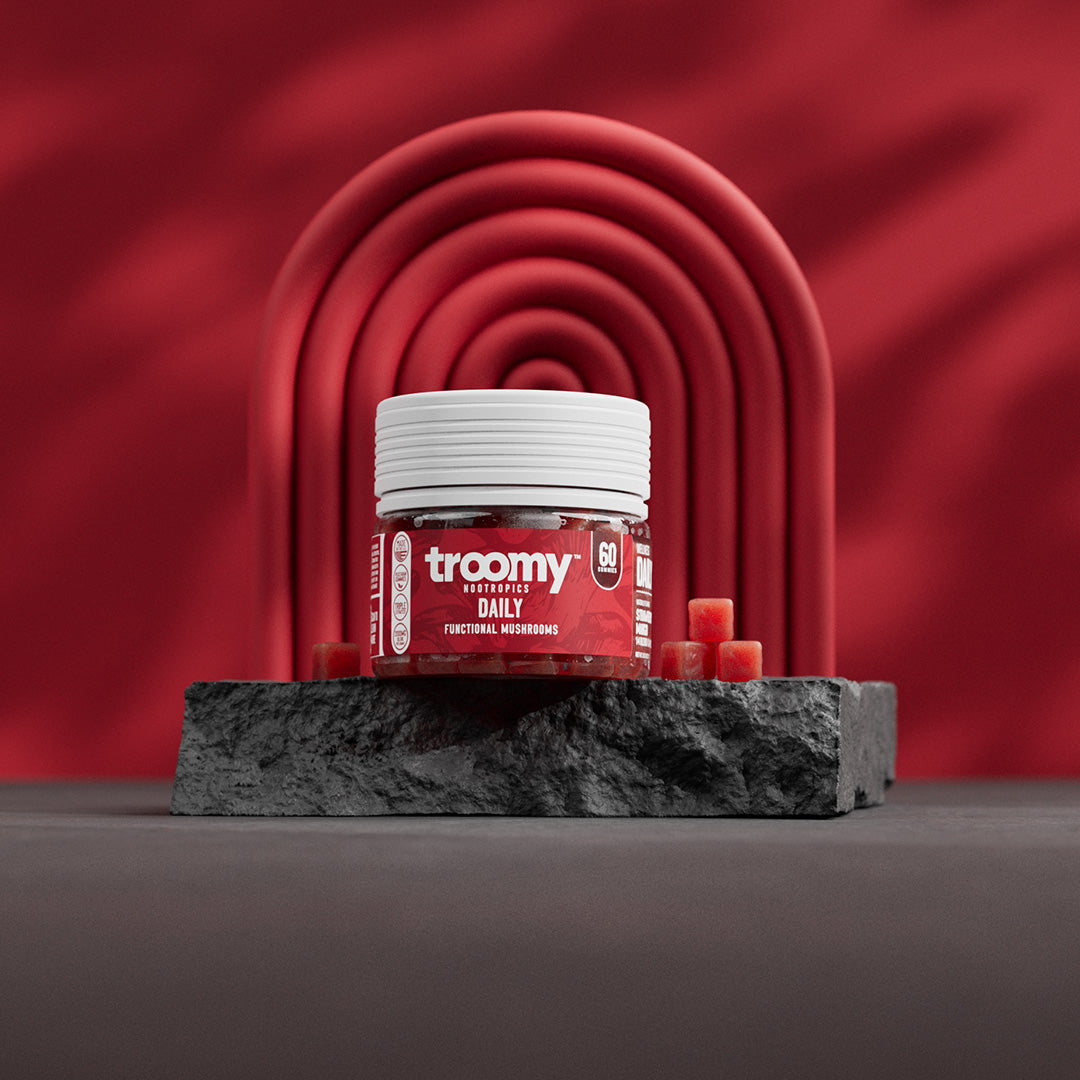
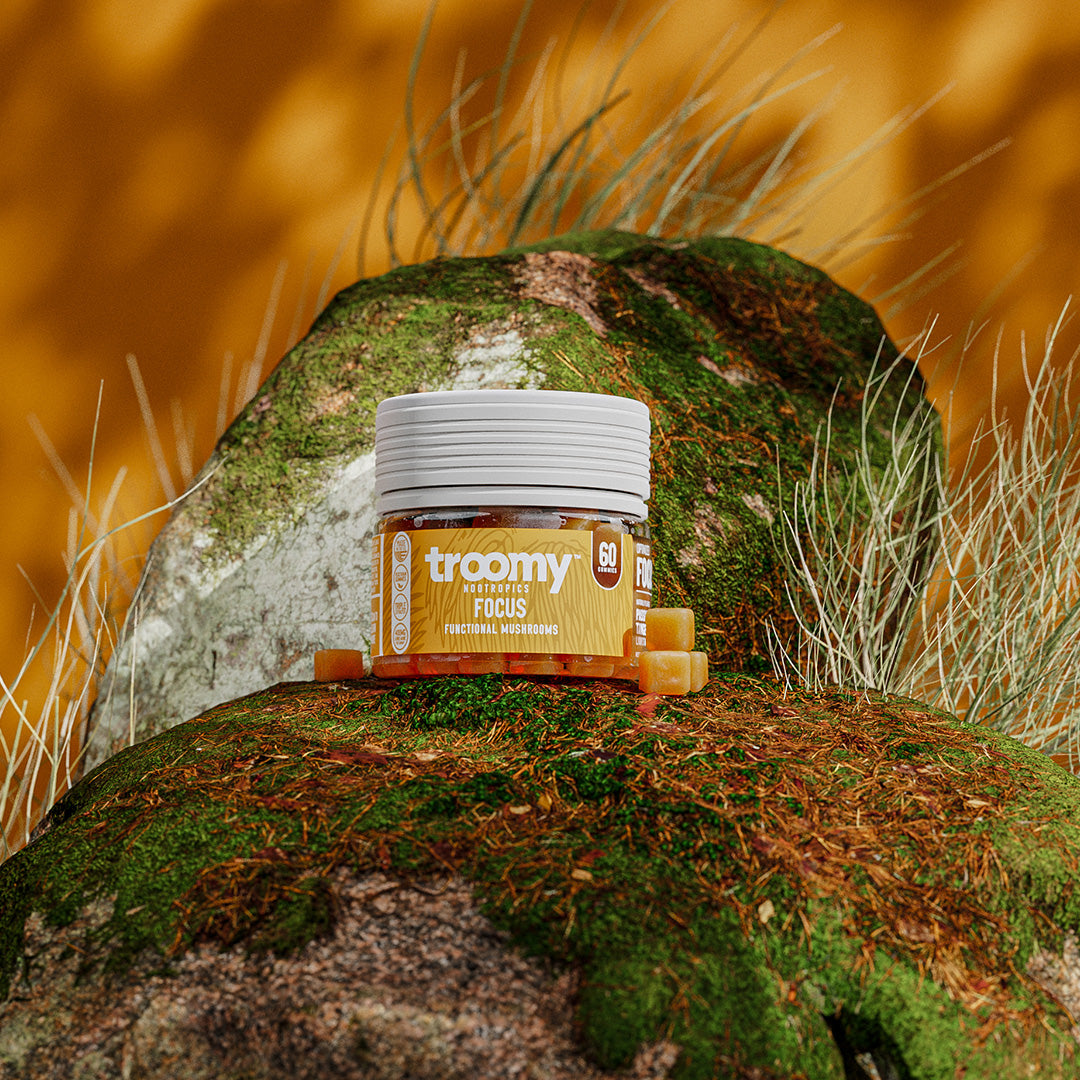
Would rather skip the caffeine altogether and start with a single, foundational nootropic? Troomy's Focus Lion's Mane Gummies deliver 800mg of triple-extracted lion's mane per serving, caffeine-free, so you can clear the fog without adding another stimulant to your day.
Frequently Asked Questions
Are mushroom supplements better than nootropics?
Functional mushrooms like lion's mane are a category of nootropic, not a separate alternative. Compared to synthetic and herbal nootropics, they tend to offer the best balance of research support and daily-use safety.
How do functional mushrooms compare to traditional nootropics?
Functional mushrooms generally act more gradually than synthetic nootropics but with fewer risks for daily use, and lion's mane in particular has a more specific documented mechanism than most herbal nootropics.
What is the best everyday nootropic?
For sustainable, daily use without prescription or dependency risk, lion's mane, often paired with cordyceps, has the strongest combination of research and safety for everyday cognitive support.
Can you take mushroom supplements as nootropics?
Yes, specifically lion's mane and cordyceps, which have documented mechanisms connecting them to cognitive and energy support respectively.
Are functional mushrooms safe as daily nootropics?
Lion's mane and cordyceps both have strong safety profiles for daily use in healthy adults, without the dependency or tolerance concerns associated with synthetic nootropics.
These statements have not been evaluated by the Food and Drug Administration. This product is not intended to diagnose, treat, cure, or prevent any disease.


