



Lion's mane mushroom has earned a reputation as nature's most compelling cognitive supplement, and the science behind that reputation keeps getting stronger. With its distinctive cascading white spines and a growing body of research pointing to real neurological benefits, lion's mane sits at the intersection of ancient wisdom and modern neuroscience. Whether you are dealing with brain fog, looking for sharper focus, trying to support your memory, or simply want to invest in long-term brain health, this mushroom belongs in your supplement conversation.
This guide covers everything you need to know: what lion's mane is, what the research says, how much to take, what form to choose, what happens if you take too much, and what realistic results look like when you build it into your daily routine.
What Is Lion's Mane Mushroom?
Lion's mane (Hericium erinaceus) is a large, white, shaggy mushroom that grows on hardwood trees across North America, Europe, and Asia. In the functional supplement world, it stands apart from other mushrooms because of two unique classes of bioactive compounds: hericenones, found in the fruiting body, and erinacines, found in the mycelium. Both have been studied for their ability to cross the blood-brain barrier and stimulate the production of nerve growth factor, or NGF, a protein with far-reaching effects on brain health.
Lion's mane has been used in traditional Chinese and Japanese medicine for centuries, historically associated with supporting digestive health and overall vitality. Today, scientific attention has shifted primarily to its effects on the brain and nervous system, where the research is most promising.
What Are the Benefits of Lion's Mane Mushroom?
The lion's mane benefits that attract the most research attention center on cognitive function, but the picture extends beyond just memory and focus. The most significant area is neurogenesis support through NGF stimulation. NGF is a protein that governs the growth, maintenance, and survival of neurons. Without adequate NGF, neural connections degrade over time, which is linked to age-related cognitive decline. Lion's mane's unique compounds appear to upregulate NGF production, supporting the brain's ability to form and maintain healthy neural pathways.
A landmark study published in the journal Phytotherapy Research found that older adults with mild cognitive impairment who took lion's mane extract for 16 weeks showed significantly greater improvements in cognitive function compared to a placebo group (Mori et al., 2009). Notably, those gains diminished after supplementation stopped, reinforcing that consistent use drives consistent results.
Beyond NGF, lion's mane has been studied for its effects on central nervous system health, support for myelin sheath integrity, and mood-related benefits through the gut-brain axis. It is a broad-acting mushroom in the best possible sense.
How Does Lion's Mane Support Focus and Clear Thinking?
Among the benefits most frequently reported by lion's mane users is relief from brain fog: the frustrating experience of mental cloudiness, sluggish thinking, and difficulty concentrating. If you have ever reached for a second cup of coffee and still felt like you were operating at half speed, you know exactly what this feels like.
The mechanism that makes the most sense for focus is lion's mane's influence on neural connectivity and its effects in the central nervous system. Lion's mane is known for supporting brain health and mental clarity, and its bioactive compounds have demonstrated positive effects in preclinical research. When the brain is better supported, thinking tends to become clearer and more responsive.
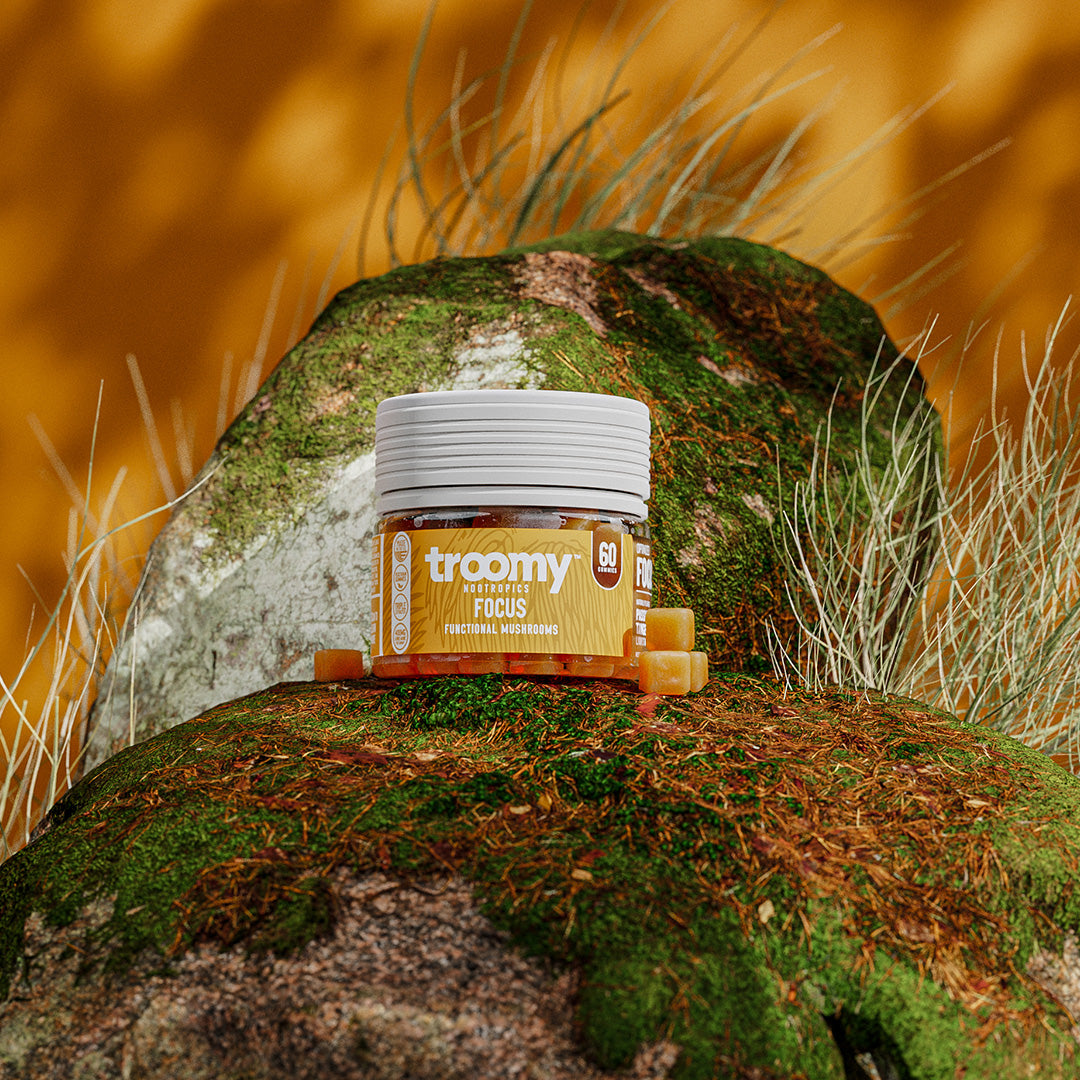
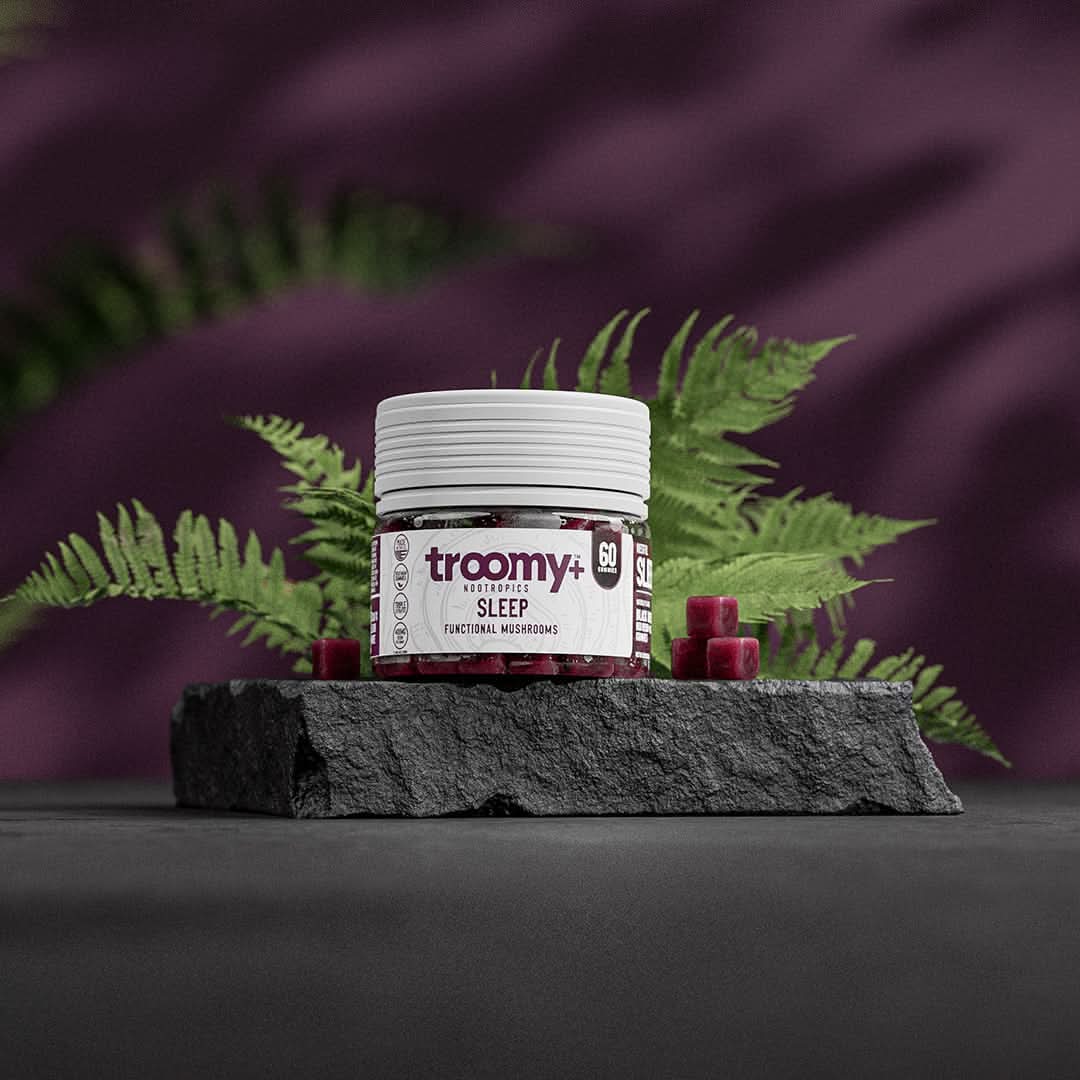
For people looking for a focused cognitive boost without the crash that comes with caffeine, mushroom gummies for focus have become an increasingly popular daily option. Troomy's Focus Lion's Mane Gummies are triple-extracted to maximize the bioavailability of both hericenones and erinacines, are vegetarian, and are made in the USA. They offer a convenient, great-tasting way to make lion's mane a consistent part of your day without any friction. Explore the full brain health collection for all of Troomy's cognitive support options.
Lion's Mane for Memory and Learning
The connection between NGF and memory formation is well established in neuroscience. NGF supports the survival and function of cholinergic neurons in the basal forebrain, a region closely tied to learning, memory consolidation, and attention. For older adults, this translates into meaningful long-term brain health support. For younger adults, it positions lion's mane as a legitimate tool for cognitive optimization rather than just damage control.
Research also suggests that lion's mane may support neuroplasticity, the brain's ability to reorganize itself by forming new neural connections. This is particularly relevant for anyone whose daily demands require sustained learning, whether that means mastering a new skill, absorbing large amounts of information, or simply staying sharp under pressure over the long term.
Lion's Mane and Mood: The Gut-Brain Connection
Cognitive function does not happen in isolation from emotional state. Chronic stress, irritability, and anxiety all reduce cognitive output, which is why lion's mane's potential mood-related benefits deserve attention alongside its brain-boosting reputation.
A study published in Biomedical Research found that women who consumed lion's mane for four weeks reported lower levels of irritability and anxiety compared to a placebo group (Nagano et al., 2010). The proposed mechanism involves the gut-brain axis: lion's mane acts as a prebiotic, supporting gut microbiome health, which in turn influences the production of neurotransmitters including serotonin and dopamine.
This does not mean lion's mane is a treatment for anxiety or depression. It means the mushroom may support a neurological and physiological environment that is more resilient to everyday stress, which is a meaningful benefit for anyone trying to maintain consistent mental performance over time.
What Is the Right Lion's Mane Dosage?
Lion's mane dosage is one of the most searched questions around this mushroom, and the honest answer is that it depends on several factors. Research studies have generally used doses ranging from 500mg to 3,000mg of dried lion's mane per day. However, raw milligram weight alone does not tell you much about what you are actually getting.
What matters is the concentration of active compounds: hericenones, erinacines, and beta-glucans. This is where extraction method becomes critical. A triple-extracted lion's mane supplement at 500mg may deliver significantly more bioavailable active compounds than an unextracted powder at 2,000mg. For most people starting out, a consistent daily dose of a high-quality extract is far more important than chasing a high milligram number with a lower-quality product.
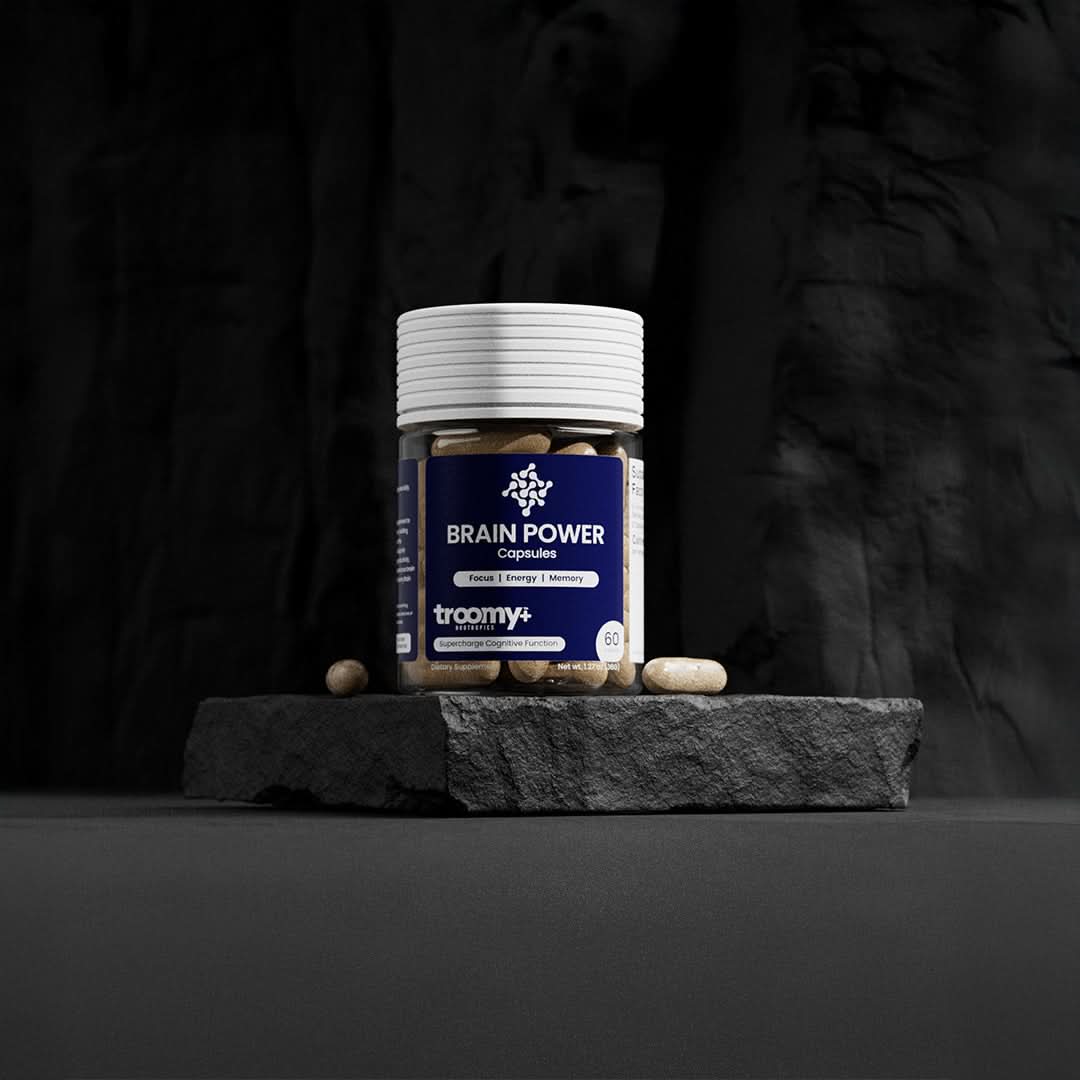
For those who prefer a capsule format for precise daily dosing, Troomy's Brain Power Cognitive Function Capsules provide a clean, easy-to-dose option that pairs naturally with the gummy format for a comprehensive cognitive support routine.
How Much Lion's Mane Is Too Much?
Understanding the upper limits of lion's mane supplementation is just as important as knowing the recommended dose. The good news is that lion's mane has an excellent safety profile across the research literature. It is, after all, a food that has been consumed by humans for centuries.
That said, more is not always better. Taking extremely high doses, generally considered to be above 5,000mg per day of raw powder equivalent, is unlikely to produce proportionally greater benefits and may increase the chance of mild digestive discomfort in some individuals. The research supporting lion's mane's cognitive benefits was conducted with moderate, consistent doses, not escalating megadoses.
People with known mushroom allergies should exercise caution and consult a healthcare provider before starting lion's mane supplementation. There are also a small number of reported cases of skin rash associated with high-dose lion's mane use, though these are rare. If you experience any adverse reaction, the right approach is to reduce your dose or discontinue use and speak with a qualified health professional.
The practical takeaway: start with the dose recommended on your product label, stay consistent, and resist the urge to double up thinking it will accelerate results. With lion's mane, consistency over time outperforms high doses over a short period.
Lion's Mane Extract vs. Powder: What Is the Difference?
The lion's mane extract vs powder question comes up constantly, and it matters more than most people realize. Lion's mane powder is simply dried and ground mushroom material. It contains bioactive compounds but at lower concentrations, and many of those compounds are locked inside chitin cell walls that the human digestive system cannot easily break down. You may be absorbing far less active material than the milligram count on the label suggests.
A dual or triple-extracted lion's mane goes through multiple extraction phases, typically using hot water and alcohol, to break down those cell walls and concentrate the full spectrum of bioactive compounds. Hot water extraction captures beta-glucans, the polysaccharides responsible for immune and cognitive support. Alcohol extraction captures fat-soluble compounds like erinacines. A triple extraction ensures both spectrums are fully captured and delivered.
When evaluating any lion's mane supplement, look for products that specify their extraction method and, ideally, their beta-glucan percentage. Troomy uses triple extraction across its lion's mane products to ensure you are getting genuine potency rather than bulk filler.
How Long Does Lion's Mane Take to Work?
Unlike caffeine, which produces effects within 20 to 30 minutes, lion's mane works through mechanisms that require time to accumulate. NGF production, neural remodeling, and the brain health benefits lion's mane is known for do not happen overnight. They are the result of sustained biological activity over weeks.
Most people report first noticing effects after two to four weeks of consistent daily use. Improvements in focus and mental clarity tend to appear first, since these are the most immediately measurable outcomes. Deeper benefits like improved memory consolidation and mood resilience may take six to eight weeks to become clearly apparent.
The critical factor is consistency. Taking lion's mane sporadically will not produce the same results as a committed daily routine. Setting a 30-day evaluation period is a reasonable benchmark for assessing whether it is working for you.
How to Add Lion's Mane to Your Daily Routine
The simplest way to make lion's mane work is to make it easy. That means finding a format you will actually use every single day without overthinking it. For many people, that is a gummy: something that takes two seconds, tastes good, and does not require a pill organizer or a full glass of water.
Troomy's Focus Lion's Mane Gummies are designed for exactly this kind of frictionless daily habit. Triple-extracted, vegetarian, made in the USA, and available in natural flavors, they make it easy to hit your daily dose without friction. If you prefer a capsule format or want to layer your cognitive support stack, the Brain Power Cognitive Function Capsules offer a clean complement to the gummy routine.
For anyone who wants to build a broader wellness stack, the Troomy brain health collection brings together the full range of cognitive and focus-oriented products in one place. And if you are interested in pairing lion's mane with complementary mushrooms for energy or calm, the Daily 14 Mushroom Blend Gummies offer a full-spectrum approach to daily mushroom support.
Frequently Asked Questions
What does lion's mane mushroom do?
Lion's mane mushroom is primarily studied for its effects on cognitive function. Its unique bioactive compounds, hericenones and erinacines, are believed to stimulate nerve growth factor production, which supports neuron health, memory, focus, and mood regulation through the gut-brain axis.
What are the most well-supported lion's mane benefits?
The most research-supported benefits of lion's mane include improvements in cognitive function in adults with mild cognitive impairment, support for focus and mental clarity, potential mood and stress resilience, and long-term brain health support tied to NGF stimulation. Consistent daily supplementation with a high-quality triple extract is the key to experiencing these benefits.
How much lion's mane should I take per day?
Research studies have used doses ranging from 500mg to 3,000mg per day. The most important factors are the quality of extraction and consistency of daily use. A high-quality triple-extracted supplement at a moderate dose will outperform a high-dose product with poor extraction.
How much lion's mane is too much?
Lion's mane is well-tolerated even at higher doses, but amounts above 5,000mg per day of raw powder equivalent are unlikely to add benefit and may cause mild digestive discomfort in some people. Those with mushroom allergies should consult a healthcare provider before use. Start with the label-recommended dose and prioritize consistency over quantity.
Is lion's mane safe to take every day?
Yes. Lion's mane has a strong safety profile and is generally well-tolerated with daily long-term use. It is a food that has been consumed by humans for centuries. People with mushroom allergies should exercise caution.
How long does it take for lion's mane to work?
Most people begin noticing effects after two to four weeks of consistent daily use, with focus and mental clarity typically appearing first. A 30-day daily commitment is a reasonable benchmark for evaluating whether lion's mane is working for you.
What is the difference between lion's mane extract and powder?
Lion's mane powder is dried and ground mushroom material with bioactive compounds at lower concentrations. A triple-extracted lion's mane concentrates the full spectrum of active compounds through multiple extraction phases, delivering higher potency per milligram. Extracts are significantly more effective than raw powder at equivalent doses.
Can lion's mane help with brain fog?
Many users report significant improvements in brain fog with consistent lion's mane supplementation. Lion's mane is known for supporting brain health and mental clarity, and the scientific evidence supports its potential to improve cognitive clarity through its effects on nerve growth factor production and overall brain health support.
These statements have not been evaluated by the Food and Drug Administration. This product is not intended to diagnose, treat, cure, or prevent any disease.


