



Motivation is one of those qualities that is easy to recognize when you have it and painfully obvious when you do not. And for most people, low motivation is not a philosophical problem. It is an energy problem. The mental drag that makes it hard to start tasks, sustain effort, or push through demanding days is often rooted in how reliably the body is producing and distributing energy at the cellular level. Cordyceps addresses that underlying system.
This article explains what the research does and does not say about cordyceps and motivation, how its established energy mechanisms relate to drive and focus, and how combining cordyceps with complementary functional mushrooms creates a more complete approach for people looking to support sustained mental and physical output.
What Does the Research Say About Cordyceps and Motivation?
The research on cordyceps is strongest in two areas: cellular energy production and aerobic endurance. A 2020 study in Cellular and Molecular Biology documented that cordycepin, the primary bioactive in Cordyceps militaris, supports ATP production via mitochondrial pathways (DOI: 10.14715/cmb/2020.66.6.2). A 2016 randomized, double-blind, placebo-controlled trial in the Journal of Dietary Supplements found that three weeks of Cordyceps militaris supplementation improved VO2max and extended time to exhaustion in healthy adults (DOI: 10.1080/19390211.2016.1203386). These are the two strongest anchors in the clinical literature on cordyceps and energy, and they form the basis for everything discussed in this article.
Direct research specifically on motivation as a psychological construct is more limited for cordyceps, and it is important to be straightforward about that rather than overstate the claims. What the research does show is that cordyceps reduces fatigue, supports sustained energy, and helps the body manage physical stress. These effects are foundational to motivation. A person who has consistent cellular energy, reduced fatigue, and a well-regulated stress response is in a significantly better physiological position to sustain motivation than one who is running on empty.
Why Does Energy Affect Motivation?
The relationship between physical energy and motivation is well-established in psychology and behavioral science. Motivation requires the allocation of cognitive and physical resources toward a goal. When those resources are depleted, motivation drops. This is not a character failing. It is a biological reality.
People who describe themselves as unmotivated often have a more specific problem: they feel chronically fatigued, experience energy crashes during the day, struggle to sustain effort past the initial burst of activity, or feel mentally foggy during tasks that require concentration. These are symptoms of how energy is being produced and regulated in the body, not abstract problems with willpower.
Cordyceps addresses this at the cellular level by supporting ATP production. When cells have adequate energy supply, the downstream experience is more consistent energy, less mid-day fatigue, and greater capacity to sustain effort. That is not a direct motivation booster, but it is a meaningful improvement in the physiological substrate on which motivation depends.
Does Cordyceps Affect Dopamine or Mood?
A common question is whether cordyceps affects dopamine directly. The honest answer is that cordyceps does not have a documented direct dopaminergic mechanism. It does not work by manipulating neurotransmitter levels the way stimulants or psychoactive compounds do. People asking about cordyceps and dopamine are usually asking the right underlying question, which is whether cordyceps can help with the motivational and mood-related benefits that dopamine supports, such as drive, reward anticipation, and sustained effort.
The connection is indirect but meaningful. Dopamine signaling is energy-dependent, and chronic fatigue disrupts the motivational and emotional systems that rely on it. By reducing fatigue and supporting more consistent cellular energy, cordyceps creates better conditions for these systems to function as intended. That is not the same as a direct dopamine boost, but for people experiencing motivation loss rooted in low energy and physical exhaustion, the distinction matters less than the practical outcome.
Cordyceps is also not a mood-altering compound in the way psychoactive substances are. However, because low energy and chronic fatigue are common contributors to poor mood, the energy and fatigue benefits of consistent cordyceps use often have a positive indirect effect on mood and emotional resilience.
Can Cordyceps Improve Focus?
Cordyceps supports focus indirectly through its energy mechanisms. Better cellular energy means more fuel available for demanding cognitive work. Reduced fatigue means the cognitive resources required for sustained focus are not being diverted to managing physical exhaustion. The adaptogenic stress response benefits mean the physiological disruption that comes from high-demand days is better regulated.
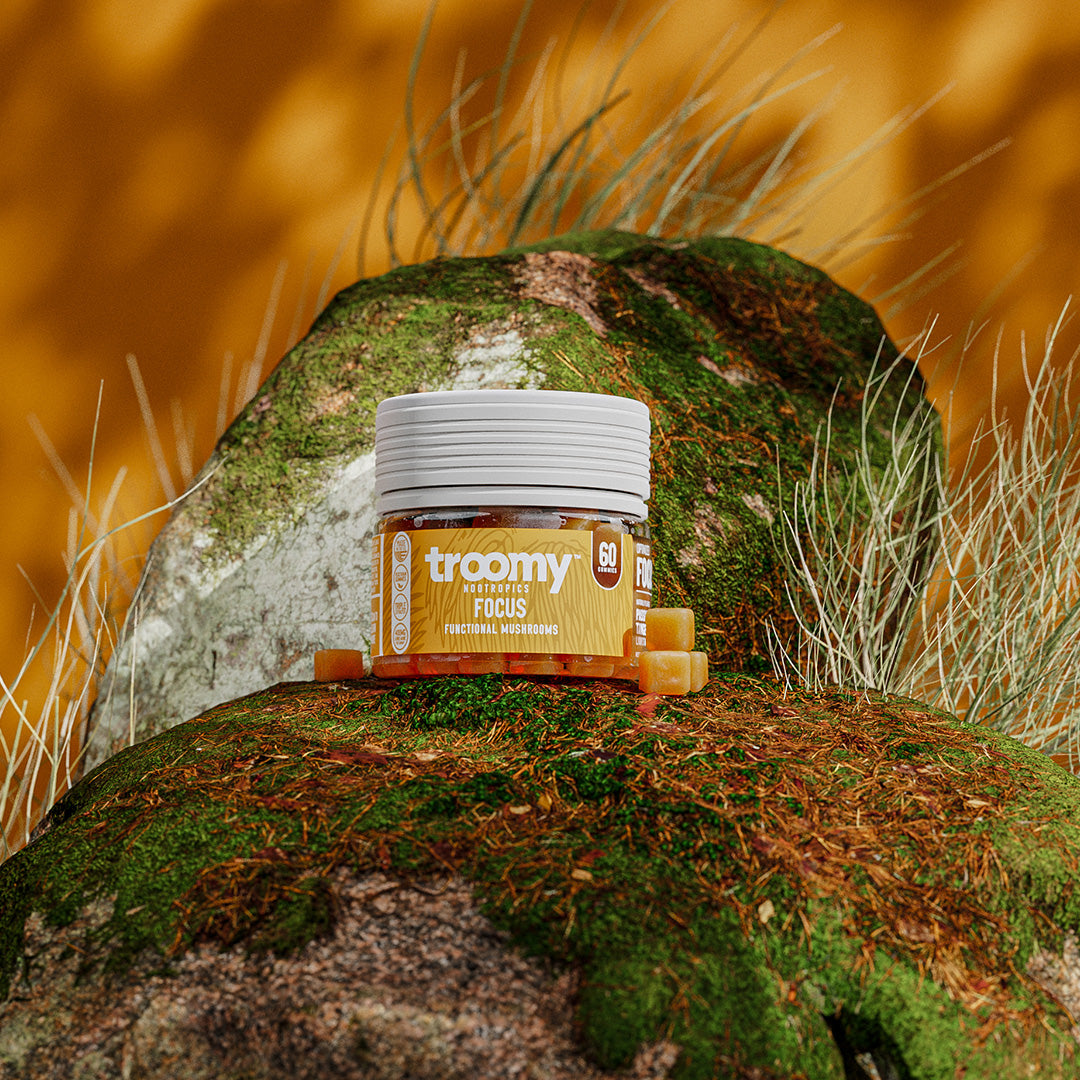
For more direct cognitive and focus support, the best complement to cordyceps is Lion's Mane, which supports Nerve Growth Factor synthesis and has direct evidence for cognitive function. Troomy's Focus Lion's Mane Gummies are formulated specifically for this purpose. The combination of cordyceps for energy and Lion's Mane for focus covers both the physical and cognitive dimensions of motivated, high-output performance.
How Do Cordyceps Make You Feel?
This is a common question from people considering cordyceps for the first time. The honest answer is that the effect is subtle and cumulative rather than immediate and dramatic. Cordyceps does not produce the acute alertness or mood elevation associated with stimulants or psychoactive compounds. People who use it consistently typically describe more consistent energy levels without the afternoon crash, better ability to sustain effort during physically demanding activities, and a general sense of having more in the tank without feeling wired or jittery.
Some users also describe improved mood indirectly, which makes sense given the relationship between energy, fatigue, and emotional state. When your body is running on reliable cellular energy rather than cortisol spikes and caffeine dependency, the downstream emotional experience often improves. But this is a secondary effect of better physiological regulation, not a direct mood-altering mechanism.
What Is the Best Cordyceps Product for Energy and Motivation?
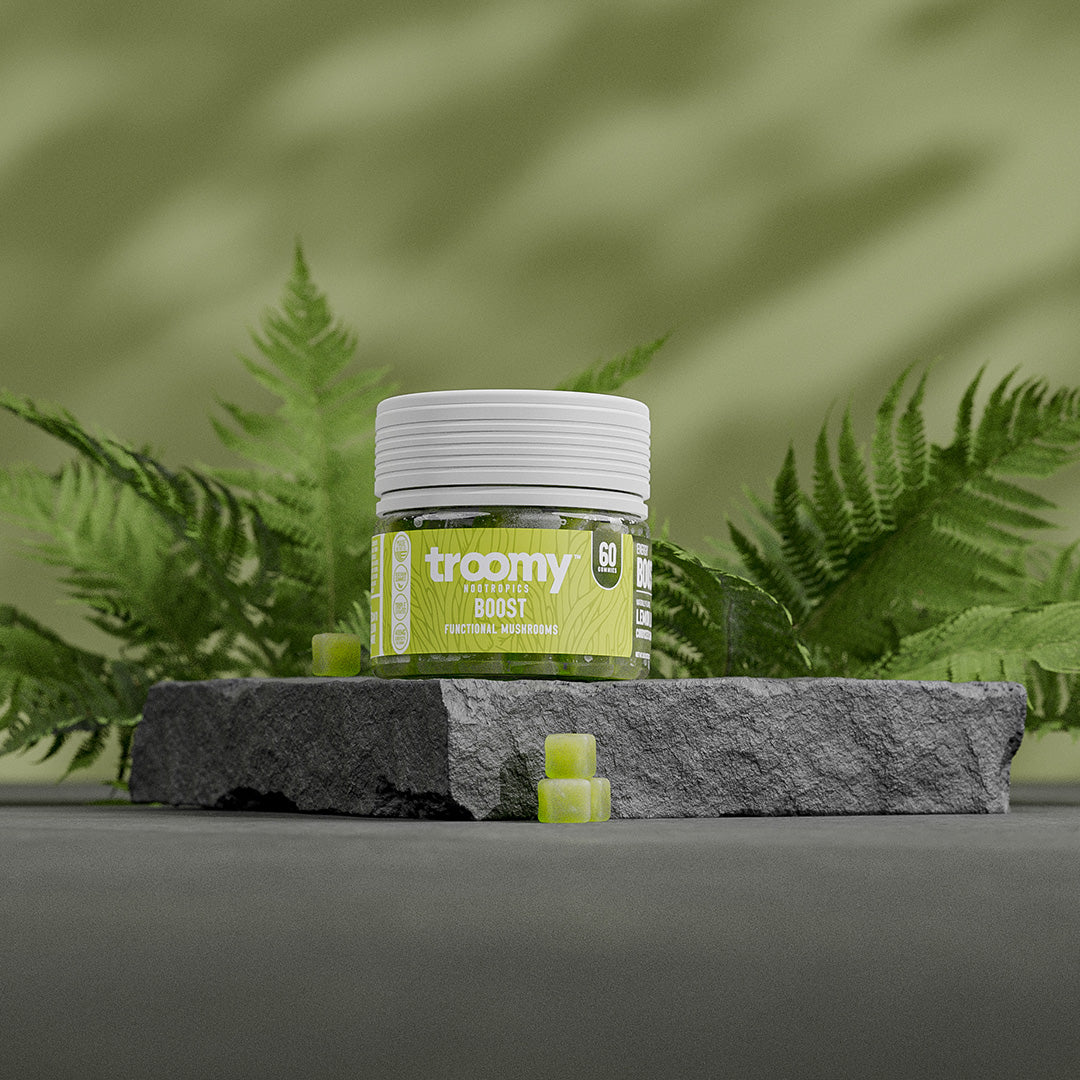
For most people looking to support daily energy and reduce fatigue-driven motivation loss, Troomy's Boost Cordyceps Gummies are the most direct choice. Triple-extracted, made in the USA, vegetarian, and formulated with natural flavors, they deliver a consistent cordyceps dose in a format that actually makes the daily habit enjoyable.
For a broader energy support approach, the Troomy Energy Collection includes additional options. And for those who want to stack energy and focus support in one daily routine, pairing the Boost Cordyceps Gummies with the Focus Lion's Mane Gummies covers both dimensions.
How Long Does It Take for Cordyceps to Affect Energy and Motivation?
Consistent daily use over three to four weeks is what the research uses as the basis for documented energy and endurance improvements. The adaptogenic benefits develop on a similar timeline. Unlike stimulants, which deliver an immediate effect and then decline, cordyceps builds a foundation of cellular energy support that becomes more apparent over weeks of consistent use. For the complete overview of what cordyceps is, how it works, and the full range of benefits, the cordyceps mushroom benefits and uses guide covers everything in depth.
Most people notice the first signs of improved sustained energy and reduced afternoon fatigue within two to three weeks. The full benefit of reduced fatigue-driven motivation loss tends to become more apparent at the four to six week mark.
Frequently Asked Questions
Does cordyceps help with motivation?
Cordyceps supports motivation indirectly by addressing its physiological foundation. It reduces fatigue, supports cellular energy production, and improves the body's ability to manage physical and psychological stress. Direct research on motivation as a psychological construct is more limited, but the energy and fatigue benefits documented in clinical research are directly relevant to sustained drive and effort.
Can cordyceps improve focus?
Cordyceps supports focus indirectly through its energy and fatigue reduction mechanisms. Better cellular energy and reduced fatigue improve the capacity for sustained cognitive effort. For more direct cognitive support, Lion's Mane is the complementary choice, and combining both mushrooms is a popular approach for people who want comprehensive energy and focus support.
Does cordyceps affect mood?
Cordyceps is not a direct mood-altering compound. However, because chronic fatigue contributes to poor mood, the energy and fatigue benefits of consistent cordyceps use often have a positive indirect effect on mood and emotional resilience. Cordyceps does not work through a direct dopaminergic mechanism, but the downstream improvements in energy and fatigue reduction create better conditions for mood-related systems to function well.
How do cordyceps make you feel?
Most consistent users describe more even energy levels throughout the day, reduced afternoon fatigue, and better ability to sustain physical and mental effort. The effect is subtle and cumulative, developing over weeks of daily use rather than arriving immediately like a stimulant.
These statements have not been evaluated by the Food and Drug Administration. This product is not intended to diagnose, treat, cure, or prevent any disease.


