



Chaga has earned its reputation for immune and antioxidant support, but there is a quieter benefit getting more attention lately: skin. The same compounds that make chaga one of the most antioxidant-dense mushrooms on earth are the ones researchers are now studying for their protective effects on skin cells. If you are curious whether chaga belongs in your beauty and wellness routine, here is an honest look at what it does for skin, what the science shows, and how to use it.
For the bigger picture on chaga overall, our complete chaga benefits guide is the place to start. This article focuses specifically on skin.
Is Chaga Good for Skin?
Chaga supports skin health mainly through its antioxidant and anti-inflammatory compounds. Skin is constantly exposed to oxidative stress from UV light, pollution, and normal metabolism, and that oxidative damage is one of the biggest drivers of visible aging. Chaga's dense antioxidant profile, led by its melanin and polyphenols, helps neutralize the free radicals behind that damage, which is the foundation of its skin-supporting reputation.
A 2023 study in the International Journal of Molecular Sciences examined lanostane triterpenoids from chaga, including inotodiol, and their protective effects in human skin cells (HaCaT keratinocytes) against inflammatory and oxidative stress (Park et al., 2023, DOI: 10.3390/ijms241612803). The researchers found that chaga's inotodiol helped suppress pro-inflammatory signals in skin cells stressed by UVB light and inflammatory triggers, which points to a real mechanism behind chaga's skin appeal.
What Compounds in Chaga Support Skin?
Chaga's skin reputation comes down to a handful of standout compounds, each pulling its weight in a slightly different way. Understanding them makes it easier to see why this mushroom keeps showing up in beauty conversations.
Melanin is the headliner. Chaga is unusually rich in it, and it belongs to the same pigment family that helps shield human skin from UV damage. As an antioxidant, chaga's melanin helps neutralize the free radicals that build up from sun exposure and everyday environmental stress, which is exactly the kind of damage that wears skin down over time.
Polyphenols add another antioxidant layer, and they pull double duty. Beyond neutralizing free radicals, polyphenols are widely studied for their role in calming the inflammatory signaling that ages skin prematurely, which puts them on both the antioxidant and the anti-inflammatory side of the equation. That dual action is a big part of why chaga shows up in skin-focused wellness routines.
Betulinic acid and inotodiol round out the picture as chaga's anti-inflammatory players. Betulinic acid is a triterpenoid chaga pulls from the birch trees it grows on, and inotodiol is the lanostane triterpenoid that took center stage in the 2023 skin-cell research. Together they help temper the inflammatory response that contributes to dull, tired, prematurely aging skin.
How Does Chaga Help With Skin Aging?
Skin aging is driven heavily by oxidative stress and chronic low-grade inflammation. Free radicals damage skin cells and break down the structures that keep skin looking firm and smooth, while ongoing inflammation accelerates the process. Chaga works on both fronts.
Its antioxidant melanin and polyphenols help defend skin cells against free-radical damage, and its betulinic acid and inotodiol contribute anti-inflammatory support. In the 2023 skin-cell study, chaga's lanostane triterpenoids suppressed the overexpression of pro-inflammatory cytokines triggered by UVB exposure, the kind of inflammatory stress that contributes to visible aging over time. By supporting the skin's defenses against oxidation and excessive inflammation at the cellular level, chaga helps the skin maintain its resilience.
Does Chaga Have Antioxidant Benefits for Skin?
Yes, and this is chaga's strongest skin credential. Chaga's melanin is especially interesting here because melanin is the same pigment family that helps protect human skin from UV damage. Combined with chaga's high polyphenol content, this gives it a powerful antioxidant capacity that translates to cellular protection. Healthy, well-protected skin cells are the basis of a clear, resilient complexion, so chaga's antioxidant density is the engine behind most of its skin benefits.
Topical vs Internal: How Does Chaga Actually Reach Your Skin?
Here is the honest part. Much of the skin-specific chaga research has been done on isolated skin cells in the lab or in topical formulations, not on people taking chaga supplements. That does not mean an internal supplement is useless for skin. Beauty from within is a real pathway: when you support your body's systemic antioxidant and anti-inflammatory defenses, your skin benefits along with the rest of you. But it is a systemic, whole-body pathway rather than a direct topical treatment.
So set expectations accordingly. A chaga supplement supports skin health by strengthening your body's overall antioxidant and anti-inflammatory capacity, which contributes to healthier skin over time, rather than acting like a targeted serum. For visible beauty goals, pairing internal mushroom support with a good topical skincare routine is the smart move.
What Mushrooms Are Best for Skin Health?
Chaga is a strong antioxidant and anti-inflammatory option, but it is not the only mushroom in the beauty conversation. Tremella, often called the beauty mushroom, is prized for its hydration-supporting properties and is a natural complement to chaga's antioxidant strengths. Where chaga focuses on defending skin against oxidation and inflammation, tremella is known for helping skin hold onto moisture, and our guide to tremella and snow fungus breaks down what it is and why it earned its beauty reputation.
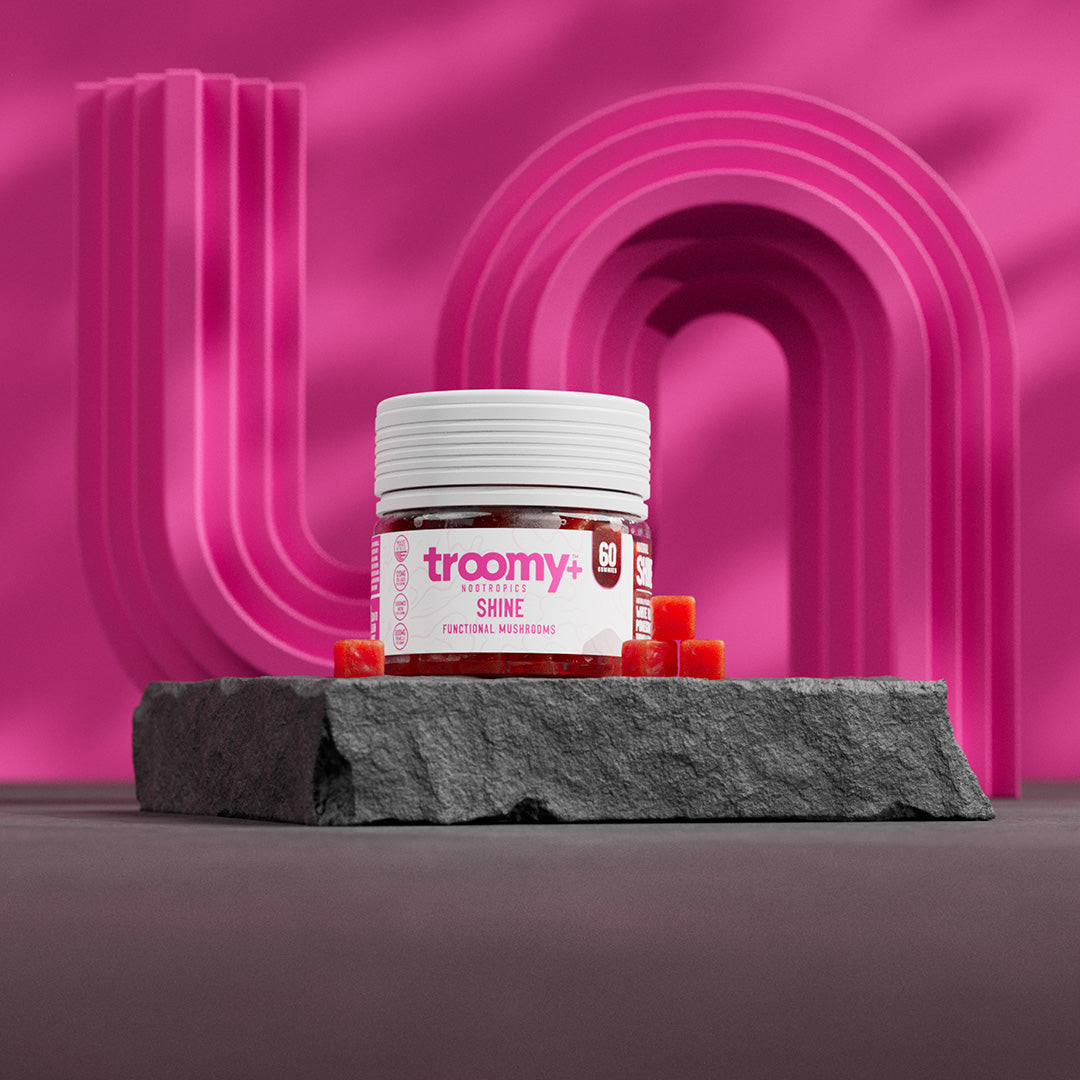
That is why our Shine Tremella, Biotin and Collagen Gummies pair tremella with biotin and collagen for a dedicated beauty-from-within formula. If your goals are glow, hydration, and overall skin support, the Beauty Collection is built around exactly that.
For broad antioxidant and anti-inflammatory support that benefits your skin alongside your immune system and overall wellness, our Daily 14 Mushroom Blend Gummies include triple-extracted chaga plus thirteen other functional mushrooms in a single daily gummy, made in the USA and vegetarian. Used consistently, it is an easy way to support your skin from the inside out.
How Do You Add Chaga to a Skin-Focused Routine?
Getting chaga into your day for skin support is refreshingly simple, and consistency matters more than intensity. Because the skin benefits come from systemic antioxidant and anti-inflammatory support that builds gradually, the goal is steady daily intake rather than the occasional large dose. Think of it like any good skincare habit: the results come from showing up every day, not from one dramatic effort.
A daily gummy is the easiest on-ramp for most people. Troomy's chaga is triple-extracted, which means the beneficial compounds are drawn out using both hot water and alcohol so your body can actually absorb what you are paying for, and it is made in the USA, vegetarian, and flavored to taste like something you will look forward to rather than tolerate. Pair that internal support with the basics that protect skin from the outside, like daily sunscreen, gentle cleansing, and plenty of hydration, and you give chaga's beauty-from-within benefits the best chance to show up where you can see them.
If skin is your main focus, layering a dedicated beauty formula on top of a broad mushroom blend is a smart combination. The blend covers your overall antioxidant and anti-inflammatory base while the beauty formula targets hydration and glow more directly, so the two work together rather than overlapping.
Can You Use Chaga for Anti-Inflammatory Skin Support?
Chaga's anti-inflammatory profile is one of its better-documented skin-relevant properties. Its lanostane triterpenoids, especially inotodiol, were shown in the 2023 skin-cell research to suppress pro-inflammatory cytokines under UVB and other stress. Because inflammation contributes to a range of skin concerns and to visible aging, chaga's anti-inflammatory support is a meaningful part of why it appears in skin-focused wellness routines. As always, most of this evidence is preclinical, so think of chaga as supportive rather than therapeutic.
Frequently Asked Questions
Is chaga good for skin?
Chaga supports skin health through its antioxidant and anti-inflammatory compounds, particularly its melanin, polyphenols, and the triterpenoid inotodiol. These help defend skin cells against oxidative stress and excessive inflammation, the two biggest drivers of visible skin aging. Most evidence is preclinical, so chaga is best viewed as systemic support rather than a direct topical treatment.
How does chaga help with skin aging?
Skin aging is driven by oxidative stress and chronic inflammation. Chaga's antioxidant melanin and polyphenols help neutralize free radicals, while its betulinic acid and inotodiol provide anti-inflammatory support. A 2023 study found chaga triterpenoids suppressed UVB-triggered pro-inflammatory cytokines in skin cells, pointing to a real mechanism behind its anti-aging appeal.
Does chaga have antioxidant benefits for skin?
Yes. Chaga is one of the most antioxidant-dense mushrooms studied, thanks to its melanin and polyphenol content. Its melanin is from the same pigment family that helps protect human skin from UV damage. This antioxidant capacity helps protect skin cells from free-radical damage, which is the foundation of a clear, resilient complexion.
Can you use chaga for anti-inflammatory skin support?
Chaga's anti-inflammatory profile is one of its better-documented skin-relevant properties. Its lanostane triterpenoids, especially inotodiol, were shown in preclinical research to suppress pro-inflammatory cytokines in skin cells under UVB and inflammatory stress. Because inflammation contributes to skin concerns and visible aging, chaga can offer supportive anti-inflammatory benefits.
What mushrooms are best for skin health?
Chaga is a leading antioxidant and anti-inflammatory mushroom for skin, while tremella, often called the beauty mushroom, is prized for hydration support. The two complement each other well. For dedicated beauty-from-within support, tremella paired with biotin and collagen is a popular combination, while a broad mushroom blend with chaga supports skin alongside overall wellness.
These statements have not been evaluated by the Food and Drug Administration. This product is not intended to diagnose, treat, cure, or prevent any disease.


