



The functional mushroom supplement market has grown fast, and with that growth has come a lot of confusing terminology. Walk down the supplement aisle or browse online and you will see labels touting "full spectrum," "whole mushroom," "mycelium-based," and "fruiting body extract." For most people, these terms blur together. But if you are spending money on a mushroom supplement to support your focus, immunity, calm, sleep, or energy, the differences between these terms actually matter a lot.
At Troomy, transparency is baked into everything we do. We want you to understand exactly what you are putting into your body and why our products are formulated the way they are. This article breaks down the science behind fruiting bodies and mycelium, explains what "full spectrum" really means (and when it is just marketing), and gives you the tools to make smarter choices when shopping for mushroom supplements.
Understanding Mushroom Anatomy: Fruiting Body, Mycelium, and Why It Matters
Before diving into supplement labels, it helps to understand basic mushroom biology. When most people picture a mushroom, they are imagining the fruiting body: the visible cap and stem that emerges from the ground or the side of a tree. The fruiting body is the reproductive structure of the fungus, designed to release spores and start new growth cycles. It is also where thousands of years of traditional medicine have been focused.
Beneath the surface, there is the mycelium: a vast network of thread-like filaments called hyphae that function as the vegetative body of the fungus. Think of it as the root system. Mycelium absorbs nutrients from its environment, breaks down organic material, and sustains the organism over time. In nature, mycelium can stretch for enormous distances underground, connecting ecosystems in ways scientists are still studying.
Both the fruiting body and the mycelium contain bioactive compounds. But they contain them in very different concentrations, and that distinction is where supplement quality starts to diverge. If you are new to functional mushrooms and want a foundational overview, our complete guide to adaptogenic mushrooms is a great place to start.

What Makes the Fruiting Body So Valuable in Supplements?
The fruiting body is where the highest concentrations of the bioactive compounds that make mushrooms valuable for health are found. The two most important categories are beta-glucan polysaccharides and triterpenes. Beta-glucans are naturally occurring structural components of fungal cell walls and are the primary compounds behind mushroom-based immune support. Triterpenes, found in species like reishi, contribute anti-inflammatory, liver-protective, and calming properties.
Research from Nammex, a leading authority on mushroom supplement quality, has shown that mushroom fruiting bodies consistently contain between 25% and 66% beta-glucans, depending on the species. They also contain only trace amounts of starch, typically less than 3% of dry weight (Nammex Research). This matters because beta-glucans are the compounds that have been clinically studied for immune modulation, and starch is an indicator of filler content, not functional value.
Fruiting bodies also produce important secondary metabolites that mycelium often cannot. For reishi, these include ganoderic acids, a class of triterpenes linked to anti-inflammatory and stress-relieving effects. For lion's mane, the fruiting body contains hericenones, compounds that may stimulate the production of Nerve Growth Factor (NGF). These are the compounds that give each mushroom species its unique health profile, and they are concentrated most heavily in the fruiting body.
Traditional use supports this too. For over 2,000 years, practitioners of Traditional Chinese Medicine have relied on the fruiting body of mushrooms like reishi, cordyceps, and lion's mane for their therapeutic applications. Mycelium cultivation for supplement purposes is a much newer practice, only about 30 to 40 years old. To learn more about individual mushroom species and their benefits, check out our Mushroom 101 guide.
What Is Mycelium on Grain and Why Should You Know About It?
Mycelium itself is not without value. It does contain some bioactive compounds, and in certain species, the mycelium produces unique substances not found in the fruiting body. For example, lion's mane mycelium contains erinacines, which have been studied for their ability to cross the blood-brain barrier and stimulate nerve growth. Turkey tail mycelium produces polysaccharide-peptide (PSP), a compound with notable immune-supporting effects.
The problem is not mycelium as a concept. It is how most commercial mycelium supplements are produced. In the United States, the dominant method for growing mycelium involves inoculating a grain substrate, typically rice, oats, or millet, with fungal culture. The mycelium grows through and around the grain over a period of weeks. When it is time to harvest, the mycelium cannot be separated from the grain, so the entire mass is dried and ground into powder. The result is a product that contains a significant amount of residual grain starch alongside whatever fungal material is present.
Independent testing has confirmed this is a real issue. Nammex's research, which has been validated by peer-reviewed studies published in the Journal of the AOAC International, found that mycelium-on-grain products consistently contain only 5% to 10% beta-glucans, and in some cases as low as 0% to 3%. Meanwhile, those same products contain 35% to 70% starch, which closely mirrors the nutritional profile of the grain substrate itself (Nammex Research; McCleary & Draga, 2016 - AOAC). In plain terms, many consumers paying for a "mushroom supplement" are getting a product that is primarily grain flour.
This does not mean every mycelium product is bad. But it does mean that without transparency about what is actually in the product, and without third-party testing for beta-glucan and starch content, consumers have no way to know whether they are getting meaningful amounts of the compounds they are paying for.

What Does 'Full Spectrum' Actually Mean?
The term "full spectrum" has become one of the most popular, and most misused, phrases in the mushroom supplement world. At its best, "full spectrum" means that a product captures the complete range of bioactive compounds a mushroom has to offer: beta-glucans, triterpenes, polysaccharides, ergosterol, and other secondary metabolites. In this ideal definition, a full spectrum product would contain compounds from the entire organism.
In practice, however, some companies use "full spectrum" to describe mycelium-on-grain products that contain a small fraction of actual fungal material diluted by large amounts of grain starch. Testing published in the Journal of the AOAC International found that one product labeled "full spectrum Cordyceps sinensis" contained just 1.5% beta-glucans and 64% alpha-glucans (starch), a composition far more consistent with grain than with a genuine mushroom supplement (McCleary & Draga, 2016). Another product claiming to be "100% organic Ganoderma lucidum" (reishi) showed 45% starch and only 7% beta-glucans.
The takeaway? Do not let "full spectrum" on a label be the end of your evaluation. Look deeper. Ask whether the product is made from the fruiting body, mycelium, or both. Check for verified beta-glucan content. And look for transparency about extraction methods, which determine how effectively those compounds are pulled from the raw material and made bioavailable. Our blog on what triple extraction is and why most brands skip it explains this process in detail.
How Troomy Approaches Full Spectrum the Right Way
At Troomy, we formulate our products using mushroom fruiting bodies and mycelium in our gummies and capsules. Each product is triple-extracted, a multi-step process that uses water, alcohol, and additional techniques to pull out the widest possible range of bioactive compounds: water-soluble beta-glucans, alcohol-soluble triterpenes, and everything in between. This is what full spectrum should mean: a product designed to capture the complete therapeutic potential of the mushroom.
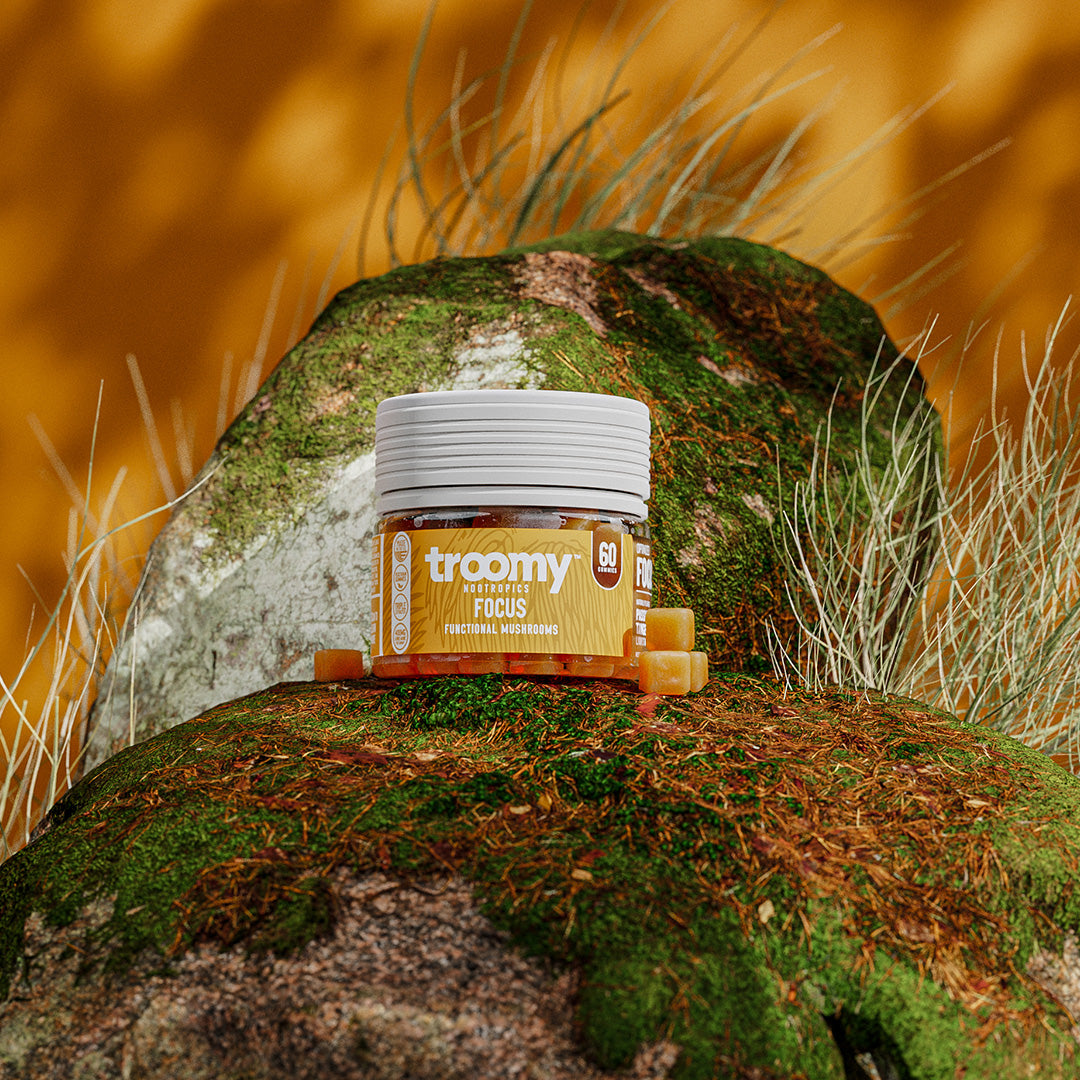
Our gummies are made in the USA, plant-based, vegetarian-friendly, and free from artificial colors or unnecessary fillers. When we say our Focus lion's mane gummies contain 400mg of lion's mane extract per gummy, that is 400mg of real, triple-extracted mushroom, not grain starch dressed up with a mushroom label.
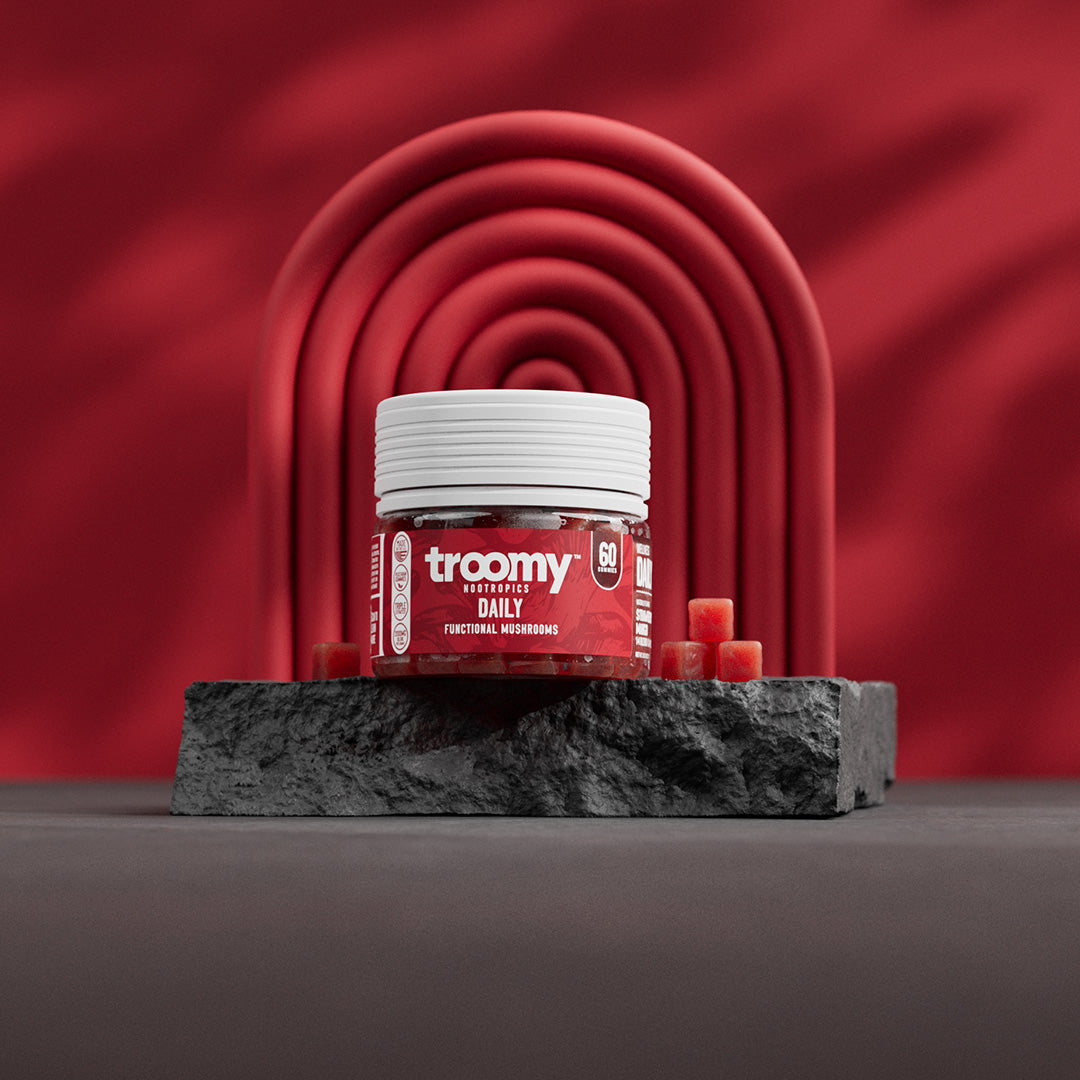
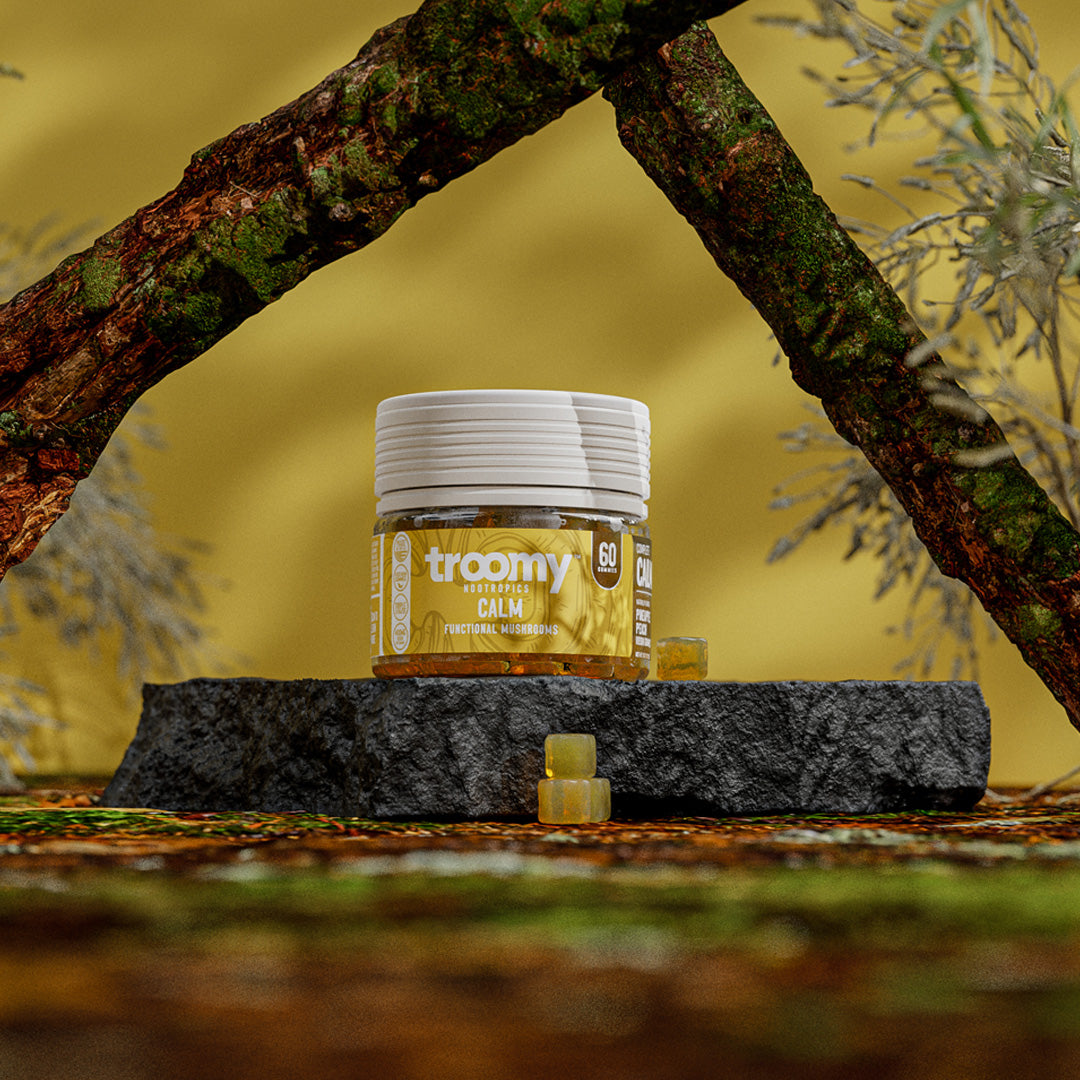
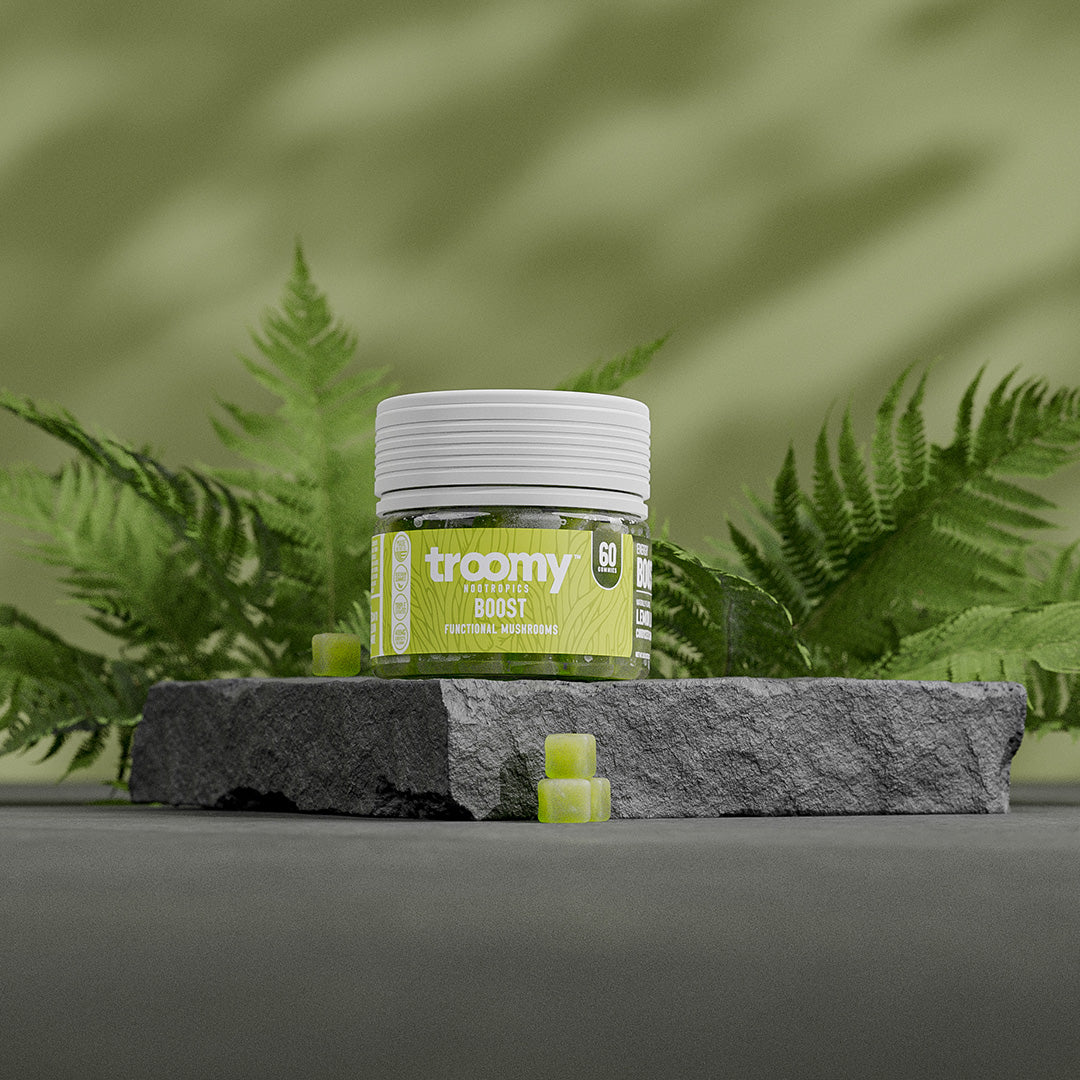
The same goes for our Calm reishi mushroom gummies, Boost cordyceps gummies, Sleep reishi and melatonin gummies, and our Daily 14-mushroom blend gummies which pack 2,000mg of 14 different functional mushrooms into every single gummy. Each formula is built to deliver real bioactive compounds in doses that matter, not trace amounts buried under fillers.
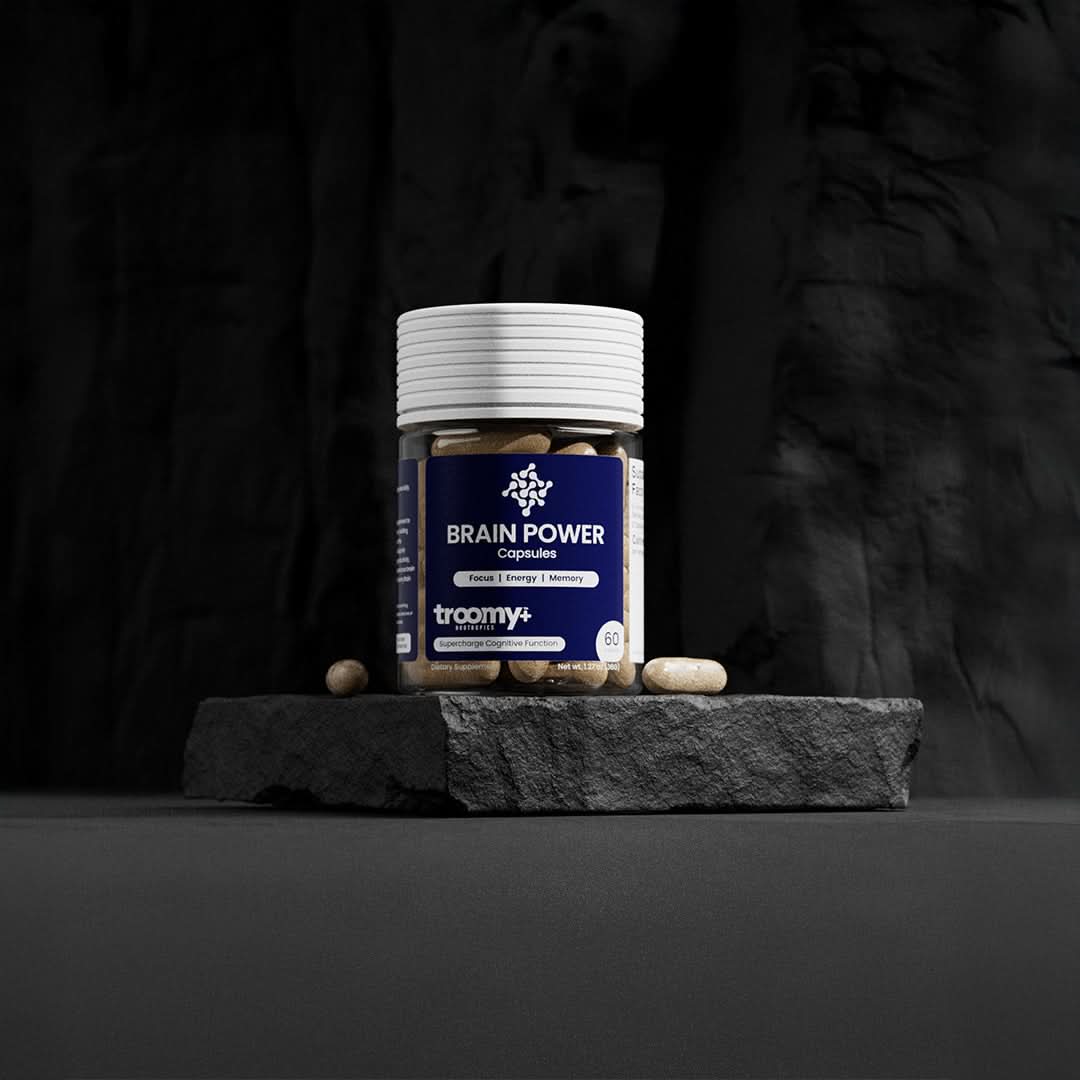
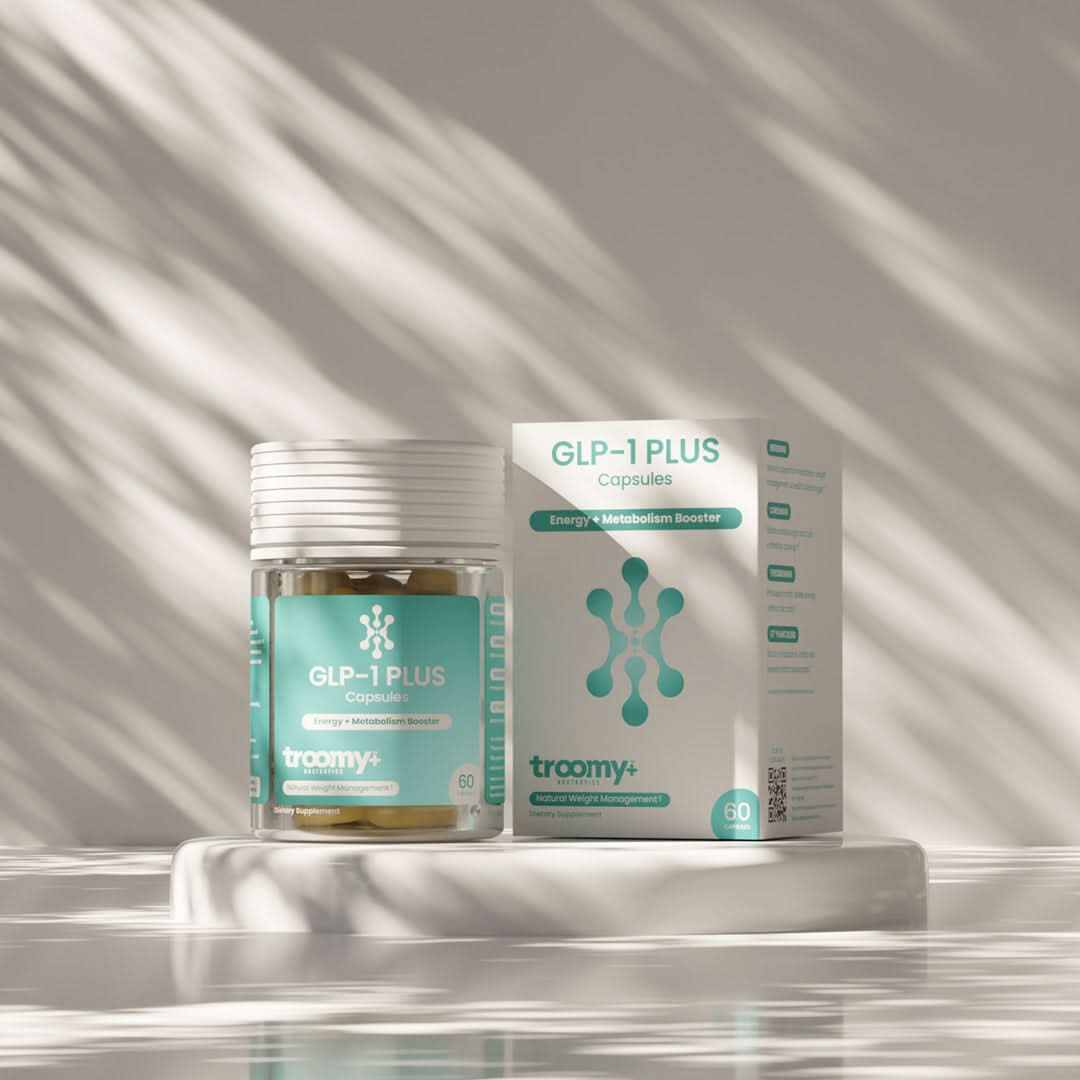
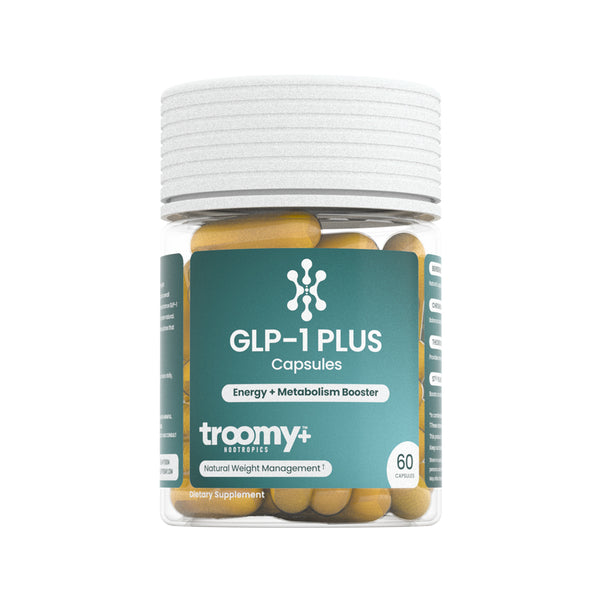
For those who prefer capsules, our Brain Power cognitive function capsules combine lion's mane with citicoline, L-theanine, cordyceps, and other research-backed nootropics for targeted cognitive support. And our GLP-1 Plus energy and metabolism capsules use berberine, chromium, and plant-based nutrients for natural weight management and metabolic balance.

How to Read a Mushroom Supplement Label Like a Pro
Shopping for mushroom supplements can feel overwhelming when every product claims to be the best. Here are the key things to look for on any label to separate quality from marketing.
Check for "fruiting body" on the label. Products made from fruiting bodies will clearly state this in the ingredients panel. If a product lists "myceliated grain," "myceliated brown rice," or "mycelium biomass" without specifying fruiting body content, you are likely getting a grain-heavy product.
Look for beta-glucan content. High-quality mushroom supplements will either state their beta-glucan percentage on the label or make it available through third-party testing. Fruiting body extracts typically contain 20% to 60% beta-glucans depending on the species. If a product does not mention beta-glucans at all, proceed with caution.
Understand the extraction method. Extraction determines how much of the mushroom's beneficial compounds actually end up in the final product. Hot water extraction pulls out beta-glucans. Alcohol extraction pulls out triterpenes. Triple extraction, which Troomy uses, combines multiple methods to deliver the broadest possible compound profile.
Be skeptical of vague language. Terms like "mushroom complex," "proprietary blend" (without dosage breakdowns), and "full spectrum" without supporting data are often used to obscure what is actually in the product. Transparency is a hallmark of quality.
Check where it is made. Manufacturing standards vary widely. Troomy products are all made in the USA under strict quality controls. For a deeper dive into why this matters, keep an eye out for our upcoming blog on why Made in the USA matters for mushroom supplements.
Building Your Mushroom Supplement Stack with Confidence
Once you understand the quality difference between fruiting body and mycelium products, you can build a mushroom supplement routine that actually delivers results. Different mushroom species target different areas of wellness, and stacking them allows you to cover multiple bases.
For focus and cognitive performance, Focus lion's mane gummies deliver 400mg of triple-extracted lion's mane per gummy, supporting mental clarity, memory, and reduced brain fog. Pair them with Brain Power capsules for a comprehensive nootropic stack. We covered this pairing in more depth in our blog on functional mushrooms for focus, productivity, and mental clarity.
For stress and calm, Calm reishi gummies offer 400mg of reishi extract per gummy to promote relaxation and support stress relief throughout the day. Learn more about how reishi supports emotional wellness in our guide on the best functional mushrooms for stress and anxiety.
For energy and fitness, Boost cordyceps gummies provide caffeine-free natural energy support powered by 400mg of cordyceps per gummy. Cordyceps has been studied for its potential to support endurance and oxygen utilization. Our blog on cordyceps mushrooms as a natural alternative to energy drinks covers why athletes and active people are making the switch.
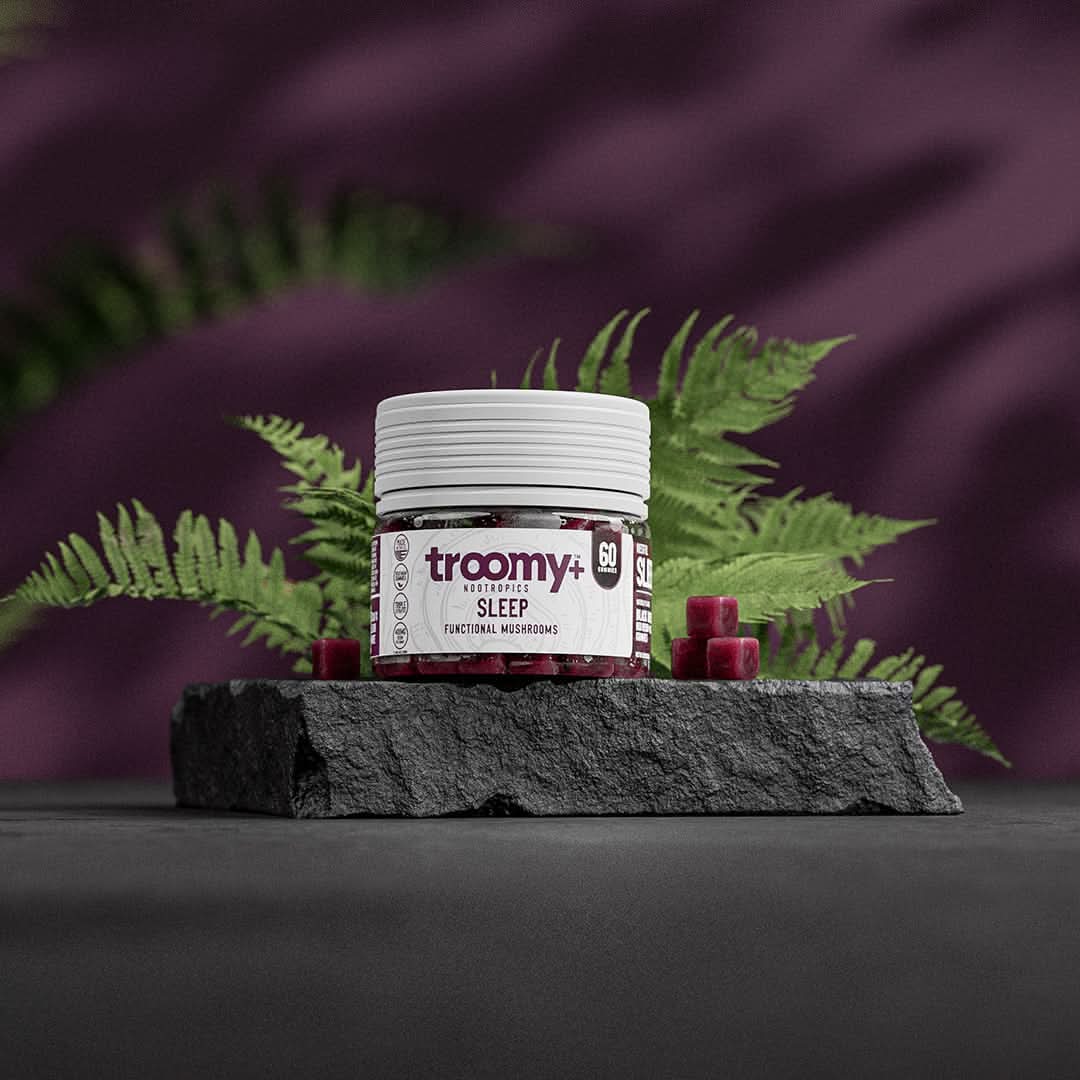
For sleep, Sleep reishi and melatonin gummies combine reishi with melatonin, passionflower, lemon balm, and chamomile for a comprehensive bedtime formula. Find out how these ingredients work together in our blog on how reishi and melatonin support sleep.
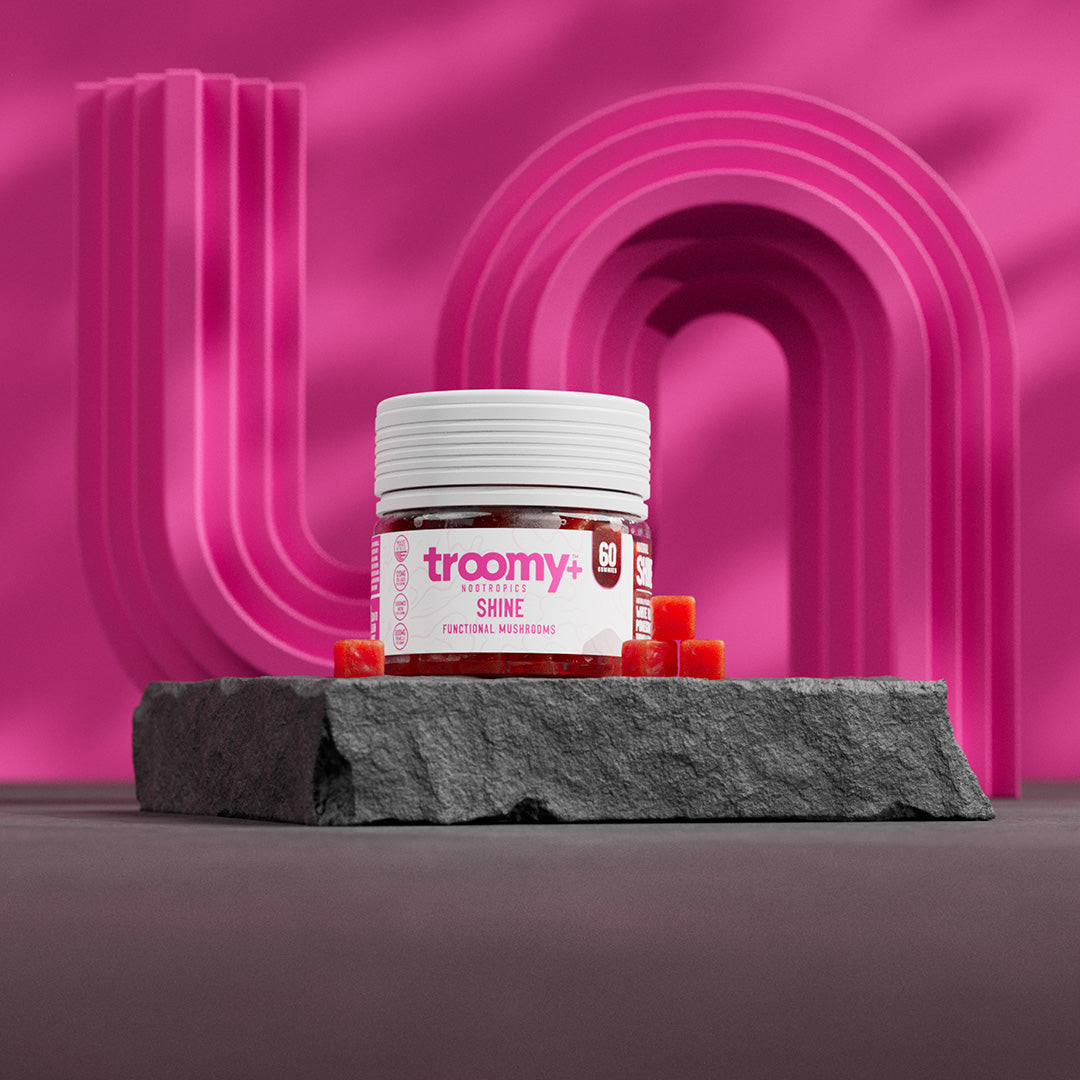
For beauty and skin health, Shine biotin, collagen, and tremella gummies combine 800mg of tremella mushroom with biotin and collagen for support from the inside out. Check out our blog on the tremella mushroom and its benefits for a full breakdown.
For total daily wellness, Daily 14-mushroom blend gummies deliver 2,000mg of 14 functional mushrooms in one gummy, including reishi, lion's mane, cordyceps, chaga, turkey tail, and maitake. It is the easiest way to cover your wellness bases with a single, great-tasting supplement.
For more stacking ideas, our guide on mushroom stacks 101 walks through the best combinations for different wellness goals. And if you want to simplify things, our curated bundles make it easy to build a complete stack at a better value.

The Bottom Line: Quality Starts with the Source
The difference between a mushroom supplement that works and one that does not often comes down to what is actually in the bottle. Fruiting body extracts consistently deliver higher concentrations of the beta-glucans, triterpenes, and secondary metabolites that give functional mushrooms their health-promoting properties. Mycelium-on-grain products, while not inherently worthless, frequently contain diluted amounts of these compounds alongside large percentages of grain starch.
"Full spectrum" should mean that a product captures the complete range of a mushroom's beneficial compounds through proper extraction. It should not be a buzzword used to mask low-quality formulations. At Troomy, we take full spectrum seriously. Our products are triple-extracted, made from quality mushroom material, produced in the USA, and formulated in fruit-forward flavors that make daily wellness easy and enjoyable.
Ready to experience the difference for yourself? Browse our full mushroom gummy collection or explore collections by benefit: brain health, energy, mood, bedtime, beauty, and immunity. Find your "True Me" with Troomy.
Frequently Asked Questions
What is the difference between fruiting body and mycelium in mushroom supplements?
The fruiting body is the visible mushroom cap and stem that grows above the surface. It contains the highest concentrations of beta-glucans, triterpenes, and other bioactive compounds. Mycelium is the underground root-like network that sustains the fungus. In supplements, mycelium is typically grown on grain, which means the final product often contains significant amounts of grain starch alongside diluted levels of fungal compounds.
Is mycelium bad in mushroom supplements?
Mycelium itself is not bad. It contains some beneficial compounds, and in certain species like lion's mane, the mycelium produces unique substances not found in the fruiting body. The issue is that most commercial mycelium supplements are grown on grain, and the grain cannot be separated from the mycelium before processing. This means the final product is often primarily grain starch with low concentrations of the active compounds consumers are seeking.
What does full spectrum mean on a mushroom supplement label?
In theory, full spectrum means the product contains the complete range of bioactive compounds found in the mushroom, including beta-glucans, triterpenes, ergosterol, and other metabolites. In practice, some companies use the term loosely to describe mycelium-on-grain products that may contain very little actual mushroom material. Look for products that specify their extraction method and beta-glucan content to verify that full spectrum claims are backed by substance.
What are beta-glucans and why do they matter?
Beta-glucans are polysaccharides found in the cell walls of mushrooms. They are the primary compounds responsible for the immune-modulating benefits associated with functional mushrooms. Research has shown that beta-glucan content in fruiting body extracts typically ranges from 25% to 66%, while mycelium-on-grain products often contain less than 10%. Higher beta-glucan content generally indicates a more potent and effective supplement.
What is triple extraction and why does Troomy use it?
Triple extraction is a multi-step process that uses water, alcohol, and additional techniques to pull the widest range of bioactive compounds from mushroom material. Water extraction captures beta-glucans and other water-soluble polysaccharides. Alcohol extraction captures triterpenes and other fat-soluble compounds. By combining these methods, triple extraction delivers a more complete compound profile than any single extraction method alone. Troomy uses triple extraction across its full product lineup.
How can I tell if a mushroom supplement is high quality?
Look for products that clearly state they are made from fruiting bodies. Check for verified beta-glucan content. Review the extraction method used. Avoid products that list "myceliated grain" as a primary ingredient without disclosing fruiting body content. Choose brands that manufacture in the USA with transparent labeling. Troomy checks all of these boxes across every product in our lineup.
Are Troomy products made from fruiting bodies?
Yes. Troomy products are formulated using mushroom fruiting bodies and mycelium, triple-extracted to capture the full range of beneficial compounds. All of our gummies and capsules are made in the USA, plant-based, vegetarian-friendly, and free from artificial colors or unnecessary fillers.
These statements have not been evaluated by the Food and Drug Administration. This product is not intended to diagnose, treat, cure, or prevent any disease.


