





Edible mushrooms enjoy a long history of human use. The fungi have been a staple in many cuisines, mostly beloved for their mouthwatering flavors.
But, according to emerging research, most edible mushrooms provide a lot more than their delectable taste. Supplementing with these products may provide several therapeutic benefits, too.
Adaptogenic mushrooms are perhaps the most popular category of medicinal mushrooms. These herbs have piqued the interest of wellness enthusiasts and researchers, thanks to their potent healing properties.
Incorporating adaptogenic mushrooms into your lifestyle might well be the best wellness decision in 2026.
However, you’ll need to begin easily by understanding how these herbs work. You can then add them to your daily routine, better informed.
Fortunately for you, we’ve prepared a comprehensive guide to adaptogenic mushrooms and why they’re all the rage. The post will also highlight the best practices for integrating these delightful treats into your wellness routine.
Unpacking Adaptogenic Mushrooms
Adaptogenic mushrooms are a class of medicinal mushrooms renowned for their anxiolytic properties. These fungi function as stress vaccines, helping the body cope better with anxiety.
Adaptogenic mushrooms not only enhance the body’s resilience against emotional stressors. They can also boost your response to physical and chemical stress, making them a welcome inclusion in any wellness regimen.
While the biological action varies, most adaptogenic mushrooms interact with the hypothalamic-pituitary-adrenal (HPA) axis - the body’s primary stress response system. The mushrooms promote a sense of relaxation by addressing chronically elevated cortisol levels.

Ways Adaptogenic Mushrooms Can Spice Up Your Daily Routine
1. Soothing Nervousness
Stress is a normal part of the human experience. It’s nearly impossible to go through a typical day without dealing with some form of stressors.
Whether it’s an annoying coworker or a backstabbing friend, these experiences can severely wear us down. Besides, prolonged feelings of nervousness may degenerate into a full-blown anxiety disorder.
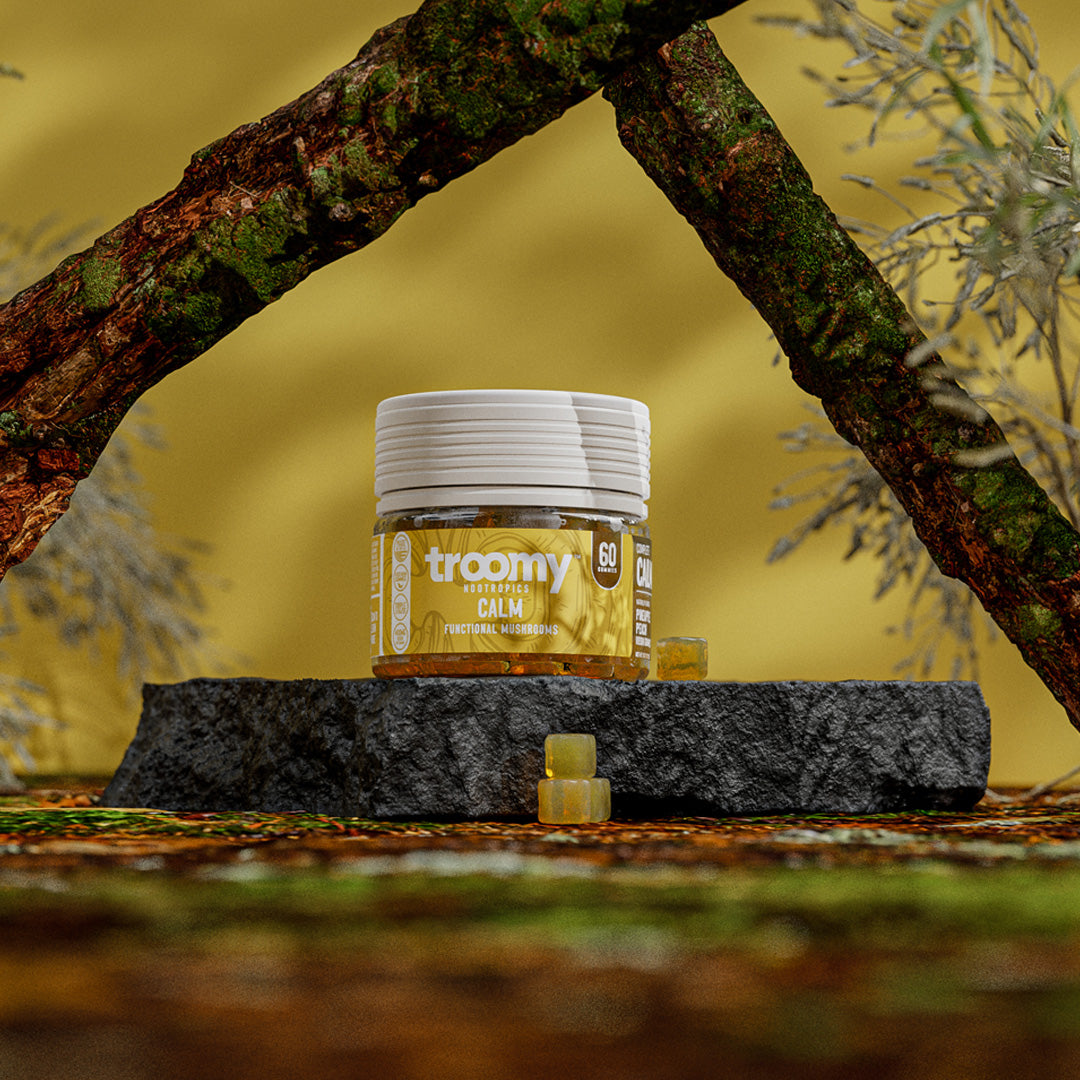
Adaptogenic mushrooms are one of the best stress support supplements. As mentioned, these fungi promote relaxation by impacting the hypothalamic-pituitary-adrenal axis.
2. Elevating Your Mood
Occasional mood swings are perfectly normal. But they’re no less annoying, and can derail your daytime productivity significantly.
Taking functional mushrooms for wellness may treat mood oscillations by calming the nerves.
Whether your mood swings are due to sleep deprivation or workplace dynamics, supplementing with adaptogenic mushrooms can stabilize your condition and help you cope with daily pressures.
3. Improving Focus
Stress and diminished mental concentration are correlated. Persistently racing thoughts can make it challenging to maintain focus, impacting your overall productivity.
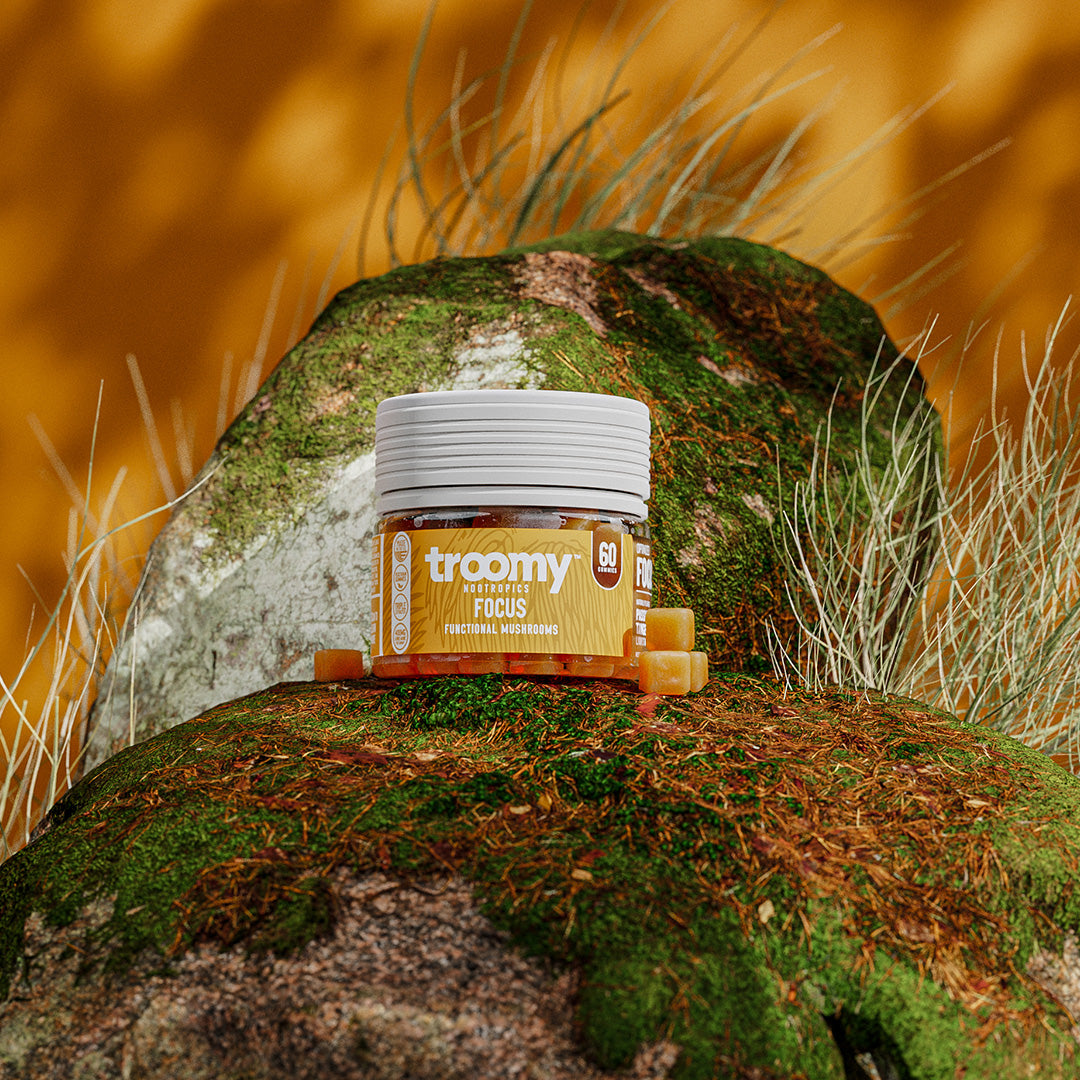
Your best bet is to supplement with adaptogens for focus.
Many adaptogenic mushrooms promote mental clarity by alleviating chronic nervousness. Some mushroom supplements for mental clarity, particularly those formulated with lion’s mane, also work by stimulating Nerve Growth Factor (NGF) synthesis.
4. Alleviating Pain and Inflammation
Pain and inflammation are ugly cousins. Besides sharing a cause-and-effect relationship, the two conditions are also core symptoms of various ailments.
Persistent aching and inflammation can slow down your routine significantly. But why let them when you can enjoy fast relief from adaptogenic mushrooms.
Like other plant-based adaptogens, mushrooms alleviate pain and inflammation by promoting muscle relaxation. Many adaptogenic mushrooms are slow-acting supplements, exerting their analgesic and anti-inflammatory effects for days.
5. Supercharging Energy Levels
Can’t get the simplest job done? Whether you’re grappling with physical lethargy or mental slump, adaptogenic mushrooms can offer a fast and effective remedy.
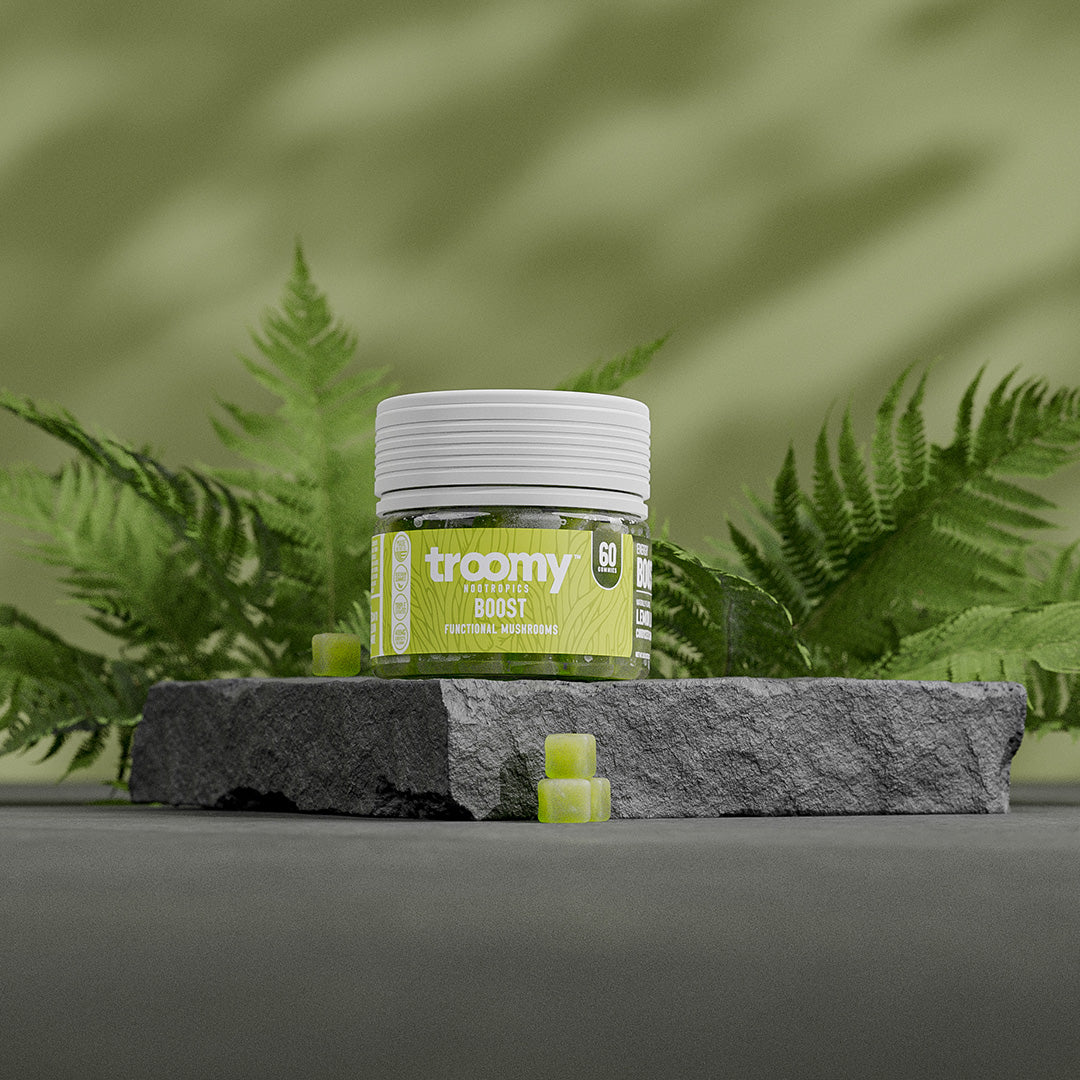
Cordyceps is one of the most potent mushroom supplements for energy. Studies have shown that this mushroom can boost Adenosine Triphosphate (ATP) production, revving up your energy levels.
Adaptogenic mushrooms are notably beneficial for professional athletes. The herbs boost muscle stamina and provide natural stress relief without inducing adverse effects, including those associated with caffeine.

6. Aiding Sleep
Sleep quality depends on the overall mental state. Intense nervousness in the late evening can prolong sleep onset time, while chronic conditions like post-traumatic stress disorder (PTSD) may cause frequent sleep disruptions.
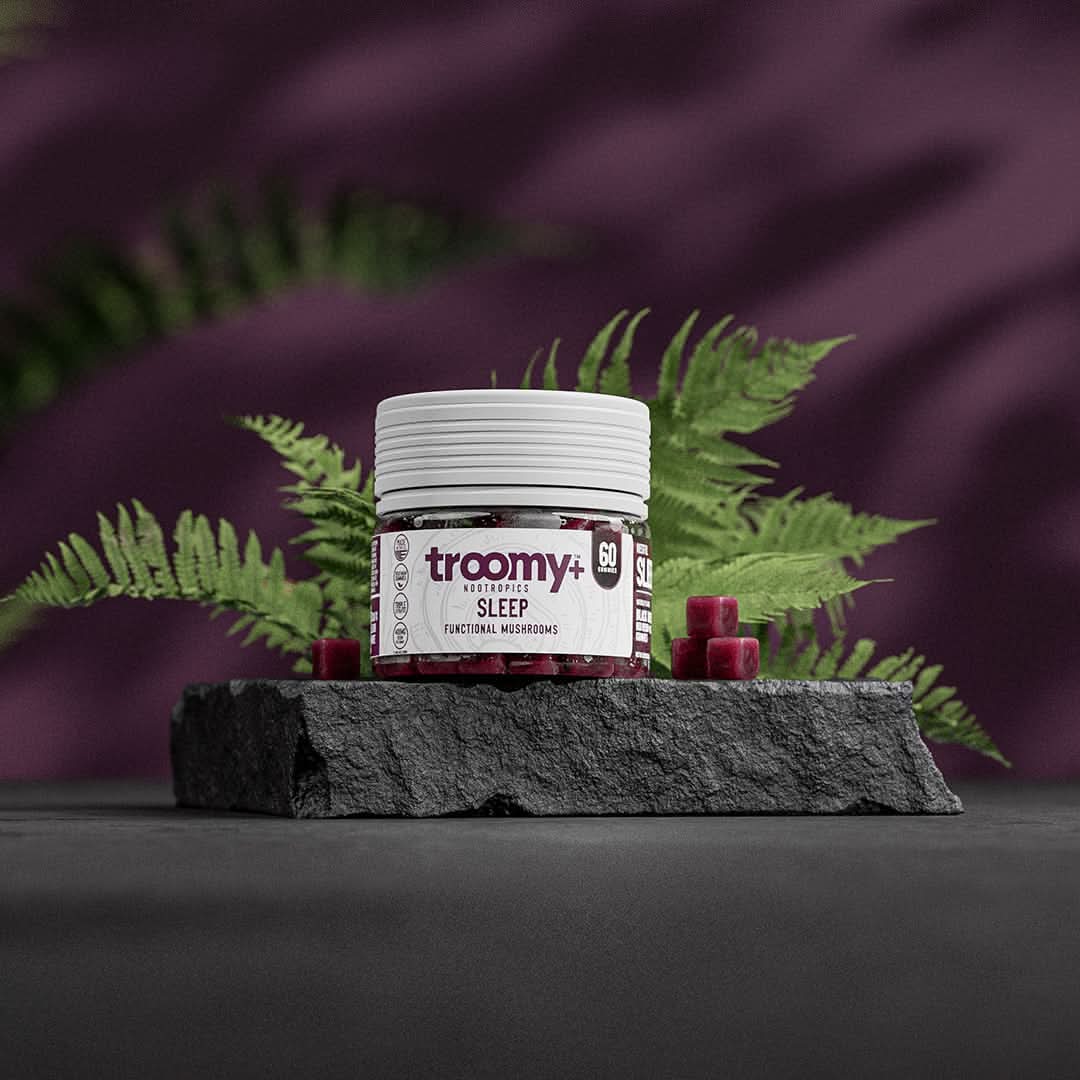
Supplementing with holistic wellness mushrooms can promote restful sleep at night, maximizing your productivity the day after.
A daily mushroom routine is particularly important for shift workers. It helps restore a healthy sleep-wake cycle, ensuring restful sleep despite erratic work schedules.
7. Slowing Down Neurodegeneration
Neurodegeneration is mostly an old-age phenomenon. However, it could also result from traumatic brain injuries (TBIs) caused by grievous accidents.
The resulting cognitive impairment can impact your daily routines and even reduce how effectively you perform activities of daily living (ADL).
Neurogenesis is one of the adaptogenic mushroom benefits. By stimulating NGF production, adaptogenic mushrooms can decelerate age-related cognitive decline caused by neurodegeneration.
The supplements serve as natural cognitive support, exerting their benefits without the adverse effects associated with synthetic nootropic drugs.
8. Guarding Against Chronic Ailments
Disease prevention is one of the long-term adaptogen benefits. While chronic ailments may take years to produce worrying symptoms, the ensuing treatments can disrupt your routines significantly.
Studies have found that nearly all adaptogenic mushrooms contain potent antioxidants, including beta-glucans and polysaccharides. When consumed, these compounds enter the bloodstream and guard against damage due to free radicals.
Daily adaptogen supplements prevent oxidative stress caused when free radicals accumulate dangerously in body cells. The effect? Improved immunity and reduced risks of long-term diseases.
Frequently Asked Questions
1. What are adaptogenic mushrooms?
Adaptogenic mushrooms are medicinal mushrooms that promote stress resilience.
2. What are some potent adaptogenic mushrooms?
Although adaptogenic mushrooms number in the dozens, the most popular ones are lion’s mane, chaga, reishi, and cordyceps.
3. Do adaptogenic mushrooms work?
Mounting evidence indicates that adaptogenic mushrooms possess incredible health benefits, with many findings citing them as being remarkably safer than conventional antidepressants.
4. How else might adaptogenic mushrooms help your daily routine?
Besides promoting stress resilience, other noteworthy benefits of adaptogenic mushrooms include supporting cognitive functioning, managing chronic pain, combating fatigue, and boosting overall immunity.
5. Will adaptogenic mushrooms get me high?
Adaptogenic mushrooms won’t get you high since they lack psilocybin, the psychedelic chemical in magic mushrooms.

Wrap Up
Adaptogenic mushrooms aren’t just irresistibly delicious. They also pack immense therapeutic properties that make them a welcome inclusion in any wellness routine.
Besides serving as stress vaccines, adaptogenic mushrooms also possess nootropic properties. Supplementing with these fungi may help decelerate age-related cognitive decline.
Adaptogenic mushrooms possess potent antioxidants, too. The mushrooms’ active compounds can inhibit free radical accumulation, guarding against various chronic illnesses.
Coupled with their energizing properties, analgesic effects, and incredible safety profile, it’s unsurprising that many wellness enthusiasts are steadily shifting towards adaptogenic mushrooms.
However, note that mushroom supplements aren’t made equal. Research widely before integrating these products into your lifestyle.
Choose supplements infused with renowned adaptogens like chaga and lion’s mane. Even better if the products are reinforced with other useful botanicals, such as delta-9 tetrahydrocannabinol (THC), chamomile, and lavender.


