



Lion's mane (Hericium erinaceus) is one of the most popular mushrooms. And that has more to do with its iconic appearance.
According to research, consuming the best lion's mane supplement may soothe various common ailments. The mushroom is mostly beloved for its adaptogenic effects.
Lion's mane also possesses analgesic and anti-inflammatory properties. Besides, some findings indicate it might boost immunity by neutralizing the adverse effects of free radicals.
The brain is one of the vital organs that can benefit immensely from Hericium erinaceus supplements. In this post, we explore the various ways regular lion's mane consumption may support brain health.
Unveiling Lion's Mane
Lion's mane is a popular mushroom with a long history of human use. While originally a staple in culinary delights, lion's mane also gained considerable attention over the years for its therapeutic benefits.
The name "lion's mane" is not accidental. Rather, it's a tribute to the mushroom's cascading spines that resemble the King of the Jungle's majestic mane.
Due to its sweeping popularity across the global wellness community, lion's mane now comes in various formulations. You can consume the edible mushroom fresh, dried, canned, or in fancy preparations like gummies.
It doesn't matter which formulation you opt for. The best lion's mane supplement will deliver potent bioactive compounds to your system, providing fast-acting therapeutic relief.
How Lion's Mane Impacts Your Brain's Health
1. Stimulating NGF
Neurologically, lion's mane rose to prominence for its positive impact on the Nerve Growth Factor (NGF).
Studies have shown that administering lion's mane extract may stimulate NGF, providing several health benefits.
Each serving of high-quality lion's mane supplements delivers herinenones and erinacines to your system. The two compounds work synergistically to stimulate NGF, fostering healthy growth and maintenance of neurons.
Note that herinenones mostly occur in lion's mane's fruiting body, while erinacines are concentrated in the mycelium. Therefore, insist on a lion's mane mushroom supplement formulated from both parts of the fungus.
2. Guarding Against Alzheimer's
Alzheimer's disease (AD) is one of the most bothersome old-age disorders. The condition mostly presents in diminished memory, impacting a senior's ability to undertake activities of daily living (ADL).
While aging is inevitable, you might slow down AD by integrating lion's mane edibles into your lifestyle.
Lion's mane is one of the most effective cognitive support supplements. By stimulating NGF, the mushroom may decelerate AD-associated memory loss significantly.
Besides, additional findings have shown that Hericium erinaceus may reduce amyloid plaque formation. A daily lion's mane supplement might combat AD and other age-related cognitive disorders.

3. Promoting Neurogenesis
Lion's mane's active ingredients - herinenones and erinacines - are actively involved in neurogenesis.
Again, that has much to do with their effects on the Nerve Growth Factor.
Supplementing with Hericium erinaceus extracts regularly can activate several biological mechanisms involved in neuron production. No wonder many experts highly recommend lion's mane for focus and memory.
But herinenones and erinacines don't just promote the generation of new neurons. They also preserve existing neurons, compounding lion's mane benefits for brain.
4. Enhancing Cognitive Performance
Cognitive decline seldom happens overnight. Unless you're a victim of traumatic brain injuries (TBIs), you'll typically start losing your mental faculties in your senior years.
Regular doses of mushroom supplements for brain health might be the surest way to avert age-related cognitive degeneration. And while you can select from several options, a few compare to lion's mane's efficacy.
The herinenones and erinacines in lion's mane deliver enduring health benefits.
As such, consuming a measured lion's mane dosage regularly may guard against cognitive degeneration during your sunset years. It's one of the best ways to prepare for the memory deterioration that typifies old age.
5. Fighting Stress
Lion's mane is a renowned adaptogen. Adaptogens are natural substances that promote the body's resilience against stress.
While best known for their positive effects on emotional nervousness, adaptogenic herbs might also cushion you from physical and chemical stressors. These botanicals contain bioactive compounds that serve as stress vaccines by regulating the hypothalamus-pituitary-adrenal (HPA) axis.
Note that stress can lead to chronically elevated cortisol levels, reducing your cognitive performance. Consuming lion's mane for mental clarity quells racing thoughts and restores a state of calm.
Like other adaptogenic mushrooms, lion's mane may also fight stress after the fact by lowering cortisol levels.

6. Reducing Anxiety and Depression
Stress may be inevitable. But without urgent intervention, prolonged nervousness can escalate to anxiety and depression.
Lion's mane is one of the natural nootropics noted for their anti-depressant effects. By promoting stress management, the mushroom may effectively avert anxiety and depression.
Besides, some findings indicate that taking functional mushrooms for cognition might regulate hippocampal function. This induces neurogenesis, preventing depression associated with neurodegeneration.
7. Protecting Myelin
Myelin is the fatty, white substance that insulates neuronal axons. It ensures the seamless transmission of electrical impulses across the body.
According to some experts, lion's mane might be the best mushroom supplement for brain due to its ability to protect myelin.
The herinenones and erinacines in lion's mane preserve oligodendrocytes, the cells responsible for repairing the nerve fibers surrounding the myelin sheath.
Accelerating Wellness Goals With Lion's Mane Supplements
Lion's mane isn't just famous for its stunning visuals. The mushroom may also provide immense therapeutic benefits, including nourishing the brain.
Lion's mane supports brain health by promoting neurogenesis. While the biological mechanism may vary, the mushroom notably activates neural regeneration by stimulating Nerve Growth Factor.
Findings also cite Hericium erinaceus for its potent nootropic properties. Administering the best lion's mane supplement may aid various cognitive functions, including mental concentration and memory consolidation.
However, the efficacy of lion's mane supplements depends on a product's chemical composition.
To unlock the mushroom's therapeutic benefits, insist on supplements infused with all-natural ingredients.
The best lion's mane edibles should contain significant potencies of the mushroom's active compounds. Even better if the product also features other potent medicinal mushrooms, such as chaga and reishi.
In the same breath, shun lion's supplements are laced with known toxins. Excess additives can degrade the mushroom's therapeutic efficacy and expose you to unpleasant effects.
Frequently Asked Questions
1. What is the best lion's mane supplement?
The best lion's mane supplement should provide higher concentrations of herinenones and erinacines, alongside other renowned nootropic compounds.
2. Is lion's mane the only medicinal mushroom?
Lion's mane is among the dozens of therapeutic mushrooms, which also include reishi, chaga, cordyceps, maitake, shiitake, etc.
3. What are the best lion's mane supplement brands?
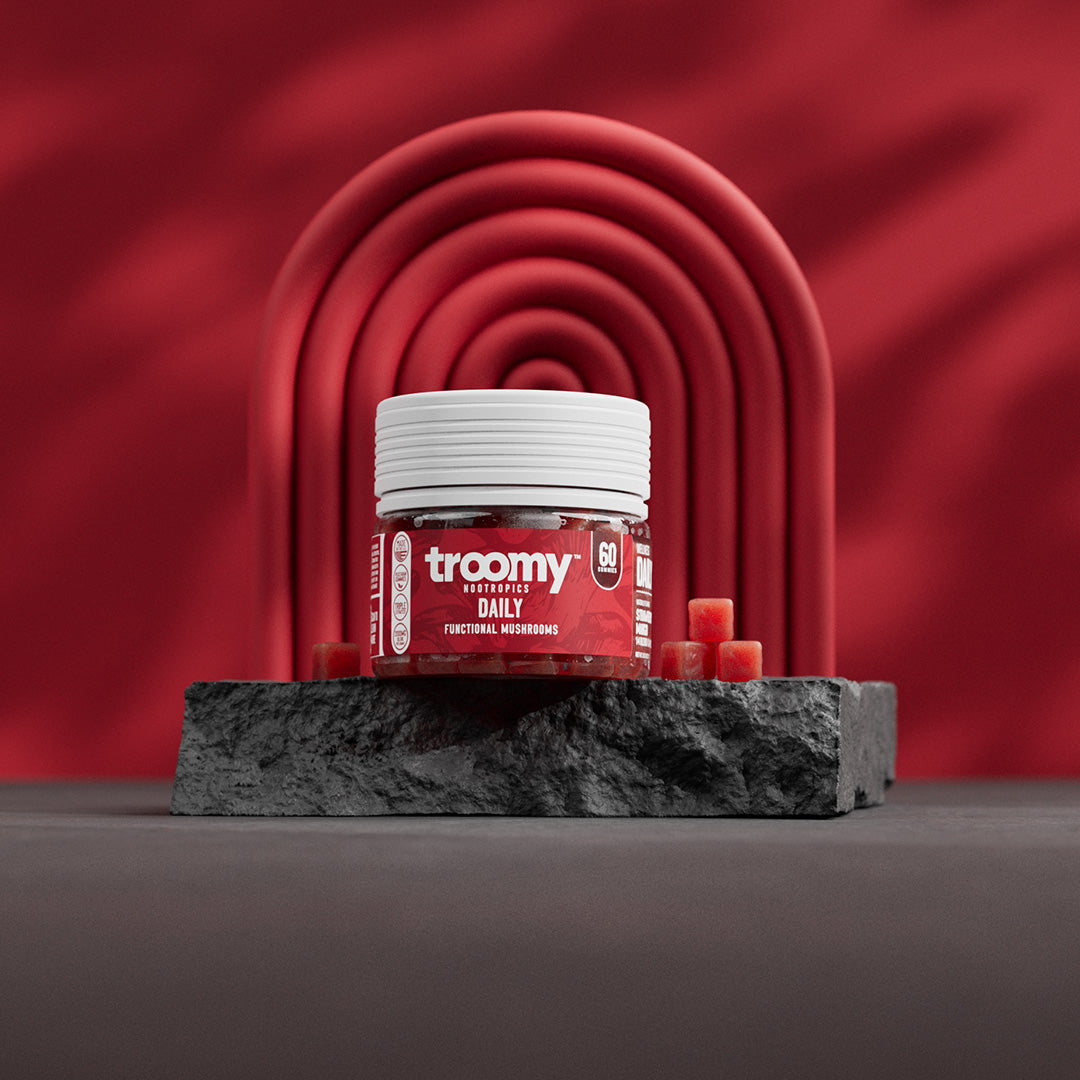
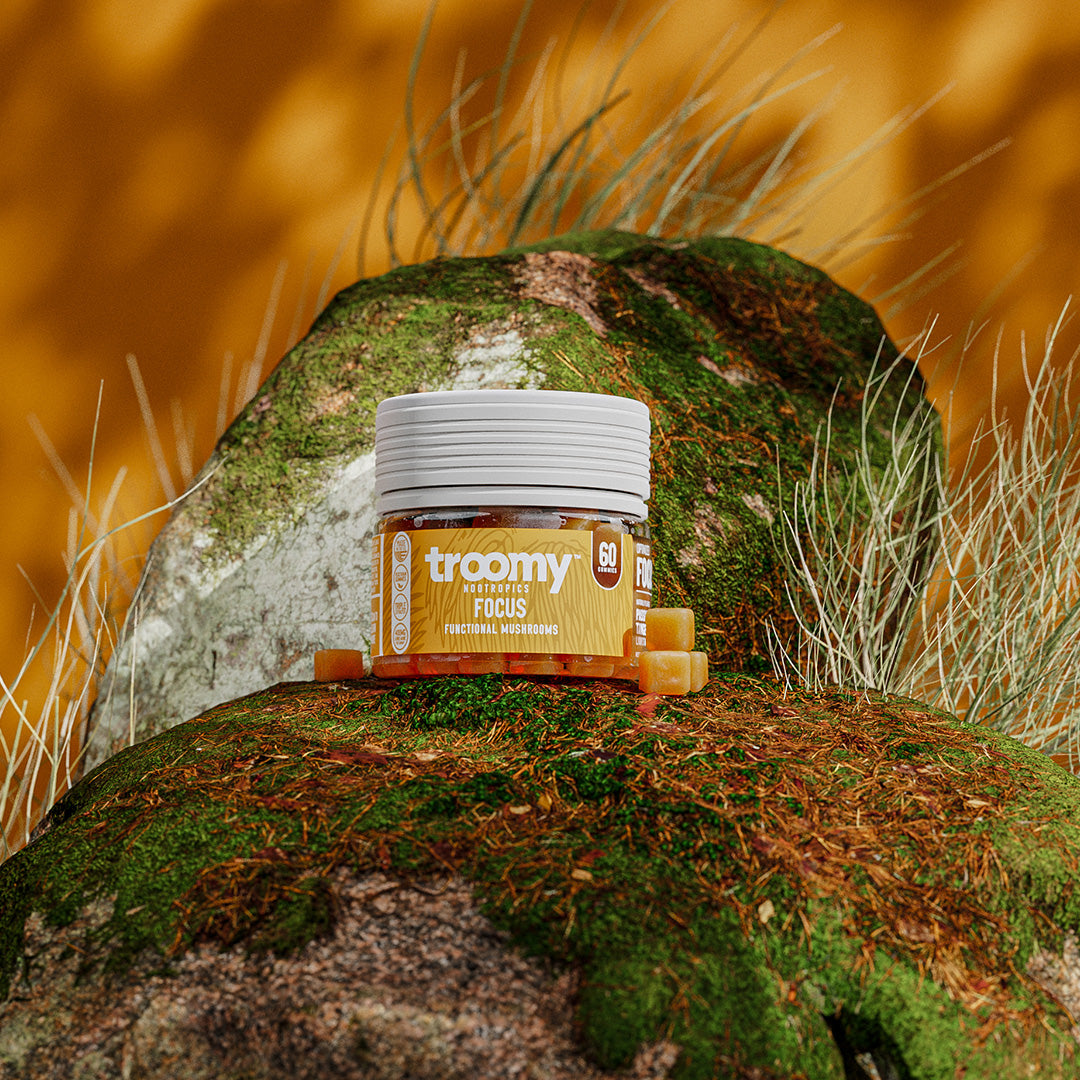
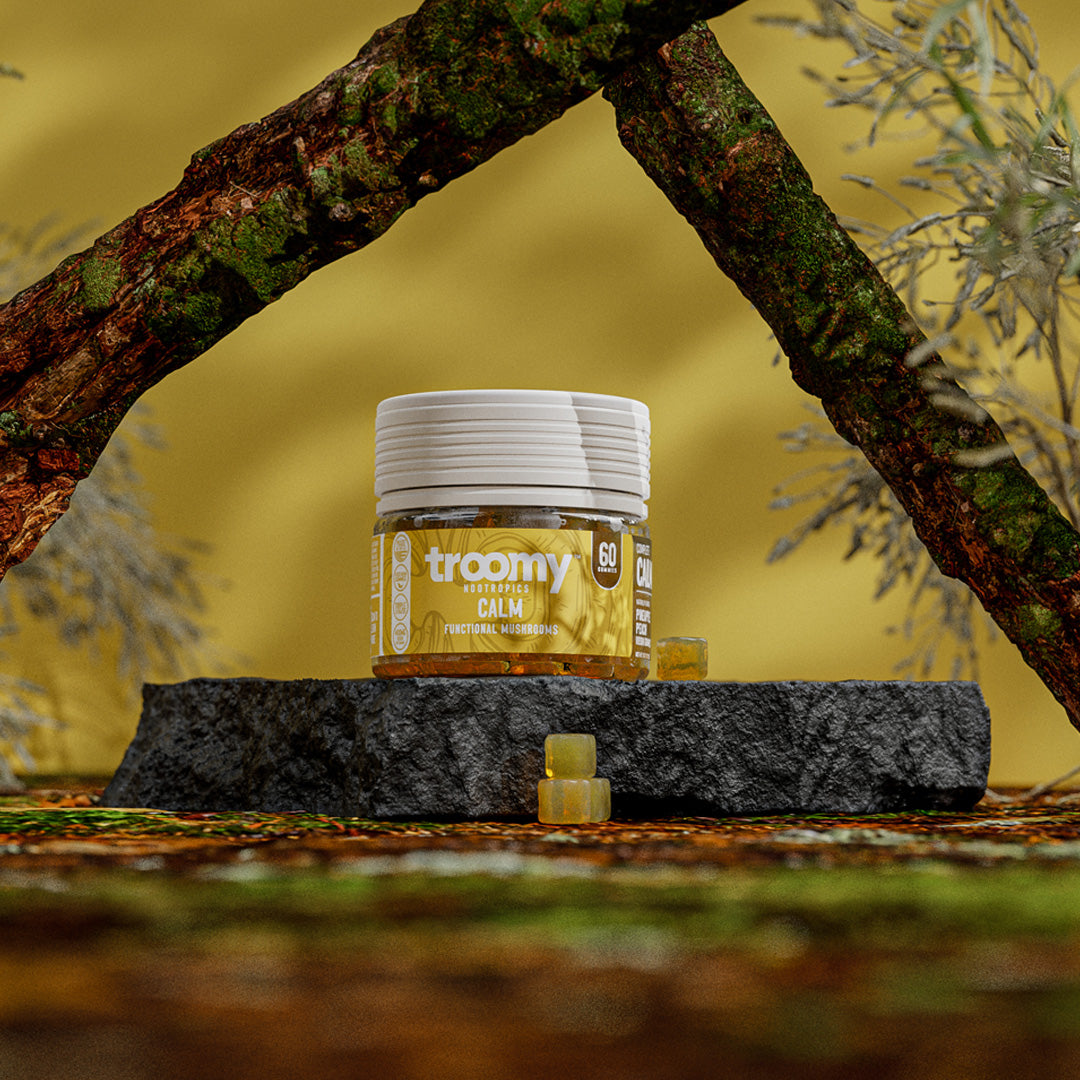
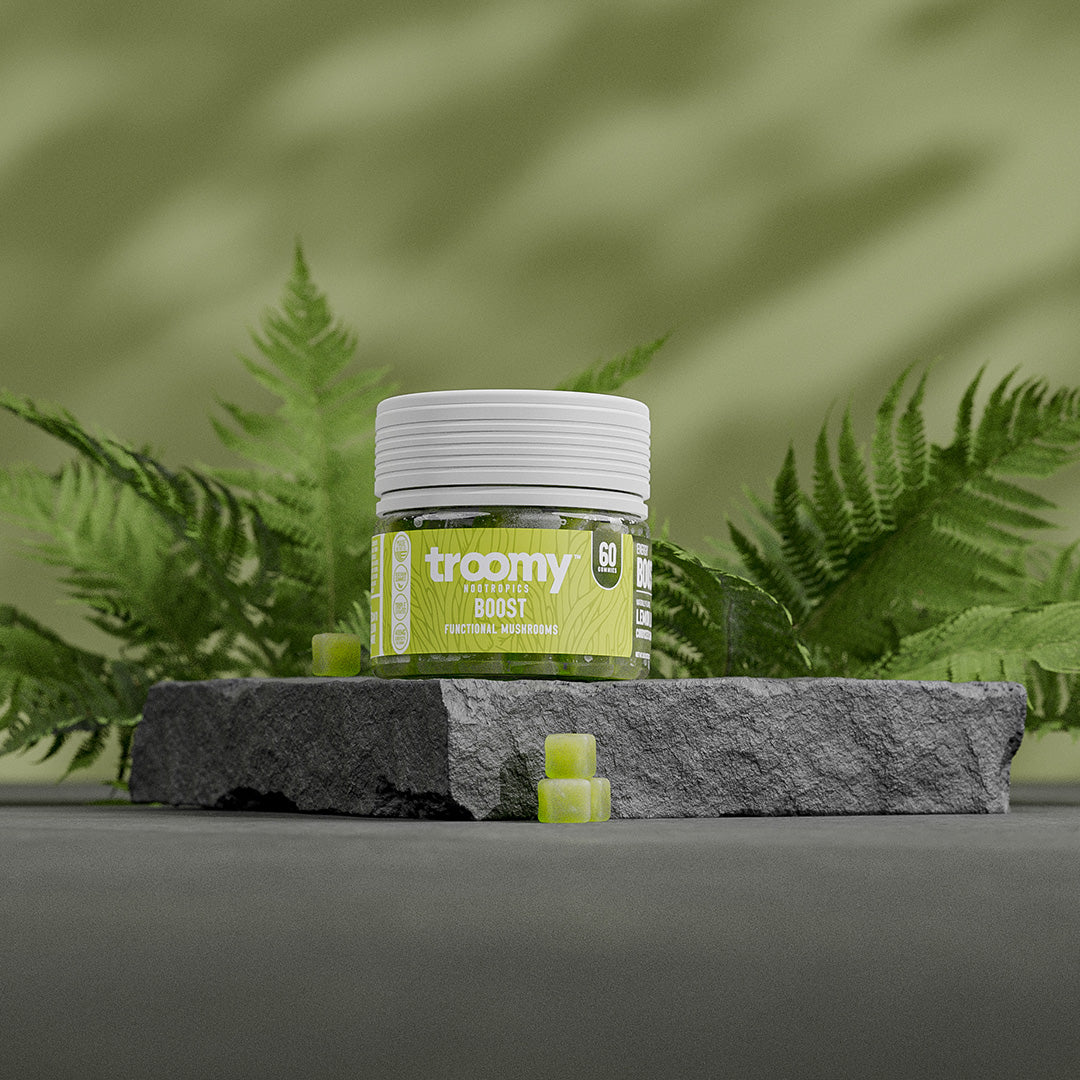
Troomy is a leading lion's mane supplement brand noted for its insistence on top-shelf medicinal mushrooms.
4. How much lion's mane to take?
Lion's mane doses vary by potency and the intended wellness benefits.
5. Will lion's mane get me high?
Unlike psilocybin-containing mushrooms, lion's mane won't get you high.


