



Lion's mane has earned its reputation as one of the most talked-about functional mushrooms in wellness circles, and for good reason. People are using it to sharpen focus, support memory, and build a daily cognitive edge without relying on stimulants or synthetic compounds. But as its popularity grows, so do the questions: How much lion's mane should you actually take? Is there a point where you can take too much? And does the form it comes in, extract or powder, actually matter?
This guide covers everything you need to know about lion's mane dosage, from the right starting point to the real upper limit, plus how timing and format can shape your results.
Why Lion's Mane Is Worth Adding to Your Daily Routine
Before getting into numbers, it helps to understand why lion's mane has become such a staple in functional wellness. This mushroom is rich in bioactive compounds called hericenones and erinacines, which are linked to the stimulation of nerve growth factor (NGF) production in the brain. NGF plays a key role in the growth, maintenance, and survival of neurons, making lion's mane particularly interesting for anyone focused on long-term cognitive health.
Beyond brain support, lion's mane also offers antioxidant and anti-inflammatory properties that contribute to broader wellness goals, including immune function and cardiovascular support. It is not a magic pill, but as a consistent daily supplement, it has real science behind its reputation.
The key word there is consistent. Lion's mane tends to build up over time rather than deliver dramatic same-day effects. That makes the question of dosage especially relevant, because the goal is finding an amount that delivers steady, cumulative benefits without overdoing it.
What Is the Right Lion's Mane Dosage?
Most research and general supplementation guidance points to a range of 500mg to 3,000mg per day as a reasonable working range for lion's mane. The wide range reflects the fact that individuals respond differently depending on factors like body weight, metabolism, diet, and overall health habits.
For someone new to lion's mane, starting at the lower end of that range, around 400mg to 500mg per day, is a practical approach. It gives your body time to adjust and lets you observe how you respond before gradually increasing. Many people find that 1,000mg to 1,500mg per day hits a useful sweet spot for cognitive support without unnecessary excess.
The important thing to remember is that lion's mane is not a pharmaceutical with a strict prescribed dose. The goal is to find the amount that works for your body and lifestyle, and then stay consistent with it. That consistency matters far more than chasing a specific number.
Lion's Mane Dosage Per Day: What the Research Suggests
Clinical research on lion's mane has used a range of daily doses, with studies generally falling between 500mg and 3,000mg per day in humans. One of the most frequently cited studies, published in Phytotherapy Research, used 3,000mg per day divided across three doses and observed measurable improvements in cognitive function in older adults with mild cognitive impairment over 16 weeks.
Other studies have used lower amounts with positive results, suggesting that you do not necessarily need to reach the high end of the dosage range to benefit. The practical takeaway is that 500mg to 1,500mg per day appears to be the most studied and commonly recommended range for general cognitive and wellness support.
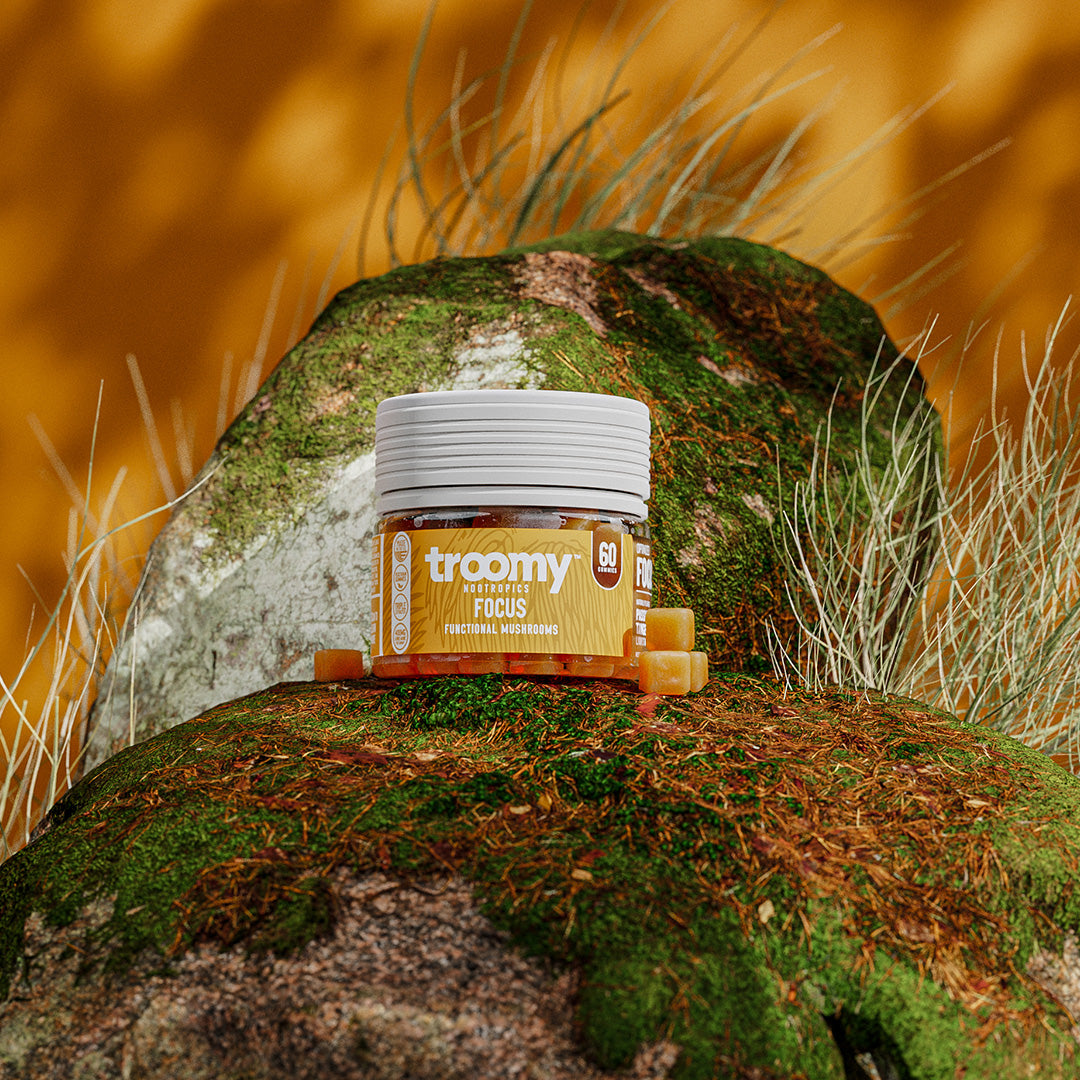
For reference, each Troomy Focus Lion's Mane Gummy delivers 400mg of triple-extracted lion's mane mushroom. Taking one to two gummies per day puts you comfortably within this researched range, making it easy to build a consistent habit without overcomplicating your routine.
Ready to build your daily lion's mane habit? Check out Troomy's Focus Lion's Mane Gummies for a clean, convenient way to get your daily dose.
How Much Lion's Mane Is Too Much?
This is the question most people want a straight answer to, and the good news is that lion's mane has a strong safety profile. In preclinical studies, doses as high as 5,000mg per day did not produce significant toxic effects, and human research has not identified a clear toxicity threshold at typical supplementation amounts.
That said, taking more than necessary does not mean better results. Once you are in the upper range of your effective dose, additional amounts are unlikely to provide compounding benefits and may increase the chance of mild side effects like digestive discomfort. For practical purposes, staying below 3,000mg per day is a sensible upper limit for regular supplementation without clinical supervision.
The more common issue people encounter is not toxicity but ineffectiveness from taking too little, or inconsistency from skipping days. If you are not seeing results, the answer is usually more consistency, not more milligrams.
At 400mg per gummy, Troomy's Focus blend keeps you well within the safe and effective range, and the gummies make it easy to stay consistent without thinking too hard about your daily dose.
Lion's Mane Extract vs Powder: What's the Difference?
When you are shopping for lion's mane, one of the most important decisions is choosing between an extract and a whole mushroom powder. These are not interchangeable, and the distinction has a real impact on what you are actually getting per serving.
Whole mushroom powder is made by drying and grinding the fruiting body of the mushroom into a fine powder. It contains the full spectrum of the mushroom's compounds, but the bioactive components, including hericenones and erinacines, may be present in lower concentrations and can be harder for the body to absorb. The cell walls of mushrooms are made of chitin, which humans do not digest efficiently, meaning some of the beneficial compounds can pass through without being fully utilized.
Lion's mane extract goes through an additional processing step, typically using hot water, alcohol, or a combination of both, to break down those cell walls and concentrate the bioactive compounds into a more bioavailable form. A dual or triple extraction process is widely considered the gold standard because it captures both water-soluble and alcohol-soluble compounds, giving you a more complete and potent product per milligram.
Troomy uses a triple-extraction process for its lion's mane products, which means you are getting more of what actually matters out of every serving. When comparing label claims, an extract with a high ratio like 8:1 or 10:1 will deliver significantly more active compounds than the same weight in raw powder, which is worth factoring in when evaluating cost and effectiveness.
The short version: if results are your priority, extract wins. Whole mushroom powder has its place and retains some nutritional value, but for targeted cognitive support, a concentrated extract is generally the smarter choice.
When Is the Best Time to Take Lion's Mane?
Timing matters less than consistency when it comes to lion's mane, but there are a few patterns that tend to work well for most people.
Taking lion's mane in the morning is probably the most popular approach, especially for those using it for focus and productivity. Pairing it with breakfast or your morning coffee helps your body absorb the compounds alongside food, which can also reduce the chance of any mild stomach sensitivity if you are starting out.
Some users prefer splitting their daily dose across morning and midday rather than taking it all at once. This approach can help maintain steadier levels of the mushroom's active compounds throughout the day, which some people find more effective for sustained mental clarity.
There is no strong evidence that taking lion's mane at night is counterproductive, and some users report that it supports restful sleep. However, if you find that it gives you a noticeable energy boost, sticking to morning or daytime use is the safer bet for sleep quality.
The clearest guidance is this: pick a time that fits your schedule and stick with it. Building lion's mane into an existing habit, like your morning coffee or your daily vitamins, dramatically improves the consistency that drives results.
Lion's Mane Side Effects and Safety Considerations
Lion's mane has a well-established safety profile and is generally considered non-toxic at typical supplementation doses. That said, like any supplement, it is worth knowing what to watch for, especially when you are first starting out.
The most commonly reported side effect at higher doses is mild digestive discomfort, including bloating, nausea, or an upset stomach. This is more likely to occur if you are taking lion's mane on an empty stomach or starting at a high dose right away. Beginning with a lower amount and taking it with food addresses this for most people.
Allergic reactions to lion's mane are rare but possible, particularly in people who have sensitivities to other fungi or mushrooms. If you experience itching, rash, or any unusual symptoms after starting lion's mane, discontinue use and consult a healthcare professional.
A small number of users report changes in energy levels, either feeling more alert or, in less common cases, slightly drowsy. This tends to be dose-dependent and usually stabilizes once your body adjusts.
If you are pregnant, nursing, or taking medication for blood sugar or blood clotting, it is worth checking with your doctor before adding lion's mane to your routine, as some early research suggests it may interact with these conditions. Lion's mane is a wellness supplement, not a medical treatment, and it is always wise to loop in a healthcare provider when in doubt.
How to Take Lion's Mane: Your Format Options
Lion's mane comes in several forms, each with its own practical trade-offs.
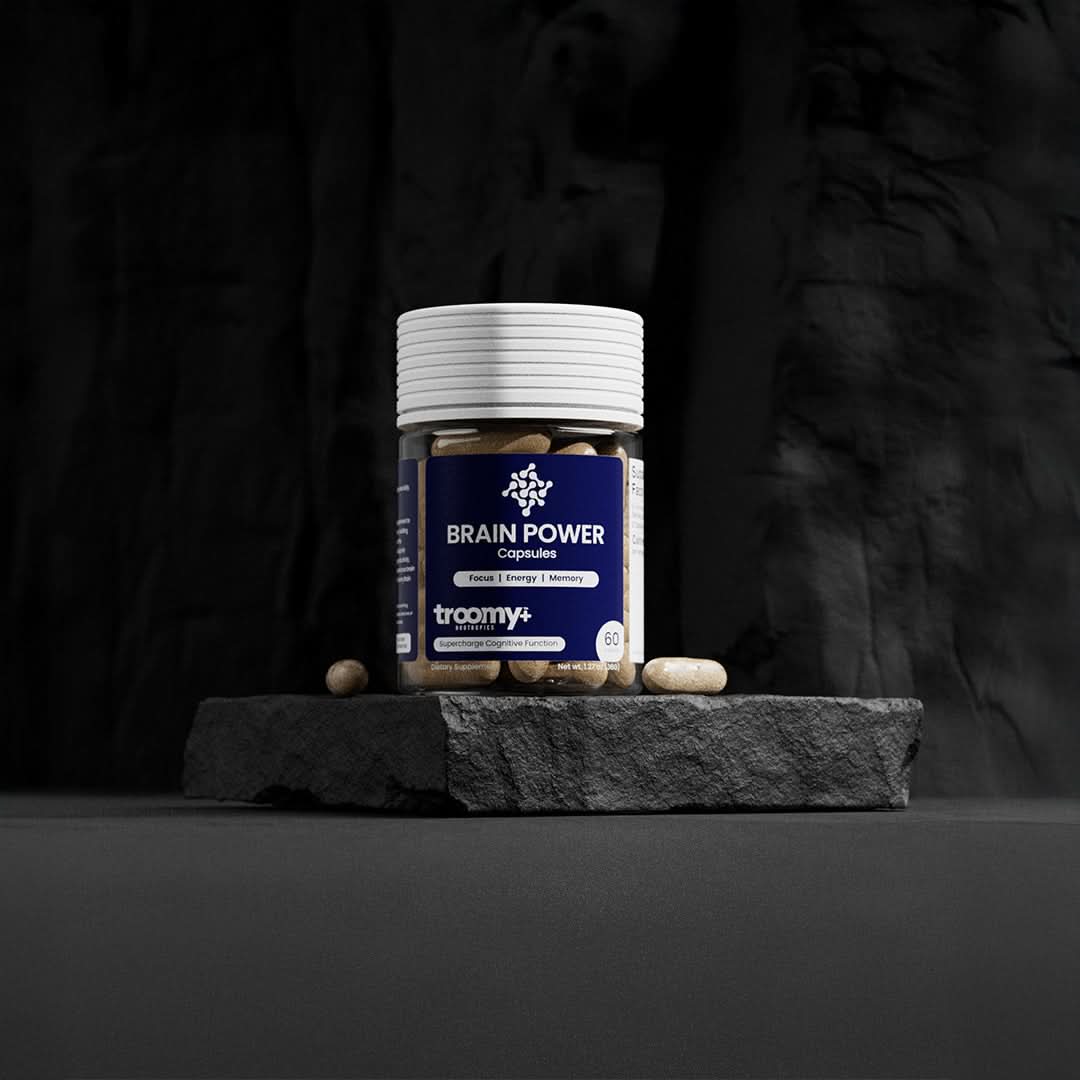
Capsules are one of the most straightforward options. They are tasteless, portable, and easy to work into a supplement stack. For people who want precise dosing and do not care about the sensory experience, capsules are a reliable choice. Troomy's Brain Power Cognitive Function Capsules combine lion's mane with other nootropic ingredients for comprehensive cognitive support in a clean, easy capsule format.
Gummies offer a convenient and enjoyable alternative, especially for people who dislike swallowing capsules or want a daily supplement that feels more like a treat than a chore. Troomy's Focus Lion's Mane Gummies use real fruit flavors and 400mg of triple-extracted lion's mane per gummy, making them one of the most approachable ways to build a consistent daily habit.
Powder is often the most economical option per gram and mixes well into coffee, smoothies, or other drinks. The trade-off is that whole mushroom powder is typically less concentrated than extract, and the flavor can be earthy. If you go the powder route, look specifically for an extract powder rather than ground whole mushroom to maximize bioavailability.
Lion's mane coffee blends have also gained popularity by combining the mushroom with coffee for a morning cognitive boost. These work well for existing coffee drinkers who want an easy way to add lion's mane to their routine, though the dose per serving is often lower than a dedicated supplement.
Find Your Sweet Spot with Troomy
Getting the dosage right with lion's mane comes down to a few simple principles: start in the researched range, stay consistent, and choose a high-quality extract that your body can actually use. You do not need to chase the highest possible milligram count to see results. You need the right dose, taken regularly, from a product that actually delivers what it promises on the label.
Troomy's lion's mane products are triple-extracted, made in the USA, vegetarian, and formulated to make daily use easy and enjoyable. Whether you prefer the ease of a gummy or the precision of a capsule, the goal is the same: building a brain-supportive habit that fits your life and actually sticks.
Explore Troomy's full brain health collection to find the lion's mane format that works best for you.
Frequently Asked Questions
Can you take too much lion's mane?
Lion's mane is difficult to overdose on at typical supplementation amounts. Preclinical studies using doses well above 5,000mg per day have not identified significant toxic effects. For practical daily use, staying under 3,000mg per day is a sensible guideline unless you are under clinical supervision. Most people see good results at 500mg to 1,500mg per day.
What happens if you take too much lion's mane?
At very high doses, the most likely outcomes are mild digestive issues like bloating, nausea, or an upset stomach, rather than serious health risks. If you experience these symptoms, reducing your dose and taking lion's mane with food usually resolves the issue. Allergic reactions are rare but possible, and you should stop use and consult a doctor if you notice any unusual symptoms.
Is lion's mane better as extract or powder?
For targeted cognitive benefits, lion's mane extract is generally the stronger choice. The extraction process concentrates the key bioactive compounds, hericenones and erinacines, into a more bioavailable form by breaking down the chitin cell walls that can limit absorption. Whole mushroom powder retains broader nutritional value but delivers fewer active compounds per milligram. A triple-extraction process, like the one Troomy uses, is considered the most thorough approach.
When is the best time to take lion's mane?
Morning is the most popular and practical time for most people, especially when paired with breakfast. Taking lion's mane with food helps absorption and reduces the chance of stomach sensitivity. Some users split their daily dose between morning and midday for sustained mental clarity. The most important factor is not when you take it but that you take it consistently, so building it into an existing morning habit works best for most people.
Does lion's mane have spiritual benefits?
Lion's mane has a long history in traditional Eastern practices, including use in Buddhist monasteries where monks reportedly consumed it to support meditation and mental clarity. While modern science focuses on its neurological and cognitive effects, some users describe a sense of mental stillness, heightened awareness, or improved mindfulness when using lion's mane consistently. These experiences are subjective and not a medical claim, but they reflect why lion's mane has carried both practical and deeper wellness significance across cultures for centuries.
These statements have not been evaluated by the Food and Drug Administration. This product is not intended to diagnose, treat, cure, or prevent any disease.


